How Nutrients Are Added To Weathered Materials That Form Soil
It can be really frustrating when your garden doesn’t grow as well as you’d hoped. You might be wondering why. One big reason often comes down to the soil.
Soil is the foundation for plant life. But not all soil is created equal. Some soil is rich and full of life.
Other soil is poor and struggles to support plants. A key part of what makes soil good is how nutrients get into it. This is especially true for soil that forms from broken-down rocks and other materials.
The way nutrients are added to weathered materials that form soil is a slow, natural process. It involves rain, wind, living things like plants and microbes, and time. These factors break down rocks and minerals. Then, they add essential elements and organic matter. This mix creates the fertile ground plants need to thrive.
The Science Behind Soil Nutrients
Soil starts its life as rock. Think of big, solid mountains or big rocks in a field. Over many, many years, these rocks start to break down.
This is called weathering. Rain hits them. Wind blows on them.
Ice can form in cracks and break them apart. Plants can grow into cracks and push them apart too. All these things work together to turn big rocks into smaller pieces.
These small pieces are like sand, silt, and clay. They are the mineral part of the soil. But rocks themselves don’t have all the nutrients plants need.
Plants need things like nitrogen, phosphorus, and potassium. They also need smaller amounts of other things like iron and zinc. So, how do these nutrients get into the soil?
It’s a combination of things. First, the original rocks might have some of these nutrients. But often, they don’t have enough.
The real magic happens when other things get added to the weathered rock bits. These additions are what make the soil fertile. They are the building blocks for healthy plant growth.
Without them, plants would struggle to get the food they need.

My Experience with “Dead” Soil
I remember helping a friend with a new garden plot. It was in an area that had been cleared for building. The soil looked like dirt.
It was brown and dusty. We tried to plant some simple flowers. Nothing really took.
The leaves were pale. The plants stayed small and sad. It felt like I was trying to grow something in powdered concrete.
I felt a little bit defeated, honestly. It made me realize how much we take healthy soil for granted. We just assumed dirt was dirt.
That was a big mistake.
Minerals from Rocks
Source: Weathered parent rock.
Nutrients: Provides primary minerals like potassium, calcium, magnesium. Also supplies trace minerals.
Process: Slow release as rocks break down over time.
Note: The type of rock greatly affects the initial mineral content of the soil.
This experience taught me a lot. It showed me that just having something that looks like soil isn’t enough. It needs to have the right ingredients.
These ingredients don’t just appear out of nowhere. They are added through natural processes. These processes happen over long periods.
They involve many different parts of nature working together. Understanding these steps helps explain why some soil is so much better than others.
The weathered rock bits give the soil its structure. They help it drain water. They also provide a place for roots to grow.
But the nutrients are what feed the plants. Think of it like building a house. The rocks are the bricks.
But you need cement and other materials to hold them together and make the house strong and livable. Nutrients are those extra materials for the soil.
How Nature Adds the Missing Nutrients
So, we have the weathered rock. Now, how do we get the nutrients in there? There are several ways nature does this.
Each one plays a vital role in making soil fertile. It’s not just one thing. It’s a whole system.
Let’s break it down.
1. Rain and Wind Bring Things
Rain is more than just water. When rain falls, it can pick up tiny particles from the air. These particles might be dust blown from far away.
Sometimes, this dust contains minerals. Volcanic eruptions can send ash high into the atmosphere. This ash contains minerals that can travel for miles.
When it falls back to Earth, it lands on the soil. It adds new minerals to the weathered rock.
Wind also plays a part. It can blow dust and sand across the land. This movement can bring mineral-rich particles from one area to another.
Think of deserts. The wind there can move huge amounts of sand and dust. This dust often contains important minerals.
When it settles in other places, it can enrich the soil there.
These airborne particles might seem small. But over thousands of years, they add up. They contribute to the mineral content of the soil.
It’s like a very slow, very natural form of fertilization. Nature is constantly moving things around. This movement is key to creating diverse and fertile soils.
2. Living Things Add Organic Matter
This is a huge part of how soil gets nutrients. Plants, animals, and tiny organisms like bacteria and fungi are essential. When plants die, their leaves, stems, and roots fall to the ground.
Animals also die, leaving behind their bodies. Even waste products from living animals add to the soil.
These organic materials are then broken down. Microbes, like bacteria and fungi, are the main workers here. They eat the dead organic matter.
As they break it down, they release nutrients. These nutrients are then stored in the soil. This is called humus.
Humus is dark and rich. It’s full of nutrients and helps soil hold water.
Think about a forest floor. You see layers of fallen leaves and twigs. Over time, these layers become part of the soil.
The nutrients from those leaves return to the soil. This feeds new plants that grow there. It’s a continuous cycle.
The more life there is, the more organic matter there is. The more organic matter there is, the more nutrients are added to the soil.
The Role of Microbes
Key Players: Bacteria, Fungi, Protozoa.
Action: Decompose dead plants and animals.
Result: Release nutrients into the soil in plant-usable forms.
Benefit: Improve soil structure, aeration, and water retention.
I’ve seen this firsthand in my own garden. When I started composting, my soil changed dramatically. I would add kitchen scraps and yard waste to a pile.
After months, I would have this dark, crumbly material. When I mixed it into my garden beds, the plants perked up. They grew stronger and produced more.
It was clear that the decomposed organic matter was giving them the food they needed.
This decomposition process doesn’t just make nutrients available. It also creates a complex environment in the soil. This environment supports beneficial microbes.
These microbes can even help plants fight off diseases. So, organic matter is a win-win for soil health.
3. Water Movement Brings and Takes Nutrients
Water is a powerful force in soil formation. Rainwater seeps into the ground. As it travels down, it dissolves minerals from the rocks and organic matter.
It carries these dissolved nutrients deeper into the soil layers.
This can be good and bad. It moves nutrients where plant roots can reach them. But if there’s too much rain, or the soil doesn’t hold nutrients well, they can be washed away.
This is called leaching. Nutrients can be lost from the top layers of soil.
However, water also brings things to the soil. As mentioned, rain can pick up dust. Rivers and streams can carry sediment.
When these bodies of water flood, they can deposit this sediment. This sediment is often rich in minerals and organic matter from upstream. This adds nutrients to the land being flooded.
In areas with high rainfall, the soil can become nutrient-poor over time. This is because nutrients are constantly being washed away. In drier climates, nutrients might be concentrated closer to the surface.
The balance of water is crucial. It moves nutrients around. It can both add and remove them from the soil.
Nutrient Cycling Example: Nitrogen
Fixation: Some bacteria in the soil take nitrogen from the air and turn it into a form plants can use. Lightning also helps with this.
Absorption: Plants take up nitrogen through their roots.
Decomposition: When plants and animals die, microbes break down their organic matter, returning nitrogen to the soil.
Denitrification: Some bacteria convert nitrogen back into gas, which returns to the atmosphere.
I learned this when I lived in a very rainy region. The soil was generally quite sandy. It didn’t hold onto nutrients well.
Things I planted often looked yellow. It took a lot of effort with compost and slow-release fertilizers to keep things growing. It was a clear example of how water affects nutrient availability.
The way water moves also shapes the soil profile. Different layers form. Some layers might be rich in leached nutrients.
Others might have accumulated them. Understanding water flow helps understand nutrient distribution.
4. Plants Help Weather Rocks and Trap Nutrients
Plants are not just passive recipients of soil nutrients. They actively help create and enrich soil. Their roots can grow into tiny cracks in rocks.
Over time, the roots can widen these cracks. This helps break down the rock faster. This is called biological weathering.
When plants grow, they draw up minerals from the soil. They use these minerals to build their leaves, stems, and roots. When the plants die, these minerals are returned to the soil as organic matter.
So, plants act like nutrient pumps. They bring minerals up from deeper soil layers or from weathered rocks. Then, they return them to the surface when they decompose.
Also, plants have symbiotic relationships with microbes. For example, some plants have bacteria on their roots that can take nitrogen from the air. They “fix” this nitrogen, making it available to the plant.
This is a direct way nutrients are added to the soil system through the plant.
Think of a pioneer plant colonizing a bare rock surface. It might start by growing in a small crack. It weathers the rock a bit.
Then it dies. Its organic matter starts to build up. This creates a tiny bit of soil.
This soil can then support more plants. Slowly, over centuries, this process builds up layers of fertile soil.
Plant Contribution to Soil Fertility
Physical Weathering: Root growth widens cracks in rocks.
Chemical Weathering: Roots release acids that dissolve minerals.
Nutrient Cycling: Plants absorb nutrients and return them via decomposition.
Organic Matter: Dead plant material forms humus, enriching the soil.
This mutual relationship between plants and soil is beautiful to observe. It shows how interconnected everything is. The plants depend on the soil.
But they also actively help create and improve it. It’s a partnership that has been going on for millions of years.
Real-World Context: From Barren Land to Fertile Fields
Imagine a landscape that has been devastated by something like a volcanic eruption. The ground is covered in ash and rock. It looks lifeless.
This is what we call a barren environment. But nature doesn’t leave it that way for long.
First, the wind and rain start to work on the volcanic rock and ash. They break it down slowly. Then, hardy pioneer plants begin to appear.
These might be lichens or mosses. They can grow on bare rock. They start the process of weathering and adding organic matter.
Over many years, these small plants die and decompose. They create a thin layer of soil. This thin soil can support slightly larger plants.
These plants have deeper roots. They weather the rock more effectively. They add more organic matter when they die.
This cycle continues. Each generation of plants helps create better conditions for the next. More plant diversity leads to more diverse organic matter.
This means a wider range of nutrients becomes available. Eventually, what was once barren rock can become rich, fertile farmland. This entire process takes centuries, sometimes millennia.
In agricultural settings, we often speed this up. We add fertilizers. We plant cover crops.
We practice crop rotation. These are all ways to mimic and enhance nature’s processes of adding nutrients to the soil. Understanding the natural way helps us do a better job of managing our soils.
Soil Formation Stages
Stage 1: Parent Material (Rock)
Stage 2: Weathering (Physical, Chemical, Biological breakdown)
Stage 3: Early Soil (Pioneer plants, initial organic matter)
Stage 4: Developing Soil (More plants, deeper organic layers, more nutrients)
Stage 5: Mature Soil (Rich, complex soil with diverse nutrients and life)
The soil beneath our feet is a testament to time and nature’s persistence. It’s a living system. It’s constantly being built and renewed.
The nutrients that allow us to grow food come from this ongoing creation process.
What This Means for You
Understanding how nutrients get into soil helps us appreciate its value. It also guides how we care for our gardens and lawns.
When it’s Normal
It’s normal for soils to vary greatly. Some soils will naturally be richer than others. This depends on the original rocks they came from and the environment they developed in.
For example, soil formed from limestone rocks is often rich in calcium. Soil formed from volcanic ash can be rich in many minerals. Soil in a flood plain will likely have accumulated nutrients from upstream.
It’s also normal for soil to need replenishment. Plants use up nutrients. Over time, without additions, the soil can become depleted.
This is why composting and using fertilizers are common practices. They are ways to add back what the plants have taken.
When to Worry
You might worry if your plants consistently look unhealthy. This means pale leaves, slow growth, or poor flowering/fruiting. This can indicate a lack of essential nutrients.
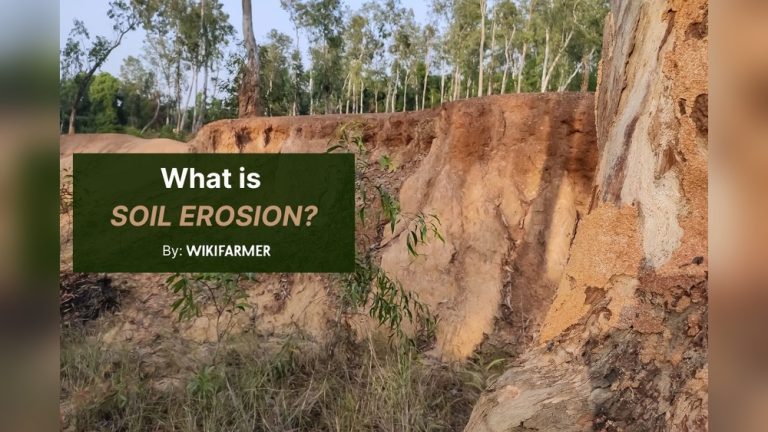
Another sign is if your soil seems to be washing away easily. This could mean it lacks organic matter to hold it together. Or, it might be too sandy to retain nutrients.
Soil erosion is a serious concern.
If you have very little plant or insect life in your soil, it might be a sign of poor health. Healthy soil teems with life.
Simple Checks
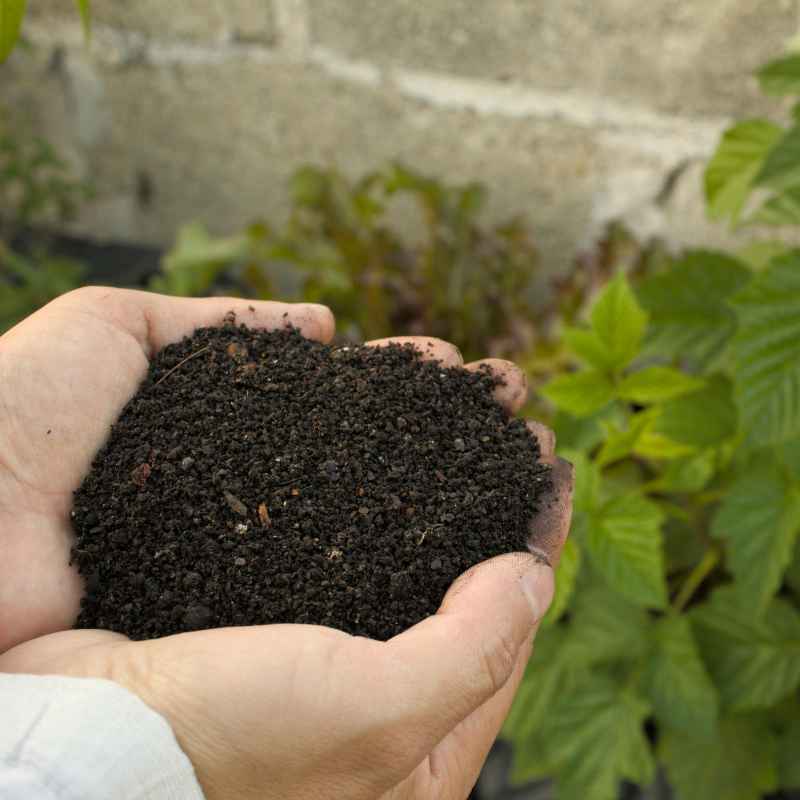
Look at your soil: Is it dark and crumbly? Or is it pale and dusty? Darker soil usually means more organic matter and nutrients.
Observe your plants: Are they growing well? Do their leaves have good color? This is a direct indicator of soil health.
Check drainage: Does water drain well, or does it pool? Poor drainage can mean compacted soil or too much clay. Good drainage is needed for roots to get air and nutrients.
Quick Soil Health Check
Appearance: Dark, crumbly (Good) vs. Pale, clumpy (Needs improvement)
Smell: Earthy (Good) vs. Sour, musty (Needs aeration/organic matter)
Texture: Holds together when squeezed but falls apart (Good) vs. Crumbles to dust or stays a hard ball (Needs work)
Life: Visible worms, insects (Good) vs. Little to no visible life (Concern)
You can also get your soil tested. Many local garden centers or university extension offices offer soil testing services. This tells you exactly what nutrients are missing or in excess.
Quick Tips for Healthier Soil
Adding nutrients and improving soil health is often about working with nature’s principles.
- Compost: Add your own homemade compost. This is the best way to add organic matter and a wide range of nutrients.
- Mulch: Cover your soil with organic mulch like wood chips or straw. This helps retain moisture, suppress weeds, and adds nutrients as it breaks down.
- Cover Crops: Plant cover crops like clover or rye in the off-season. They add nitrogen and organic matter when tilled back into the soil.
- Avoid Compaction: Try not to walk on wet soil. Use defined paths in your garden. Compacted soil makes it hard for roots to grow and for nutrients to move.
- Natural Fertilizers: Use organic fertilizers like bone meal (phosphorus) or blood meal (nitrogen) if a soil test shows a specific deficiency.
These are guidelines, not strict rules. The goal is to support the natural processes that build healthy soil. It’s about creating an environment where plants can thrive because they have access to the food they need.

Frequently Asked Questions
What are the main nutrients plants need from soil?
Plants need macronutrients like Nitrogen (N), Phosphorus (P), and Potassium (K) in large amounts. They also need secondary nutrients like Calcium (Ca), Magnesium (Mg), and Sulfur (S). Finally, they need micronutrients in very small amounts, such as Iron (Fe), Manganese (Mn), Zinc (Zn), Copper (Cu), Boron (B), and Molybdenum (Mo).
Can soil nutrients be added too quickly?
Yes, adding nutrients too quickly, especially synthetic fertilizers, can harm plants. It can “burn” the roots. It can also lead to nutrient imbalances.
This is why a slow, natural approach is often best. Organic matter breaks down slowly, releasing nutrients over time.
How long does it take for soil to become fertile?
Soil formation is a very slow process. It can take hundreds or even thousands of years to create truly fertile soil from bare rock. However, improving existing soil through composting and good practices can show results in months or a few years.
Does the type of rock matter for soil nutrients?
Absolutely. The parent rock is the starting point for mineral nutrients in the soil. Rocks rich in certain minerals will produce soils that are also rich in those same minerals.
For example, granite soils might be lower in some nutrients compared to soils formed from volcanic rock.
What is the difference between soil and dirt?
Soil is a living ecosystem. It contains minerals, organic matter, water, air, and countless organisms. Dirt is generally just broken-down rock or mineral particles.
It lacks the life and organic content that make soil fertile and supportive of plant growth.
How do nutrients get into clay soil versus sandy soil?
Clay soil particles are very small and have a negative electrical charge. This helps them hold onto positively charged nutrient ions, like potassium. Sandy soil particles are larger and have less surface area.
They don’t hold onto nutrients as well, so they can be easily leached away by water.
Conclusion
The journey of weathered materials becoming fertile soil is a long and fascinating one. It’s a story of rock breaking down and then being enriched. Rain, wind, and especially living things play crucial roles.
They bring in minerals and organic matter. This creates the vibrant, nutrient-rich soil that supports all plant life. Understanding this process helps us care for our soil better.
It reminds us that healthy soil is a precious resource, built by nature over vast stretches of time.