Can Gardening Soil Be Used For A Brazilian Pink Salmon Birdeater?
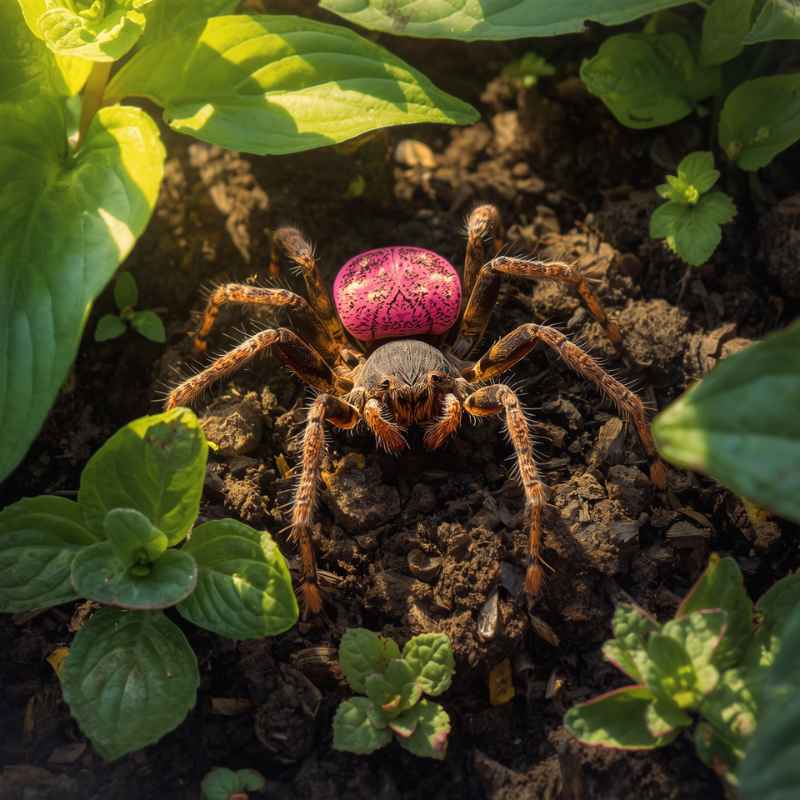
It’s a common question for new tarantula keepers. You’ve got your gorgeous Brazilian Pink Salmon Birdeater (Lasiodora parahypbana). You’re excited to set up its perfect home.
Then you look at bags of potting soil. You wonder, “Can I just use this?” It seems so simple. But when it comes to our fuzzy friends, simple isn’t always best.
This can be a really frustrating puzzle. Let’s clear it up together.
Using regular garden soil for a Brazilian Pink Salmon Birdeater tarantula is generally not recommended. Tarantulas have specific needs for substrate that include proper moisture retention, aeration, and a lack of potentially harmful additives. Specialized tarantula substrate or safe alternatives are usually a better choice to ensure their health and habitat.
Understanding Tarantula Substrate Needs
Tarantulas come from all over the world. Their homes underground or in burrows are very specific. The ground in their natural habitat has certain qualities.
These qualities are important for their health. Think about the environment where a Brazilian Pink Salmon Birdeater lives. These tarantulas are from Brazil.
They often live in humid, tropical or subtropical areas.
In these places, the soil is usually a mix. It has organic matter like decaying leaves. It also has sand or clay.
This mix helps keep the right amount of moisture. It also allows air to flow through. This is super important for their breathing.
It also helps prevent mold and fungus from growing.
The wrong kind of dirt can cause big problems. It might hold too much water. This can lead to a soggy home.
A soggy home is a breeding ground for bad bacteria. It can also harm the tarantula’s skin. Some soils might be too dry.
This can stress the tarantula. It can make it hard for them to burrow. Burrowing is a natural behavior for them.

Why Garden Soil Isn’t Ideal
Garden soil from the store is made for plants. It’s designed to help plants grow. This means it often has added fertilizers.
These can be salts or chemicals. These are fine for plants. But they can be very harmful to tarantulas.
Even a small amount can irritate their skin. It can be toxic if they eat it.
Another issue is the texture. Garden soil can be very fine. It can become compacted easily.
When it gets wet, it can turn into a sticky mud. This is bad for burrowing. It can also trap moisture.
This leads to stagnant water. This can cause mold and mites. Mites are tiny pests that can bother your tarantula.
Some garden soils also contain perlite or vermiculite. These are added for drainage. But they can be sharp.
They can hurt a tarantula’s delicate feet or exoskeleton. The goal is to create a safe, natural-feeling home. Garden soil just doesn’t meet these needs directly.
Garden Soil vs. Tarantula Substrate: A Quick Look
Garden Soil Concerns:
- Contains fertilizers and chemicals.
- Can become too wet or too dry.
- May compact easily.
- Can harbor pests or mold.
- Texture might be unsuitable for burrowing.
Tarantula Substrate Benefits:
- Designed for moisture control.
- Good aeration for breathing.
- Safe for tarantula health.
- Supports natural burrowing behavior.
- Low risk of mold or pests when maintained.
My Own Experience: A Close Call
I remember when I first got into tarantula keeping. I was so eager. I wanted everything to be perfect for my new pet.
I had a beautiful GBB (Green Bottle Blue). I was setting up its enclosure. I thought I’d save a few bucks.
I decided to use a mix of store-bought potting soil and sand.
It looked okay at first. I misted it down. It seemed to hold some moisture.
But after a few days, I noticed something. The soil at the bottom was getting really wet. It wasn’t draining well at all.
A tiny bit of mold started to appear near the water dish. My heart sank. I started to panic a little.
I quickly researched. I learned that even “natural” potting mixes can hold too much water for many tarantulas. They might have peat moss or coco coir that acts like a sponge.
And the added fertilizers were still a worry. I realized I had put my pet at risk. I rushed out and bought proper tarantula substrate.
It was a quick fix, but I learned a valuable lesson that day. Always prioritize the specific needs of your pet.
Safe and Effective Substrate Options
So, what should you use? The best choice is usually a substrate made specifically for tarantulas. These are often found in pet stores or online.
They are designed to mimic the natural environments of these spiders.
Common and recommended substrates include:
- Coco Fiber (Coco Coir): This is a very popular choice. It comes from coconut husks. It holds moisture well but also allows for good airflow. It doesn’t compact easily. You can often find it in compressed bricks. You just add water to expand it. Make sure it’s plain coco fiber with no added chemicals or fertilizers.
- Peat Moss: Similar to coco fiber, peat moss can hold moisture. It’s good for humidity-loving species. However, it can sometimes become waterlogged if you’re not careful. It’s best used in mixes.
- Sphagnum Moss: This is great for adding to other substrates. It helps hold moisture in one area of the enclosure. This can be useful for creating a humid hide or a moist corner for molting.
- Vermiculite: Sometimes mixed in small amounts. It helps with aeration and moisture retention. But too much can make the substrate dusty.
- Topsoil (Organic, Unfertilized): Some keepers use plain organic topsoil. This is soil that has no added fertilizers or pesticides. It must be truly plain. You can often find this at garden centers. Always check the bag very carefully. Mixing it with sand or coco fiber can improve its properties.
DIY Substrate Mixes for Your Birdeater
Many keepers create their own mixes. A good base is often coco fiber. You can then add other elements.
Example Mix:
- 60% Coco Fiber: The main component for moisture and structure.
- 30% Organic Topsoil (no additives): Adds natural texture and minerals.
- 10% Play Sand (washed, non-calcium based): Improves drainage and burrowing stability.
Important Note: Always bake or boil any natural soil or sand you collect yourself. This helps kill any potential pests or mold spores. Pre-packaged substrates are usually safer from the start.
Factors to Consider for Brazilian Pink Salmon Birdeaters
Brazilian Pink Salmon Birdeaters are known for being quite large. They are also relatively docile for their size. They do like to burrow.
They also appreciate a good amount of humidity. This means your substrate choice needs to support these needs.
For this specific species, a substrate that holds moisture well is important. But it must also allow for good airflow. A mix of coco fiber and a bit of peat moss can work well.
Some keepers add a small amount of sterilized sand for stability. The key is creating a deep layer.
You want to provide at least 4-6 inches of substrate. This allows them to burrow properly. A deep substrate also helps maintain stable humidity levels.
This is crucial for their health, especially during molting. A tarantula might try to molt. If the substrate is too dry or too hard, it can cause a failed molt.
This can be life-threatening for the spider.
Substrate Depth Matters!
Minimum Depth for Adult Brazilian Pink Salmon Birdeaters: 4-6 inches.
Why this depth?
- Burrowing: Allows natural tunneling behavior.
- Humidity: Helps maintain stable moisture levels.
- Molting: Provides a secure environment for this vulnerable process.
- Temperature: Can help regulate temperature variations.
How to Prepare Your Substrate
Once you have your chosen substrate, you need to prepare it. If you buy compressed coco fiber, you’ll need to rehydrate it. Follow the package instructions.
Usually, this involves adding warm water. Mix it until it’s fluffy and moist, but not soggy. You want it to clump a bit when squeezed.
But no water should drip out.
If you’re using a soil mix, ensure all ingredients are safe. If you’re using collected soil, sterilize it first. Baking it in an oven at around 200°F (93°C) for an hour can kill pests.
Let it cool completely before use. Adding a bit of sterile play sand can help create a more stable burrow.
When you put the substrate in the enclosure, make sure it’s deep enough. Gently pack it down slightly. This gives your tarantula a good base to start digging.
You can then add some decorations like cork bark or a hide. These give your tarantula places to explore and feel secure.
Substrate Preparation Checklist
For Coco Fiber:
- Expand with warm water.
- Squeeze out excess moisture.
- Aim for damp, not wet.
For Soil/Sand Mixes:
- Use only organic, unfertilized topsoil.
- Sterilize collected materials if needed (bake at 200°F for 1 hour).
- Ensure sand is washed play sand (not calcium sand).
General Steps:
- Fill enclosure to recommended depth.
- Lightly compact the surface.
Maintaining a Healthy Substrate Environment
Having the right substrate is only half the battle. You also need to maintain it properly. This means keeping an eye on moisture and cleanliness.
Moisture Levels: For a Brazilian Pink Salmon Birdeater, you want the substrate to be mostly dry with a moist corner. You can achieve this by lightly misting one side of the enclosure. The other side should remain dry.
This allows the tarantula to choose its preferred humidity level. Over-misting can lead to a completely wet environment. This is bad.
Always ensure good ventilation in the enclosure. This helps prevent stagnant air and mold.
Cleaning: Remove any uneaten food within 24 hours. This is very important. Food can attract mold and mites.
Spot clean any mold or mites as soon as you see them. If the substrate becomes excessively wet, foul-smelling, or infested with pests, it’s time for a full substrate change. This usually happens every few months, depending on your setup.
Mold and Mites: These are the biggest enemies of a healthy tarantula habitat. Mold thrives in damp, poorly ventilated conditions. Mites are tiny arachnids that can infest substrate.
Some mites are harmless scavengers. Others can harm your tarantula. Proper substrate choice and maintenance are your best defense.
Substrate Maintenance Tips
Daily:
- Remove uneaten food.
Weekly:
- Check moisture levels.
- Lightly mist one side if needed.
- Spot clean any visible mold or mites.
Monthly:
- Deep clean the enclosure if needed.
- Stir the top layer of substrate if it looks compacted.
As Needed:
- Full substrate change if issues arise (mold, mites, odor).
What About Just Adding Dirt?
Sometimes people think they can just grab some dirt from their yard. While this might seem like the most “natural” option, it comes with significant risks. Wild-collected soil can contain a host of unpleasant things.
There could be parasites. There could be pesticides from nearby gardens or lawns. There might be ant eggs or other insect larvae.
These could hatch in the enclosure and become a problem. Even if you try to bake it, you might not get rid of everything. The risk is usually not worth the potential savings.
For a pet that relies entirely on you for its environment, it’s best to avoid such risks. Stick to known safe substrates. This ensures their habitat is a healthy place for them to thrive.
It’s about creating a controlled, safe environment that mimics their natural home.
Real-World Scenarios and Your Birdeater
Imagine your Brazilian Pink Salmon Birdeater. It’s a large, impressive spider. In its natural habitat in Brazil, it would be digging deep into the forest floor.
This floor is rich with organic matter. It holds a good amount of moisture from the tropical rains. But the canopy above allows for air to circulate.
When you set up its enclosure, you are trying to recreate that. You want it to feel safe and secure. A deep layer of substrate allows it to fulfill its instinct to burrow.
If the substrate is too shallow, it might seem restless. It might constantly try to dig in one spot. This can be a sign of stress.
The humidity is also key. These spiders come from areas with higher humidity. If the substrate is too dry, their exoskeletons can dry out.
This makes molting very difficult. A good substrate mix helps keep that ideal humidity without making the whole enclosure swampy. You might see your spider creating a burrow entrance.
They might bring substrate to the surface. This is a sign they are happy and comfortable.
Observing Your Tarantula’s Behavior
Happy Signs:
- Active burrowing.
- Well-maintained burrows.
- Good appetite.
- Calm demeanor.
- Successful molts.
Signs of Substrate Issues:
- Restlessness or constant digging in one spot.
- Substrate staying too wet or too dry.
- Mold or mite outbreaks.
- Failed molts or difficulty molting.
- Foul odors from the enclosure.
What This Means for You
The bottom line is this: using regular garden soil for your tarantula is a risk. It’s like feeding a baby human adult food that isn’t processed. It might not be immediately fatal, but it’s not the best for their development or health.
For a sensitive creature like a tarantula, the substrate is their whole world.
It’s where they live, eat, and breed. It’s where they feel safe. So, when you choose their substrate, you are choosing their quality of life.
You are ensuring their safety. It’s always best to invest in a proper tarantula substrate. Or, learn to make a safe DIY mix.
You might see some keepers online using certain soil mixes. This is often because they have extensive experience. They know how to test and prepare these mixes safely.
For a beginner, it’s far safer to stick to recommendations from reputable sources. Think about the long-term health of your pet. A good substrate is a small cost for peace of mind.
Quick Tips for Choosing Substrate
When you’re out shopping for substrate, keep these tips in mind:
- Read the Label: Always check for added fertilizers, pesticides, or chemicals. If you can’t be sure, don’t buy it.
- Look for “Organic”: This is a good start, but “organic” doesn’t always mean safe for tarantulas. It still might contain things that aren’t good for them.
- Avoid Scented Products: Any added fragrances are bad.
- Consider the Species: Brazilian Pink Salmon Birdeaters need moisture and burrowing room.
- When in Doubt, Ask: Consult with experienced tarantula keepers or reputable pet stores.
Frequent Questions About Tarantula Substrate
Can I use sand from my backyard for my tarantula?
It’s generally not recommended to use sand directly from your backyard. It can contain pesticides, parasites, or other contaminants. If you choose to use sand, ensure it is washed play sand and that you sterilize it properly by baking it.
It’s best used in a mix and not as the sole substrate.
How often should I change the substrate?
For adult tarantulas, a full substrate change is usually only needed every 6-12 months. Spot cleaning of mold, mites, and uneaten food should be done more frequently, as needed. Over-changing substrate can stress the tarantula, so do it only when necessary.
What is the best substrate for a baby tarantula?
Baby tarantulas, or spiderlings, need different substrate than adults. They often need more moisture. A mix of coco fiber and a little sphagnum moss can work well.
Ensure the substrate is kept damp. The enclosure should also be smaller to prevent them from getting lost or having trouble finding food.
My tarantula is digging up all the substrate. Is this bad?
No, this is usually a very good sign! It means your tarantula feels secure and is fulfilling its natural instinct to burrow. As long as the substrate is deep enough and appropriate for the species, this is a sign of a happy, healthy pet.
Can I use wood chips or bark as substrate?
Some types of wood chips or bark can be used, especially for arboreal (tree-dwelling) tarantulas. However, for terrestrial species like the Brazilian Pink Salmon Birdeater, they are not ideal as a primary substrate. They don’t hold moisture well and don’t allow for good burrowing.
They are better used as decorations or additions to a main substrate.
What happens if my tarantula eats some of the substrate?
If your tarantula accidentally ingests a very small amount of a safe substrate (like coco fiber), it’s usually not a major problem. They have digestive systems that can handle small amounts of indigestible material. However, if the substrate contains fertilizers or other harmful chemicals, it can be toxic and cause illness or death.
Final Thoughts on Substrate Choices
Choosing the right substrate is a fundamental part of keeping any tarantula healthy and happy. For your Brazilian Pink Salmon Birdeater, this means providing a deep, moist, and well-aerated environment. Regular garden soil, with its additives and inconsistent properties, just doesn’t fit the bill.
Investing in specialized tarantula substrate or creating a carefully prepared DIY mix is the best way to ensure your fascinating pet has the home it deserves.