Which Statements Accurately Describe Soil? All Answers Checked
Soil is a mixture of minerals, organic matter, water, and air that supports plant life. It forms slowly over time from the weathering of rocks and the decomposition of organic material. Healthy soil is crucial for growing food, supporting ecosystems, and filtering water.
For a related follow-up, Which Protective System Involves Cutting Back Soil? Clear Answer gives readers a useful next step.
What is Soil Really?
Soil is a complex, living system. It’s not just dirt you scrape off your boots. Think of it as a thin layer on Earth’s surface.
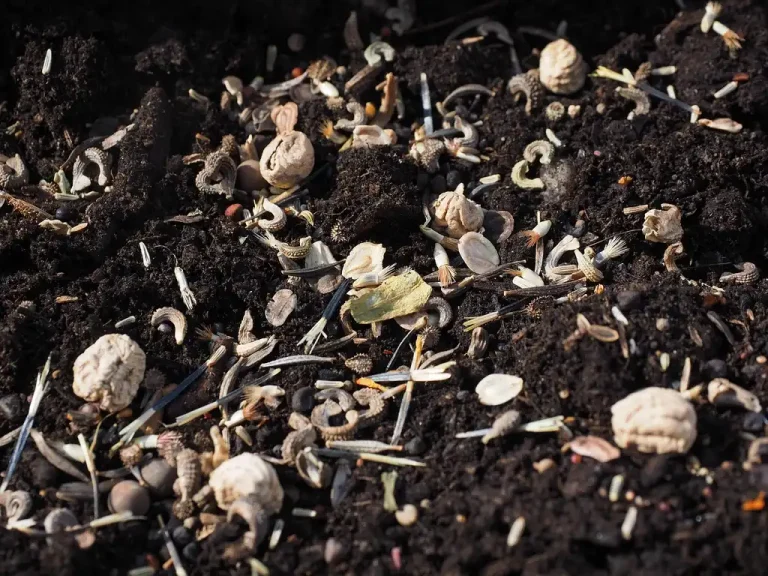
This layer is a mix of many things. It has tiny rock bits. It has bits of dead plants and animals.
It also has water and air. Plus, it’s packed with tiny living things.
These tiny living things are super important. They are like little helpers in the soil. They break down old stuff.
They help plants get food. Without them, the soil wouldn’t be very healthy. This whole mix is what we call soil.
It’s a vibrant, active place.
The basic building blocks of soil start with rocks. Big rocks break down over a very, very long time. This is called weathering.
Heat, cold, wind, and rain all play a part. They chip away at rocks. They make them smaller.
This creates sand, silt, and clay. These are the mineral parts of soil.
Then comes the organic matter. This is stuff that was once alive. It’s leaves, twigs, dead bugs, and animal droppings.
When these things die, tiny organisms eat them up. They turn them into something new. This new stuff is called humus.
Humus is dark and rich. It helps soil hold water. It also gives plants food.

How Soil Forms: A Slow, Steady Process
Soil formation is a journey. It takes a long, long time. We’re talking hundreds or even thousands of years.
It starts with a base rock. This is called the parent material. This rock is exposed to the elements.
Rain falls. The sun shines. Winds blow.
Freezing and thawing happen.
These forces break the rock into smaller pieces. This is the first step. It creates mineral particles.
These particles are the start of the soil. But it’s not soil yet. It’s just broken-down rock.
There’s no life in it. There’s no real structure.
Next, living things start to show up. Tiny plants like mosses and lichens can grow on bare rock. They add a little bit of organic material when they die.
Their roots can also help break the rock further. Then, as the rock breaks down more, other plants can take root.
As plants and animals live and die on this spot, their remains add more organic matter. This organic matter mixes with the mineral bits. It starts to create layers.
These layers are called soil horizons. This is how soil develops depth. It becomes a distinct profile.
The climate where this is happening matters a lot. Hot, wet places make soil faster. Cold, dry places make it slower.
The type of rock also makes a difference. Some rocks break down easily. Others take much longer.
So, soil everywhere is a little bit different.
Soil Formation Stages
Stage 1: Parent Material
This is the bedrock or mineral fragments. It’s the starting point.
Stage 2: Weathering
Rocks break down into smaller pieces. Rain, wind, and temperature changes do this work.
Stage 3: Colonization
Plants and microbes begin to grow. They add organic matter.
Stage 4: Horizon Development
Distinct layers form in the soil. Organic and mineral layers mix.
Stage 5: Mature Soil
A rich, complex soil is formed. It supports diverse life.
The Many Components of Soil
Let’s break down what makes up soil. It’s not just one thing. It’s a blend of four main parts.
Understanding these parts helps us appreciate soil’s complexity.
The first part is mineral particles. These come from rocks. They are the sand, silt, and clay we talked about.
Sand feels gritty. Silt feels smooth like flour. Clay feels sticky when wet and hard when dry.
The mix of these three creates different soil textures.
The second part is organic matter. This is the decomposed remains of plants and animals. It’s the dark, rich stuff.
It makes soil fertile. It improves soil structure. It helps soil hold water and air.
Good soil has a good amount of organic matter.
The third part is water . Soil needs water to keep things alive. Water dissolves nutrients.
It helps plants absorb them. It’s also a home for many soil organisms. Too much water can be bad.
It can drown out air. Too little water makes things dry up.
The fourth part is air. Soil needs air too. Plant roots need oxygen.
So do the tiny living things. Air fills the spaces between soil particles. These spaces are called pores.
The balance of water and air in these pores is key.
Soil’s Building Blocks
Mineral Particles: Sand, silt, clay. They come from weathered rocks.
Organic Matter: Decomposed plants and animals. Adds nutrients and structure.
Water: Essential for life. Dissolves nutrients and keeps soil moist.
Air: Needed by roots and microbes. Fills spaces between particles.
Why Soil is Alive
This might surprise you. Soil is not dead. It’s teeming with life!
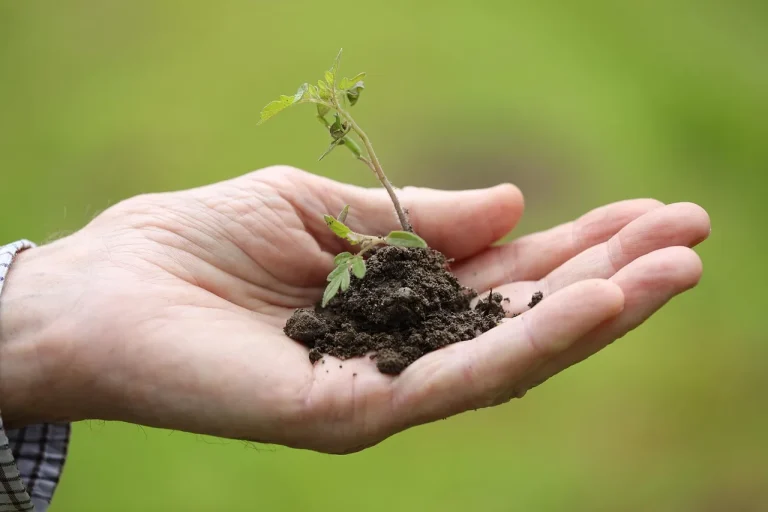
Billions of living things can be in just one handful of soil. This is what makes soil truly special. It’s a whole ecosystem under our feet.
There are tiny creatures like bacteria and fungi. These are the decomposers. They break down organic matter.
They release nutrients that plants can use. They are like the soil’s recycling crew. They work non-stop.
There are also larger organisms. Earthworms are famous soil dwellers. They tunnel through the soil.
This helps aerate it. It mixes the layers. It creates channels for water to move through.
They also eat organic matter and leave behind nutrient-rich castings.
Insects, mites, and nematodes also live in the soil. Some are helpful. Others can be pests to plants.
But they all play a role in the soil food web. This web is complex. It ensures nutrients are cycled.
It keeps things balanced.
This underground world is crucial. It helps plants grow. It cleans our water.
It stores carbon. It supports biodiversity. When we talk about healthy soil, we’re talking about a healthy community of life within it.
Soil Layers: The Soil Profile
If you dig a hole, you don’t just see one kind of dirt. You see different layers. These layers are called horizons.
They show the soil’s history. They tell us how it formed. Each horizon has different features.
The top layer is usually the A horizon. This is where most plant roots grow. It’s rich in organic matter.
It’s often dark in color. This is the layer we often call topsoil. It’s very important for farming and gardening.
Below the A horizon is the B horizon. This is also called the subsoil. It has less organic matter than the topsoil.
Minerals like clay and iron might build up here. It’s often lighter in color than the A horizon.
Then comes the C horizon. This layer is made of weathered parent material. It’s not fully soil yet.
It’s broken rock. It’s less changed by living things. It’s the transition zone to bedrock.
Finally, there’s the R horizon. This is the bedrock. It’s solid rock underneath.
It hasn’t been weathered much at all. The soil layers sit on top of this.
Sometimes, there are other horizons too. For example, there might be an O horizon on top. This is made of fresh, undecomposed organic material.
Like fallen leaves or twigs. The specific layers and their thickness vary a lot. It depends on the soil’s age and the environment.
Common Soil Horizons
O Horizon: Organic matter (leaves, twigs).
A Horizon: Topsoil. Rich in organic matter, dark color.
B Horizon: Subsoil. Minerals accumulate here.
C Horizon: Weathered parent material. Broken rock.
R Horizon: Bedrock. Solid rock layer.
Types of Soil Based on Texture
The texture of soil is very important. It affects how well water drains. It affects how much air it holds.
It also affects how easy it is to work with. Texture is based on the size of the mineral particles.
We’ve mentioned sand, silt, and clay. These are the three main particle sizes.
- Sand: The largest particles. Feels gritty. Drains water very quickly.
- Silt: Medium-sized particles. Feels smooth like flour. Holds some water.
- Clay: The smallest particles. Feels sticky when wet. Holds a lot of water. Can get compacted easily.
Most soils are a mix of these three. The percentages change the soil type.
- Sandy Soil: Lots of sand. Drains fast. Not great at holding nutrients.
- Silty Soil: Mostly silt. Feels smooth. Holds water well. Good for plants.
- Clay Soil: Lots of clay. Can be heavy. Holds water and nutrients well. Can be hard to work with.
- Loam Soil: This is the best of all worlds. It’s a balanced mix of sand, silt, and clay. It holds water well but also drains. It has good aeration. It’s fertile and easy to work. Many gardeners aim for loam.
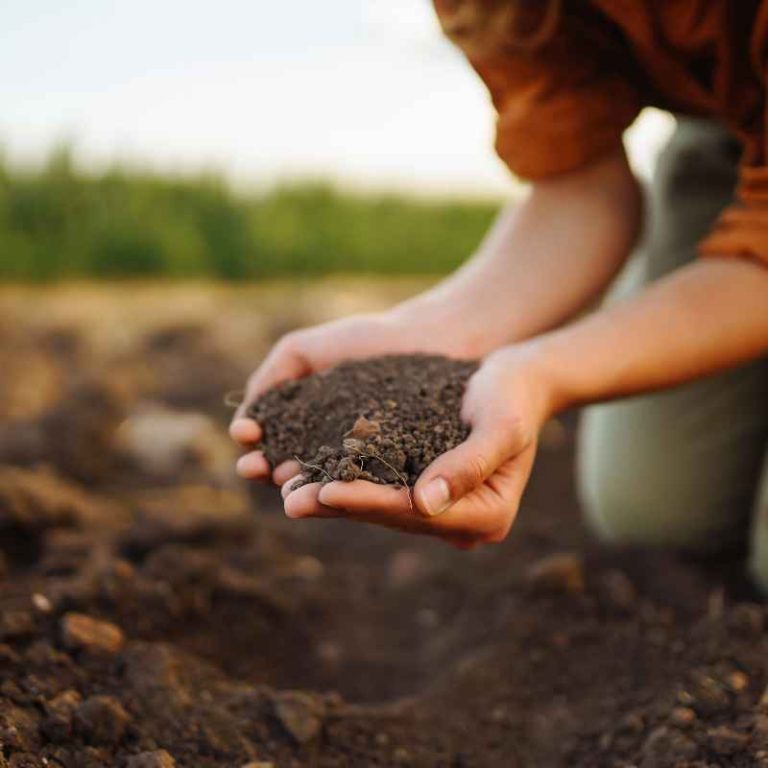
You can often feel the difference. Take a little soil . Wet it slightly.
Rub it between your fingers. Does it feel gritty? That’s sand.
Does it feel smooth? That’s silt. Does it feel sticky and form a ball?
That’s clay. If it feels a bit of everything, it might be loam.
Soil Texture Test
Gritty feel: High sand content.
Smooth/floury feel: High silt content.
Sticky/forms a ball: High clay content.
Balanced feel: Likely loam, ideal for gardening.
Statements About Soil: True or False?
Let’s look at some common ideas about soil. We’ll see which ones are accurate statements. This helps us understand soil better.
Statement 1: Soil is just dead dirt.
False. As we’ve learned, soil is a living ecosystem. It’s full of microbes, fungi, worms, and insects. They are all working together.
This biological activity is what makes soil healthy and productive.
Statement 2: All soil is the same everywhere.
False. Soil varies greatly. It depends on the parent rock, climate, living organisms, topography, and time. This creates diverse soil types with different textures, colors, and properties.
Statement 3: Soil forms very quickly.
False. Soil formation is a slow process. It can take hundreds to thousands of years to form just a few inches of topsoil. This is why protecting existing soil is so important.
Statement 4: Soil only helps plants grow.
False. Soil does much more. It filters water. It stores carbon, helping regulate the climate.
It provides habitat for countless organisms. It plays a role in nutrient cycles for the whole planet.
Statement 5: You need a lot of soil for it to be important.
False. Even a thin layer of soil is vital. It’s the interface between the rock and the atmosphere. This thin layer supports most life on land.
The health of this thin layer affects everything above it.
Statement 6: Soil has no air in it.
False. Soil needs air. The spaces between soil particles are filled with a mix of air and water. This air is essential for roots and soil organisms to breathe.
Soil Facts at a Glance
Myth: Soil is dead dirt.
Fact: Soil is a living ecosystem.
Myth: Soil forms fast.
Fact: Soil forms very slowly.
Myth: Soil is only for plants.
Fact: Soil supports water filtration and climate regulation.
The Importance of Healthy Soil
Why should we care so much about soil? Healthy soil is the foundation for much of life on Earth. Its importance cannot be overstated.
First, it grows our food. Most fruits, vegetables, grains, and nuts come from soil. Healthy soil provides the nutrients plants need.
It holds the right amount of water. It allows roots to grow strong. Without healthy soil, agriculture would collapse.
Second, it filters our water. As rainwater seeps through the soil, it gets cleaned. Soil acts like a natural filter.
It removes pollutants and impurities. This is how we get clean drinking water.
Third, it supports biodiversity. The vast number of organisms in healthy soil is incredible. These organisms are part of complex food webs.
They help break down waste. They cycle nutrients. They create healthy environments for other creatures.
Fourth, it stores carbon. Healthy soil can hold large amounts of carbon. This helps to reduce carbon dioxide in the atmosphere.
This is important for fighting climate change. Soil carbon is a natural solution.
Fifth, it supports infrastructure. Soil holds our buildings, roads, and bridges. Its stability is key for many structures.
It also helps manage water runoff. This prevents erosion and flooding.
In my own garden, I learned this lesson early. I used to just buy bags of “soil” from the store. My plants struggled.
They looked pale. They didn’t produce much. Then I started adding compost.
I learned to build up the organic matter. I saw a huge difference. The plants grew strong.
The soil felt alive. It was a real eye-opener.
When Soil Behavior is Concerning
Most of the time, soil is just doing its job. But sometimes, things can go wrong. We might see signs that the soil isn’t healthy.
Or that it’s being damaged.
One sign is severe erosion. If you see large amounts of soil washing away after rain, that’s a problem. It means the soil structure is weak.
It’s not holding together. This can happen from over-tilling or removing too many plants.
Another sign is poor plant growth. If plants are consistently stunted, pale, or dying, it could be the soil. It might lack nutrients.
It might have poor drainage. Or it could be too compacted.
Compaction is a big issue. When soil gets too hard, roots can’t grow. Air and water can’t move.
Heavy machinery or walking on wet soil can cause this. You might notice water pooling on the surface.
Changes in smell can also be a clue. Healthy soil often has a pleasant, earthy smell. If the soil smells sour, rotten, or like ammonia, something might be off.
This can happen with waterlogging or imbalances in microorganisms.
Surface crusting is another indicator. This is a hard layer that forms on top of the soil. It can prevent seeds from sprouting.
It also stops water from getting in easily. It often happens in clay soils after rain.
If you notice these things often, it’s worth investigating. It might mean you need to add organic matter. Or change how you manage the land.
Red Flags for Soil Health
Erosion: Soil washing or blowing away easily.
Poor Plant Growth: Plants are weak, pale, or die.
Compaction: Soil is hard, water pools on top.
Bad Smells: Sour, rotten, or ammonia odors.
Surface Crusting: A hard layer forms on the soil surface.
Quick Tips for Better Soil
You don’t need to be a farmer to help soil. Even small actions can make a big difference. Here are some simple things you can do.
- Add Organic Matter: Compost is your best friend. Add kitchen scraps (no meat or dairy), yard waste, and manure to a compost bin. Then spread the finished compost on your garden or lawn. This feeds the soil microbes and improves structure.
- Avoid Compaction: Try not to walk on garden beds when they are wet. Use pathways to move around. If you use heavy equipment, do so sparingly.
- Mulch Your Soil: Cover bare soil with mulch. This can be wood chips, straw, or shredded leaves. Mulch helps keep moisture in. It suppresses weeds. It breaks down over time to add organic matter.
- Reduce Tilling: Excessive tilling can break down soil structure. It harms earthworms and other beneficial organisms. Consider no-till or minimum-till gardening methods.
- Plant Cover Crops: In areas you’re not actively growing food, plant cover crops. These are plants grown to improve the soil. They prevent erosion and add nutrients when they are turned back into the soil.
- Test Your Soil: For gardens or larger areas, consider a soil test. This can tell you about nutrient levels and pH. You can get kits from garden centers or local extension offices.
These steps help build healthy, living soil. They support the ecosystem. They lead to better plant growth and a healthier environment.

Frequently Asked Questions About Soil
-
Is soil the same as dirt?
No, soil is much more complex than dirt. Dirt is often used to describe loose soil that gets everywhere. Soil, on the other hand, is a living system.
It’s made of minerals, organic matter, water, and air. It supports plant and microbial life.
-
How long does it take for soil to form?
Soil formation is a very slow process. It can take hundreds to thousands of years to create just one inch of topsoil. This is because it relies on weathering of rocks and the slow accumulation of organic matter.
-
What is the most important part of soil?
It’s hard to pick just one, as all parts are vital. However, the organic matter and the living organisms within the soil are what make it truly “alive” and fertile. They drive nutrient cycling and structure.
-
Can soil be too wet or too dry?
Yes, both extremes are bad. If soil is too wet, it can lack air, drowning roots and microbes. If it’s too dry, plants and organisms suffer from lack of water, and nutrients become unavailable.
-
What makes soil fertile?
Fertility comes from a good balance of minerals, organic matter, water, and air. It also depends on a healthy population of soil microbes that make nutrients available to plants. Good soil structure also plays a role.
-
Does soil pollution affect human health?
Yes, soil pollution can affect human health directly and indirectly. Pollutants can be absorbed by plants we eat, or they can contaminate drinking water sources. Some pollutants can also cause skin irritation or other issues.
Wrapping Up Our Soil Talk
So, soil is far more than just dirt. It’s a dynamic, living world. It’s essential for growing food.
It cleans our water. It supports life. Understanding its components and how it forms helps us appreciate its value.
Take care of your soil. It takes care of you.