Gardening Soil Vs Potting Soil: What’S Really The Difference?
It can be confusing. What’s the real difference? Does it even matter which one you pick?
The truth is, it matters a lot. Using the wrong soil can make your plants unhappy. They might not grow well.
They could even get sick.
This article will clear things up. We’ll break down exactly what makes garden soil and potting soil different. We’ll explain why each one is best for specific jobs.
You’ll learn how to pick the right soil every time. This will help your plants thrive, whether they live in a pot or in the ground.
The main difference is that garden soil is meant for in-ground use, improving existing soil. Potting soil is a specially blended mix for containers, providing drainage and aeration. Using them incorrectly can harm your plants by affecting water and air flow.
Understanding Garden Soil
Let’s start with garden soil. Think of this as a soil amendment. It’s not meant to be the only thing you put in your garden beds.
Instead, you mix it with the dirt you already have. Its main job is to make that existing soil better.
Garden soil often contains compost. It might have some peat moss or other organic matter. These things help improve the structure of your native soil.
If your soil is too hard and clay-like, garden soil can make it softer. If your soil drains too quickly and is sandy, garden soil can help it hold a bit more water.
It’s designed to be used outdoors. It can have larger chunks in it. Sometimes, it might even have tiny weed seeds or small stones.
This is okay because when you put it in your yard, the plants have room to grow around these things. They can also get enough water and air.
When you buy garden soil, look at the label. It often says “for amending garden beds” or “improves soil structure.” This tells you its purpose. It’s like a nutritional boost for your existing garden dirt.
It helps create a healthier environment for plant roots right there in the ground.

Understanding Potting Soil
Now, let’s talk about potting soil. This is a completely different beast. Potting soil is made for containers.
This includes flower pots, hanging baskets, window boxes, and even raised beds that are essentially large containers.
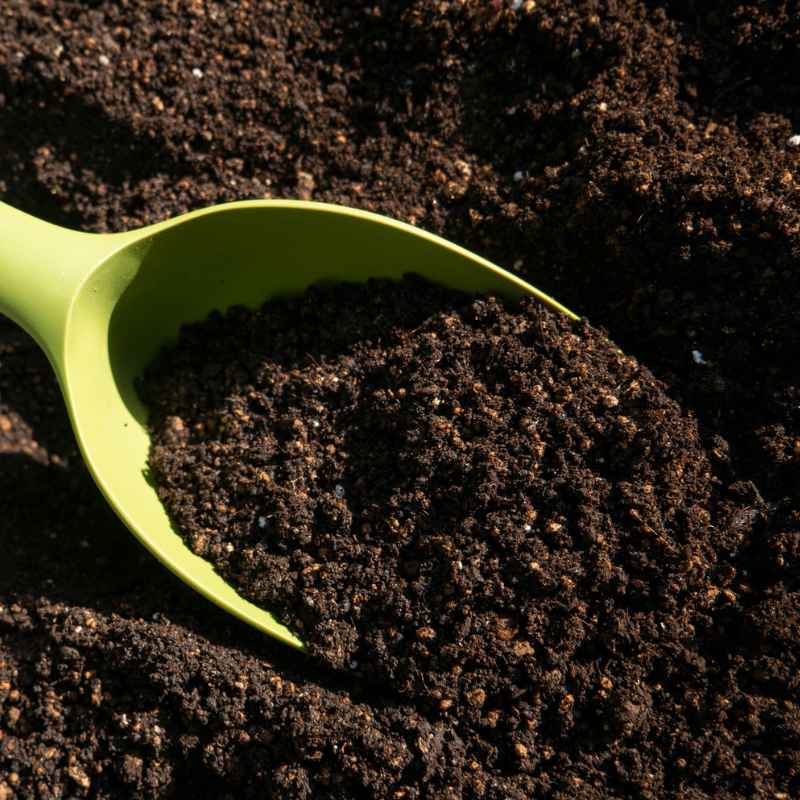
The key difference is its texture and composition. Potting soil is much lighter and airier. It needs to be.
When plants are in containers, their roots are confined. They don’t have much space to spread out and find air.
A good potting mix drains very well. This is super important for containers. If a pot stays too wet, the roots can rot.
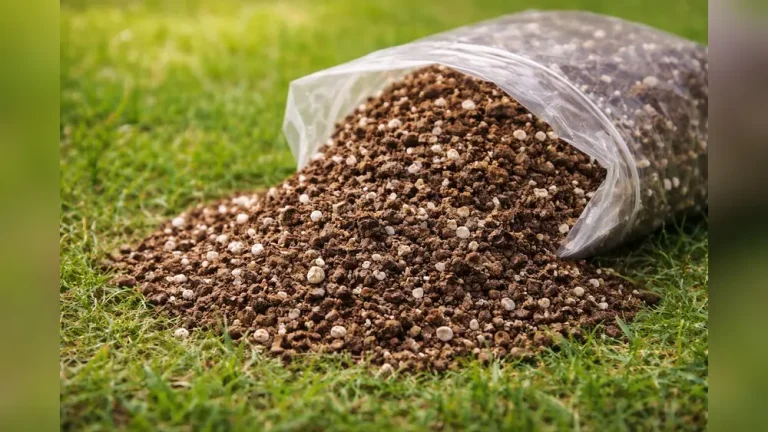
Potting soil usually has ingredients like peat moss, coco coir, perlite, and vermiculite. These help water flow through easily. They also let air reach the roots.
Potting soil is also designed to hold the right amount of moisture. It shouldn’t get waterlogged. But it shouldn’t dry out too fast either.
The mix provides a good balance for the plant’s needs in a closed environment like a pot.
You’ll often find that potting soil doesn’t contain actual soil. This might sound strange! It’s usually a blend of organic materials and amendments.
This is what gives it that light, fluffy texture. It’s made to be a complete growing medium for plants that live their whole lives in a pot.
Why the Distinction Matters
So, why can’t you just use garden soil in pots? Or potting soil in garden beds? The reasons are important for plant health.
Let’s explore this.
When you put garden soil into a pot, it’s too heavy. It compacts easily. This means water can’t drain properly.
Air can’t get to the roots. Your plant’s roots will essentially drown. They can’t breathe.
This leads to root rot and a very unhappy plant.
On the other hand, using potting soil in your garden beds isn’t ideal either. It’s very light and airy. It drains so quickly that it might not hold enough moisture.
You’d have to water constantly. Over time, it can also break down and lose its structure. It’s also more expensive than garden soil.
Garden Soil vs. Potting Soil: Key Differences
What it is:
Garden Soil: Soil amendment for in-ground use.
Potting Soil: Specially formulated mix for containers.
Texture:
Garden Soil: Denser, heavier.
Potting Soil: Light, airy, fluffy.
Drainage:
Garden Soil: Drains slower; needs amendment for clay soil.
Potting Soil: Excellent drainage is a must.
Purpose:
Garden Soil: Improves existing soil structure.
Potting Soil: Provides a complete growing medium for pots.
Think of it like this: garden soil is like mixing flour into a cake batter. It’s part of a bigger recipe. Potting soil is like the finished cake itself.
It’s ready to be eaten (or in this case, to grow a plant).
What’s Inside Them? Ingredient Breakdown
Let’s peek inside these bags to see what makes them tick. The ingredients tell a lot about their purpose.
Garden Soil Ingredients
Garden soil is often a mix of organic materials and native soil components. You might find:
- Compost: This is decomposed organic matter. It adds nutrients and improves soil structure.
- Peat Moss: Helps retain moisture and adds acidity.
- Aged Bark Fines: Adds to structure and aeration.
- Loam: A balanced mix of sand, silt, and clay.
- Manure: Aged, for added nutrients.
The goal here is to add goodness to what’s already there. It’s about enriching and improving the soil in your yard.
Potting Soil Ingredients
Potting soil is a carefully balanced blend. It’s designed for a specific environment: a pot. Common ingredients include:
- Peat Moss: Good at holding moisture and air.
- Coco Coir: A sustainable alternative to peat moss. It also holds water well and provides aeration.
- Perlite: Tiny white volcanic rocks. They create air pockets and improve drainage.
- Vermiculite: Another mineral that helps retain moisture and nutrients. It also adds aeration.
- Compost: Sometimes included for slow-release nutrients.
- Wetting Agents: Help the dry ingredients absorb water more easily.
Notice the lack of actual “dirt” or heavy clay. These ingredients are chosen for lightness, drainage, and aeration. They create a porous structure that roots love.
My Own Potting Soil Mishap
I remember my first year trying to grow tomatoes in pots. I was so excited! I bought these big terracotta pots.
They looked so classic and rustic on my patio. I went to the store and grabbed a bag that said “Topsoil” on it. It was cheap, and the bag was huge.
I figured, “How different can dirt be?”
I filled those pots with the topsoil. I planted my little tomato starts. They looked happy for about a week.
Then, things started to go downhill. The leaves drooped. The soil felt like a brick after I watered it.
Water just sat on top. It took forever to soak in. I thought maybe I was overwatering.
Or maybe underwatering.
I spent weeks feeling frustrated. I kept checking the soil, poking it, trying to figure out the watering. The plants just looked sad.
Finally, a more experienced gardener friend came over. She took one look at my pots and chuckled. “Oh, honey,” she said.
“You can’t use garden topsoil in pots. It’s way too heavy.”
She explained exactly what I’m telling you now. That heavy soil was suffocating the roots. It held too much water.
It didn’t let any air in. She helped me repot my sad tomato plants into a proper potting mix. Within days, they started to perk up.
It was such a relief! That lesson stuck with me. It showed me how important the right soil choice really is.
Quick Scan: Is it Garden Soil or Potting Soil?
| Feature | Likely Garden Soil | Likely Potting Soil |
|---|---|---|
| Bag Label | Topsoil,” “Garden Soil,” “Soil Conditioner | “Potting Mix,” “Container Mix,” “Seed Starting Mix” |
| Texture | Denser, might feel clumpy or gritty | Light, fluffy, airy, might see white perlite pieces |
| Weight | Heavier | Lighter |
| Use Case | Amending garden beds, filling raised beds (mixed with other soil) | Filling flower pots, containers, window boxes |
When to Use Garden Soil
Garden soil is your best friend when you are working directly with the earth. It’s for areas where plants have plenty of space to grow.
Amending Existing Garden Beds
If you have a vegetable garden or flower beds in your yard, you likely have existing soil. This soil might be compacted. It might be lacking nutrients.
It might drain poorly. That’s where garden soil comes in. You spread a layer of garden soil over your existing dirt.
Then you gently mix it in.
This helps break up hard soil. It adds organic matter, which feeds beneficial microbes. It improves the overall structure.
Your plants will have an easier time sending their roots down. They can access water and nutrients more efficiently.
Filling Raised Beds
Raised beds are fantastic. They offer great drainage and are easier to work with. However, you need to fill them with something.
While you can use potting soil for raised beds, it’s often more economical to use a blend. You can mix garden soil with compost and some potting soil.
The garden soil provides a base. The compost adds nutrients. A bit of potting soil can help lighten the mix and ensure good drainage.
The key is not to fill a raised bed entirely with just heavy garden soil.
Improving Lawn Areas
If you’re overseeding your lawn or patching bare spots, you might use garden soil. You can spread a thin layer over the area. Then you’ll seed it.
The garden soil provides a good base for new grass to establish its roots.
It’s important to use a fine-textured garden soil for this. You don’t want large chunks or stones. These can interfere with the lawnmower later on.
Also, remember that lawn soil is different from general garden soil. Some brands offer specific “lawn soil” blends.
When to Use Potting Soil
Potting soil is specifically designed for containers. This means any place where the soil is contained and the plant has limited space.
Flower Pots and Planters
This is the most common use. Any pot on your patio, balcony, or windowsill needs potting soil. This includes terra cotta pots, plastic pots, ceramic pots, and window boxes.
The light, airy mix allows for proper drainage and air circulation.
Plants in pots rely entirely on you for their water and nutrient needs. Potting soil provides a balanced environment to support them. Without it, they are very prone to root problems.
Hanging Baskets
Hanging baskets are essentially small containers. They can dry out very quickly. Potting soil helps retain enough moisture without becoming waterlogged.
The light weight is also crucial, as you don’t want a heavy basket to fall.
The drainage is vital here. Excess water needs to escape easily. Potting soil ensures this happens.
It allows the roots to breathe even in a confined space.
Seed Starting
Specialty mixes called “seed starting mix” are a type of potting soil. They are even lighter and finer. They have fewer nutrients initially.
This is because young seedlings get their energy from the seed itself. The fine texture helps tiny roots find purchase.
These mixes are sterile. This helps prevent diseases that can kill young seedlings. As the seedlings grow, you’ll transplant them into a richer potting mix.
Terrariums
The soil in a terrarium needs to be specific. It’s usually a very light, airy mix. It needs to drain well, but also hold some moisture for the enclosed environment.
Special terrarium mixes are available. They often contain ingredients like charcoal and sphagnum moss for drainage and moisture retention.
This is a more specialized use, but it highlights the need for engineered soil mixes for specific plant environments.
Contrast: Normal vs. Concerning Soil Behavior
Normal Soil Behavior (In-Ground):
• Water soaks in within a few hours after rain.
• Soil feels moist but not soggy after watering.
• Earthworms and beneficial insects are present.
• Easy to dig with a shovel.
Concerning Soil Behavior (In-Ground):
• Water stands on the surface for days.
• Soil is hard as concrete and difficult to dig.
• Very few signs of life (worms, etc.).
• Smells stagnant or rotten.
Normal Soil Behavior (In Containers with Potting Soil):
• Water drains freely from the bottom holes after watering.
• Soil feels moist but not saturated.
• Pot feels lighter after watering due to aeration.
Concerning Soil Behavior (In Containers with Potting Soil):
• Water pools on top or doesn’t drain from holes.
• Soil smells sour or rotten.
• Plant roots are visible at the soil surface, looking stressed.
• The pot feels excessively heavy even when dry.
Can You Make Your Own Potting Mix?
Yes, you absolutely can! Many experienced gardeners prefer to mix their own potting soil. This gives them control over the ingredients and can be more cost-effective.
A Simple DIY Potting Mix Recipe
Here’s a basic recipe for a good all-purpose potting mix:
- 1 part Peat Moss or Coco Coir
- 1 part Perlite or Vermiculite
- 1 part Compost (well-rotted)
Mix these ingredients thoroughly in a large tub or wheelbarrow. Use this for most of your container plants.
For acid-loving plants like blueberries or hydrangeas, you might use more peat moss and less compost. For plants that need even more drainage, like succulents, you’d add more perlite or even some coarse sand.
Benefits of DIY Mixes
- Cost Savings: Buying ingredients in bulk can be cheaper than pre-made bags.
- Customization: You can tailor the mix to your plants’ specific needs.
- Quality Control: You know exactly what’s going into your soil.
- Freshness: You can make just what you need, ensuring it’s fresh.
It does require a little effort and space to mix. But for many gardeners, the benefits are well worth it.
What Happens If You Use the Wrong Soil?
Let’s revisit what happens when you mix things up. It’s not just a minor inconvenience; it can seriously harm your plants.
Using Garden Soil in Pots
As I learned the hard way, this is a recipe for disaster. Here’s a breakdown of the problems:
- Root Rot: The soil stays too wet. Roots can’t get air. They start to decay. This is often fatal for the plant.
- Poor Growth: Plants can’t establish a healthy root system. They won’t grow strong stems or lush leaves.
- Yellowing Leaves: This is a common sign of overwatering and poor nutrient uptake.
- Stunted Plants: The plant will likely remain small and weak. It may never produce flowers or fruit.
- Fungal Diseases: Damp, poorly aerated soil is a breeding ground for fungi.
This scenario is incredibly frustrating for gardeners. You’re trying to care for your plants, but you’re inadvertently causing them harm.
Using Potting Soil in Garden Beds
While not as immediately catastrophic as garden soil in pots, using potting soil in the ground has its own downsides:
- Dries Out Too Quickly: Potting soil is designed to drain. In the open ground, this drainage can be too fast. You’ll need to water much more often.
- Nutrient Leaching: The light mix might allow nutrients to wash away with rain or watering.
- Cost: Potting soil is generally more expensive per cubic foot than garden soil. Using it in large garden beds can be costly.
- Structural Breakdown: Over time, the lighter components can break down. The soil can become less effective.
It’s essentially a less efficient and more expensive way to amend your garden soil. You miss out on the benefits of heavier, organic garden soil amendments.
Stacked Micro-Sections: Common Plant Problems from Wrong Soil
Problem: Root Rot
Cause: Garden soil in pots stays too wet, no air for roots.
Problem: Yellowing Leaves
Cause: Roots can’t breathe or absorb nutrients well in compacted soil.
Problem: Plants wilting even when watered
Cause: Damaged roots from rot cannot take up water.
Problem: Soil washes away easily in beds
Cause: Potting soil is too light for in-ground use.
What to Look for on the Bag
Navigating the garden center can be overwhelming. Here are some tips for choosing the right soil.
For Garden Beds
Look for bags labeled:
- Garden Soil
- Topsoil
- Soil Amendment
- Compost
- Mushroom Compost
Read the description. It should talk about improving soil structure, adding organic matter, or enriching existing soil. If it mentions “for containers” or “potting,” it’s not for your main garden beds.
For Pots and Containers
Look for bags labeled:
- Potting Mix
- Potting Soil
- Container Mix
- Raised Bed Mix (can sometimes be used in pots, check label)
- Seed Starting Mix (for starting seeds only)
These mixes will be light and airy. They should mention good drainage and aeration. If the bag feels very heavy or looks like dark, dense dirt, it’s likely not for containers.
Real-World Context: A Container Gardener’s Dilemma
Imagine Sarah. She lives in a city apartment with a small balcony. She loves growing herbs and a few cheerful flowers.
Her space is limited, so containers are her only option. She buys a few cute ceramic pots, some basil plants, and some petunias.
She goes to the garden store. She sees bags and bags of soil. She picks up a bag that says “Organic Garden Soil.” It’s a good price.
She thinks, “This will be great for my pots!” She fills them up and plants her herbs and flowers.
Within a few weeks, her basil starts to look sickly. The leaves are yellow. The soil is always wet.
Her petunias are droopy and not blooming. Sarah is confused and disappointed. She feels like she has a “black thumb.”
A neighbor, who has a thriving balcony garden, notices her struggle. The neighbor comes over and sees Sarah’s pots. She immediately points out the problem: “Sarah, you’ve used garden soil in your pots.
It’s too heavy. The roots can’t breathe.”
The neighbor explains the difference between garden soil and potting soil. She helps Sarah repot her plants into proper potting mix. She shows Sarah how to check the soil moisture.
Sarah is amazed. Her plants start to recover. Her basil becomes bushy and fragrant.
Her petunias explode with color.
This experience teaches Sarah a valuable lesson. It’s not about having a “black thumb.” It’s about understanding the needs of plants and using the right tools, which includes the right soil.
What This Means for You
Understanding the difference between garden soil and potting soil is crucial for plant success. It’s a foundational piece of knowledge for any gardener.
When it’s Normal to Use Either
It’s normal to use garden soil when you are directly amending or filling in-ground garden beds. This includes regular flower beds, vegetable patches, and even the soil you mix into the ground for trees and shrubs.
It’s normal to use potting soil for any plant that will live its entire life or a significant portion of its life in a container. This covers pots, planters, hanging baskets, and any enclosed planting space.
When to Worry
You should worry if:
- Your plants in pots are constantly wilting, even when watered.
- The soil in your pots stays wet for days after watering.
- Your in-ground garden soil is rock-hard and doesn’t drain well.
- You notice root rot on your container plants.
- You see mold or fungus growing on the soil surface in pots.
These are all signs that the soil environment is not suitable for the plant’s roots.
Simple Checks You Can Do
- The Squeeze Test (for pots): Grab a handful of moist potting soil from your container. Squeeze it. It should hold together a bit but then crumble easily when you poke it. If it stays a solid, wet ball, it’s too wet. If it feels gritty and falls apart completely, it might be too dry or lack binding agents.
- The Drainage Hole Check (for pots): After watering, water should flow freely from the drainage holes within a few minutes. If water pools on the surface or takes forever to drain, your potting soil might be too compacted or not draining well enough.
- The Dig Test (for garden beds): Try digging a small hole in your garden bed. Does the shovel go in easily? Or do you struggle to break through hardpan? If it’s very difficult, you need to amend with garden soil and organic matter.
Quick Tips for Soil Success
Here are a few handy tips to keep in mind:
- Always read the bag! Don’t assume. Look for the intended use.
- When in doubt, use potting soil for pots. It’s better to use potting soil in the ground temporarily than garden soil in pots permanently. Though it’s not ideal for the ground.
- Don’t be afraid to mix. For raised beds, a mix of garden soil, compost, and a bit of potting mix works well.
- Amend your garden soil yearly. Adding compost or garden soil to your beds each spring or fall keeps them healthy.
- Potting soil does not last forever. Even good potting mix breaks down over time. Refresh or replace it every 1-2 years for best results, especially for heavy feeders.

Frequently Asked Questions
Can I use garden soil if I add perlite to it for pots?
While adding perlite helps with drainage, garden soil is still fundamentally denser and more prone to compaction than potting soil. It’s generally not recommended as a primary component for container plants. Potting soil is engineered for that specific environment, offering a better balance of aeration and drainage.
Is “topsoil” the same as “garden soil”?
Topsoil is a broad term. It often refers to the uppermost layer of earth. It can vary greatly in composition.
Garden soil is usually a blend that’s processed and enriched with organic matter to be used as an amendment. While topsoil might be a component of garden soil, garden soil is typically more refined for gardening purposes.
How often should I replace potting soil?
Potting soil breaks down over time. Nutrients get depleted, and the structure can become compacted. For most annuals, replacing it yearly is a good idea.
For perennials or shrubs in pots, you might be able to refresh it by mixing in compost and fresh potting soil every 1-2 years. Observe your plants and the soil condition.
Can I reuse old potting soil?
Yes, you can often reuse old potting soil. However, it’s best to amend it. Remove old roots.
Mix in fresh compost and a bit of new potting soil. You might also want to sterilize it by baking it in the oven (around 180°F or 80°C for 30 minutes) to kill off potential pests or diseases, especially if you had issues in the past.
What’s the difference between potting soil and compost?
Compost is a nutrient-rich organic material made from decomposed food scraps and yard waste. It’s an excellent soil amendment for garden beds. Potting soil is a specific blend designed for containers, including ingredients like peat moss, coco coir, perlite, and vermiculite for drainage and aeration.
Compost can be a component of potting soil, but it’s not the whole mix.
Can I just use the dirt from my backyard in pots?
No, it is strongly advised against using plain backyard dirt (often referred to as native soil or topsoil) directly in pots. Backyard soil typically compacts heavily in containers, leading to poor drainage, lack of aeration, and potential root rot. It’s much too dense for the needs of plants in confined spaces.
Conclusion
Choosing the right soil is a simple step that makes a huge difference. Garden soil is for enriching your in-ground beds. Potting soil is for giving your container plants a healthy home.
By understanding their distinct purposes, you set your plants up for success. Happy gardening!