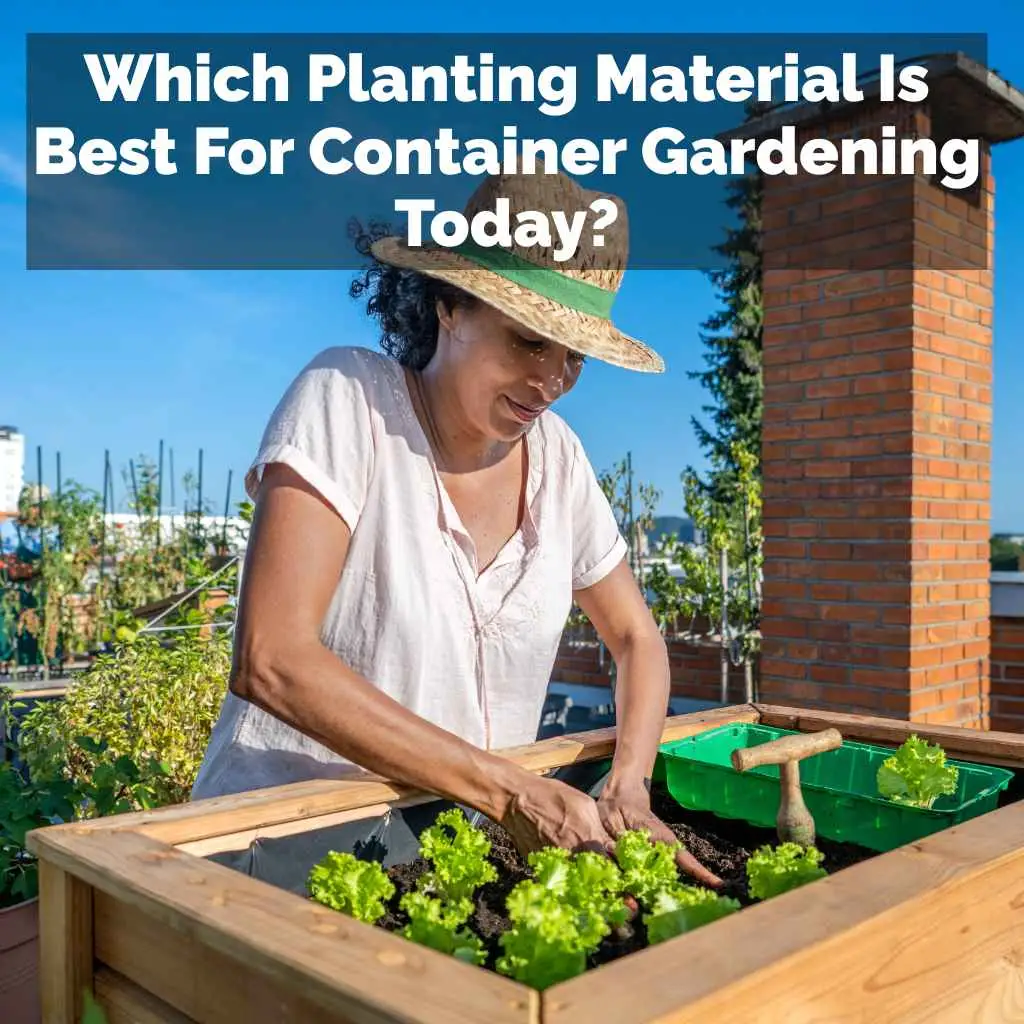
Which Planting Material Is Best For Container Gardening Today?
Choosing the best planting material for your container garden involves weighing factors like water drainage, temperature control, durability, and aesthetic appeal. Each material offers unique benefits and drawbacks that can significantly influence plant growth and your gardening routine. Understanding these differences helps you select the ideal home for your plants, ensuring they thrive.

AGOLEAM
AGOLEAM 4 Packs 10 Gallon Potato Grow…
- 4 Packs 10 Gallon Potato Grow Bags: Each grow bag measures 13.8x13.8x17.8inches, providing ample growing space for potatoes, tomat…
- Premium Quality Materials: Made from high-quality nonwoven fabric, our grow bags are durable, tear-resistant, and reusable. The st…
- Large Capacity: With a total capacity of 10 gallons, these grow bags are perfect for both indoor and outdoor gardening. They allow…
As an Amazon Associate I earn from qualifying purchases.
For a related vegetable-garden decision, What Are The Vegetables For Container Gardening? adds another practical check before you choose materials or treatments.
For a related plant or gardening question, How To Use Southern Living Plants In Container Gardening gives readers a focused next step.
For a related plant or gardening question, Can You Plant A Perennial Garden Using Container Gardening? gives readers a focused next step.

What Are Container Gardening Materials?
Container gardening means growing plants in pots or containers. These containers hold the soil and the plant. They are used on patios, balconies, or decks.
They can also be used indoors.
The material of these containers is key. It affects how water moves. It also changes how hot or cold the soil gets.
Some materials last longer than others. Some look nicer, too. We’ll look at the most common choices.

Why Container Material Matters So Much
The pot your plant lives in is more than just a holder. It’s a whole ecosystem for the roots. The material acts like a skin for this ecosystem.
It controls airflow. It also manages moisture levels.
Too much water can drown roots. Not enough water makes them dry out. Soil temperature is also vital.
Extreme heat can cook roots. Cold can stunt growth. The right material helps keep things just right for your plants.
Common Container Materials Explored
Let’s break down the main types of pots you’ll see. We’ll look at their good points and bad points. This will help you pick the best one.
Terracotta Pots: The Classic Choice
Terracotta pots are made from baked clay. They are a very old and popular choice. You see them everywhere.
They have a warm, earthy look.
Pros of Terracotta:
- Breathability: Terracotta is porous. This means air and water can pass through its walls. This is great for plants that don’t like wet feet. It helps prevent root rot.
- Natural Look: Many people love the rustic, natural beauty of terracotta. It fits well in gardens and on patios.
- Weight: They are heavier than plastic. This makes them less likely to tip over in windy spots.
- Moisture Indicator: As terracotta dries out, it often gets lighter in color. This can be a visual cue that it’s time to water.
Cons of Terracotta:
- Water Loss: Because they breathe, water evaporates quickly from the sides. You’ll need to water more often, especially in hot weather.
- Fragility: Terracotta can break if dropped. It can also crack in freezing temperatures.
- Salt Buildup: Over time, mineral salts from water and fertilizer can build up on the outside. This leaves white stains.
- Weight (again): While good for stability, their weight can make them hard to move around.
Terracotta is a good choice for plants that need well-draining soil. Think succulents, cacti, and herbs. They like drying out between waterings.
If you live in a very hot climate, you’ll need to water them often.
Terracotta: Good for Drainage, Needs More Watering
Best For: Plants that prefer dry soil (succulents, cacti, herbs). Small to medium-sized plants.
Not Ideal For: Plants needing consistently moist soil. Very large plants that need heavy pots.
Maintenance: Water more frequently. Clean off salt buildup as needed.
Plastic Pots: Lightweight and Affordable
Plastic pots are made from various types of plastic. They are very common and come in many colors and shapes. They are often the cheapest option.
Pros of Plastic:
- Lightweight: This makes them super easy to move. You can rearrange your garden space with ease.
- Durable: Plastic doesn’t usually break if dropped. It also holds up well to weather changes, including frost.
- Water Retention: Plastic doesn’t absorb water. This means soil stays moist for longer. You won’t need to water as often.
- Affordability: They are usually much cheaper than other materials.
- Variety: They come in endless colors, styles, and sizes.
Cons of Plastic:
- Poor Drainage/Breathability: Most plastic pots don’t let air in or out. This can lead to waterlogged soil and root rot if you’re not careful. Good drainage holes are essential.
- Overheating: Dark-colored plastic pots can get very hot in direct sun. This can stress or even cook plant roots. Lighter colors are better.
- Less Stable: Their light weight can make them easy to tip over in windy areas.
- Environmental Concerns: Some people prefer to avoid plastic due to environmental impact.
Plastic pots are a good budget-friendly choice. They work well for plants that like consistent moisture. You just need to be mindful of watering.
Don’t let them sit in water. Choose lighter colors to avoid overheating.
Plastic Pots: Light, Cheap, Hold Moisture
Best For: Plants needing consistently moist soil. Budget-conscious gardeners. Small to medium plants.
Not Ideal For: Plants that must dry out between waterings. Very windy locations. Extreme heat without shade.
Maintenance: Ensure good drainage. Consider lighter colors to avoid heat.
Fabric Pots (Grow Bags): Air Pruning Power
Fabric pots, also called grow bags, are made from strong, breathable fabric. They are popular for their unique benefits, especially for root health.
Pros of Fabric Pots:
- Excellent Aeration: The fabric lets air reach the root zone. This is called “air pruning.” Roots stop growing when they hit air. This prevents them from circling and becoming root-bound.
- Great Drainage: Excess water drains out through the fabric. This helps prevent root rot.
- Temperature Control: The fabric allows heat to dissipate. This keeps roots cooler in hot weather.
- Lightweight: They are very light, making them easy to move.
- Easy Storage: Most fabric pots can be folded flat when not in use.
Cons of Fabric Pots:
- Frequent Watering: Because they drain and breathe so well, the soil dries out faster. You’ll need to water more often.
- Durability: Some cheaper fabric pots may not last many seasons. High-quality ones are more durable.
- Aesthetics: They might not look as decorative as ceramic or terracotta pots for some people.
- Soil Erosion: In very windy spots, the soil can dry out from the sides.
Fabric pots are fantastic for promoting healthy root systems. They are great for vegetables, fruits, and larger plants. If you struggle with overwatering, these can be a lifesaver.
Just be prepared for more frequent watering.
Fabric Pots: Air Pruning for Healthy Roots
Best For: All types of plants, especially those prone to root-bound issues. Vegetables, fruits, and large flowers.
Not Ideal For: Areas where frequent watering is impossible. Those who prefer a very formal pot look.
Maintenance: Water frequently. Check soil moisture often.
Wooden Planters: Natural Beauty and Insulation
Wooden planters offer a natural, rustic look. They can add a lot of charm to an outdoor space. They are often used for larger planting projects.
Pros of Wood:
- Insulation: Wood is a natural insulator. It helps keep soil temperatures more stable. It protects roots from extreme heat and cold.
- Aesthetics: Many find wood planters very attractive. They blend well with natural surroundings.
- Size Options: Wood is great for building custom or very large planters.
- Good Drainage: If designed well with drainage holes, they can offer good water management.
Cons of Wood:
- Durability: Wood can rot over time, especially when in constant contact with moist soil. Cedar and redwood are more rot-resistant.
- Weight: They can be heavy, especially larger ones.
- Maintenance: They may need sealing or staining to last longer.
- Cost: Good quality wooden planters can be expensive.
Wood planters are excellent for creating a strong visual impact. They are good for larger plants or for creating garden beds on patios. Choose rot-resistant wood for better longevity.
Ensure they have adequate drainage.
Wooden Planters: Natural Look, Good Insulation
Best For: Large plants, creating garden beds. Adding natural beauty to spaces. Those wanting insulation.
Not Ideal For: Very humid environments where rot is a major concern. Those seeking a very modern look.
Maintenance: Consider sealing or staining. Ensure good drainage to prevent rot.
Other Materials to Consider
Beyond the main four, other materials offer unique traits. Let’s touch on a few more.
Glazed Ceramic Pots
These are beautiful and come in many colors. They are less porous than terracotta. This means they hold moisture better.
However, they can still break and can be heavy.
Metal Pots
Metal pots can look very modern. They can get extremely hot in the sun. This can be very damaging to roots.
They also tend to rust unless treated.
Concrete Pots
These are very durable and heavy. They offer good insulation. But they are heavy and can be expensive.
They also don’t breathe well.
Quick Comparison: Material Traits
| Trait | Terracotta | Plastic | Fabric | Wood |
|---|---|---|---|---|
| Breathability | High | Low | High | Medium |
| Water Retention | Low | High | Medium-Low | Medium |
| Weight | Medium-Heavy | Light | Light | Heavy |
| Durability | Medium | High | Medium-High | Medium |
| Insulation | Medium | Low | Medium | High |
Real-World Context: Which Pot for Which Plant?
Imagine you’re setting up a little herb garden on your kitchen windowsill. Herbs like basil, mint, and parsley like their soil to be a bit moist. They don’t want to dry out completely.
For this spot, a light-colored plastic pot or a glazed ceramic pot would be great. They hold moisture well. Plus, they are light enough to move if the sun shifts.
Now, think about a sunny patio with a lot of heat. You want to grow some lovely petunias or maybe some peppers. These plants can handle drying out a bit.
They also need good airflow to their roots. In this case, terracotta pots or fabric grow bags would be your best friends. The terracotta breathes and lets excess moisture escape.
The fabric bags also allow air in and water out. They help keep roots from getting too hot.
What if you’re planning a big vegetable garden on your deck? You’re thinking tomatoes, cucumbers, maybe some zucchini. These plants grow large and need space.
You’ll want substantial containers. Large wooden planters can be beautiful here. They offer good insulation for those big root systems.
Make sure they have plenty of drainage. For a more modern, easy-care solution, consider large fabric grow bags. They are lighter and promote excellent root health for vigorous growth.
What This Means for Your Container Gardening
The material of your container directly affects how you care for your plants. If you choose terracotta, expect to water more. If you pick plastic, be careful not to overwater.
Fabric pots demand frequent checks for moisture.
When it’s normal:
- Terracotta: Soil dries out fast. This is normal.
- Plastic: Soil stays moist for days. This is normal.
- Fabric: Soil dries faster than plastic, but slower than terracotta. This is normal.
When to worry:
- Terracotta: If the soil stays wet for a very long time, your drainage might be poor.
- Plastic: If the soil stays soggy and the plant looks wilted, you have root rot. This is bad.
- Fabric: If the soil dries out almost instantly and the plant wilts, it might be too small for the conditions. Or the fabric is too thin.
Simple checks:
- Stick your finger about an inch into the soil. If it feels dry, water. If it feels wet, wait.
- Check the drainage holes at the bottom. Are they blocked?
- Look at the plant. Is it wilting? Is it droopy? This can mean too much or too little water.
Quick Tips for Choosing and Using Pots
When selecting a pot, think about your plant’s needs first. Does it like to be wet or dry? Then, consider your climate.
Is it very hot and dry? Or cool and damp?
Drainage is King: No matter the material, ensure your pot has drainage holes. If it doesn’t, drill some. This is the most important step for healthy roots.
Size Matters: Choose a pot that is the right size for your plant. Too small, and the roots get cramped. Too big, and the soil can stay too wet.
Color Choice: For plastic and metal pots in sunny spots, choose lighter colors. They reflect heat. Dark colors absorb it.
Lining Pots: If you love a particular pot that has poor drainage or is too porous, you can sometimes line it. Use landscape fabric. This can help manage moisture and protect roots.
Material Quick Guide
For Dry Soil Lovers:
- Terracotta
- Unglazed Ceramic
For Moist Soil Lovers:
- Plastic
- Glazed Ceramic
- Wood (well-sealed)
For Best Root Health:
- Fabric Pots
- Terracotta (good air flow)
Frequently Asked Questions About Container Materials
Is terracotta or plastic better for succulents?
Terracotta is generally better for succulents. Succulents need their soil to dry out completely between waterings. Terracotta’s porous nature allows for faster drying, which helps prevent root rot in these desert-loving plants.
Can I use plastic pots for all my plants?
You can use plastic pots for many plants, but you must be mindful of watering. Plants that prefer to dry out, like succulents or cacti, are not ideal for plastic unless you are very careful with watering. Ensure good drainage holes are present.
How often do I need to water plants in fabric pots?
Plants in fabric pots often need watering more frequently than those in plastic or glazed ceramic pots. This is because the fabric allows for excellent aeration and drainage, leading to quicker soil drying. Check your plants daily, especially in warm weather.
Will wood planters rot in the rain?
Wood planters can rot over time, especially if they are made from softwoods or are in constant contact with wet soil. Using rot-resistant woods like cedar or redwood, and ensuring good drainage, will significantly extend their lifespan.
Are fabric pots good for tomatoes?
Yes, fabric pots are excellent for growing tomatoes. They promote healthy root development through air pruning, which helps prevent root-bound plants and encourages stronger growth. Their breathability also helps keep the soil from getting too hot.
Can I paint plastic pots to make them look nicer?
Yes, you can paint plastic pots. Use spray paint designed for plastic surfaces. Light colors are best for sunny locations to prevent overheating.
Be aware that paint might eventually chip or peel over time with weather exposure.
What’s the best material for very large planters?
For very large planters, consider wood, heavy-duty plastic, or fabric grow bags. Wood offers a natural look and insulation. High-quality plastic can be durable and easier to move than concrete.
Fabric bags are lightweight and offer great aeration for large root systems.
Conclusion: Finding the Perfect Pot for Your Plants
Choosing the best planting material is about matching the pot’s properties to your plant’s needs and your garden conditions. No single material is perfect for every plant or every gardener. Think about drainage, moisture needs, and how much care you can give.
By understanding how different materials work, you can give your plants the best chance to thrive. Happy gardening!
Related pick: Check today's price on Amazon