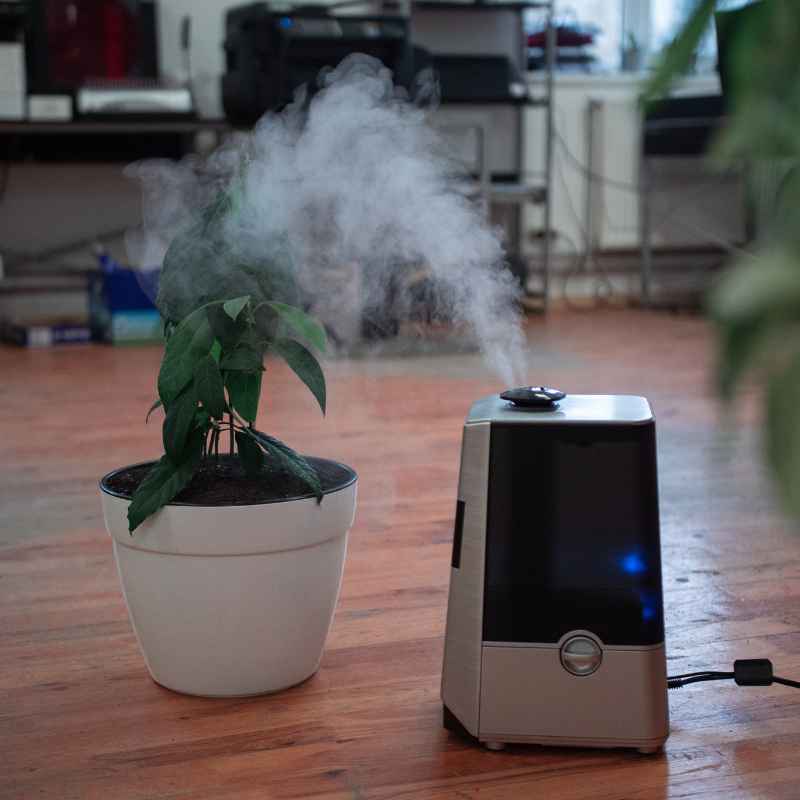
How to Increase Humidity for Plants Without a Humidifier
Increasing humidity for plants without a humidifier is easier than you think, and it can save your tropical houseplants from crispy leaves and brown tips. In this guide, you’ll learn five proven DIY methods that require simple household items and take just minutes to set up.

Bonviee
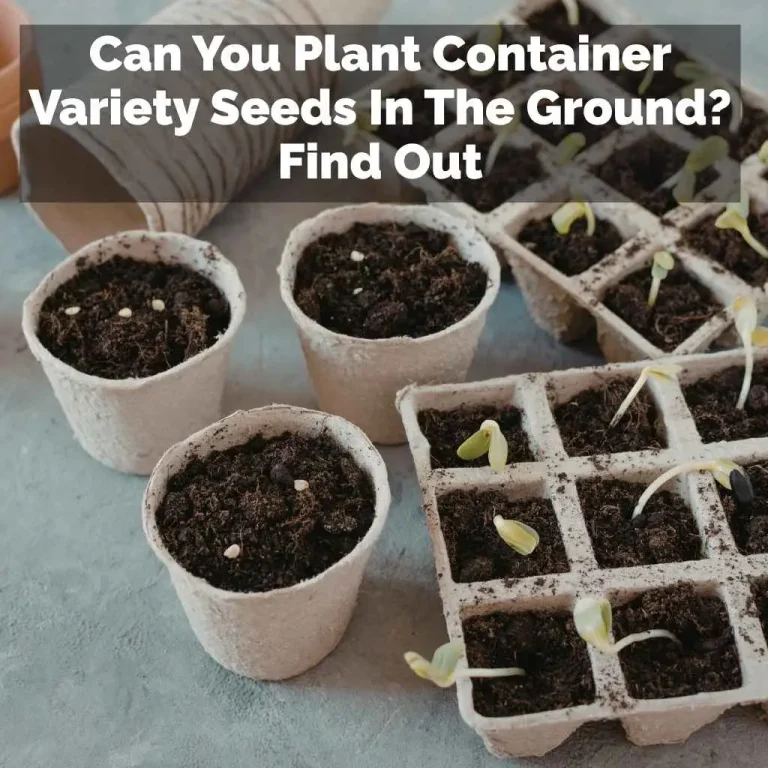
Bonviee Seed Starter Trays with 12-LED Grow…
- 12-LED GROW LIGHT PER TRAY — Each of the five seed starting trays features a full-spectrum grow light with 12 LED beads, providing…
- ADJUSTABLE HUMIDITY CONTROL — Each elevated clear dome has a vented light cover. Retain moisture during germination, then graduall…
- 60 CELLS WITH DRAINAGE HOLES — Five clear 12-cell inserts provide 60 planting spaces. Drain holes move excess water into the clear…
As an Amazon Associate I earn from qualifying purchases.
For the broader gardening context, How Far Is Keller Texas From Fort Worth Botanical Gardens? gives readers a useful next step on the same topic.
Simply put, you can increase humidity for your plants using pebble trays, group clustering, misting, water bowls near heat sources, and even a bathroom steam session. These techniques work well for ferns, orchids, calatheas, and other humidity-loving species without needing a dedicated humidifier.
Key Takeaways
- Increasing humidity for plants without a humidifier is cheap and uses items you already own like trays, pebbles, and spray bottles.
- Grouping plants together creates a natural microclimate that raises moisture levels around them.
- Pebble trays are the most reliable low-maintenance method for consistent humidity.
- Misting alone is the least effective because water evaporates quickly; pair it with other techniques.
- Avoid common mistakes like over-misting, placing plants near dry air vents, or using wet soil alone to raise humidity.

What You Need to Increase Humidity for Plants Without a Humidifier
Before you start, gather a few common household items. Most are already in your kitchen or garden shed. You don’t need to buy special equipment.
- Pebbles or small rocks (any craft store or garden center)
- Shallow trays or saucers (at least 2 inches deep)
- A clean spray bottle (fine mist setting works best)
- Small bowls or cups (ceramic, glass, or metal)
- A thermometer with humidity sensor (optional but helpful)
- Larger plant pots for grouping
Tip: Use distilled or filtered water in your spray bottle and pebble trays. Tap water can leave white mineral deposits on leaves and trays.
Step 1: Create a Pebble Tray – The Most Reliable Method
A pebble tray is a simple, passive way to raise humidity around your plants. As water evaporates from the tray, it creates a moist pocket of air directly around the leaves.
Place a layer of pebbles in a shallow tray, add water until it reaches just below the top of the pebbles, then set your plant pot on top. The water never touches the pot’s drainage holes, so you avoid root rot.
| Aspect | Details |
|---|---|
| Humidity boost | 5%–10% increase within 6–12 inches of the tray |
| Maintenance | Refill water every 2–3 days; clean tray weekly to prevent algae |
| Cost | Under $5 if you already have pebbles and a tray |
The pebble tray method works best when you place several plants close together on one large tray. This amplifies the moisture effect and mimics a natural jungle floor.
Important: Do not use porous pots like terracotta directly on a pebble tray. Terracotta wicks up water and can stay too damp, leading to root issues. Use glazed or plastic pots instead.
Step 2: Cluster Your Plants Together for a Microclimate
Plants naturally release water vapor through their leaves in a process called transpiration. When you group several plants together, they share that moisture and create a microclimate with higher humidity.
Place humidity-loving species like ferns, peace lilies, and pothos within 2–4 inches of each other. A cluster of 4–6 medium-sized plants can raise the surrounding humidity by 5%–15%, according to a study from the University of Vermont.
- Choose a spot with bright indirect light for the cluster.
- Arrange pots so leaves touch or nearly touch.
- Place a shallow water tray in the center of the cluster to add extra moisture.
- Rotate plants weekly so each gets equal light.
- Monitor soil moisture – clustered plants dry out slower.
Warning: Dense clustering can block airflow and lead to fungal issues. Leave at least 1–2 inches of space between pots for ventilation.
Step 3: Try the Bathroom Steam Trick for Quick Relief
The bathroom is naturally the most humid room in your home. You can use this to your advantage without any extra equipment. Simply bring your plants into the bathroom while you shower.
Steam from hot water creates humidity levels above 80% for 15–30 minutes. This gives your plants a fast, intense moisture boost. Do this 2–3 times per week, especially in winter when indoor air is driest.
- Place plants on the bathroom counter or floor – avoid direct water spray.
- Close the bathroom door and let steam build for 10–15 minutes.
- Leave plants in the steamy room for 30 minutes after showering.
- Return them to their normal spot – don’t leave them in constant high humidity overnight.
- Use this method as a supplement to pebble trays or clustering.
The bathroom method is ideal for ferns, orchids, and air plants (tillandsia) that thrive on periodic humidity spikes.
Step 4: Place Water Bowls Near Heat Sources
Heat from radiators, vents, or baseboard heaters dries out the air quickly. You can counteract this by placing bowls of water on or near those heat sources. The warmth accelerates evaporation, sending moisture into the room.
Use shallow ceramic or metal bowls with a wide opening. Fill them with water and place them on a heat source that doesn’t exceed 120°F (49°C) – otherwise, the water may boil too fast. For safety, keep bowls away from electrical outlets and cords.
| Heat Source | Bowls to Use | Safety Note |
|---|---|---|
| Baseboard heater | 1–2 small bowls on top | Keep 6 inches away from thermostat |
| Radiator | Metal containers on the fins | Use a trivet if surface is very hot |
| Floor vent | Wide ceramic bowl on a rack above | Don’t block the vent completely |
One bowl on a radiator can raise humidity by 5–8% in a 10×12-foot room. Combine this with a pebble tray or clustering for better results.
Step 5: Mist Your Plants – But Do It Right
Misting is the most widely known DIY humidity trick, but it’s often done incorrectly. A quick spritz of water on leaves evaporates in minutes, providing negligible humidity boost. However, when done properly, misting helps in other ways.
Misting can clean dust off leaves, improve photosynthesis, and prevent spider mites (which thrive in dry conditions). To make misting effective for humidity, follow these guidelines:
- Use fine mist – coarse droplets roll off leaves without benefit.
- Mist in the morning so water evaporates before night (reduces fungal risk).
- Focus on the air around the plant, not just the leaves.
- Mist 2–3 times per day for consistent moisture – morning, midday, and late afternoon.
- Combine misting with a pebble tray – they work as a team.
Warning: Never mist fuzzy-leaved plants like African violets, begonias, or succulents. Water on their leaves can cause rot, mildew, or permanent spotting.
Other Methods to Increase Humidity Without a Humidifier
Beyond the five main steps, a few extra tricks can help when you need a stronger boost. These are less common but very effective in specific situations.
- Place a glass of water near each plant. Sounds simple, but a wide-mouth jar with warm water can raise humidity 2–3% in a small area.
- Use a damp cloth on radiator covers. Drape a wet towel over a radiator (not directly on the heater) – the heat evaporates water slowly.
- Create a DIY greenhouse. Cover a plant with a clear plastic bag or a glass cloche for 24–48 hours. This traps moisture and is great for propagation.
- Add a water feature. A small tabletop fountain or fish tank adds both humidity and visual appeal. A 5-gallon aquarium can raise humidity 10–15% in a medium room.
- Hang wet laundry indoors. Drying clothes inside releases water into the air. Just avoid harsh detergents that might affect sensitive plants.
Tip: For a quick emergency boost, set a pot of water to boil on the stove (without plants nearby) and let the steam fill the room for 10 minutes. Turn off the stove when done.
Common Mistakes When Increasing Humidity for Plants Without a Humidifier
Many well-intentioned plant parents make mistakes that reduce humidity or harm their plants. Avoid these pitfalls to keep your green friends healthy.
| Mistake | Why It’s Bad | Better Alternative |
|---|---|---|
| Over-misting | Leaves stay wet, encourages mold | Mist lightly; combine with pebble tray |
| Using cold water | Shocks roots and leaves | Use room-temperature water |
| Placing plants near AC vents | Blows dry air, reverses humidity | Move plants to a still-air corner |
| Wet soil for humidity | Overwatering leads to root rot | Use separate water source (tray) |
| Ignoring air circulation | Stagnant moist air invites fungus | Use a small fan on low setting |
Avoid these errors and your humidity-boosting efforts will pay off with lush, glossy leaves instead of brown crisp edges.

Frequently Asked Questions
Can I use a wet towel to increase humidity for plants?
Yes, but only if you place the towel near a heat source like a radiator or a sunny windowsill. A damp towel draped over a warm surface can add 3–5% humidity to a small room. Just wring it out first so it doesn’t drip onto the floor.
How often should I change the water in a pebble tray?
Change the water every 2–3 days to prevent mosquito larvae, algae, and bacterial growth. If you notice funky smells or green slime, clean the tray with diluted vinegar and rinse thoroughly before refilling.
Will misting my plants cause leaf spots?
It can if you mist under direct sun or use hard tap water. Water droplets act like magnifying glasses and can burn leaves. Always mist in morning or evening, and use distilled or rain water to avoid mineral spots.
What’s the fastest way to raise humidity in a room for plants?
The fastest method is boiling a pot of water on the stove for 10–15 minutes. This can spike humidity temporarily to 80–90%. Alternatively, use the bathroom steam trick if your plants are small enough to move.
Do pebble trays really work for increasing humidity for plants without a humidifier?
Yes, they are one of the most effective passive methods. Research from the University of Florida Extension shows that pebble trays can raise relative humidity by 5–10% within a few inches of the tray. For best results, use a large tray with multiple plants clustered together.
Final Thoughts
Increasing humidity for plants without a humidifier is completely doable with pebble trays, plant clustering, and smart use of bathroom steam. Start with one method, like a pebble tray for your most humidity-sensitive plants, then add others as needed. Your ferns, calatheas, and orchids will reward you with vibrant growth and fewer crispy leaves.
Remember to monitor your plants closely – when you see new leaves unfurling without browning, you’ve found the right balance.
Related pick: Check today's price on Amazon