How Adhesion And Cohesion Help Plants Move Water And Materials
Plants are amazing. They can grow tall and strong. But how do they get water to their highest leaves?
It seems like a big puzzle. The answer lies in two special forces. These forces work together inside the plant’s tubes.
They are called adhesion and cohesion. This article will explain these ideas. You’ll see how they help plants move water and other things.
It’s a fascinating process. Knowing this can help you understand your plants better.
The Science of Water Movement in Plants
Plants need water to live. They also need food. This food is made from sunlight and air.
Water helps bring nutrients from the soil. It’s like a delivery service. This service moves things all over the plant.
It goes from the roots to the leaves. It also goes from the leaves back down.
Two main ideas explain this movement. They are adhesion and cohesion. These are science words.
But they describe simple, natural actions. Think of water as tiny little balls. These balls like to stick to things.
They also like to stick to each other. This sticking is key to plant life.
We will explore these two forces. We will see how they work. We will also look at why they are so important.
Understanding this helps us care for our green friends. It shows us nature’s clever ways. Plants are truly masters of engineering.

My Own “Aha!” Moment with Plant Water
I remember visiting a big botanical garden. There was a giant redwood tree. It was incredibly tall.
I stood at the base and looked up. I wondered how water got all the way to the top. It seemed impossible.
Rain falls on the leaves. Roots suck up water from the ground. But how does it travel so far?
I asked a gardener. He smiled and explained about “capillary action.” He mentioned water sticking to things. He talked about water pulling itself up.
At first, it sounded like magic. But he drew a little diagram. He showed water molecules inside a thin tube.
He explained how they climb. That’s when it clicked for me. It wasn’t magic.
It was simple physics. It was adhesion and cohesion at work. That day, I saw plants differently.
I saw them as tiny, powerful machines.
What is Cohesion? Water Sticking Together
Let’s start with cohesion. This is when water molecules stick to each other. Water is made of H2O.
This means one oxygen atom and two hydrogen atoms. These atoms are held together. They form a tiny molecule.
Water molecules have a special attraction. They like to hold hands with other water molecules. This is called hydrogen bonding.
It’s a weak bond, but there are millions of them.
Imagine a long chain of water molecules. Because they stick together, they form a continuous column. This column goes from the roots all the way up.
It travels through tiny pipes in the plant. These pipes are called xylem. Think of xylem like thin straws.
Water travels up these straws.
This sticking together is very strong. It allows water to be pulled up. As water leaves the leaves, it pulls the next water molecule.
This continues all the way down. It’s like a gentle tug-of-war. The water column stays mostly unbroken.
This is thanks to cohesion.
Cohesion: Water’s Teamwork
What it is: Water molecules sticking to each other.
Why it matters: It creates a strong, unbroken column of water. This column can be pulled upwards.
Think of: A chain of friends holding hands tightly.
What is Adhesion? Water Sticking to Other Things
Now let’s talk about adhesion. This is when water molecules stick to other surfaces. Water likes to stick to things like glass or plant cell walls.
The xylem walls are made of cellulose. Cellulose is a material that water likes to cling to. This is adhesion.
Adhesion helps water climb up the xylem walls. Imagine water in a narrow glass tube. The water creeps up the sides a little.
It forms a curved surface at the top. This curve is called a meniscus. This happens because water sticks to the glass.
It’s pulling itself up the sides.
In plants, this adhesion is very helpful. It works with cohesion. Adhesion pulls water up the sides of the xylem.
Cohesion pulls the rest of the water column along. Together, they help water move against gravity. They are a powerful duo.
Adhesion: Water’s Grip
What it is: Water molecules sticking to other surfaces.
Why it matters: It helps water climb up the sides of the plant’s tubes (xylem).
Think of: Water droplets sticking to a window pane.
The Power Couple: Transpiration Pull
Adhesion and cohesion work together. They create a force called transpiration pull. Or sometimes it’s called the transpiration stream.
Plants release water vapor. This happens mostly through tiny pores on leaves. These pores are called stomata.
This process is called transpiration.
When water evaporates from the leaves, it’s like a vacuum is created. The water molecules in the xylem are pulled up. They are pulled to replace the lost water.
This pull is very strong. It’s enough to lift water many feet high. It can even lift water to the top of a tall tree.
Cohesion keeps the water column together. Adhesion helps the water stick to the xylem walls. This prevents the column from breaking.
So, water is constantly being pulled upwards. It moves from the roots, through the stem, to the leaves. This movement is vital for the plant’s survival.
It’s a continuous process.
How Plants Use Water Beyond Just Drinking
Water in plants does more than just hydrate. It’s a transport system. Water carries dissolved minerals.
These minerals come from the soil. They are essential nutrients for the plant. Things like nitrogen, phosphorus, and potassium travel in the water.
The water also carries other things. It can carry sugars. Sugars are made in the leaves during photosynthesis.
These sugars need to be sent to other parts of the plant. Parts that don’t make their own food. Roots and fruits need these sugars.
Water helps move them around. This process is called translocation.
Think of the xylem as the main highway. It moves water and minerals up. There’s another system.
It’s called the phloem. The phloem moves sugars. It moves them both up and down.
But the upward water movement is heavily reliant on adhesion and cohesion. These forces are the engine.
The Journey of Water and Nutrients
From Soil to Leaves: Water and dissolved minerals are absorbed by roots.
Through the Xylem: Adhesion and cohesion pull this mixture up narrow tubes.
At the Leaves: Water is used for photosynthesis or released as vapor (transpiration).
Nutrient Distribution: Minerals are delivered to all plant parts for growth and repair.
Real-World Scenarios: Seeing Adhesion and Cohesion in Action
You can see these forces at work every day. Think about a paper towel. It soaks up spills.
The paper fibers are like the xylem walls. The water sticks to the fibers. That’s adhesion.
The water then spreads through the towel. It pulls more water along. That’s like cohesion helping it move.
Or consider dew drops on a spider web. The drops hold their shape. They don’t just spread out flat.
This is because water molecules stick together tightly. That’s cohesion. They also cling to the silk threads of the web.
That’s adhesion. The water forms little beads.
Even in a simple vase of flowers, you can observe it. If you cut the stems at an angle, they drink water faster. The wider opening helps more water get in.
And if the water level gets low, the flowers wilt. This happens because the water column breaks. The cohesion fails.
The plant can’t pull water up anymore.
Everyday Examples of Plant Water Forces
- Paper Towels: Soaking up liquid through adhesion and cohesion.
- Dew Drops: Water beads on surfaces due to cohesive forces.
- Vase Flowers: Wilting occurs when the water column breaks.
- Ink Pens: Some pen inks use capillary action (adhesion/cohesion) to flow.
The Role of Xylem Structure
The structure of xylem is important. Xylem vessels are very narrow. This is crucial for capillary action.
Capillary action is the combined effect of adhesion and cohesion. In narrow tubes, these forces are stronger relative to gravity. Water can climb higher.
Think about a wide river versus a thin stream. Water flows easily in a wide river. But in a thin stream, the sides have a bigger effect.
The water sticks to the edges. In plants, these xylem tubes are microscopic. They are only a few micrometers wide.
This tiny size makes capillary action very effective.
The xylem also has specialized cells. They are dead at maturity. This forms hollow tubes.
These tubes are ideal for water transport. They offer little resistance to water flow. They are like perfect pipes.
The cell walls provide the surface for adhesion. The column of water itself relies on cohesion.
Quick Scan: Xylem’s Design for Water Flow
| Feature | Benefit for Water Movement |
|---|---|
| Narrow Diameter | Enhances capillary action (adhesion + cohesion) |
| Hollow Tubes (Dead Cells) | Reduces resistance to water flow |
| Cell Wall Composition | Provides surface for water adhesion |
| Continuous Network | Connects roots to leaves for steady transport |
What This Means for Gardeners and Plant Lovers
Understanding adhesion and cohesion can improve how you care for plants. For example, watering correctly is key. Ensure water reaches the roots.
This is where the process begins. Dry soil means no water to pull up.
Avoid letting your potted plants dry out completely. As we saw with the vase of flowers, the water column can break. If the plant dries out too much, the xylem can fill with air.
This can cause air bubbles. These bubbles block water flow. The plant might not recover easily.
Proper pruning can also help. Removing dead or damaged stems ensures the water transport system is intact. A healthy xylem network is vital.
It needs to be continuous. Broken or blocked tubes disrupt the flow. This can weaken the plant.
It can make it more prone to disease.
When Adhesion and Cohesion Might Fail
There are times when these forces struggle. Extreme heat can cause too much transpiration. If the plant loses water faster than it can absorb it, the column can break.
This is called cavitation. Air bubbles form and spread. This is why plants can wilt on very hot, dry days.
Drought is a major stress. It depletes soil moisture. This directly affects the water supply.
The plant then can’t maintain the upward pull. Severe drought can kill plants by breaking the water column permanently.
Certain diseases or pests can damage xylem. They can clog the tubes. This blocks water and nutrient flow.
For example, some fungal diseases attack the xylem. They cause wilting even when water is present. It’s like a plumbing problem in the plant.
Factors Affecting Water Movement
Myth: Plants always have water moving, no matter what.
Reality: Water movement can stop or slow down due to:
- Drought: Lack of water in the soil.
- Extreme Heat: Transpiration rates too high.
- Xylem Damage: Disease or pests blocking tubes.
- Air Bubbles: Cavitation can break the water column.
Quick Tips for Supporting Plant Water Movement
Here are some simple things you can do:
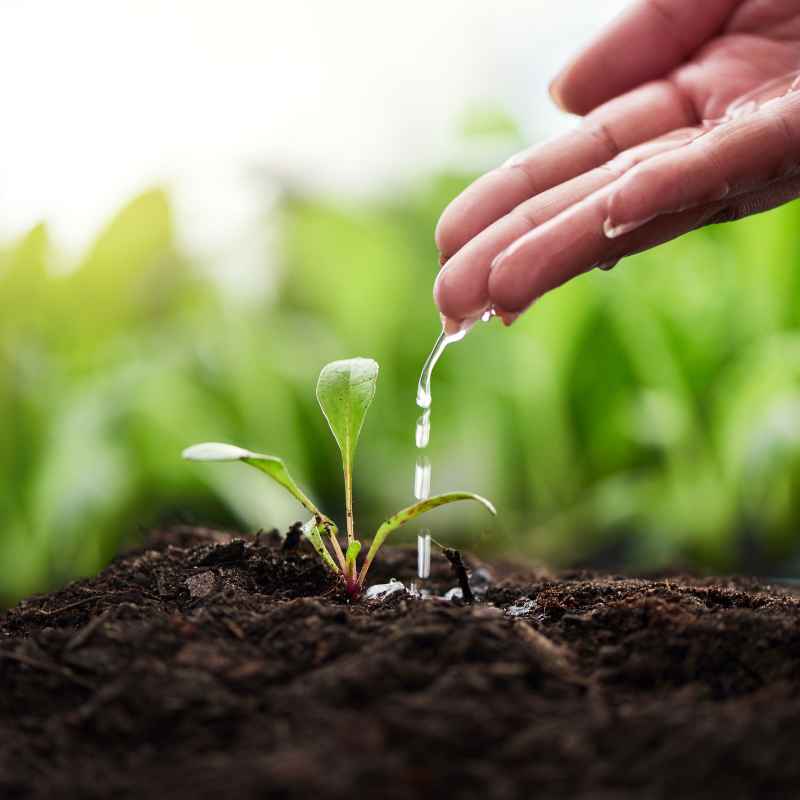
- Water Consistently: Keep soil moist but not waterlogged. Check soil moisture with your finger.
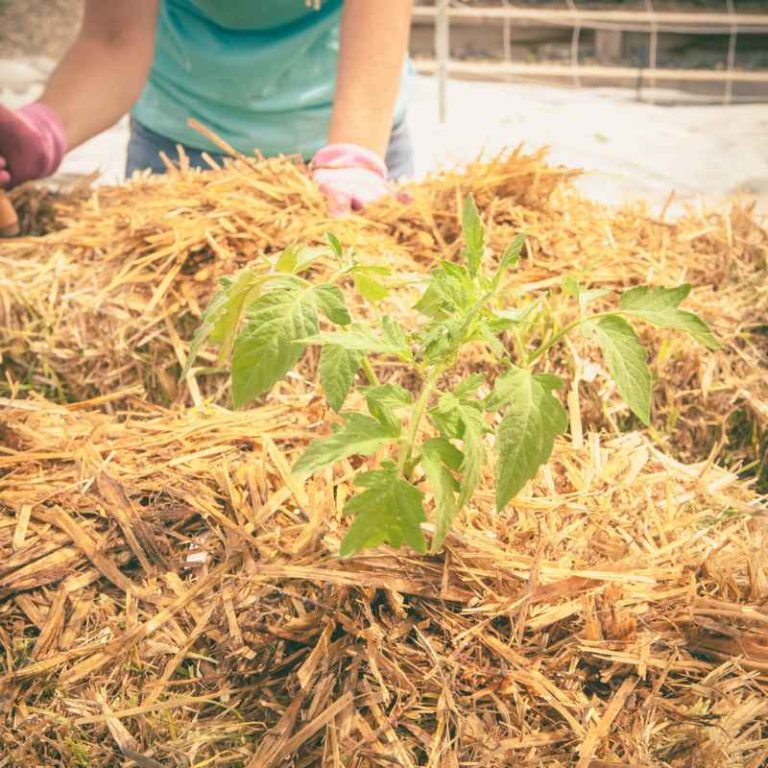
- Mulch Around Plants: Mulch helps soil retain moisture. It also keeps roots cooler.
- Choose the Right Spot: Some plants need shade on hot days. This reduces water loss.
- Inspect for Pests/Diseases: Early detection can save your plant’s water system.
- Prune Wisely: Remove dead branches to keep the xylem healthy.

Frequently Asked Questions about Plant Water Movement
How does water get from the roots to the leaves?
Water moves from the roots to the leaves through tiny tubes called xylem. This happens because of cohesion (water sticking to itself) and adhesion (water sticking to the xylem walls). This creates a pull, like a straw, that lifts water up against gravity.
Transpiration, the release of water vapor from leaves, also helps pull water up.
Is adhesion or cohesion more important for water transport?
Both adhesion and cohesion are equally important. They work together as a team. Cohesion keeps the water column strong and unbroken.
Adhesion helps the water climb up the sides of the xylem tubes. Without one, the other wouldn’t be as effective. They are a dynamic duo for plant survival.
What happens if the water column breaks in the xylem?
If the water column breaks, it’s called cavitation. Air bubbles form in the xylem. These bubbles block water flow.
The plant can no longer pull water up effectively. This can lead to wilting. Severe cavitation can damage the plant or even kill it.
It’s like a blockage in a pipe.
Can plants move water downwards too?
Yes, plants do move water and other materials downwards. Water moves downwards primarily through the phloem system. This system carries sugars made during photosynthesis.
These sugars are sent to roots and other parts of the plant. Water is a solvent and moves with these sugars.
Does the sun directly help pull water up?
The sun doesn’t directly pull water up. But it’s essential for transpiration. The sun’s energy heats the leaves.
This causes water to evaporate from the stomata. This evaporation creates the transpiration pull. This pull is what draws water up through the xylem, thanks to adhesion and cohesion.
Why is water important for plant growth beyond just hydration?
Water is vital for many plant functions. It’s the solvent for minerals absorbed from the soil. It’s a key ingredient in photosynthesis.
Water helps keep plant cells firm, supporting their structure. It also helps transport sugars and other nutrients throughout the plant.
The Marvel of Water in Plants
It’s truly remarkable how plants move water. The simple forces of adhesion and cohesion create a powerful system. This system sustains life.
It allows plants to grow tall and strong. It helps them bring nutrients from the soil. It also helps them share food with all their parts.
These concepts explain a fundamental part of nature. They show how even small forces can achieve great things.