When to Plant Daffodil Bulbs in Ohio for Spring Blooms
Every spring, Ohio landscapes burst into color with cheerful daffodil blooms, a sure sign that winter has finally loosened its grip. These iconic flowers, beloved for their bright yellow, white, or orange trumpets, not only symbolize renewal but are also among the easiest and most rewarding bulbs to grow in Ohio’s diverse climate.
For both novice and experienced gardeners, the real magic happens beneath the soil months before the blooms arrive. Planting daffodil bulbs at the right time is the single most important factor in achieving a spectacular spring display.
Yet, timing can be confusing. Ohio’s unique blend of USDA hardiness zones, fluctuating autumn temperatures, and sometimes unpredictable weather patterns mean that knowing exactly when to plant daffodil bulbs in Ohio is not as straightforward as simply “before the first frost.” In this comprehensive guide, we’ll break down the science and art behind timing your daffodil planting, explore the factors that make Ohio special, and give you concrete, actionable steps to guarantee a vibrant, low-maintenance daffodil show year after year.
Key Takeaways
- Plant daffodil bulbs in Ohio between late September and late October for optimal spring blooms.
- Soil temperature, not just air temperature or calendar date, is key—target 50-60°F at planting depth.
- Timing varies across Ohio due to different USDA zones; northern regions plant earlier, southern regions later.
- Proper bulb selection, site preparation, and planting depth are crucial for healthy, long-lasting blooms.
- Real-world examples show how adjusting planting windows improves flower quality and longevity.
- Follow aftercare tips for reliable daffodil returns and naturalizing success in Ohio gardens.

Credit: artoffrozentime.com
Understanding Ohio’s Climate And Daffodil Growth Cycles
Ohio covers a wide range of USDA hardiness zones, from Zone 5 in the north to Zone 6b in the south. These distinctions greatly impact the best planting window for daffodil bulbs. To succeed, it’s important to match daffodil biology with Ohio’s seasonal rhythms.
Ohio’s Usda Hardiness Zones
Ohio is split into three primary USDA hardiness zones:
- Zone 5a/5b: Northern and central regions (e.g., Cleveland, Toledo, Akron)
- Zone 6a: Central and some southern areas (e.g., Columbus, Dayton)
- Zone 6b: Southern Ohio (e.g., Cincinnati, Portsmouth)
These zones reflect average minimum winter temperatures:
| Region | USDA Zone | Average Min. Temp (°F) | Recommended Planting Window |
|---|---|---|---|
| Northern Ohio | 5a/5b | -20 to -10 | Late Sept – Early Oct |
| Central Ohio | 6a | -10 to 0 | Early – Mid Oct |
| Southern Ohio | 6b | 0 to -5 | Mid – Late Oct |
Daffodils require a period of cool dormancy to trigger spring blooming. Planting too early can promote rot or premature growth; too late, and bulbs may not establish roots before the ground freezes.
Microclimates In Ohio
Ohio’s varied topography and proximity to Lake Erie in the north mean that microclimates can further affect planting time. Urban areas often retain more warmth—an effect known as the “urban heat island”—which can slightly extend the planting window compared to rural surroundings.
For example, gardeners in downtown Columbus may find their soil temperatures remain optimal for daffodil planting a week or two later than those in nearby suburbs or countryside. Taking note of your own garden’s microclimate—such as exposure, shading, and windbreaks—can help you fine-tune planting times for maximum success.
Daffodil Bulb Growth Cycle
Understanding the daffodil’s life cycle helps explain the importance of planting time:
- Root Development: After planting in cool fall soil, bulbs quickly establish roots. This root development is crucial as it allows the bulb to anchor itself and draw moisture and nutrients needed for the upcoming dormant period.
- Winter Chilling: Bulbs remain dormant but require cold exposure for healthy flowering. This chilling period, known as vernalization, is essential for triggering the biochemical processes that lead to robust flower development.
- Spring Emergence: As soil warms, stems and leaves push up; flowers soon follow. The energy stored from the previous year fuels this rapid growth, leading to those classic, showy blooms.
- Post-Bloom Growth: Leaves gather energy for next year, then die back by early summer. The foliage acts as a “solar panel,” converting sunlight into stored energy for the bulb’s next life cycle.
The ideal planting time in Ohio is when soil temperatures at 6 inches deep remain between 50°F and 60°F, typically from late September to late October, depending on your location.
Why Chilling Matters
Without sufficient chilling, daffodils may produce foliage but fail to bloom, or blooms may be weak and malformed. This is why fall planting is non-negotiable in regions like Ohio, where winters are cold enough to meet this requirement.
Weather Patterns In Ohio
Ohio’s autumns can be unpredictable. Sudden cold snaps or warm spells may shift the ideal planting window by a week or more. Use a soil thermometer or check local weather data to adjust your planting schedule as needed.
In some years, a warm autumn might delay optimal planting until mid-October, while a sudden early frost could push you to plant earlier. Monitoring both long-range forecasts and soil temperatures weekly from mid-September through October is a gardener’s best insurance policy.
Case Study: Cleveland Vs. Cincinnati
A gardener in Cleveland (Zone 5b) plants daffodil bulbs the last week of September, while a gardener in Cincinnati (Zone 6b) waits until the third week of October. Both enjoy robust blooms in spring, with minimal winter loss, by aligning planting time with local soil temperatures rather than a fixed calendar date.
This regional difference highlights the importance of not relying solely on the calendar—soil temperature and local climate conditions are more reliable indicators than a one-size-fits-all approach. In years with unseasonably warm or cool autumns, successful gardeners pivot based on current conditions.
Credit: www.longfield-gardens.com
Best Time To Plant Daffodil Bulbs In Ohio
When it comes to planting daffodil bulbs for optimal spring blooms, timing is everything. Let’s dig deeper into what “fall planting” really means for Ohioans.
Ideal Planting Dates By Region
Ohio’s north-south stretch means planting dates can vary by up to a month. Here’s a regional breakdown:
- Northern Ohio: Late September to early October
- Central Ohio: Early to mid-October
- Southern Ohio: Mid to late October
It’s crucial to plant 2-4 weeks before the ground freezes. This allows bulbs to establish roots but prevents premature top growth. The window also ensures bulbs are not exposed to warm soil for too long, reducing the risk of rot and disease.
Using Local Resources
Many county extension offices, like the [Ohio State University Extension](https://ohioline.osu.edu/factsheet/hyg-1132), publish weekly soil temperature reports during the fall, which can be invaluable for pinpointing the perfect planting window in your area.
Soil Temperature Is Key
Don’t rely solely on air temperature or first frost dates. Soil temperature is a more reliable indicator.
- Plant when soil at bulb depth (6 inches) is consistently 50–60°F
- Use a soil thermometer or check the National Weather Service for local soil data
If planted too early, bulbs may sprout and be damaged by frost. Too late, and they won’t root properly.
Soil Thermometer Tips
Insert the thermometer to the full 6-inch depth in several locations around your garden, preferably in the morning. Record the readings for a few days in a row to confirm the soil has stabilized within the target range.
Signs It’s Too Late (or Too Early)
- Too Early: Warm soils, bulbs may rot, foliage may emerge before winter. Early sprouting can also make bulbs more susceptible to freeze damage, reducing next spring’s bloom quality.
- Too Late: Ground is hard/frozen, poor root growth, weaker spring blooms. Late-planted bulbs may survive but will likely be slow to establish, increasing the risk of pest and disease issues.
Impact Of Early Vs. Late Planting
| Planting Time | Root Development | Bloom Quality | Winter Survival |
|---|---|---|---|
| Too Early (Aug–early Sept) | Poor (rot risk) | Weak, possible disease | Low |
| Optimal (late Sept–Oct) | Strong | Full, vibrant | High |
| Too Late (Nov+) | Poor (minimal roots) | Small, sparse | Low |
Real-world Example: Columbus Community Garden
In 2026, the Franklin Park Conservatory in Columbus coordinated a daffodil planting event. By following the early October guideline and checking soil temperatures, community gardeners reported nearly 95% bulb survival and impressive spring displays. Contrast this with a nearby group that planted in mid-November—only 60% of bulbs flowered, and blooms were smaller.
This example demonstrates the tangible benefits of proper timing: healthier bulbs, more consistent and vibrant blooms, and higher overall garden satisfaction.
Selecting And Preparing Daffodil Bulbs For Ohio Gardens
Choosing healthy bulbs and preparing your planting site are as important as timing. Ohio’s variable soils and weather demand careful selection and preparation.
How To Choose Quality Daffodil Bulbs
Look for the following when buying bulbs:
- Firmness: Should feel solid, not mushy or soft. Squeeze each bulb gently; discard any that feel spongy or show signs of collapse.
- Size: Bigger bulbs yield larger flowers. Large, mature bulbs are more likely to bloom the following spring, while smaller bulbs may require an additional year to reach flowering size.
- No Mold or Damage: Avoid bulbs with visible rot, cuts, or mold. Healthy bulbs will have dry skins but no soft spots or obvious blemishes.
- Reputable Source: Buy from trusted local nurseries or online sellers such as Breck’s Bulbs or Holland Bulb Farms.
Storage Tips
If you purchase bulbs early, store them in a cool, dry, and well-ventilated area until planting. Avoid plastic bags or airtight containers that can trap moisture and promote mold growth.
Daffodil Varieties Suited For Ohio
Ohio’s climate supports a wide range of daffodil types. Consider these varieties:
- Trumpet Daffodils: Classic, large flowers, early bloomers. Examples include ‘Dutch Master’ and ‘King Alfred.’
- Large-cupped Daffodils: Many color patterns, mid-spring. Varieties like ‘Ice Follies’ and ‘Carlton’ are both reliable and showy.
- Small-cupped Daffodils: Suitable for naturalizing. ‘Barrett Browning’ and ‘Dreamlight’ offer delicate beauty.
- Double Daffodils: Extra showy, frilled petals. Try ‘Tahiti’ or ‘Cheerfulness’ for a dramatic effect.
- Jonquils and Tazettas: Fragrant, often multi-flowered. These include ‘Quail’ and ‘Minnow,’ perfect for cutting gardens.
For reliability, choose varieties labeled as hardy in Zones 5-6.
Mixing Varieties
By planting a mix of early, mid, and late-blooming types, you can enjoy a continuous wave of color from late March through early May, even in the face of unpredictable spring weather.
Soil Preparation Tips
Daffodils tolerate many soils but thrive in well-drained, slightly acidic to neutral soil (pH 6.0–7.0). Here’s how to prep your site:
- Test the Soil: Use a test kit or send a sample to the Ohio State University Extension. This helps you identify pH imbalances or nutrient deficiencies before planting.
- Loosen Soil: Dig to 12 inches, remove rocks and debris. Loosening soil allows roots to penetrate more easily and ensures better drainage.
- Amend as Needed: Add compost or peat moss for drainage; lime or sulfur to adjust pH. In heavy clay, incorporate coarse sand or expanded shale to further boost drainage.
- Avoid Wet Spots: Soggy soil increases rot risk. If your site is prone to flooding or standing water, consider building raised beds or berms.
Fertility Boost
Mixing a slow-release, low-nitrogen bulb fertilizer into the planting area can provide a gentle nutritional boost, especially in soils that have not been amended recently.
Real-world Example: Dayton Backyard Makeover
A Dayton homeowner transformed a compacted lawn into a spring daffodil meadow by tilling, amending with compost, and using a raised bed in a low area. Her bulbs thrived, and the meadow returned stronger every year.
This demonstrates the payoff of proper preparation: improved drainage, better root development, and stronger, more resilient daffodils.
Credit: www.sciotogglandscaping.com
Step-by-step Guide To Planting Daffodil Bulbs In Ohio
Proper planting technique, combined with correct timing, sets your bulbs up for success. Follow these essential steps for Ohio’s conditions.
1. Gather Tools And Supplies
- Quality daffodil bulbs
- Trowel or bulb planter
- Compost or well-rotted manure
- Mulch (shredded leaves, straw, or bark)
- Soil thermometer
- Garden gloves
- Plant labels or markers
2. Determine Planting Depth And Spacing
- Depth: 6–8 inches deep (measured from bulb base). In sandy soils, aim for the deeper end of the range; in clay, stay closer to 6 inches to minimize rot risk.
- Spacing: 4–6 inches apart for mass plantings; up to 8 inches for naturalized look. Denser plantings create fuller displays but may require more frequent division in future years.
3. Planting Steps
- Dig Holes or Trench: For groups, a trench makes planting easier and speeds up the process.
- Add Organic Matter: Place a thin layer of compost at the bottom to boost fertility and drainage.
- Set Bulbs Pointy Side Up: Roots should touch the compost/soil. Planting upside-down delays emergence and weakens blooms.
- Backfill and Firm Soil: Fill with soil and gently press down to eliminate air pockets that could dry out roots.
- Water Thoroughly: Helps settle soil and activate root growth. One deep watering is usually sufficient unless autumn is unusually dry.
Group Planting For Impact
Planting daffodils in clusters of 5–10 bulbs creates more dramatic drifts of color than scattering bulbs singly. Aim for odd-numbered groupings for the most natural look.
4. Mulch And Protect
- Apply 2–3 inches of mulch after planting to insulate bulbs and prevent soil crusting. Organic mulches like shredded leaves also break down to feed the soil.
- For areas with heavy squirrel or rodent activity, consider placing a wire mesh over the planting bed until the ground freezes. This deters digging without harming wildlife.
5. Mark Your Plantings
- Use plant markers or stakes to remember where bulbs are located. This is especially helpful if you plan to add other plants in spring or need to avoid disturbing bulbs during early spring gardening.
Planting In Containers
Daffodils can thrive in pots if you:
- Use a container at least 10–12 inches deep
- Ensure excellent drainage (add a layer of gravel or broken pottery at the base)
- Use high-quality, well-draining potting mix
- Overwinter pots in an unheated garage or bury pots in the ground to protect bulbs from extreme cold
Container Combinations
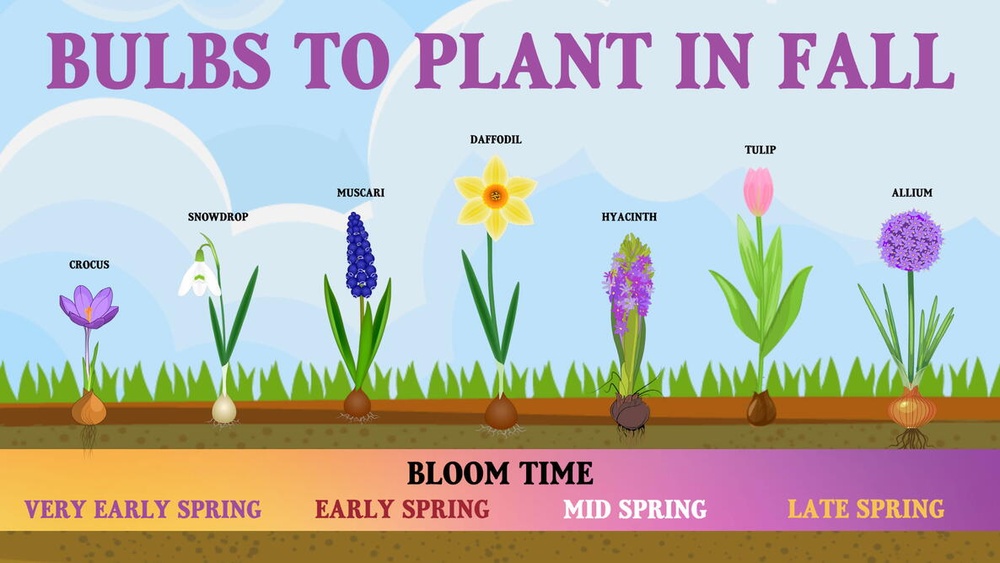
Try layering daffodil bulbs with other spring bloomers like crocuses or grape hyacinths for a “bulb lasagna” effect, giving you successive waves of color.
Example: Schoolyard Project In Akron
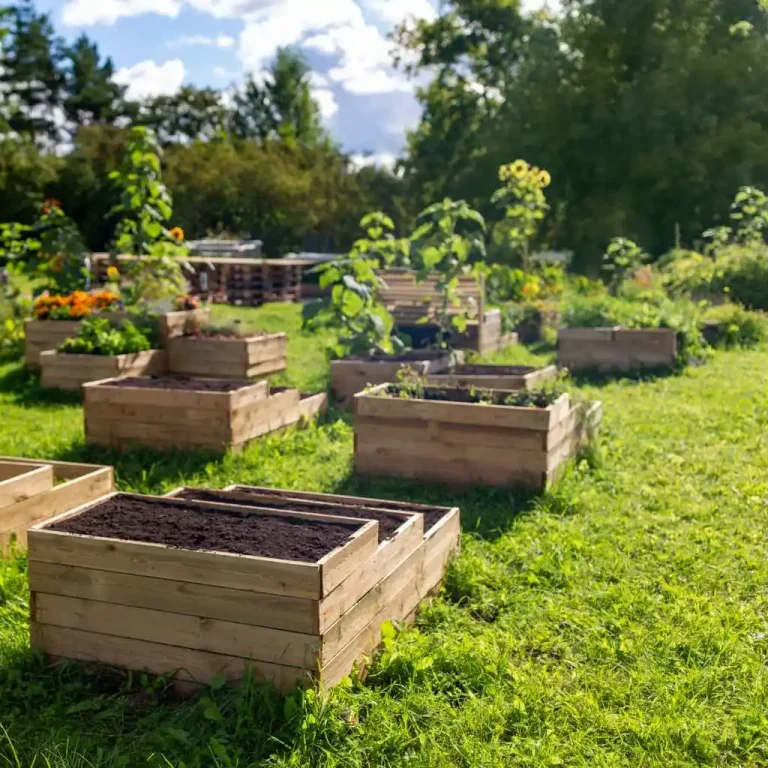
A fifth-grade class planted daffodil bulbs in raised beds following this step-by-step method. By spring, nearly every student’s bulb bloomed, providing a learning opportunity and a beautiful display for the community.
This example highlights how easy and rewarding daffodil planting can be for all ages and skill levels.
Caring For Daffodils After Planting: Fall Through Spring
Once bulbs are in the ground, a few key steps ensure their health and longevity in Ohio’s climate.
Fall And Winter Aftercare
- Water after planting if soil is dry; avoid overwatering. Too much moisture can lead to bulb rot.
- Mulch: Helps moderate soil temperature and moisture. Refresh mulch if it becomes compacted or blows away in winter winds.
- Avoid Disturbance: Keep off beds to prevent soil compaction. Marking the beds helps children and pets avoid trampling emerging shoots.
Snow Cover Benefits
Don’t worry if winter brings heavy snow—this acts as natural mulch, protecting bulbs from temperature swings and frost heaving.
Early Spring Maintenance
- Remove mulch as shoots emerge to prevent rot and allow sunlight to warm the soil.
- Fertilize lightly with a balanced bulb food or bone meal when shoots are 2–3 inches tall. Avoid high-nitrogen fertilizers, which promote foliage at the expense of blooms.
- Weed by hand to avoid disturbing emerging bulbs. Mulch helps suppress weeds, but gentle hand-pulling is safest around tender shoots.
Post-bloom Care
- Deadhead spent flowers to direct energy into bulb, not seed formation. Simply pinch or cut off faded blooms.
- Leave foliage until yellowed and floppy—this allows bulbs to store energy for next year’s bloom.
- Do not braid or tie foliage; this reduces photosynthesis. Let leaves die back naturally, even if it looks messy for a few weeks.
Mowing Lawns With Naturalized Daffodils
Delay mowing until all daffodil foliage has yellowed, usually six weeks after flowering, to avoid weakening bulbs.
Managing Pests And Diseases
- Squirrels and deer: Rarely eat daffodil bulbs (they’re toxic), but may dig them up out of curiosity. Mulching and mesh can deter digging.
- Bulb rot: Prevent by ensuring good drainage and not planting in wet soils. Avoid low spots that collect water.
- Narcissus bulb fly and nematodes: Uncommon, but remove and destroy affected bulbs promptly to prevent spread.
Disease Prevention
Rotate bulb plantings every few years if you notice recurring problems, and avoid replanting daffodils in the same spot where diseased bulbs were removed.
Real-world Example: Cincinnati Community Park
Volunteers noticed that daffodil beds near a poorly drained slope suffered from rot and sparse blooms. By amending the soil and moving bulbs to a better-drained spot, the next spring’s display was dramatically improved.
This example underscores the importance of site selection and drainage, which are often overlooked but critical to daffodil health.
Maximizing Daffodil Blooms: Advanced Tips For Ohio Gardeners
With basics mastered, Ohio gardeners can use these advanced strategies to enjoy bigger, longer-lasting daffodil displays.
Stagger Planting For Extended Bloom Time
Daffodils come in early, mid, and late-season varieties. Plant a mix to stretch your bloom period over six weeks or more.
Example Bloom Sequence
- Early: ‘February Gold’ (blooms late March/early April)
- Mid: ‘Carlton’ and ‘Ice Follies’ (mid-April)
- Late: ‘Actaea’ and ‘Thalia’ (late April/early May)
This sequencing creates a continuously evolving landscape, maximizing visual interest.
Naturalizing Daffodils In Lawns And Woodlands
Daffodils are excellent for naturalizing—spreading and returning year after year with little maintenance.
- Choose small-cupped or jonquil types for meadows.
- Plant in irregular drifts, not straight rows, for a more natural look.
- Allow foliage to die back before mowing (wait at least 6 weeks post-bloom).
Woodland Planting
In lightly wooded areas, plant daffodils under deciduous trees. They’ll bloom before the trees leaf out, taking advantage of early spring sunlight.
Companion Planting For Impact And Pest Management
Pair daffodils with:
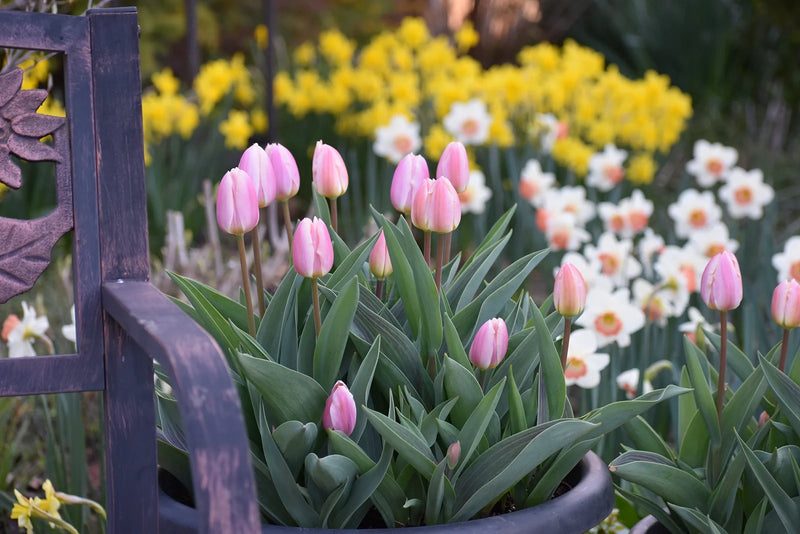
- Tulips and hyacinths for a colorful spring bulb mix.
- Hostas and ferns to hide fading foliage.
- Alliums or fritillaries for added diversity and pest deterrence.
Pollinator Support
Combining daffodils with other early-spring pollinator-friendly plants, such as crocuses and scilla, creates a valuable early-season nectar source for bees.
Fertilizing And Dividing Established Clumps
- Fertilize established daffodils in early fall and again after flowering with a low-nitrogen bulb food.
- Divide overcrowded clumps every 4–5 years (lift after foliage dies, replant healthy bulbs). Overcrowding can lead to fewer blooms as bulbs compete for nutrients.
Division Tip
Use a garden fork to gently lift bulbs, separate offsets, and immediately replant for best results.
Troubleshooting Common Problems
- No Blooms: Caused by too much shade, overcrowding, or premature foliage removal.
- Stunted Growth: Often due to poor soil, insufficient chilling, or bulb rot.
- Scattered or Weak Flowers: Indicates need for division, fertilization, or improved site conditions.
Additional Troubleshooting
If daffodils send up only leaves and not flowers, check if nearby trees or shrubs have grown and now shade the bed. Daffodils require at least 6 hours of sun in early spring.
Example: Toledo Botanical Garden
The Toledo Botanical Garden maintains thousands of daffodils using a rotational division schedule, regular mulching, and by planting in groups of 25–50 bulbs per drift. Their approach yields a striking, naturalized look and reliable blooms year after year.
This demonstrates the scalability of daffodil planting, from home gardens to public displays.
Daffodil Bulb Planting Calendar For Ohio (sample Schedule)
To simplify planning, use this sample calendar for planting daffodil bulbs in different regions of Ohio:
| Region | USDA Zone | Recommended Planting Dates | Soil Temperature Goal |
|---|---|---|---|
| Northern Ohio | 5a/5b | Sept 25 – Oct 10 | 50–60°F |
| Central Ohio | 6a | Oct 1 – Oct 20 | 50–60°F |
| Southern Ohio | 6b | Oct 15 – Oct 31 | 50–60°F |
Check your local forecast and soil thermometer to fine-tune these dates each year. For a more detailed, interactive planting calendar, visit the Old Farmer’s Almanac.
Quick Checklist Before Planting
- Check your USDA zone and soil temperature
- Buy healthy, large bulbs from reputable sources
- Prepare soil: Loosen, amend, and ensure drainage
- Mark planting spots for easy identification in spring
- Stagger varieties for a long-lasting display
Frequently Asked Questions
When Is The Absolute Latest I Can Plant Daffodil Bulbs In Ohio?
Ideally, plant daffodil bulbs by late October. If soil isn’t frozen and temperatures at planting depth are above 40°F, you can plant as late as early November in southern Ohio. However, late-planted bulbs may have smaller blooms or fewer flowers their first spring.
For best results, stick to the September–October window.
Can I Plant Daffodil Bulbs In The Spring For Blooms The Same Year?
No, daffodil bulbs planted in spring will not bloom until the following year. They require a period of cool dormancy (winter chilling) to trigger flowering. Spring-planted bulbs may not establish roots well and could be more vulnerable to rot or pests.
How Deep Should I Plant Daffodil Bulbs In Heavy Clay Soil?
In heavy clay, plant slightly shallower—about 6 inches deep instead of 8—to prevent rot. Improve drainage by mixing in compost or coarse sand. Never let bulbs sit in soggy soil, as this is the leading cause of bulb failure in Ohio.
How Many Years Will Daffodils Bloom In The Same Spot?
Daffodils can bloom for 10 years or more in the same spot if given proper care. To ensure longevity, allow foliage to die back naturally, fertilize after blooming, and divide clumps every 4–5 years if blooms become sparse. Some naturalized daffodils persist for decades.
Are Daffodils Deer And Rodent Resistant?
Yes, daffodils are deer and rodent resistant. The bulbs and foliage contain lycorine, a toxic alkaloid that makes them unpalatable to deer, squirrels, and voles. This makes daffodils a reliable choice for Ohio gardens plagued by wildlife.
Additional Resources For Ohio Gardeners
- Ohio State University Extension: Planting Flower Bulbs
- National Gardening Association: Daffodil Basics
- Royal Horticultural Society: Daffodil Growing Guide
Planting daffodil bulbs in Ohio is a simple, satisfying way to brighten your spring landscape year after year. By focusing on the right timing, careful bulb selection, and a bit of aftercare, you’ll enjoy a spectacular, low-maintenance floral display that can last for generations.
Start planning now, and let Ohio’s unpredictable weather work for you—not against you—by harnessing the science of daffodil planting at just the right moment.