When Should You Plant Daffodil Bulbs for Spring Color?
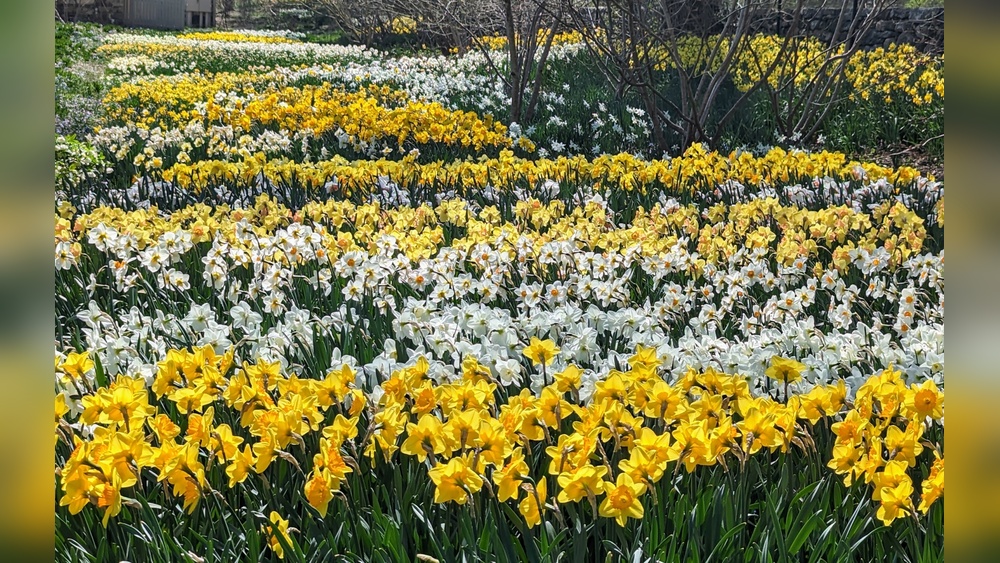
Daffodils are among the first blooms to signal the arrival of spring, their golden trumpets lighting up gardens, parks, and countryside meadows after a long winter. But the secret to achieving a vibrant display of daffodils lies not only in their selection but, crucially, in timing the planting of their bulbs. Gardeners from beginners to seasoned horticulturists often wonder: When is the optimal window to plant daffodil bulbs for the most spectacular spring color?
Understanding the factors that influence bulb development, bloom timing, and long-term garden health is essential. Whether you’re planting a mass of daffodils for curb appeal, naturalizing them in a woodland setting, or adding a cheerful accent to containers, your success hinges on when and how you plant.
This guide explores the science, regional variations, practical steps, and expert strategies to ensure your spring daffodils are nothing short of breathtaking.
Key Takeaways
- Daffodil bulbs should be planted in the fall, ideally 2-4 weeks before the first hard frost, to ensure root development before winter.
- Regional climate and soil temperature are critical: Southern gardeners may plant later than those in the North.
- Planting depth, bulb health, and site selection are as important as timing for robust spring blooms.
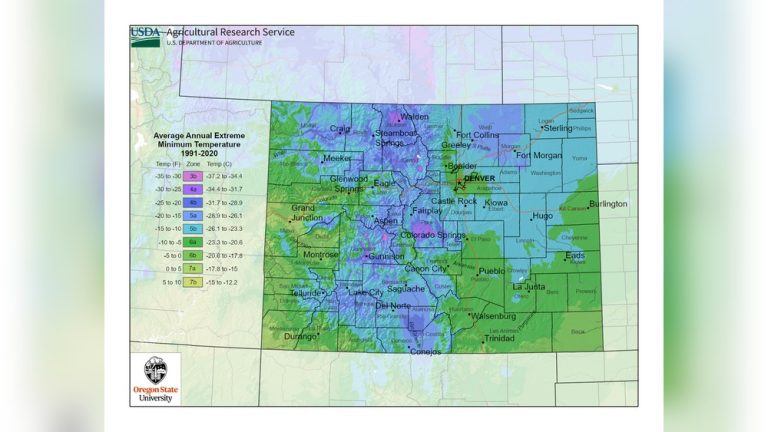
- Chilling requirements must be met, especially in warm climates; pre-chilled bulbs may be necessary in USDA zones 9-10.
- Staggered planting and variety selection can extend the blooming season for continuous spring color.
- Proper care after planting and post-bloom maintenance ensure daffodils thrive for years to come.
Credit: www.longfield-gardens.com
Understanding Daffodil Bulb Biology And Blooming Cycle
Daffodils (Narcissus spp. ) Are perennial bulbs that store energy during the growing season to fuel the following spring’s flowering. To master the timing of planting, it’s crucial to grasp their biological cycle and requirements.
The Dormancy And Growth Cycle
Daffodil bulbs enter dormancy during the summer, conserving energy underground. As temperatures cool in fall, they awaken, sending out roots to anchor and nourish themselves before winter sets in. The chilling period of cold soil is vital for triggering flower formation and vigorous spring growth.
Daffodil bulbs are composed of tightly packed scales that protect the embryo flower and leaf shoot inside. During dormancy, these scales conserve nutrients and moisture, allowing the bulb to survive dry and warm summer conditions. When autumn arrives and soil temperatures drop, the bulbs begin to metabolize stored carbohydrates, which fuel root growth.
This root development is essential for absorbing water and minerals during the winter months, setting the stage for explosive growth when spring arrives.
Chilling Requirements Explained
Most daffodil varieties need a chilling period of 12-16 weeks at soil temperatures between 35°F and 50°F (1.5°C-10°C) to develop strong flower stems and prevent “blind” (non-flowering) bulbs. This natural cold exposure simulates their native habitat in Europe and the Mediterranean.
For example, daffodils planted in areas with mild winters may not receive enough cold to break dormancy properly, resulting in lush foliage but few or no flowers. This is why chilling requirements are particularly important in warm climates. Some hybrid varieties have been bred to require less chilling, making them more suitable for southern gardens, but most classic types still need extended cold to flower reliably.
Why Fall Planting Is Crucial
Planting daffodil bulbs in the fall—well before the ground freezes—allows them to establish a robust root system. This ensures they’re ready to surge into growth with the first signs of spring warmth. Late planting can result in weak roots, stunted growth, or even bulb rot.
The timing of planting also affects the synchronization of bloom. Bulbs planted too late may emerge unevenly, with sporadic flowering or shortened stems. If the ground freezes before bulbs are able to root, they may fail to anchor themselves properly, increasing susceptibility to frost heaving and animal disturbance.
Example: The Netherlands Bulb Industry
The Netherlands, the world’s largest bulb exporter, has perfected the art of fall planting for optimum spring blooms. According to the Royal Horticultural Society, Dutch growers time planting to coincide with consistently cool temperatures, leading to the famed Dutch daffodil fields.
Dutch growers often use sophisticated temperature monitoring and soil analysis to determine the exact moment for planting. This precision is reflected in the uniformity and vigor of their daffodil displays, which attract visitors from around the globe and set industry standards for bulb production.
Best Time To Plant Daffodil Bulbs By Region
Timing isn’t one-size-fits-all; it depends on your local climate, first frost dates, and soil conditions. Below is a detailed breakdown by US region.
Northern And Northeastern Us (usda Zones 3-6)
- Ideal Planting Window: Early to mid-fall (September through October)
- Rationale: These regions experience early frosts and prolonged winters. Plant bulbs as soon as nighttime temperatures consistently drop below 60°F (15°C).
- Tips: Check local frost dates using resources like the Old Farmer’s Almanac. Planting too late risks frozen ground before roots can develop.
In these regions, daffodils benefit from the long, cold winter which helps meet their chilling requirements naturally. Experienced gardeners often look for cues from nature—such as the first leaves falling or a series of crisp nights—to signal the start of the bulb planting season.
Midwest And Central Us (usda Zones 4-7)
- Ideal Planting Window: Mid-September to early November
- Rationale: The Midwest’s variable fall temperatures offer a longer window, but planting before Halloween is generally safe.
- Tips: If autumn is unusually warm, wait until soil cools to 55°F (13°C).
Midwestern gardeners often face unpredictable weather, so flexibility is key. Some choose to stagger planting dates to hedge against early frosts or warm spells. In areas where soil freezes deeply, mulching is especially important to protect bulbs from extreme cold.
Southern Us (usda Zones 7-9)
- Ideal Planting Window: Late October through December
- Rationale: Southern soils stay warmer longer, so bulbs can be planted later. However, bulbs still need 12-16 weeks of cool soil.
- Tips: For the Deep South (Zone 9), choose early-blooming or heat-adapted daffodil cultivars, or pre-chill bulbs in the refrigerator for 8-10 weeks before planting.
In southern gardens, it’s wise to select cultivars known for their heat tolerance, such as ‘St. Keverne’ or ‘Trevithian’. Additionally, gardeners may use shade cloth or mulch to moderate soil temperatures and help bulbs establish.
Western Us And Pacific Northwest
- Ideal Planting Window: September through November
- Rationale: Milder winters allow flexibility, but fall rains can encourage strong root growth.
- Tips: Avoid planting in waterlogged soils to prevent bulb rot.
Pacific Northwest gardeners often deal with heavy rainfall, so ensuring good drainage is vital. Raised beds, gravel amendments, and strategic placement are frequently employed to keep bulbs from sitting in saturated soil.
Warm Winter Climates (usda Zones 9-10)
- Special Consideration: Daffodils need cold to bloom. In frost-free regions, pre-chill bulbs at 40-45°F (4.5-7°C) for at least 8 weeks before planting.
- Best Practice: Plant pre-chilled bulbs in late December or early January for spring color.
Gardeners in these regions often set reminders to begin chilling bulbs in early fall so they’re ready for planting at the right time. Some local nurseries offer pre-chilled bulbs, which can save effort and increase success rates.
| Region | USDA Zones | Best Planting Window | Chilling Required? |
|---|---|---|---|
| Northeast | 3-6 | September–October | No |
| Midwest | 4-7 | September–November | No |
| South | 7-9 | October–December | Maybe |
| Pacific Northwest | 6-8 | September–November | No |
| Warm Climates | 9-10 | December–January | Yes (Pre-chill) |

Credit: www.meadowsfarms.com
Factors That Influence Daffodil Bulb Planting Time
While climate and frost dates set the broad window, several other factors can fine-tune your planting timing for the best results.
Soil Temperature
- Ideal Range: 55°F (13°C) or cooler, but not below freezing.
- Use a soil thermometer to check; bulbs planted in warm soil may sprout prematurely or rot.
Soil temperature can fluctuate considerably between sun-exposed and shaded areas. Using mulch or organic matter can help moderate these fluctuations, ensuring more consistent conditions for bulb establishment. In urban environments, heat radiating from pavement or buildings can delay soil cooling, so consider these microclimate effects.
Bulb Condition And Storage
- Freshness Matters: Plant bulbs soon after purchase; prolonged storage reduces vigor.
- Inspect for Health: Only plant firm, plump bulbs free of mold, soft spots, or shriveling.
Bulbs purchased from reputable suppliers often come with a guarantee of freshness. If you must store bulbs before planting, keep them in a cool, dry place away from ethylene-producing fruits, which can cause premature sprouting. Avoid storing bulbs in plastic bags, which trap moisture and can lead to rot.
Weather Patterns
- Drought or Excess Rain: Planting in excessively dry or wet conditions can harm bulbs. Wait for moderate soil moisture.
- Unexpected Early Frosts: If a sudden cold snap is forecast, plant as soon as possible and mulch to protect.
Monitoring weather forecasts and having mulch ready can help you respond to rapid changes. If rain is imminent after planting, check for pooling water and divert it if necessary.
Garden Microclimates
- Sheltered Locations: South-facing slopes or areas near buildings retain warmth; bulbs here can be planted slightly later.
- Low Spots: Avoid planting where water pools, as bulbs may rot.
Microclimates can also affect blooming times. Bulbs planted near heat-retaining surfaces may bloom earlier, creating staggered displays within the same garden.
Example: Atlanta, Georgia
A gardener in Atlanta (Zone 8) noticed poor daffodil blooms after planting bulbs in late November during an unseasonably warm fall. The next year, planting in early November, after a week of cooler nights, led to robust flowers. This highlights the importance of soil temperature over calendar date.
This real-world scenario demonstrates how adjusting planting time based on actual conditions, rather than fixed dates, can make a significant difference in bloom quality and longevity.
Credit: www.almanac.com
How To Plant Daffodil Bulbs For Maximum Spring Color
Proper planting technique is as vital as timing. Well-planted bulbs reward you with healthy, long-lasting displays.
Site Selection
- Full Sun to Partial Shade: Daffodils need at least 6 hours of sunlight for best flowering.
- Well-Drained Soil: Avoid soggy spots; raised beds or sloped ground are ideal.
For areas with heavy clay, consider amending the soil with sand or compost to improve drainage. Planting on a gentle slope or in raised beds can prevent water accumulation around bulbs, which is crucial for their health.
Preparing The Soil
- Loosen soil to a depth of 12-15 inches.
- Amend with compost for fertility and drainage.
- Test pH; daffodils prefer slightly acidic to neutral soil (pH 6.0-7.0).
If your soil is alkaline, add elemental sulfur or peat moss to adjust pH. Incorporating organic matter not only enhances drainage but also supplies nutrients for the bulbs as they establish roots.
Planting Depth And Spacing
- General Rule: Plant bulbs 2-3 times as deep as the bulb is tall (usually 6 inches deep).
- Spacing: 4-6 inches apart for mass displays, 3 inches for naturalizing.
Planting at the correct depth protects bulbs from temperature extremes and pests. For a more natural look, vary spacing slightly and scatter bulbs rather than planting in rigid rows.
Planting Steps
- Dig holes or a trench to the correct depth.
- Place bulbs pointed end up.
- Cover with soil, gently firming to remove air pockets.
- Water thoroughly to settle soil.
For larger plantings, use a bulb planter or auger attachment for efficiency. After covering bulbs, lightly tamp down the soil to ensure good contact, which helps roots establish quickly.
Mulching And Watering
- Apply a 2-3 inch layer of mulch after planting to conserve moisture and regulate temperature.
- Water well at planting and during dry fall spells, but do not overwater.
Mulch also deters weeds and insulates bulbs from temperature fluctuations. In areas prone to frost heaving, mulch can help keep bulbs anchored.
Example: Community Garden Success
A community garden in Portland, Oregon, planted 2,000 daffodil bulbs in early October. By spacing bulbs closely and using rich, well-drained soil, they achieved a dazzling mass of blooms visible from blocks away—a testament to proper timing and technique.
The project also involved regular watering during dry spells and periodic checks to ensure mulch remained in place. The result was a vibrant display that not only beautified the area but also attracted pollinators and community engagement.
Extending And Enhancing Spring Color With Daffodils
Maximize your spring display by choosing the right varieties and staggering your planting.
Early, Mid, And Late-season Varieties
Daffodils come in a range of bloom times. By combining different types, you can enjoy up to 6-8 weeks of color.
- Early Bloomers: ‘February Gold’, ‘Tête-à-Tête’
- Midseason: ‘Carlton’, ‘Ice Follies’
- Late Bloomers: ‘Actaea’, ‘Thalia’
Some specialty cultivars, like ‘Jetfire’ (early) or ‘Pink Charm’ (mid), offer unique colors and forms. By mixing these with standard varieties, you can create visually interesting displays that evolve throughout the season.
Staggered Planting
- Plant bulbs in batches 1-2 weeks apart within the fall window to extend bloom time.
- This technique also hedges against unpredictable weather.
Staggering planting also reduces risk from sudden weather changes or pest outbreaks, ensuring at least some bulbs succeed each year. For large landscapes, mark planting dates and locations to track bloom progression.
Mixing With Other Spring Bulbs
Pair daffodils with crocus, tulips, or hyacinths for layered color. Daffodils’ pest resistance makes them an excellent backbone in mixed plantings.
For instance, planting daffodils around tulips can help deter rodents, as daffodils are toxic and often discourage digging. Combining bulbs with similar soil and light preferences creates harmonious displays and simplifies maintenance.
Case Study: Suburban Curb Appeal
In St. Louis, Missouri, a homeowner planted groups of early, mid, and late daffodils along the front walk. The result: a continuous wave of yellow and white blooms from March through late April, garnering neighborhood admiration.
By carefully selecting cultivars and planning planting times, the homeowner achieved a professional-level display with minimal maintenance, demonstrating the impact of thoughtful bulb choices.
| Daffodil Variety | Bloom Time | Flower Color | Height (inches) |
|---|---|---|---|
| ‘Tête-à-Tête’ | Early | Yellow | 6-8 |
| ‘Ice Follies’ | Mid | White/Yellow | 14-16 |
| ‘Thalia’ | Late | White | 14-16 |
Common Mistakes To Avoid When Planting Daffodil Bulbs
Even experienced gardeners can slip up. Avoid these pitfalls for a thriving daffodil display.
Planting Too Late
- Bulbs need time to root before winter. Late planting risks poor or no blooms.
Late planting can also expose bulbs to cold damage if frost arrives before they have rooted. If you’re running behind, mulch heavily and consider using frost cloth for protection.
Planting Too Shallow Or Deep
- Too shallow: Bulbs may freeze or heave out of the soil.
- Too deep: Stunted growth or no flowers.
If you’re unsure, err towards planting slightly deeper, especially in regions with harsh winters, but avoid burying bulbs more than three times their height.
Overwatering Or Poor Drainage
- Waterlogged soil leads to bulb rot. Ensure good drainage.
If planting in containers, use potting mix with added perlite or sand to enhance drainage. For in-ground plantings, amend soil or build raised beds if necessary.
Ignoring Bulb Quality
- Old, dried, or diseased bulbs rarely flower well.
Inspect bulbs for visible mold, soft spots, or shriveling. Discard any questionable bulbs and buy from trusted suppliers.
Not Meeting Chilling Requirements
- In warm climates, skipping pre-chilling leads to poor performance.
If you’re unsure about local chilling conditions, err on the side of caution and pre-chill bulbs, especially for less-adapted cultivars.
Example: Florida Garden Frustration
A Florida gardener planted daffodils in February without pre-chilling. The result: healthy leaves, but no blooms. With pre-chilled bulbs the following year, flowers appeared as hoped.
This example highlights the importance of understanding and adapting to local climate, especially in non-traditional daffodil regions.
Caring For Daffodils After Planting And Post-bloom
What you do after planting and once daffodils have bloomed determines their performance in subsequent years.
Fall And Winter Care
- Mulch after planting to insulate bulbs.
- Water if fall is dry, but stop as the ground freezes.
Regularly check mulch for displacement by wind or animals, and replenish as needed. Mulch also helps suppress weeds and stabilize soil temperature.
Spring Maintenance
- Deadhead spent flowers to direct energy back to the bulb.
- Allow foliage to yellow and die back naturally (6-8 weeks post-bloom).
Avoid braiding or tying foliage, as this can restrict photosynthesis. Let leaves remain undisturbed until fully yellowed, then remove to tidy the garden.
Fertilizing
- Apply a balanced bulb fertilizer in early spring as shoots emerge.
- Avoid high-nitrogen fertilizers, which promote leaves over flowers.
A slow-release fertilizer can provide consistent nutrients. If soil is poor, supplement with organic matter in the fall.
Dividing And Replanting
- Every 3-5 years, bulbs may become crowded. Dig and divide after foliage dies back in late spring.
Signs that division is needed include reduced flowering, smaller blooms, or dense clumps. Replant divided bulbs immediately to avoid desiccation.
Example: Long-term Naturalizing
A historic estate in Pennsylvania has naturalized daffodils for over 50 years by following a strict regimen: fall planting, spring deadheading, and periodic division. The result is a thriving display that grows more impressive each spring.
This estate’s approach demonstrates how consistent, simple care can yield decades of reliable blooms and expanding beauty.
Real-world Examples And Case Studies
Learning from others’ experiences can offer valuable insights for your own garden.
The Keukenhof Gardens, Netherlands
Keukenhof, the world’s largest flower garden, features over 7 million bulbs, including vast drifts of daffodils. Staff meticulously plant bulbs each fall for precise blooming from March to May, demonstrating the power of timely, large-scale planting (Wikipedia).
Their methods involve careful soil preparation, precise depth measurement, and strategic variety selection to ensure overlapping bloom periods. The result is a spectacle that draws millions of visitors each year.
Dallas Arboretum’s “dallas Blooms”
In Texas, the Dallas Arboretum’s “Dallas Blooms” festival showcases 500,000 spring bulbs, including daffodils. Gardeners plant bulbs between late October and December, taking care to select heat-tolerant varieties (Dallas Arboretum).
Their team also uses irrigation management and regular soil testing to guarantee bulb health in the region’s variable climate.
Urban Park Revitalization
A city park in Minneapolis revitalized a neglected area by planting 20,000 daffodil bulbs in early October. By involving community volunteers and timing planting before the first snow, they created a lasting, low-maintenance spring attraction.
The project included educational workshops on bulb planting, increasing community engagement and knowledge.
Troubleshooting Daffodil Planting Problems
Even with the best planning, issues can arise. Here’s how to diagnose and solve common daffodil planting challenges.
No Blooms (blind Bulbs)
- Causes: Insufficient chilling, overcrowding, too much shade, nutrient deficiency, or cutting foliage too early.
- Solutions: Pre-chill bulbs in warm climates, divide clumps, relocate to sunnier spot, fertilize with bulb food, let foliage die back naturally.
Blind bulbs may also result from viral diseases or pest damage; inspect foliage and bulbs for signs of infection.
Bulb Rot
- Causes: Poor drainage, overwatering, planting in heavy clay.
- Solutions: Improve drainage, amend soil, plant on raised beds, use only healthy bulbs.
Rot can also be exacerbated by fungal infections—if you notice blackened, mushy bulbs, dispose of affected material and treat soil with fungicide if necessary.
Pests And Wildlife
- Squirrels/Rodents: Rarely eat daffodils due to toxicity, but may dig them up.
- Deer: Avoid daffodils, making them ideal for deer-prone areas.
For further protection, place a wire mesh over newly planted beds until roots are established.
Weak Or Floppy Stems
- Causes: Too much nitrogen, overcrowding, too much shade.
- Solutions: Adjust fertilizer, thin bulbs, move to sunnier location.
If bulbs are planted too shallow, stems may also lack support. Deepen planting depth for future plantings.
Example: Rescuing A Neglected Bulb Bed
A New Jersey gardener inherited an old daffodil bed with sparse blooms and crowded bulbs. By dividing and replanting in fresh soil, blooms returned in abundance the next spring.
This story underscores the value of periodic rejuvenation and soil improvement for sustaining bulb vigor.
| Problem | Possible Cause | Recommended Solution |
|---|---|---|
| No Blooms | Insufficient chilling | Pre-chill bulbs |
| Bulb Rot | Poor drainage | Improve soil, plant higher |
| Floppy Stems | Too much nitrogen | Use balanced fertilizer |
| Bulbs Dug Up | Squirrels | Lay wire mesh over bed |
Frequently Asked Questions
When Is The Latest I Can Plant Daffodil Bulbs And Still Get Spring Flowers?
Plant daffodil bulbs at least 2-4 weeks before the ground freezes. In most climates, this means no later than late October to early November. In mild climates, planting can extend into December if bulbs have had adequate chilling. Late planting may result in weaker blooms or no flowers the first year, but bulbs can recover in subsequent seasons. For more on regional planting windows, see the Gardenia.net guide.
Do Daffodil Bulbs Need To Be Refrigerated Before Planting?
In warm climates (USDA Zones 9-10), daffodil bulbs should be pre-chilled in a refrigerator (not near fruit) for 8-10 weeks before planting. This simulates the cold period required for flower bud development. In cooler regions, natural fall and winter temperatures provide sufficient chilling, so refrigeration is not necessary.
Can I Plant Daffodils In Containers, And Does Timing Change?
Yes, daffodils grow well in containers. The timing is the same as for in-ground planting: plant bulbs in the fall, 2-4 weeks before frost. In mild climates, use pre-chilled bulbs and plant in late fall. Ensure containers have excellent drainage to prevent rot. For detailed advice, visit RHS: Grow Your Own Daffodils.
Choose containers at least 12 inches deep, and use a well-draining potting mix. Place pots outdoors during winter to ensure bulbs receive necessary chilling, but protect from excessive rain.
How Deep Should I Plant Daffodil Bulbs For Best Results?
Plant daffodil bulbs 2-3 times as deep as the bulb is tall—usually about 6 inches deep. This depth protects bulbs from freezing, drying out, or being dug up by animals. In heavy clay soils, plant slightly shallower and mound soil over the bulbs.
What Should I Do If My Daffodils Don’t Bloom In The Spring?
If your daffodils fail to bloom, check for these common issues: insufficient chilling, overcrowding, too much shade, or premature removal of foliage. Address these by pre-chilling bulbs, dividing crowded clumps, relocating to a sunnier spot, and allowing leaves to yellow naturally before cutting. For more troubleshooting tips, see University of Minnesota Extension.
Daffodils are truly a gardener’s herald of spring, offering vibrant color and enduring charm for years with just a bit of planning and care. By understanding the nuances of when and how to plant daffodil bulbs, you’ll set the stage for a garden that bursts into life with every new season. With the right timing, healthy bulbs, and smart site selection, your daffodil display will be the envy of the neighborhood, year after year.