When Can You Plant Bulbs in the Spring? Timing Guide
Planting bulbs in spring is a cherished ritual for gardeners eager to jumpstart the growing season and paint their landscapes with vibrant colors. Yet, timing is everything. While some bulbs demand the chill of autumn, many thrive when planted as the soil warms in spring. Getting the timing right is crucial: too early, and bulbs may rot in cold, soggy ground; too late, and you risk missing the bloom window. Understanding when to plant spring bulbs ensures a spectacular garden, whether you crave the cheery faces of tulips, the exotic allure of lilies, or the steadfast beauty of alliums.
But spring bulb planting isn’t just about tossing bulbs into the dirt. Climate, soil temperatures, bulb type, and even your USDA hardiness zone all play pivotal roles in determining the optimal planting window. This guide demystifies the timing, offers data-driven advice, and provides actionable steps for a successful spring bulb display.
Let’s dig in to ensure your spring planting yields a garden to remember.
Key Takeaways
- Spring-planted bulbs include popular varieties like dahlias, lilies, gladiolus, and begonias, each with specific timing needs.
- Soil temperature is the most reliable indicator for spring bulb planting—generally 50°F (10°C) or warmer.
- USDA Hardiness Zones greatly influence the best planting window; always tailor timing to your local climate.
- Planting too early can lead to bulb rot, while planting too late can result in stunted growth or missed blooms.
- Preparation, bulb quality, and aftercare are as important as timing for healthy, vibrant blooms.
Credit: www.longfield-gardens.com
Understanding Spring Bulbs: Types And Characteristics
Planting bulbs in spring can transform any garden with bursts of color, texture, and form. However, not all bulbs are created equal. Knowing the types and their unique needs lays the foundation for successful planting.
What Are Spring-planted Bulbs?
Spring-planted bulbs, sometimes called tender bulbs, are those that cannot tolerate freezing temperatures. Unlike hardy fall-planted bulbs (e.g., tulips, daffodils), these bulbs flourish when the threat of frost has passed. Popular examples include:
- Dahlias: Renowned for their bold, diverse blooms and long flowering season. They are a favorite among both new and experienced gardeners, offering a range of sizes and flower forms.
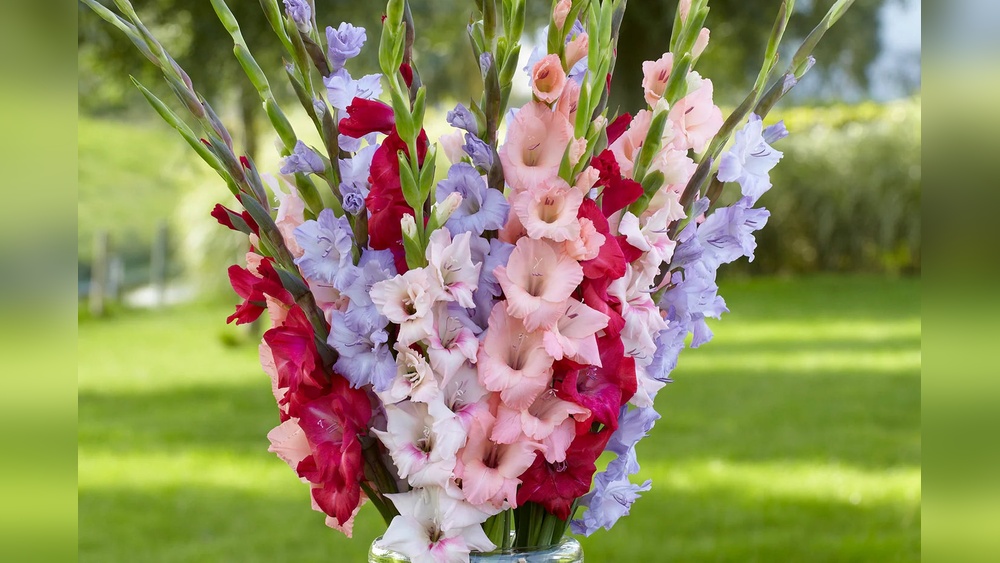
- Gladiolus: Tall, spiked flowers ideal for cut bouquets and adding vertical interest to beds and borders.
- Begonias: Shady garden favorites with lush foliage and bright flowers, providing color even in less sunny spots.
- Lilies: Elegant, fragrant, and available in a broad range of colors. Lilies often become a perennial favorite, returning year after year in mild climates.
- Caladiums: Valued for their striking foliage, which can brighten up shaded corners and containers.
These bulbs thrive in warm soil and, for many, the season’s heat is key to initiating robust growth.
Key Differences: Spring Vs. Fall Bulbs
Spring and fall bulbs differ not only in planting time but also in their biological requirements and garden roles. Here’s a comparison:
| Characteristic | Spring-Planted Bulbs | Fall-Planted Bulbs |
|---|---|---|
| Examples | Dahlias, Gladiolus, Lilies, Begonias | Tulips, Daffodils, Crocuses, Hyacinths |
| Planting Time | After last spring frost | Before first autumn frost |
| Frost Tolerance | Low (tender) | High (hardy) |
| Bloom Time | Summer to Fall | Early to late Spring |
| Wintering Method | Often lifted and stored indoors | Left in ground |
These distinctions are vital for planning your garden’s year-round color. For example, pairing early-blooming fall bulbs with summer-blooming spring bulbs creates seamless waves of color throughout the growing season.
Bulb Anatomy And Growth Cycle
A bulb is more than just a dormant plant. It contains all the resources a plant needs to sprout, flower, and reproduce. The anatomy includes:
- Basal plate: Where roots emerge and nutrients are absorbed.
- Scales: Fleshy storage tissues that provide food during sprouting.
- Shoot: Embryonic leaves and flower stalks, ready to grow as soon as conditions are right.
- Tunic: Protective outer layer that shields the bulb from physical damage and dehydration.
Understanding this structure is essential; damaged bulbs often fail to thrive. Spring bulbs break dormancy as soil warms, using stored energy to fuel rapid growth. This adaptation allows them to flower quickly once planted, taking full advantage of the growing season’s warmth and sunlight.
Popular Spring-planted Bulb Varieties
Each bulb has specific temperature and timing requirements. Here’s a quick overview:
- Dahlias: Plant when soil is consistently 60°F (16°C); blooms in mid-to-late summer. Excellent for cutting gardens and borders.
- Gladiolus: Plant after last frost; stagger plantings for continuous blooms. Their tall spikes are a favorite for floral arrangements.
- Begonias: Start indoors 8 weeks before last frost, or plant outside in warm soil. Ideal for containers and shaded beds.
- Lilies: Hardy enough for early spring planting; some can even go in the fall. They add elegance and fragrance to any landscape.
- Caladiums: Need warm (70°F/21°C) soil for best leaf color. Their striking variegation makes them a standout in shade gardens.
Choosing the right bulb for your region and timing ensures a garden that dazzles all summer long. Consult the packaging or supplier details for the most accurate recommendations on planting depth and timing.
Timing Your Spring Bulb Planting: The Science And Strategy
Proper timing is the most critical factor for spring bulb success. Planting too early or too late can compromise health, vigor, and bloom quality. Science-backed strategies help pinpoint the optimal window for each bulb type.
Soil Temperature: The Golden Rule
The most reliable cue for spring bulb planting is soil temperature—not the calendar. Most spring bulbs require:
- Minimum soil temperature: 50°F (10°C) at 2–4 inches depth.
- Ideal range: 60–70°F (16–21°C) for rapid root and shoot growth.
Cold, wet soil can cause bulbs to rot before they sprout. Use a soil thermometer for accuracy. According to the Gardener’s Supply Company, bulbs planted at the right temperature establish more quickly and bloom more vigorously.
For gardeners without a soil thermometer, local weather patterns can serve as a rough guide. Wait until nighttime temperatures consistently stay above 50°F (10°C) and the threat of frost is past.
Frost Dates: Why They Matter
Knowing your last average frost date is essential. Bulbs planted before the last frost are vulnerable to damage; those planted too late may not bloom on time. Find your local frost dates from resources like the Old Farmer’s Almanac.
- After last frost: Most tender bulbs can be planted.
- Microclimates: Urban areas and raised beds may warm sooner, allowing earlier planting. Conversely, low-lying or exposed locations may remain colder longer.
By incorporating microclimate observations, you can refine your planting schedule. For example, bulbs planted along a south-facing wall may sprout earlier due to reflected heat.
Usda Hardiness Zones And Regional Considerations
The United States Department of Agriculture (USDA) divides regions into hardiness zones based on average minimum winter temperatures. These zones guide planting windows:
| USDA Zone | Average Last Frost Date | Typical Spring Bulb Planting Window |
|---|---|---|
| 3–4 | Late May–Early June | Early to Mid-June |
| 5–6 | Late April–Mid May | Mid-May–Early June |
| 7–8 | Early–Mid April | Mid–Late April |
| 9–10 | Late February–Early March | March–Early April |
Always verify with local extension offices for the most accurate timing. Local weather trends or unusual seasonal patterns may shift the ideal window by a week or more.
Case Study: Pacific Northwest Vs. Southern Us
Pacific Northwest: Cool, wet springs often delay soil warming. Gardeners in Seattle, for example, may not reach 50°F soil until late April or May. Waiting ensures bulbs won’t rot in soggy ground.
Southern US: In Atlanta (Zone 8), soil may warm by late March. Spring bulbs can be planted earlier, but beware of unpredictable late cold snaps. Cover new plantings if a frost is forecast.
Staggered Planting For Prolonged Blooms
For bulbs like gladiolus, stagger plantings every 1–2 weeks from the last frost date for a continuous display from early summer through fall. This approach ensures that not all flowers open at once, extending your garden’s show and providing a steady supply for cut arrangements.
Credit: www.longfield-gardens.com
Preparing For Spring Bulb Planting: Soil, Site, And Supplies
Planting bulbs successfully requires more than timing. Proper preparation ensures bulbs have the best possible start.
Site Selection: Sunlight And Drainage
Most spring-planted bulbs need:
- Full sun: 6+ hours per day, though begonias and caladiums prefer partial shade.
- Well-drained soil: Standing water causes rot; raised beds or amended beds work well in clay-heavy areas.
Assess your garden’s sun and shade patterns throughout the day. For shadier sites, choose bulbs like begonias or caladiums, which are more tolerant of lower light.
Soil Preparation And Amendments
Bulbs benefit from loose, fertile soil. Steps to prepare:
- Test soil pH: Most bulbs prefer pH 6.0–7.0. A simple test kit from your local garden center can reveal if adjustments are needed.
- Amend as needed: Add compost, well-rotted manure, or peat moss to improve structure. Sandy soils retain moisture better with organic matter; clay soils drain better with coarse sand or compost.
- Fertilize: A balanced, slow-release fertilizer (e.g., 10-10-10) at planting encourages strong root growth.
According to a University of Minnesota Extension study, bulbs planted in well-amended soil showed 25% higher survival rates and more robust blooms.
Choosing Quality Bulbs
High-quality bulbs are the cornerstone of success. Look for:
- Firm, plump bulbs free from mold, rot, or soft spots. Healthy bulbs feel solid and heavy for their size.
- Larger bulbs (within variety) for bigger blooms. Small or shriveled bulbs may not flower well their first year.
- Reputable sources: Local nurseries, garden centers, or trusted online vendors. Buying from reputable suppliers reduces the risk of disease or pest contamination.
Avoid shriveled, damaged, or sprouting bulbs outside their normal cycle. When in doubt, consult with local experts or gardening clubs.
Tools And Supplies Checklist
- Soil thermometer
- Hand trowel or bulb planter
- Compost or soil amendments
- Mulch (optional)
- Labels for tracking varieties and planting dates
- Gloves to protect your hands, especially when dealing with irritant bulbs like caladiums
Real-world Example: Preparing A Shady Border
A gardener in Chicago (Zone 5b) wants to plant begonias and caladiums along a north-facing wall. She tests the soil, finds it slightly acidic (pH 6.2), and amends with compost. She waits until late May, when soil temperatures reach 70°F, before planting. The result: lush, vibrant foliage all summer.
Careful site and soil preparation pays dividends in both the health of your bulbs and the beauty of your blooms.
Credit: lifetips.alibaba.com
How To Plant Bulbs In The Spring: Step-by-step Techniques
Once conditions are right, following best-practice planting techniques maximizes your bulbs’ potential. Each step—from depth to spacing—impacts health and display.
Depth And Spacing: The Basics
A common rule for bulb depth is 2–3 times the bulb’s height. For spacing, provide room for mature growth and air circulation. Here’s a quick reference:
| Bulb Type | Planting Depth | Spacing |
|---|---|---|
| Dahlias (tubers) | 4–6 inches | 18–24 inches |
| Gladiolus | 4 inches | 6 inches |
| Begonias | 1–2 inches | 8–12 inches |
| Lilies | 6 inches | 8–12 inches |
| Caladiums | 1–2 inches | 8–12 inches |
Planting Technique: Step-by-step
- Check soil temperature to confirm it’s within the ideal range.
- Dig holes at the correct depth and spacing.
- Amend hole with compost and fertilizer if needed.
- Place bulb with the pointed (shoot) end up; tubers should be horizontal. For bulbs with indistinct tops, such as caladiums, plant with the knobby side up.
- Backfill soil and water thoroughly.
- Mulch lightly to conserve moisture and regulate temperature (optional).
When planting in groups, use a spade to excavate a larger area, place multiple bulbs at once, and backfill. This method is efficient for mass plantings and ensures even spacing.
Watering And Early Care
- Initial watering settles the soil and jumpstarts root growth.
- Avoid overwatering; bulbs are prone to rot in soggy conditions.
- Monitor rainfall; water only if the top 1–2 inches of soil are dry.
During the first few weeks, consistent moisture is crucial. As bulbs establish, reduce watering to match rainfall and the needs of the specific variety.
Supporting Tall Bulbs
Tall bulbs like gladiolus and dahlias may need staking. Install supports at planting time to avoid disturbing roots later. Consider using bamboo stakes, rings, or specialized supports for best results.
Real-world Example: Staggered Gladiolus Planting
A home gardener in Zone 7 plants gladiolus corms every two weeks from mid-April to mid-June, ensuring a steady supply of blooms for summer arrangements. This approach not only extends the flowering season but also spreads out maintenance and harvesting tasks.
Spring Bulb Care And Troubleshooting
Proper care after planting is essential for healthy growth and abundant blooms. Understanding common challenges helps prevent problems before they start.
Fertilization And Mulching
- Fertilize with a balanced, slow-release product at planting.
- Mulch (2–3 inches) regulates soil moisture, suppresses weeds, and protects shallow bulbs.
- Avoid nitrogen-heavy fertilizers, which promote leafy growth at the expense of blooms.
Top-dressing with compost mid-season can help maintain fertility and soil structure. Mulching also helps insulate roots during unexpected cold snaps or heat waves.
Watering Regimes
- Consistent moisture is critical, especially during root establishment.
- Let soil dry slightly between waterings to prevent rot.
- Drip irrigation or soaker hoses provide even moisture without soaking foliage.
During hot, dry spells, check soil moisture more frequently. Overhead watering is best avoided, as it can promote fungal issues, especially in shaded, humid environments.
Pest And Disease Management
Common threats include:
- Slugs and snails: Target begonias and caladiums; use barriers or organic slug bait.
- Rodents: May dig up bulbs; wire mesh or repellents can deter.
- Fungal diseases: Good air circulation and well-drained soil reduce risk.
If you notice chewed bulbs or missing shoots, consider physical barriers like hardware cloth over your planting beds, especially in areas with high rodent activity.
For detailed pest management, consult the Penn State Extension.
Recognizing And Resolving Issues
- Yellowing leaves: Often water-related; check drainage and adjust watering frequency.
- No sprouting: Bulbs may have rotted or been planted upside down. Carefully dig up and inspect to diagnose the issue.
- Stunted growth: Soil may be too cold or compacted. Loosen soil and ensure bulbs are not crowded.
Early recognition and intervention can save a planting from total failure. If disease is suspected, remove affected bulbs promptly to protect the rest.
Case Study: Overcoming Poor Drainage
A gardener in Portland, Oregon, noticed poor dahlia performance due to heavy clay soil. By switching to raised beds filled with compost-rich loam, bulb survival and flowering improved dramatically the following year. This highlights the importance of adapting soil conditions to bulb needs.
Maximizing Bloom Success: Advanced Tips And Tricks
Seasoned gardeners employ several advanced techniques to ensure lush, long-lasting displays from spring-planted bulbs.
Pre-sprouting Indoors
Many bulbs, especially begonias and caladiums, can be started indoors 6–8 weeks before the last frost. Use shallow trays filled with damp peat or seed-starting mix. Once shoots appear and outdoor temperatures are warm enough, transplant to the garden.
Pre-sprouting not only gives a head start but also allows you to monitor for disease or rot before planting outdoors.
Succession Planting
Staggering plantings of gladiolus, lilies, and other summer bulbs every 1–2 weeks creates a continuous wave of blooms. This technique is especially valuable for cut flower gardens and keeps your landscape looking fresh all season.
Companion Planting
Pairing bulbs with annuals or perennials can:
- Fill gaps as bulbs fade.
- Deter pests (e.g., planting marigolds with gladiolus).
- Enhance aesthetics with contrasting textures and colors.
Try combining caladiums with ferns for lush foliage, or interplant dahlias with zinnias for a riot of color.
Container Planting
Spring bulbs thrive in containers, provided they have:
- Adequate drainage holes.
- Quality potting mix (not garden soil).
- Protection from late frosts (move containers inside if needed).
Containers are ideal for renters or those with limited space. Group pots of varying heights and bulb types for a dynamic display.
Case Study: Continuous Blooms In A Small Garden
A gardener in Boston uses containers to grow begonias, lilies, and gladiolus. By moving pots to sunny, sheltered spots and pre-sprouting bulbs indoors, she enjoys blooms from late May until the first autumn frost—maximizing a limited growing space.
Regional Planting Schedules And Notable Exceptions
While general guidelines are helpful, regional climate quirks and specific bulb types can require adjustments to your planting calendar.
Cool Climates (usda Zones 3–5)
- Wait longer for soil to warm—often late May or June.
- Pre-sprout indoors to extend the growing season.
- Lift bulbs in fall and store indoors to avoid winter losses.
Gardeners in these zones can also experiment with microclimates—planting near south-facing walls or using dark mulch to warm soil more quickly.
Warm Climates (usda Zones 9–10)
- Plant early (March or even late February).
- Choose heat-tolerant varieties; some spring bulbs (e.g., tulips) may not perform well.
- Store dormant bulbs in cool, dry locations if summers are excessively hot.
In subtropical regions, consider tropical bulbs like cannas or caladiums, which love the heat and humidity.
High-elevation And Mountain Regions
- Shorter growing seasons necessitate early starts indoors.
- Microclimates (south-facing slopes, raised beds) can offer earlier planting opportunities.
Windbreaks and mulch can help moderate temperature fluctuations common in these areas.
Bulbs With Unique Timing Needs
- Lilies: Some varieties (Asiatic, Oriental) can be planted in spring or fall.
- Cannas: Require very warm soil (70°F+); plant late in spring.
- Tuberous Begonias: Always start indoors in cool climates.
Some specialty bulbs may have additional requirements—always refer to grower’s instructions.
For more regional advice, consult your local university extension office.
Bulb Storage, Lifting, And Long-term Success
Many spring-planted bulbs are not hardy enough to survive winter in the ground, especially in colder zones. Proper storage and lifting techniques protect your investment and ensure repeat performances year after year.
When To Lift Bulbs
- After foliage yellows and dies back (usually after first frost in fall).
- Handle gently to avoid bruising or cuts. Damaged bulbs are more prone to rot during storage.
Cleaning And Curing
- Brush off soil; do not wash unless necessary.
- Cure in a warm, dry spot (60–70°F) for 1–2 weeks to toughen skins.
Curing allows small wounds to heal and reduces moisture, helping bulbs resist mold and decay.
Storage Conditions
- Cool, dry, dark location (40–50°F).
- Store in mesh bags or boxes lined with peat moss or vermiculite.
- Label varieties for easy replanting.
Proper storage also prevents premature sprouting. Check bulbs periodically for signs of rot or drying out.
According to Royal Horticultural Society, well-stored bulbs have a 75–90% survival rate for the next season.
Replanting For Continuous Success
- Inspect bulbs before replanting; discard any soft, moldy, or damaged ones.
- Rotate locations to minimize disease buildup in the soil.
Consider keeping a garden journal to track which varieties perform best year after year.
Real-world Example: Dahlia Overwintering
A Minnesota gardener lifts dahlias each fall, cures them in the garage, and stores them in peat-filled boxes in the basement. Each spring, she enjoys larger, more vigorous plants from her overwintered tubers.
Frequently Asked Questions
When Is It Too Late To Plant Spring Bulbs?
Planting after soil temperatures exceed 70°F (21°C) or more than 6–8 weeks past your last frost date is generally considered too late. Bulbs may not establish roots or bloom well if planted late. For continuous blooms, stagger planting but avoid pushing into midsummer.
Can I Plant Spring Bulbs In Containers?
Absolutely. Most spring-planted bulbs thrive in containers as long as you provide well-draining potting mix, adequate sunlight, and consistent moisture. Containers can also be moved to protect bulbs from late frosts or extreme weather. For more container gardening tips, check the Royal Horticultural Society’s container bulb guide.
Do I Need To Water Bulbs Right After Planting?
Yes, watering immediately after planting settles the soil and activates root growth. However, avoid waterlogging the area—bulbs need consistent moisture but will rot in soggy soil. Check the soil regularly, especially in dry spells.
Should I Fertilize Spring Bulbs At Planting?
It’s a good practice to use a balanced, slow-release fertilizer (e. g. , 10-10-10) at the time of planting. This provides essential nutrients for root and shoot development. Avoid high-nitrogen fertilizers, which can encourage excessive leaf growth at the expense of flowers.
Can I Leave Spring-planted Bulbs In The Ground Year-round?
In mild climates (Zones 8–10), many spring bulbs can be left in the ground. However, in colder regions, most tender bulbs (like dahlias, caladiums, and begonias) must be lifted and stored over winter to prevent freezing damage. Always check the hardiness of your specific bulbs before deciding.
Planting bulbs in the spring is a rewarding endeavor that combines science, timing, and a bit of artistry. By understanding the unique requirements of each bulb, monitoring soil temperatures, and tailoring your approach to local conditions, you’ll set the stage for a garden filled with color and life all season long.
With careful planning and attentive care, your efforts will be repaid with blooms that delight for years to come.