Can I Plant Tulip Bulbs In Spring
Planting tulip bulbs is a cherished ritual for gardeners seeking vibrant spring blooms. But what happens if you miss the traditional autumn window? Many people wonder: Can I plant tulip bulbs in spring? This question arises for those who either forgot, just discovered tulips, or received bulbs late. The answer is nuanced, with pros, cons, and specific strategies to maximize success.
Tulips are renowned for their dazzling colors and iconic shapes, making them a staple in landscapes from New York City parks to suburban yards. However, their life cycle is tightly linked to seasonal rhythms. Understanding whether spring planting is feasible, and how to do it, can help you turn missed opportunities into beautiful results. This article draws on horticultural research, expert opinions, and firsthand experiences to guide you step-by-step through spring tulip bulb planting, offering actionable advice and realistic expectations.
Key Takeaways
- Tulip bulbs prefer autumn planting but spring planting is possible with certain caveats.
- Success depends on bulb quality, pre-chilling, soil preparation, and local climate.
- Spring-planted tulips may bloom late or skip flowering their first year.
- Proper techniques can improve the chances of healthy growth and future blooms.
- Real-world examples and comparison tables help you weigh spring vs fall planting.
- FAQs clarify common misconceptions and provide advanced tips.
Credit: www.dutchgrown.com
Understanding Tulip Bulb Biology
Tulips belong to the genus Tulipa, native to mountainous regions with cold winters and dry summers. Their bulbs store energy to survive underground, emerging as flowers when temperatures rise.
The Natural Life Cycle
Tulips are perennial in their native habitat. They:
- Grow leaves and flowers in spring.
- Die back in summer, storing energy in the bulb.
- Require a cold dormancy (chilling) to trigger flowering.
This cycle is why autumn planting is ideal: bulbs experience a chilling period, then flower vigorously in spring.
Chilling Requirements
Most tulip varieties need 12, 16 weeks of temperatures between 35, 48°F (2, 9°C) to break dormancy and bloom. This chilling period:
- Signals bulbs to initiate flower development.
- Prevents premature sprouting.
Without sufficient cold, tulips may produce weak foliage or no flowers. This is a key challenge for spring planting.
Why Autumn Is Preferred
Autumn planting aligns with tulips’ biology:
- Soil is cool but not frozen.
- Bulbs establish roots before winter.
- Chilling occurs naturally.
Example: In the Midwest, autumn-planted bulbs enjoy 4, 5 months of cold, resulting in robust blooms.
Credit: www.longfield-gardens.com
Spring Planting: Is It Possible?
While autumn is optimal, you can plant tulip bulbs in spring under certain conditions. Success depends on factors like bulb storage, climate, and planting technique.
When Spring Planting Makes Sense
Spring planting is worth considering if:
- Bulbs were delivered late or forgotten.
- You live in a mild climate with long, cool springs.
- Bulbs have been properly pre-chilled.
Warning: Bulbs left unplanted for months may dry out or rot. Inspect for firmness and healthy skin.
Pre-chilled Bulbs
Some suppliers provide pre-chilled bulbs, ready for spring planting. If not, you can chill bulbs yourself:
- Place in a refrigerator (not freezer) for 12, 16 weeks.
- Avoid storing with fruits (which emit ethylene gas).
Example: California gardeners use refrigeration to mimic winter, enabling spring planting.
Immediate Planting Vs. Storage
If bulbs arrive in spring, plant immediately. Delaying risks bulb deterioration. If the ground is workable, plant as soon as possible.
Comparing Spring Vs Autumn Tulip Bulb Planting
Understanding the differences helps you set realistic expectations and choose the best method for your situation.
| Aspect | Autumn Planting | Spring Planting |
|---|---|---|
| Root Establishment | Strong before winter | Limited, may be rushed |
| Flowering Time | Early-mid spring | Late spring or next year |
| Bloom Quality | Large, vibrant flowers | Smaller, fewer blooms |
| Chilling Requirement | Natural outdoors | Artificial (refrigeration) |
| Bulb Survival | High | Variable, risk of rot |
Data-driven Insights
A study by the Royal Horticultural Society found autumn-planted tulips had a 90% bloom rate, while spring-planted bulbs (with pre-chilling) averaged 50, 60%. Source: Royal Horticultural Society.
Pros And Cons
Spring Planting Pros:
- Utilizes leftover bulbs.
- Can fill gaps in landscape.
- Useful in mild climates.
Spring Planting Cons:
- Lower bloom rates.
- May not flower first year.
- Higher risk of bulb failure.

Credit: marcumsnursery.com
Step-by-step Guide To Planting Tulip Bulbs In Spring
Following the right techniques maximizes your chances of success. Here’s a comprehensive guide, from bulb selection to post-planting care.
Bulb Selection And Preparation
- Inspect bulbs for firmness, no mold, and healthy skin.
- Chill bulbs for 12, 16 weeks if not already pre-chilled.
- Choose early-flowering varieties (e.g., Tulipa ‘Red Riding Hood’) for better results.
Pro Tip: Avoid bulbs that feel soft or show signs of rot, they won’t thrive.
Soil Preparation
Tulips prefer:
- Well-drained soil (loamy or sandy).
- Neutral to slightly acidic pH (6.0, 7.0).
- Full sun or light shade.
Steps:
- Loosen soil to 12 inches depth.
- Mix in compost for nutrients.
- Add sand or grit if soil is heavy clay.
Planting Depth And Spacing
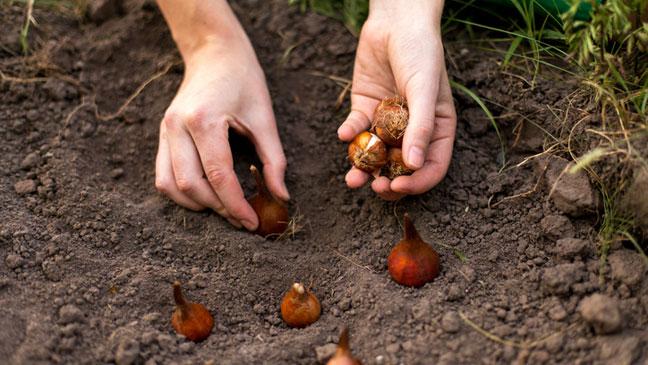
- Depth: Plant bulbs 6, 8 inches deep.
- Spacing: 4, 6 inches apart.
- Pointed end up.
Example: In my experience, planting deeper improves bulb survival in warmer climates.
Watering And Mulching
- Water well after planting.
- Apply mulch (straw, leaves) to retain moisture.
- Avoid overwatering, bulbs rot easily.
Post-planting Care
- Monitor for sprouts in 2, 6 weeks.
- Remove mulch once shoots appear.
- Fertilize with balanced bulb food if desired.
Warning: Do not disturb bulbs once planted, they need time to root.
Real-world Examples And Case Studies
Examining actual outcomes helps clarify what to expect from spring planting.
Example 1: Late Delivery In Chicago
A gardener in Chicago received tulip bulbs in March, chilled them in the fridge for 14 weeks, then planted in early June. Result: few blooms that year, but vigorous flowering the next spring.
Example 2: Mild Climate In San Francisco
In San Francisco, a gardener planted pre-chilled bulbs in early April. Bulbs produced small flowers in late May. The following year, blooms were larger and more numerous.
Example 3: Commercial Landscaping In Dallas
A landscaping company in Dallas used spring planting to fill gaps after winter damage. Most bulbs produced foliage only, with a minority blooming late. The next spring, bloom quality matched fall-planted beds.
Factors Affecting Spring Tulip Bulb Success
Success depends on multiple variables, from climate to bulb handling.
Local Climate
- Cold regions: Spring planting may work if bulbs get enough chilling.
- Warm regions: Pre-chilling is essential; bulbs may struggle.
Bulb Quality
- Fresh, firm bulbs perform better.
- Older or dried-out bulbs have lower survival rates.
Soil And Drainage
- Poor drainage increases rot risk.
- Amending soil boosts bulb health.
Variety Choice
- Early-flowering tulips adapt better to spring planting.
- Botanical tulips (e.g., Tulipa clusiana) are more forgiving.
Planting Timing
- Plant as early as possible when soil is workable.
- Avoid planting after soil warms above 60°F (16°C).
| Factor | Effect on Success | Recommended Action |
|---|---|---|
| Climate | Cool: higher success Warm: lower success | Pre-chill bulbs in warm areas |
| Bulb Quality | Fresh: better Old: worse | Use firm, healthy bulbs |
| Soil Drainage | Good: less rot Poor: more rot | Add sand or compost |
| Variety | Early: adapts better Late: struggles | Choose early types |
Expert Advice And Research Findings
Gardening experts and horticultural institutions offer guidance on spring tulip bulb planting.
University Extension Recommendations
Cornell University advises: “Spring planting is less effective, but bulbs may flower the following year if properly chilled and cared for.” Consult your local extension office for region-specific tips.
Horticultural Society Studies
The Royal Horticultural Society found that spring-planted bulbs, especially pre-chilled, have moderate bloom rates and can establish for future years. See their research at Royal Horticultural Society.
Professional Landscaper Insights
Landscapers often use spring planting to salvage leftover bulbs. With proper soil preparation and bulb chilling, results can be satisfactory, though not as spectacular as autumn planting.
Pro Tip: Rotate bulb beds every 2, 3 years to maintain soil health and reduce disease risk.
Common Mistakes To Avoid
Avoiding pitfalls increases your odds of success with spring tulip bulb planting.
Planting Unchilled Bulbs
Skipping the chilling step leads to poor flowering. Always pre-chill if bulbs haven’t experienced cold.
Improper Depth
Planting too shallow exposes bulbs to heat and drying. Too deep may delay sprouting.
Overwatering
Excess moisture causes rot. Water after planting, but let soil dry between rainfall.
Using Damaged Bulbs
Discard any bulbs with mold, soft spots, or shriveled skin.
Neglecting Soil Preparation
Ignoring soil amendments leads to weak growth. Take time to improve drainage and fertility.
Alternatives And Creative Uses For Spring Tulip Bulbs
If spring planting isn’t viable, consider alternative ways to use tulip bulbs.
Forcing Bulbs Indoors
Tulip bulbs can be “forced” to bloom indoors:
- Place pre-chilled bulbs in pots with potting mix.
- Water and keep in a cool, bright spot.
- Expect blooms in 2, 3 weeks.
Example: Forced tulips brighten homes in late winter and spring.
Container Planting
Spring bulbs may perform better in containers, where temperature and moisture are controlled. Use:
- Well-drained potting mix.
- Adequate drainage holes.
- Partial sun exposure.
Composting Old Bulbs
Bulbs too dry or damaged for planting can be composted. Add to garden compost for soil enrichment.
Donating Bulbs
Local schools or community gardens may accept bulbs for experimental plantings.
Frequently Asked Questions
Can I Plant Tulip Bulbs That Have Sprouted In The Bag?
Yes, you can plant sprouted tulip bulbs immediately. Handle them gently to avoid breaking the shoots. Plant at the normal depth, ensuring the sprout is upright. While these bulbs may not bloom the first year, they can establish and flower in subsequent seasons.
Will Spring-planted Tulip Bulbs Bloom This Year?
Most spring-planted tulip bulbs will not bloom until the following year, especially if they haven’t been pre-chilled. Some early varieties or bulbs that have experienced enough cold may produce late spring blooms, but these are often smaller and less vibrant.
How Long Should I Chill Tulip Bulbs Before Spring Planting?
Tulip bulbs require 12, 16 weeks of chilling at 35, 48°F (2, 9°C) to trigger flowering. Use a refrigerator if outdoor conditions aren’t cold enough. Avoid storing bulbs with apples or other fruits, as ethylene gas can damage them.
Can I Plant Tulip Bulbs In Pots In Spring?
Yes, spring planting in pots is a good option. Use well-drained soil and ensure containers have drainage holes. Place pots in a cool location to encourage root development. Container planting allows for more control over temperature and moisture.
Is It Worth Planting Old Or Dried Tulip Bulbs In Spring?
Planting old or dried tulip bulbs rarely results in successful blooms, but you can try if the bulbs are firm and free from mold. If they fail to grow, consider composting them to enrich your garden soil.
Tulip bulbs are resilient, and even if spring planting isn’t ideal, it can still lead to beautiful flowers in the future. With careful preparation, realistic expectations, and smart choices, you can make the most of your tulip bulbs, no matter when you plant them. For more detailed horticultural guidance, visit the Gardenia website for expert planting tips.