When to Plant Tulip Bulbs in New Jersey for Best Blooms
Tulips are synonymous with the vibrant rebirth of spring, their bold colors and elegant shapes gracing gardens after the long winter thaw. For New Jersey gardeners, the allure of a tulip-filled landscape is irresistible, but timing is everything. Plant your bulbs too soon, and they risk rotting in the ground; too late, and they may not bloom at all. Mastering the planting window is the secret to jaw-dropping displays come April and May.
Whether you’re aiming for a show-stopping suburban border or a simple container display, understanding New Jersey’s unique climate and soil conditions is essential. This comprehensive guide demystifies the best timing for planting tulip bulbs in the Garden State, incorporating local climate data, expert horticultural advice, and actionable tips.
Prepare to transform your garden with tulips that burst forth in glorious color, season after season.
Key Takeaways
- Plant tulip bulbs in New Jersey from late September to early November for optimal spring blooms.
- Soil temperature should consistently be below 60°F (16°C) before planting.
- Select high-quality bulbs and well-draining soil to maximize bloom success.
- Practical strategies for planting, including depth, spacing, and aftercare, greatly impact your results.
- Learn from real New Jersey case studies and avoid common mistakes for lush, long-lasting tulip displays.
Credit: www.longfield-gardens.com
Understanding New Jersey’s Climate And Its Impact On Tulip Planting
New Jersey’s climate plays a pivotal role in determining when to plant tulip bulbs for the most spectacular spring blooms. The state straddles USDA Hardiness Zones 6 and 7, with distinct seasonal changes that influence soil temperature and bulb viability.
Understanding these zones is crucial, as it provides a framework for anticipating weather extremes and average frost dates that impact when bulbs should be planted.
Seasonal Temperature Patterns And Frost Dates
In New Jersey, fall temperatures drop steadily from September through November. The first frost typically occurs between mid-October and early November, depending on location—coastal areas tend to stay warmer longer, while inland and northern regions cool more rapidly. For example, while Atlantic City may not experience frost until early November, areas in Sussex County may see their first frost as early as the second week of October.
The ideal time to plant tulip bulbs is when soil temperatures stabilize below 60°F (16°C), but before the ground freezes. This usually falls between late September and early November. Planting within this window allows bulbs to establish strong roots before winter dormancy, giving them a head start on the growing season.
Example: Comparing North Vs. South New Jersey
| Region | Average First Frost | Optimal Planting Period | USDA Zone |
|---|---|---|---|
| Northern NJ | Oct 10 – Oct 25 | Sept 25 – Oct 20 | 6a–6b |
| Central NJ | Oct 20 – Nov 1 | Oct 1 – Oct 25 | 6b–7a |
| Southern NJ | Oct 25 – Nov 10 | Oct 10 – Nov 5 | 7a–7b |
These differences in frost dates highlight why it is important to adjust your planting schedule based on your specific county or even neighborhood. Microclimates, such as urban heat islands or properties near bodies of water, may allow for slightly later planting.
Soil Considerations And Drainage
Well-drained soil is vital for tulip bulbs, which are susceptible to rot in soggy conditions. New Jersey’s soil varies from sandy loam in the south to heavier, clay-rich soils in the north. Amending soil with compost or sand can improve drainage and bulb health. In areas with particularly dense soil, creating raised beds or berms is a practical solution to enhance drainage.
- Test soil pH: Tulips prefer slightly acidic to neutral soils (pH 6.0–7.0).
- Avoid low-lying areas that collect water.
- Incorporate organic matter, such as compost or peat moss, to support beneficial soil microbes.
Soil health is foundational for successful tulip planting. In heavy clay soils, consider adding coarse sand and organic material several weeks before planting to allow it to integrate and settle.
Climate Change And Shifting Planting Dates
Recent data from the NOAA National Centers for Environmental Information shows a gradual warming trend in New Jersey, potentially pushing optimal planting dates later by 1–2 weeks in some years. Warmer autumns can delay the necessary drop in soil temperature, increasing the importance of using a soil thermometer rather than relying solely on traditional calendar-based planting.
For instance, in years when September remains unseasonably warm, waiting until late October may be preferable to avoid premature sprouting and rot. Conversely, sudden cold snaps can unexpectedly close the planting window, so flexibility is key.
Key Takeaways For New Jersey Gardeners
- Monitor local weather and soil temperature, not just the calendar.
- Adjust planting times based on your specific microclimate.
- Prioritize soil health and drainage for vigorous tulip growth.
- Stay alert to seasonal anomalies and be prepared to adjust your gardening schedule accordingly.
The Optimal Timeframe For Planting Tulip Bulbs In New Jersey
Pinpointing the precise planting window is the cornerstone of successful tulip cultivation in New Jersey. While general guidelines exist, microclimates and yearly weather variations require a flexible approach. Being attentive to local conditions can mean the difference between a thriving tulip bed and disappointing results.
Why Timing Matters
Tulip bulbs need a period of cold dormancy (vernalization) to initiate flowering. Planting too early, when the soil is warm, can cause bulbs to sprout prematurely and succumb to disease. Too late, and bulbs may not establish roots before winter, resulting in stunted or failed blooms. Inadequate chilling time can also lead to weak stems or a complete lack of flowers.
Planting within the optimal window ensures that bulbs have enough time to grow a healthy root system, which is essential for supporting robust blooms in the spring. Without proper root development, bulbs may struggle to access soil nutrients and moisture, ultimately leading to reduced flower size and longevity.
General Planting Window
For most of New Jersey, the prime planting window is:
- Late September to Early November
This range allows bulbs to establish roots during cool, but not frozen, soil conditions. For the average gardener, aiming for mid-October is a safe bet, but always check local soil temperatures.
Temperature Checklist
- Soil temperature: Below 60°F (16°C) at planting depth (6–8 inches)
- Air temperature: Consistently below 65°F (18°C) during the day
Relying on these temperature markers instead of a specific date on the calendar is particularly important in years with abnormal weather patterns.
Early Vs. Late Planting: Pros And Cons
| Planting Time | Pros | Cons |
|---|---|---|
| Early (Sept–Early Oct) | Root establishment, less competition for resources | Risk of bulb rot, premature sprouting |
| Late (Late Oct–Nov) | Optimal chill, less disease risk | Shorter root development window, freeze risk |
Monitoring And Measuring Soil Temperature
Use a soil thermometer to measure temperature at bulb planting depth (6–8 inches). Take readings in the morning for accuracy. If the soil remains above 60°F, wait a few more days before planting. If you do not have a soil thermometer, many garden centers and online retailers carry affordable models.
Regular monitoring over a week can help determine the trend, ensuring you don’t plant on a temporary cold snap only for warm weather to return. This practice is particularly useful in transitional autumn weather.
Case Study: A Bergen County Gardener’s Success
In 2026, a home gardener in Bergen County tracked soil temperatures and waited until October 14th, when the soil reached 58°F. The result was a 95% bloom rate in spring, with robust, healthy flowers and minimal disease—a testament to the value of careful timing.
In prior years, the same gardener had planted based on the calendar alone, resulting in uneven emergence and reduced flower quality, underscoring the advantage of soil-based timing.

Credit: www.longfield-gardens.com
Selecting The Best Tulip Varieties For New Jersey Gardens
While timing is critical, tulip variety selection also impacts bloom quality and longevity. New Jersey’s climate accommodates a broad range of tulip types, from early-blooming single earlies to dramatic late-flowering fringed tulips. Choosing the right varieties ensures continuous color and a garden that matches your vision.
Popular Tulip Classes For New Jersey
- Single Early Tulips: Bloom in early April, excellent for borders. Their short stature also makes them ideal for windy sites where taller varieties might be damaged.
- Darwin Hybrids: Large, classic cup-shaped flowers; mid-spring bloomers. Known for their perennial tendencies, these are a favorite among gardeners seeking repeat performances.
- Triumph Tulips: Compact, weather-resistant, and versatile. They stand up well to early spring storms and are ideal for both beds and containers.
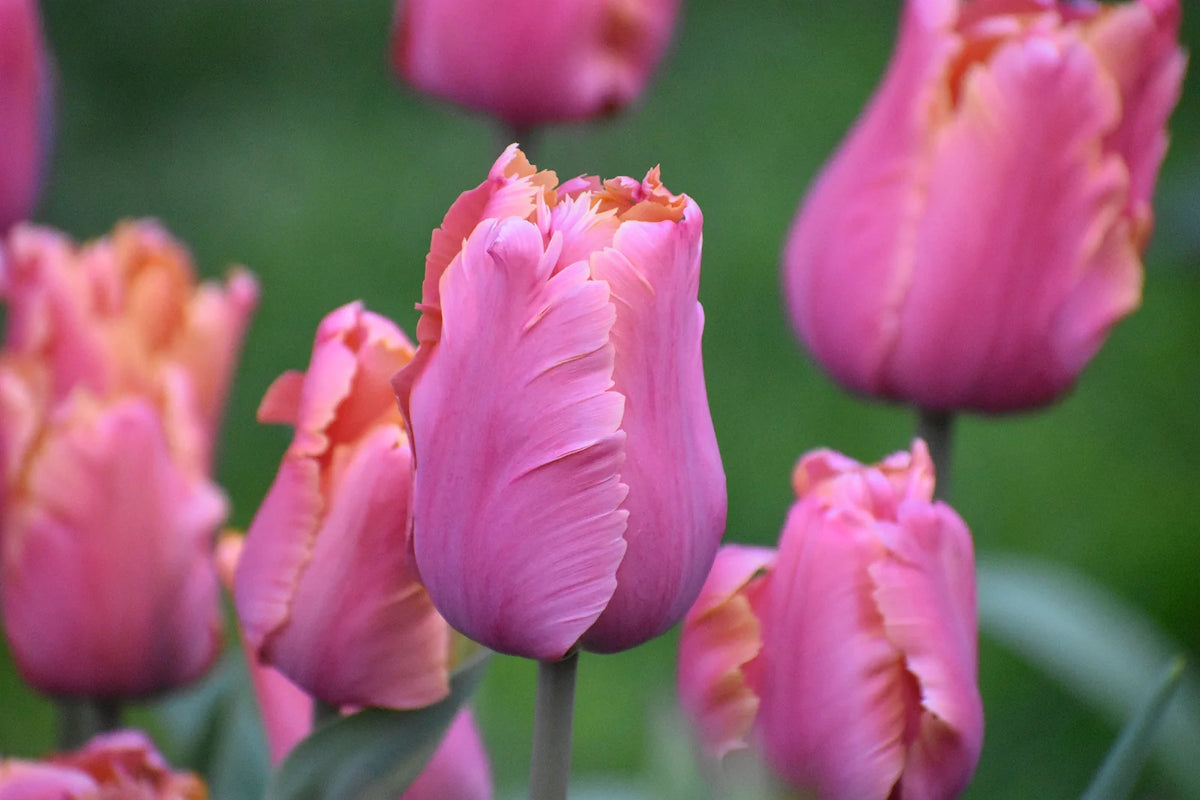
- Parrot Tulips: Frilled, exotic petals; late spring interest. These are perfect for adding a touch of drama and are often used as focal points in mixed plantings.
- Double Late Tulips: Peony-like blooms, add luxury to beds. Their lush, multi-petaled flowers offer a unique texture, extending the tulip season into late spring.
Best-selling Varieties Suited To New Jersey
| Variety | Bloom Time | Height | Color Range | Notable Features |
|---|---|---|---|---|
| Apeldoorn | Mid-Spring | 20–24” | Red, Yellow | Long-lasting, Darwin Hybrid |
| Queen of Night | Late Spring | 24–26” | Deep Purple | Dramatic color, excellent cut flower |
| Pink Impression | Mid-Spring | 22–26” | Soft Pink | Vigorous, reliable perennializer |
| Red Emperor | Early Spring | 14–18” | Scarlet Red | Early bloom, strong stems |
| Angelique | Late Spring | 16–18” | Pastel Pink | Double petals, peony-like |
These varieties are chosen not just for their beauty, but for their proven track record in the variable New Jersey climate. For example, ‘Apeldoorn’ and ‘Pink Impression’ are known to perennialize better than most, returning for several years in well-drained sites.
Disease And Pest-resistant Selections
Choosing varieties with proven disease resistance—especially to tulip fire (Botrytis) and viruses—can save time and disappointment. Darwin Hybrids and certain Triumph tulips offer reliable hardiness in New Jersey’s climate. Additionally, some modern hybrids have been bred for increased resistance to common fungal issues and are less attractive to pests like deer and rodents.
Balancing Bloom Times For Extended Color
Mixing early, mid, and late-season tulip varieties creates a succession of blooms over 4–6 weeks. This strategy ensures your garden remains vibrant throughout the spring. For example, pairing ‘Red Emperor’ (early), ‘Apeldoorn’ (mid), and ‘Queen of Night’ (late) can provide continuous color from early April through mid-May.
Case Study: Princeton University’s Display Gardens
The renowned gardens at Princeton University showcase a blend of Darwin Hybrids and Triumph tulips, carefully selected for overlapping bloom periods. Their annual displays, documented by the university’s landscape architecture team, are a model for staggered planting and variety selection. The result is a seamless tapestry of color that draws visitors throughout the spring.
Credit: www.longfield-gardens.com
Step-by-step Guide To Planting Tulip Bulbs In New Jersey
Even the highest-quality bulbs and best timing can’t compensate for improper planting technique. Following a proven process maximizes your chances of a breathtaking spring display.
Preparing The Planting Site
- Choose a sunny location: Tulips require at least 6 hours of direct sunlight per day. More sun means stronger stems and more abundant blooms.
- Test and amend soil: Ensure pH is 6.0–7.0; add compost or sand to improve drainage. In heavy soils, raised beds can be especially beneficial.
- Clear debris: Remove weeds and rocks from the planting area. This reduces competition for nutrients and makes planting easier.
Before planting, loosen the soil to a depth of 12 inches to create a welcoming environment for new roots. Incorporate organic matter thoroughly.
Planting Depth And Spacing
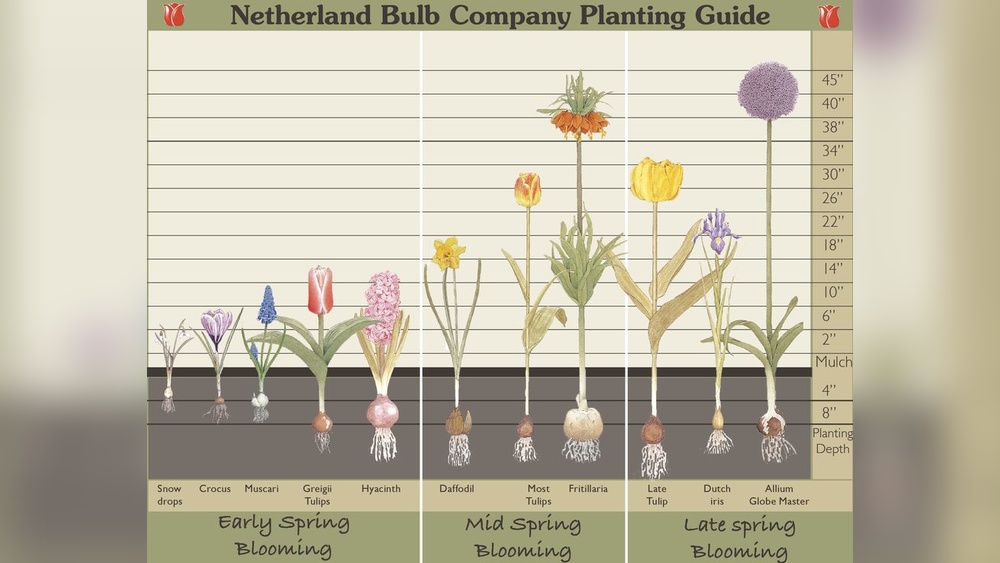
- Depth: Plant bulbs 6–8 inches deep (measured from the bulb base). Deeper planting may be beneficial in loose soils or where animal digging is a concern.
- Spacing: Allow 4–6 inches between bulbs for proper airflow and root expansion. This also helps prevent disease transmission.
For a natural look, plant bulbs in drifts or clusters rather than rigid rows, mimicking the way tulips grow in the wild.
Planting Technique
- Dig holes or trenches to the appropriate depth.
- Place bulbs pointy end up. Planting upside down can delay or prevent sprouting.
- Backfill with soil, lightly firming over the bulbs.
- Water thoroughly after planting.
Tip: For large displays, use a bulb planter or auger attachment to speed up the process. In smaller gardens or containers, hand trowels work well and allow for precise placement.
Fertilizing And Mulching
- Apply a balanced, slow-release fertilizer at planting (e.g., 10-10-10 NPK). Avoid excessive nitrogen, which can promote leaf growth at the expense of flowers.
- Add a 2–3 inch layer of mulch to regulate temperature and moisture. Mulch also helps suppress weeds and protect bulbs from temperature fluctuations.
Organic mulches, such as shredded leaves or pine needles, will break down over time and further enrich the soil.
Watering Protocol
Tulip bulbs require moisture to establish roots but dislike soggy soil.
- Water well after planting.
- Avoid excessive watering through winter; let rainfall suffice.
- In dry autumns, provide additional water until the ground freezes.
Proper moisture management is essential during the fall root development phase.
Aftercare: Winter And Early Spring
- Remove mulch in early spring to allow shoots to emerge.
- Protect emerging shoots from late frosts with a frost cloth if necessary.
- Monitor for signs of animal disturbance and re-cover exposed bulbs if needed.
Regular inspection during the winter and early spring will help you address any issues before they impact your display.
Real-world Example: Community Garden Success In Jersey City
In a Jersey City community garden, volunteers planted 2,000 bulbs in mid-October using the trench method. By spring, over 95% bloomed, providing a colorful display that drew visitors from across the city. Their key to success: consistent bulb depth, spacing, and choosing a sunny, elevated site to avoid waterlogging. They also credited their results to careful soil amendment and group planting for visual impact.
Common Mistakes To Avoid When Planting Tulip Bulbs
Even experienced gardeners can run into pitfalls that limit tulip performance. Avoiding these mistakes ensures your bulbs deliver their full potential.
Planting Too Early Or Too Late
Planting before soil temperatures drop can trigger premature growth, making bulbs susceptible to disease and frost. Conversely, waiting until after the first hard frost can result in poor root development. Both errors are easily avoided by monitoring soil temperature and local weather.
Poor Drainage
Waterlogged soil is the number one enemy of tulip bulbs. Bulbs sitting in soggy soil quickly rot, never emerging in spring. In areas with consistently poor drainage, consider switching to container gardening, where you control the soil composition and moisture.
Solutions:
- Amend soil with compost or sand.
- Plant in raised beds if drainage is poor.
- Avoid areas at the base of slopes or near downspouts.
Incorrect Planting Depth
Shallow planting exposes bulbs to temperature swings and animal predation, while planting too deep can delay or inhibit sprouting. Use a ruler or planting guide to ensure consistent depth across your planting area.
Neglecting Quality Bulbs
Using old, damaged, or undersized bulbs reduces bloom vigor and increases disease risk. Purchase bulbs from reputable suppliers and inspect before planting. Healthy bulbs are firm, free of mold, and heavy for their size.
Overcrowding
Bulbs planted too closely compete for nutrients, resulting in smaller blooms and weaker plants. Overcrowding can also increase humidity and the risk of fungal diseases.
Forgetting To Water
While tulips dislike excess moisture, newly planted bulbs need a good initial soak to trigger root growth. In dry autumns, supplemental watering is crucial for healthy establishment.
Using High-nitrogen Fertilizer
Excess nitrogen promotes leafy growth at the expense of flowers. Always use a balanced fertilizer or a product formulated for bulbs.
Failing To Protect From Pests
Squirrels, voles, and deer are notorious for digging up tulip bulbs. Use wire mesh, repellents, or companion planting with unpalatable species like daffodils. Consider covering freshly planted beds with hardware cloth until the ground freezes.
Case Example: A Cautionary Tale From Morristown
A gardener in Morristown planted bulbs in early September during a warm spell. The result was widespread bulb rot and only a sparse bloom. After consulting the Rutgers Cooperative Extension, she adjusted her timing the following year and enjoyed a lush, vibrant display. This underscores the importance of respecting both soil temperature and weather patterns.
Maximizing Blooms: Care And Maintenance Tips For Tulips In New Jersey
To ensure your tulip bulbs deliver vibrant, long-lasting blooms, effective aftercare is essential. This section covers strategies for both new and established plantings.
Spring Care: Supporting Healthy Growth
- Deadheading: Remove spent flowers to prevent seed production and conserve energy for next year’s bloom. Use clean shears to avoid spreading disease.
- Fertilizing: Apply a low-nitrogen, high-phosphorus fertilizer as shoots emerge. This supports root and flower development.
- Watering: Water during dry spells, but avoid over-saturating the soil. Consistent moisture is important during growth, but standing water is detrimental.
A thick layer of mulch can help retain moisture during dry springs, but be sure to pull mulch back as stems grow to avoid fungal issues.
Post-bloom Strategies
- Allow foliage to yellow naturally: Leaves store energy for next year’s flowers. Do not cut back until completely yellowed (typically 6 weeks post-bloom).
- Dividing and lifting bulbs: Every 3–5 years, dig up and divide crowded clumps to maintain vigor. Replant healthy bulbs in fresh soil to prevent disease buildup.
Removing faded flowers but leaving foliage intact is one of the most important steps for repeat blooming.
Dealing With Pests And Diseases
- Preventing Tulip Fire: Remove any diseased foliage promptly and rotate planting locations yearly.
- Deterring Animals: Install barriers or use safe repellents to protect bulbs and shoots.
- Fungal management: Avoid overhead watering and overcrowding to minimize humidity.
Regularly inspect plants for signs of disease, such as brown spots, distorted leaves, or stunted growth. Early intervention can prevent larger outbreaks.
Naturalizing Tulips For Perennial Blooms
While many tulip varieties are treated as annuals, some Darwin Hybrids and species tulips will naturalize—returning reliably for years. Choose perennializing varieties and plant them in well-drained, sunny locations. Allow foliage to die back naturally, and avoid disturbing the bulbs during summer.
Species tulips like Tulipa tarda and Tulipa clusiana are especially well-suited for naturalizing and can create beautiful, low-maintenance drifts in lawns or under deciduous trees.
Real-world Example: Naturalizing Tulips At Rutgers Gardens
At Rutgers Gardens, horticulturists focus on naturalizing tulip types, interspersing them among perennials. Their approach, highlighted in the Rutgers Gardens newsletter, demonstrates how careful variety selection and site prep lead to recurring, low-maintenance blooms. Their success is evident in the return of vibrant displays year after year with minimal intervention.
Sustainable And Eco-friendly Tulip Gardening Practices
With increasing awareness of environmental impact, adopting sustainable gardening practices benefits both your tulips and the broader New Jersey ecosystem.
Organic Soil Amendments
- Use compost, leaf mold, or well-rotted manure to improve soil fertility.
- Avoid synthetic fertilizers and pesticides when possible.
- Incorporate cover crops or green manure during off-seasons to enrich the soil naturally.
Integrated Pest Management (ipm)
- Monitor for pests before resorting to chemical controls.
- Encourage natural predators and use physical barriers.
- Rotate plantings and diversify your garden to reduce pest buildup.
IPM emphasizes long-term prevention and minimal environmental impact, aligning with sustainable gardening values.
Water Conservation
- Mulch to retain soil moisture and reduce watering needs.
- Install drip irrigation for efficient, targeted watering.
- Collect and use rainwater to irrigate garden beds.
These methods not only support your tulips but also help conserve one of New Jersey’s most precious resources.
Supporting Pollinators
Although tulips are not a major food source for pollinators, mixing them with native spring bulbs (e.g., crocus, allium) provides early-season nectar. Planting a range of flowering bulbs increases biodiversity and supports local pollinator populations.
Reducing Plastic Waste
- Purchase bulbs in bulk or from local suppliers to minimize packaging.
- Reuse bulb crates and planting pots.
- Recycle or repurpose plastic plant tags and labels.
Small changes in purchasing and planting habits can make a significant impact over time.
Real-world Example: Eco-friendly Initiatives At Duke Farms
Duke Farms in Hillsborough, NJ, demonstrates large-scale sustainable practices by using organic mulch, compost, and integrated pest management in their tulip displays. Their approach is documented by the Duke Farms education team. Their commitment to sustainability serves as a model for both home gardeners and public institutions throughout the state.
Frequently Asked Questions
When Exactly Should I Plant Tulip Bulbs In New Jersey?
Tulip bulbs should be planted from late September through early November, once soil temperatures drop below 60°F (16°C) and before the ground freezes. Adjust your timing depending on whether you are in northern, central, or southern New Jersey, and consider microclimate factors such as urban heat or proximity to water.
Can I Plant Tulip Bulbs In Containers In New Jersey, And When Is The Best Time?
Yes, tulip bulbs grow well in containers. Plant them at the same time as in-ground bulbs—late September to early November. Ensure the container has excellent drainage and protect pots from severe winter freezes by placing them in a sheltered location, such as an unheated garage or against a house wall.
How Deep Should I Plant Tulip Bulbs In New Jersey’s Soil?
Plant tulip bulbs 6–8 inches deep, measured from the base of the bulb. This depth protects against temperature fluctuations and animal disturbance, while allowing proper root development. In containers, plant bulbs slightly deeper if space permits for extra insulation.
Do Tulips Come Back Every Year In New Jersey, Or Are They Annuals?
Many tulip varieties are treated as annuals because they may not perennialize well in New Jersey’s climate. However, Darwin Hybrids and some species tulips can return for several years if planted in well-drained, sunny locations and left undisturbed. Proper aftercare and allowing foliage to die back naturally improve their chances of returning.
What Should I Do If I Missed The Optimal Planting Window For Tulip Bulbs?
If you missed the window and the ground is not yet frozen, plant bulbs as soon as possible. If the ground has frozen, you can try “forcing” bulbs indoors for spring blooms, or store them in a cool, dry place and plant next season.
Forcing involves chilling bulbs for 12–16 weeks in a refrigerator and then potting them up for indoor display.
As you plan and plant your tulip bulbs in New Jersey, remember that timing, preparation, and proper aftercare are the keys to a stunning spring display. By understanding the local climate, selecting the right varieties, and following best practices, you’ll enjoy vibrant tulip blooms that brighten your garden year after year. For further reading, consult resources like the Rutgers NJ Agricultural Experiment Station and the Missouri Botanical Garden Plant Finder for region-specific advice. Happy planting, and may your New Jersey garden flourish with the colorful promise of tulips each spring!