What Vegetables Can You Start Indoors in Winter?
Start leafy greens, herbs, and scallions indoors for a winter harvest. Start slow crops like onions, leeks, celery, and brassicas now for spring transplant. Skip root crops, corn, beans, peas, and squash indoors unless your setup is unusually bright. Poor timing wastes seed, space, and light, then leaves you with weak seedlings or stunted harvests.
The key is matching the crop to the end goal. If you want food in a few weeks, choose quick greens. If you want sturdy spring transplants, choose crops with a known indoor lead time. If the crop resents disturbance, direct sow it later.
Winter vegetables by goal


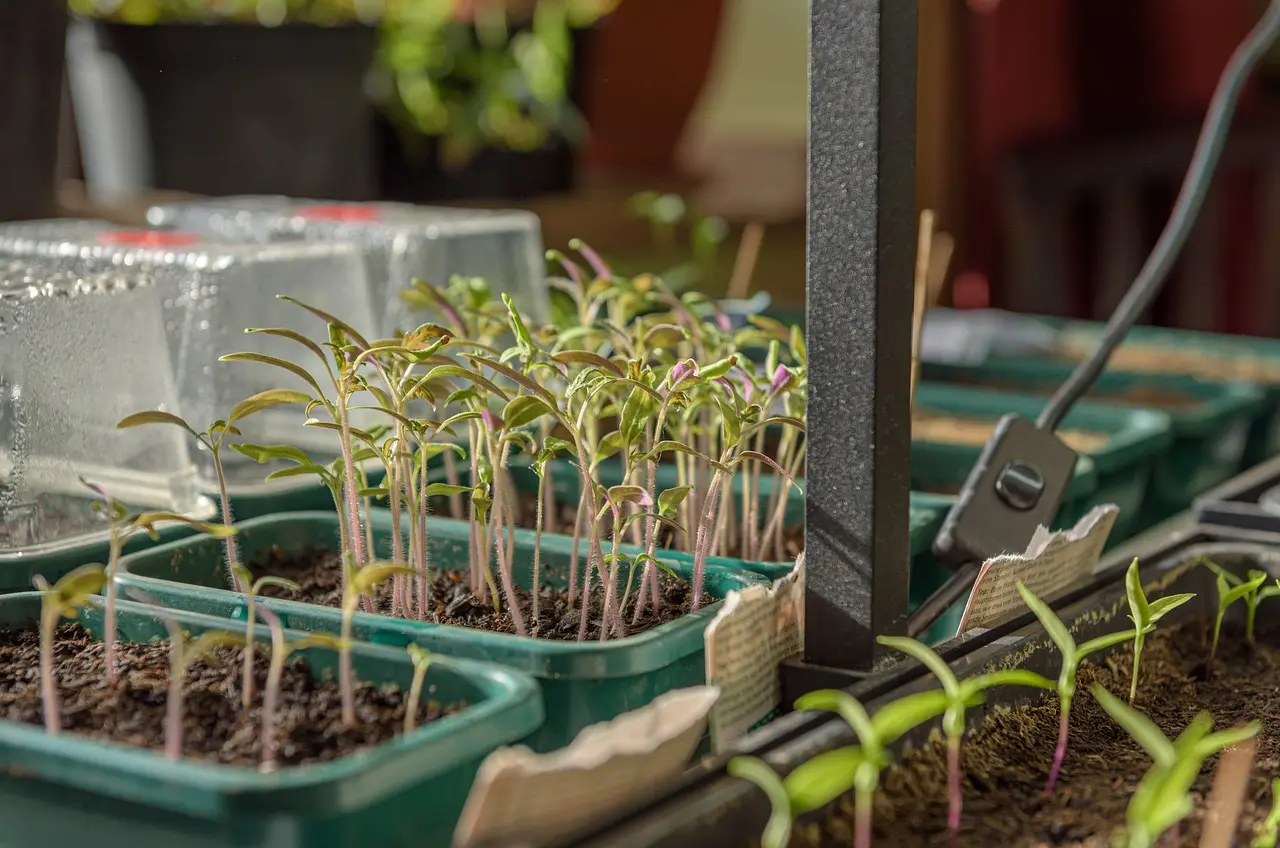
Editor-reviewed note: This guide is built around crop timing, indoor light limits, and transplant tolerance used by extension seed-starting recommendations. In a typical winter setup, a tray on a sill often stretches unless the light is very close, the room stays cool, and airflow is steady.
Harvest now on a windowsill
For a winter harvest, the best bets are compact leafy crops that handle cooler indoor conditions and shorter days better than fruiting vegetables. Spinach, Swiss chard, kale, mustard, arugula, mizuna, tatsoi, and bok choy are all useful choices when you want edible leaves rather than transplants.
These crops still need direct, bright light, even moisture in the root zone, and a container deep enough for roots to spread. They will not fix a dim room. A very bright south-facing bay window or sun room can work for some leafy crops, but a normal winter windowsill often falls short.
Start now for spring transplant
Choose this path for crops that need a head start before outdoor planting. Brassicas such as broccoli and cauliflower, warm-season crops such as tomatoes, peppers, and eggplant, and some alliums such as onions are commonly started indoors first because they need more time than a short spring season allows.
Transplants can speed up harvest, reduce pest pressure, cut down on thinning, and save money over time because fewer seeds and less open-ground time are wasted. The tradeoff is simple: you need enough light and enough room to keep seedlings compact and healthy.
Leave for direct sowing
Some vegetables are poor choices for indoor seed trays. Root crops should stay out of containers if your goal is a normal harvest shape. Corn should usually be direct-sown. Peas and beans are usually better direct-sown too, because they dislike the transplant process or do not gain much from it.
Squash, cucumber, and melons sit between categories. You can start them indoors for a short lead time, but they also do well direct-sown in warm soil. If you are short on light, direct sowing later may be the cleaner option.
Can you start leafy greens indoors in winter?
Yes. Leafy greens are one of the best winter indoor options because they are cool-season crops and can produce usable leaves with a shorter indoor lead time. Spinach, Swiss chard, kale, mustard, arugula, mizuna, tatsoi, and bok choy are all common choices for indoor starts or indoor harvests.
Best cool-season greens for indoor starts
Leafy greens listed for indoor starts include spinach, Swiss chard, kale, mustard, arugula, mizuna, tatsoi, and bok choy. They are practical when you want quick growth and a smaller plant size than tomatoes or peppers. For transplanting outdoors later, leafy greens generally need about 2 to 4 weeks indoors before transplanting. That short window makes them manageable in winter, especially if you can keep the light close and steady. University of Maryland Extension and University of Minnesota Extension both place quick greens in the short-lead category.
When a windowsill is enough
A south-facing window can be acceptable only when the light is very bright. Bay windows and sun rooms usually do better than a typical windowsill. Even then, natural window light is seldom enough for strong seedling growth, so weak stems and stretched plants are common failure points.
Suppose a tray of arugula sits three feet back from a winter window. The seedlings may reach for light, thin out, and lean before they ever form strong leaves. Move the tray closer, add light, or choose a crop meant for later outdoor sowing.
Which warm-season vegetables need an indoor head start?
Warm-season vegetables usually need more time indoors than leafy greens because they cannot be moved outside until frost danger passes and soil warms. Tomatoes, peppers, eggplant, and some cucurbit crops are the main indoor-start candidates, but each has its own timing window.
Tomatoes and peppers
Tomatoes generally need 5 to 6 weeks indoors before transplanting, while peppers usually need 8 to 10 weeks because they are slower to size up. Those windows line up with extension guidance for indoor seed starting: tomatoes are a medium-length start, and peppers need a longer runway to avoid undersized plants at setting-out time. University of Maryland Extension; University of Minnesota Extension.
How long do tomato and pepper seeds need indoors before transplanting? Tomatoes usually need 5 to 6 weeks, while peppers need 8 to 10 weeks. That difference matters. Starting peppers too late often leaves you with small plants and a shorter harvest window.
Eggplant timing
Eggplant is another warm-season crop that usually needs 8 to 10 weeks indoors before transplanting. It is started indoors to ensure harvest, especially in shorter growing seasons where direct-sown eggplant would not have enough time to mature. University of Maryland Extension places eggplant in the longer indoor-start group with peppers.
Cucurbit crops and short indoor windows
Cucumber, squash, and melons usually need 3 to 5 weeks indoors. That short lead time helps seedlings size up without becoming pot-bound, but these crops can also be direct-seeded outdoors when soil is warm enough. extension.umd.edu
For cucurbits, too much indoor time is a problem. They grow fast, and cramped roots can make the transplant step harder than it needs to be.
Winter vegetable decision table
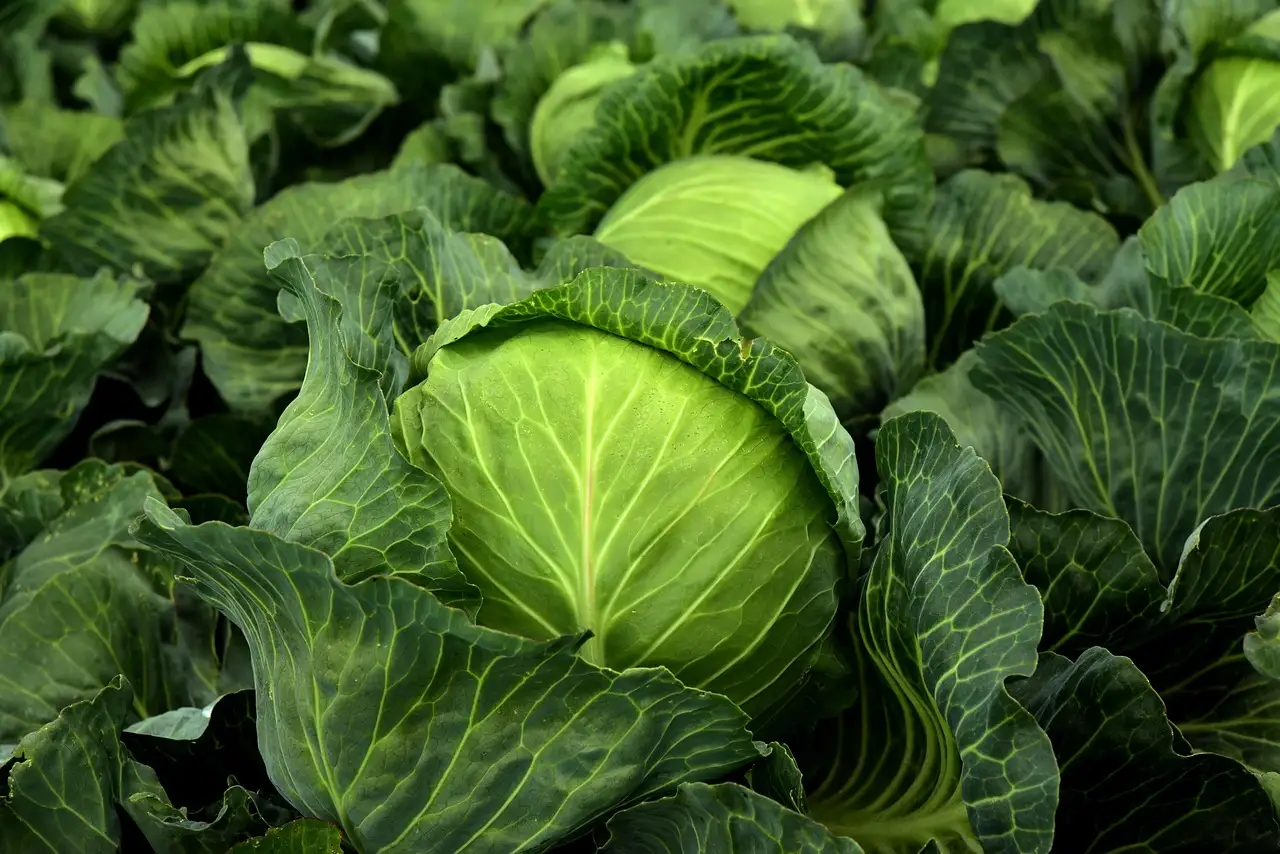
This table separates three different goals: eat now, transplant later, or direct sow later. That split matters more than the crop list itself, because a vegetable that works in a bright window may still be the wrong choice for a seed tray.
| Vegetable | Winter windowsill harvest | Indoor start for spring transplant | Best left for direct sowing | Minimum light | Weeks indoors |
|---|---|---|---|---|---|
| Spinach | Yes | No | No | Very bright south-facing window or grow light | 2 to 4 |
| Swiss chard | Yes | No | No | Very bright south-facing window or grow light | 2 to 4 |
| Kale | Yes | No | No | Very bright south-facing window or grow light | 2 to 4 |
| Mustard | Yes | No | No | Bright window or grow light | 2 to 4 |
| Arugula | Yes | No | No | Bright window or grow light | 2 to 4 |
| Mizuna | Yes | No | No | Bright window or grow light | 2 to 4 |
| Tatsoi | Yes | No | No | Bright window or grow light | 2 to 4 |
| Bok choy | Yes | No | No | Bright window or grow light | 2 to 4 |
| Tomato | No | Yes | No | Grow light strongly preferred | 5 to 6 |
| Pepper | No | Yes | No | Grow light strongly preferred | 8 to 10 |
| Eggplant | No | Yes | No | Grow light strongly preferred | 8 to 10 |
| Broccoli | No | Yes | No | Bright light or grow light | 4 to 6 |
| Cauliflower | No | Yes | No | Bright light or grow light | 4 to 6 |
| Cabbage | No | Yes | No | Bright light or grow light | 4 to 6 |
| Cucumber | No | Yes | Yes, if soil is warm enough | Grow light preferred | 3 to 5 |
| Squash | No | Yes | Yes, if soil is warm enough | Grow light preferred | 3 to 5 |
| Melons | No | Yes | Yes, if soil is warm enough | Grow light preferred | 3 to 5 |
| Beets | No | No | Yes | Not a winter seed-tray crop | Direct sow outdoors |
| Carrots | No | No | Yes | Not a winter seed-tray crop | Direct sow outdoors |
| Corn | No | No | Yes | Not a winter seed-tray crop | Direct sow outdoors |
Do winter seedlings need grow lights?
Usually, yes. Light intensity, duration, and quality matter more than a window alone, and natural window light is seldom enough for strong seedling growth. If you want sturdy stems rather than leggy seedlings, a grow light is the safer choice for most winter seed starting.
Why a bright window often falls short
A south-facing window can help, but it is still filtered by glass, angle, weather, and short winter days. That is why seedlings near a typical window often stretch toward the light and become thin. In practice, the setup usually needs the tray close to the glass, the room near 60 to 70°F for cool-season starts, and a consistently bright exposure to avoid spindly growth.
A common first-timer mistake is placing a tray on a kitchen sill and expecting compact tomato seedlings. After a week or two, the stems elongate and lean because the plant is chasing light. The fix is more light, not more fertilizer.
LED versus fluorescent fixtures
Grow lights commonly used for seedlings include LED or fluorescent lamps. Cool-white fluorescent tubes at 6500K are a good option for seed starting. LED fixtures can also work well if they deliver enough intensity and stay close enough to the canopy. A practical seed-starting bench usually keeps the fixture just above the leaves and raises it as the tray grows.
For either type, keep the light on long enough to mimic a long day and close enough to keep plants compact without overheating them. Good coverage matters more than style alone.
How long seedlings need light
Seedlings need steady daily light, not an occasional boost. If light is weak or too far away, stems stretch, leaves stay small, and transplants lose quality before they ever reach the garden.
If your only option is a dim interior room, choose a harvest crop like arugula or bok choy instead of a slow tomato or pepper. That choice saves seed and avoids frustration.
Which vegetables should not be started indoors?
Root crops, corn, and most legumes are generally poor indoor seed-tray candidates. They are either sensitive to transplanting, not worth the space, or both. For those crops, direct sowing outdoors is usually the better plan.
Root crops that dislike transplanting
Beets, carrots, parsnips, radishes, and turnips should be direct-sown outdoors. Their roots are the crop, so disturbance in a tray can distort shape or slow growth.
That rule is simple: if the edible part is a straight, clean root, start it in the ground instead of a tray.
Corn and most legumes
Corn is singled out as a vegetable that should not be started indoors. Peas and beans are usually better direct-sown too. They do not gain enough from indoor growing to justify the space, handling, and light they would need.
What do transplants give you?
Transplants can speed harvest, reduce pests, reduce thinning work, and lower costs over time. That is why gardeners often start brassicas, tomatoes, peppers, eggplant, onions, and similar crops indoors instead of waiting for outdoor sowing.
Faster harvests
Starting indoors gives slow crops a head start before the outdoor season begins. That matters most for tomatoes, peppers, eggplant, broccoli, cauliflower, and cabbage when the outdoor window is short.
Fewer pests and less thinning
Transplants spend less vulnerable time in the garden, where insects and weather can damage young plants. They also let you set out the number of plants you actually want, which can reduce thinning later.
Lower cost over time
Seed-starting takes some equipment, but it can still save money over time because you can control spacing, avoid buying as many transplants, and keep more of the crop you intended to grow.
- Decide the goal first: winter harvest, spring transplant, or direct sowing later.
- Pick crops that fit that goal instead of forcing every seed into a tray.
- Use the timing window that matches the crop: 2 to 4 weeks for leafy greens, 4 to 6 weeks for brassicas, 5 to 6 weeks for tomatoes, 8 to 10 weeks for peppers and eggplant, and 3 to 5 weeks for cucurbits.
- Use grow lights if your window is not extremely bright.
- Direct sow root crops, corn, peas, and beans when conditions outdoors fit the crop.
Frequently asked questions
What vegetables can you grow indoors in winter?
Leafy greens are the easiest winter indoor vegetables to grow for harvest, especially spinach, Swiss chard, kale, mustard, arugula, mizuna, tatsoi, and bok choy. For spring transplants, tomatoes, peppers, eggplant, broccoli, cauliflower, cabbage, and some alliums can start indoors if you can supply enough light.
What veg can you grow indoors in winter?
For quick indoor eating, focus on leafy greens. For spring planting, start crops that need a longer lead time indoors, such as tomatoes, peppers, eggplant, broccoli, cauliflower, cabbage, and onions. Avoid root crops, corn, peas, beans, and usually squash unless you have a specific reason to start them indoors.
Which vegetables are easiest to start indoors in winter?
Leafy greens are the easiest place to start because they have the shortest indoor timing and are more forgiving than fruiting crops. For beginners, spinach, arugula, mizuna, tatsoi, and bok choy are practical, especially if the goal is fresh leaves rather than a full spring transplant.
Which vegetables should be started indoors but not direct-sown?
Tomatoes, peppers, eggplant, broccoli, cauliflower, and cabbage are commonly started indoors because they benefit from a head start before outdoor conditions are ready. Onions are also often started indoors. These crops gain more from protected early growth than they lose from the transplant step.
How many weeks before planting should I start vegetable seeds indoors?
Use the crop-specific window rather than a single rule for everything. Leafy greens need about 2 to 4 weeks, cabbage family seedlings need 4 to 6 weeks, tomatoes need 5 to 6 weeks, cucurbits need 3 to 5 weeks, and peppers, eggplant, and onion usually need 8 to 10 weeks indoors before transplanting. These windows match university guidance for indoor starting rather than an arbitrary calendar date. University of Maryland Extension; University of Minnesota Extension.
How long do tomato and pepper seeds need indoors before transplanting?
Tomatoes generally need 5 to 6 weeks indoors before transplanting. Peppers need longer, usually 8 to 10 weeks. That extra time is one reason pepper seedlings often need earlier sowing than tomato seedlings, especially if the outdoor season starts late. University of Maryland Extension; University of Minnesota Extension.