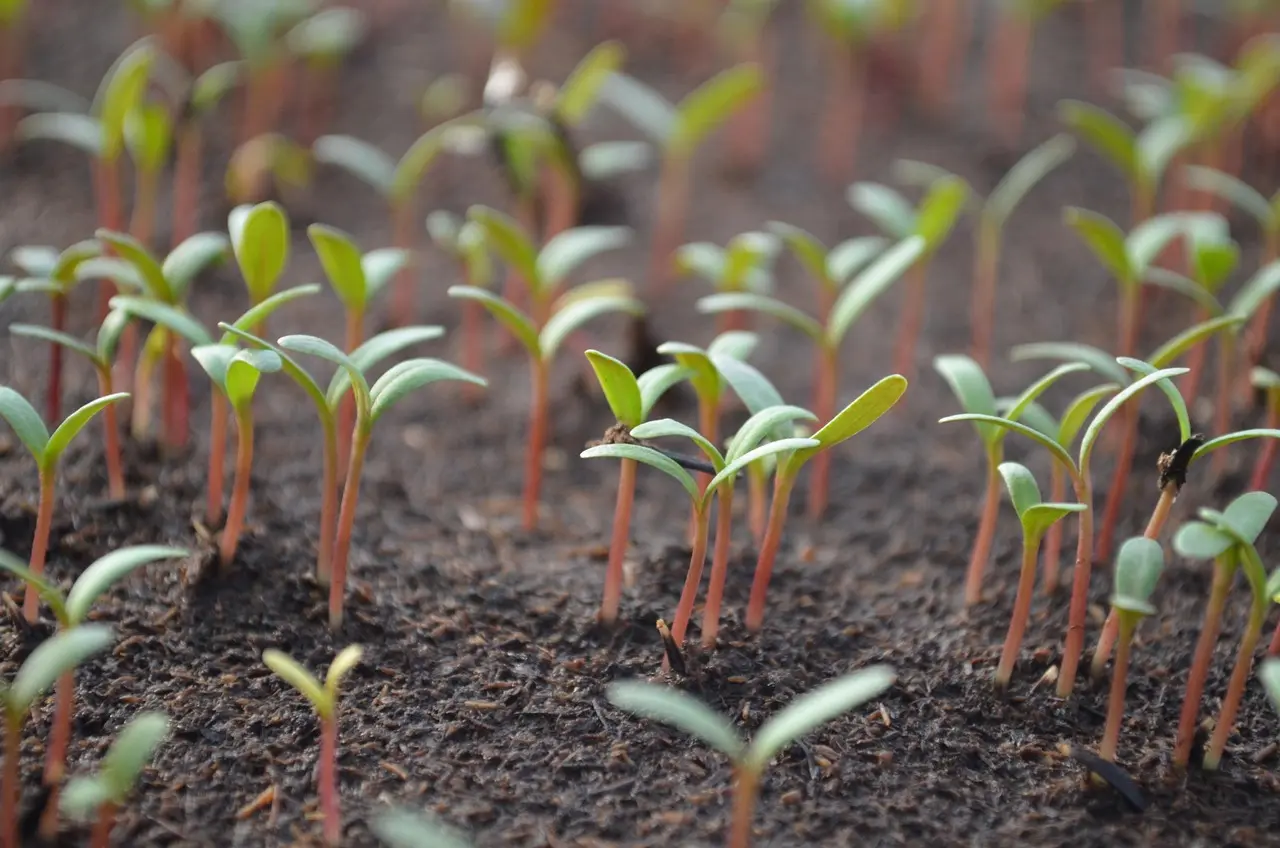
When to Start Tomato Seeds Indoors
Byline: Reviewed and updated for practical home-garden timing by a horticulture-focused editor using university, extension, RHS, and government guidance on sowing windows, light management, transplant thresholds, and hardening off.
Methodology note: The timing table below was built by starting with the average last frost date, then counting backward for the sowing window and forward for the transplant window. The scenarios use four common variables: standard indoor timing (4 to 6 weeks), short-season timing (6 to 8 weeks), protected indoor setups that can support a slightly later sowing, and cool-spring delays when soil and night temperatures lag. Regional FAQ guidance is tied to local frost-date logic and seasonality, not just USDA zone labels.
Start tomato seeds indoors 4 to 6 weeks before your average last frost date. In colder springs, a common rule of thumb is to use about 6 to 8 weeks if you can keep seedlings compact and bright. In mild springs with quick warming and strong indoor light, about 4 weeks can work. Start too early and seedlings stretch in weak light. Start too late and you set out small plants that lag all season.
Useful related guides: last frost date finder, hardening off guide, tomato transplanting, seed-starting mix, and grow light setup.
Use your last frost date first
Your local average last spring frost date is the main timing anchor. Count backward from the day you expect to transplant, not from a calendar month. USDA hardiness zone helps you compare climates, but it does not replace the frost date because zones track winter minimums, not spring thaw.
That difference matters. Two gardeners can both be in Zone 6 and still have different spring timing if one yard warms fast and the other stays cold and windy into May. Use the frost date first, then adjust for indoor light, seedling speed, and when your outdoor soil actually warms.
Count backward for sowing, then plan transplanting
Seed starting and transplanting are different dates. Sowing is when the seed goes into mix. Transplanting is when the young plant moves outdoors after hardening off, once frost danger has passed and soil and nights are warm enough.
Tomatoes generally should not go outside until the soil is about 60°F to 65°F and nights stay above about 50°F. Cornell and other extension guidance commonly places transplanting in warm soil in the 60s Fahrenheit, while night temperatures below 50°F can slow growth and increase stress. That is the outdoor gate. The sowing date comes earlier, indoors, so the plant is ready at the right size without becoming overgrown.
When zone info helps and when it does not
Zone info helps you estimate spring length and light conditions. It does not tell you the exact sowing day. A Zone 7 garden in a cool coastal pocket may need a different schedule than a Zone 7 garden inland with a fast warm-up.
Use the zone as a reference, then check your local average last frost date and whether your setup has strong light, steady warmth, and room for potting up. Those three factors change how forgiving your timing window is.
When should you start tomato seeds indoors?
For most home gardens, start tomato seeds indoors 4 to 6 weeks before the last spring frost date. A slightly earlier start can suit colder climates or slower springs, while milder regions and protected indoor setups can wait a bit longer and still produce sturdy transplants.
Standard timing: 4 to 6 weeks before last frost
That window fits the common tomato seedling schedule and matches the point where plants are old enough to transplant but not so old that they become lanky or root-bound indoors. University of Maryland Extension lists tomato transplants at 5 to 6 weeks indoors. (UMD)
As a practical rule, sow when you can give seedlings warmth, strong light, and enough room to move into larger containers once true leaves appear. Seed leaves are not true leaves, so do not pot up at the cotyledon stage just because the seedling has emerged.
Short-season gardens and slower springs
In short-season gardens, early sowing only helps if you can keep growth compact and bright. If your spring stays cool and dim, start on the earlier side of the 4 to 6 week window so plants are ready to go out as soon as conditions allow.
Short-season gardeners also need to watch variety maturity. Slower, larger varieties need enough indoor time to form a usable transplant, but they still should not sit indoors so long that they become tall, crowded, and hard to harden off.
Late-spring regions and protected indoor setups
In mild regions with late-spring warmth, or in homes with strong lights and a warm germination area, you can often start closer to 4 weeks before frost. If your indoor setup is bright and protected, seedlings can grow steadily without racing ahead of your outdoor planting date.
Say your average last frost is mid-April and your south-facing setup gets strong supplemental light. You may sow in mid-March and still have time to pot up, harden off, and transplant at the right size instead of managing a crowded window ledge.
Tomato timing calculator table
| Zone | Average last frost window | Recommended sowing window | Transplant target | Risk if started too early |
|---|---|---|---|---|
| Zone 5 | Mid-April to mid-May | 6 to 8 weeks before last frost | After frost risk passes, soil about 65°F, nights above 50°F | Leggy plants, root crowding, and a long indoor wait before planting out |
| Zone 6 | Late April to late May | 4 to 6 weeks before last frost; 6 to 8 weeks for slower springs | After frost risk passes, soil about 65°F, nights above 50°F | Plants can outgrow small cells if light is weak |
| Zone 7 | Early April to mid-May | 4 to 6 weeks before last frost | After frost risk passes, soil about 65°F, nights above 50°F | Oversized transplants if indoor warmth and light are strong but planting waits too long |
| Late-spring region | Late May to June | 4 weeks before last frost, sometimes a little earlier for short-season cultivars | After frost risk passes, soil about 65°F, nights above 50°F | Plants can become too large indoors before outdoor weather settles |
| Protected indoor setup | Any zone with grow lights and warm germination space | 4 to 6 weeks before last frost, then adjust by growth rate | After frost risk passes, soil about 65°F, nights above 50°F | Fast growth can force extra potting up if sowing is too early |
Use the table as a calculator, not a fixed prescription. Start with the average last frost date, count back the sowing window, and then tighten or loosen it based on light quality, indoor warmth, and how soon your outdoor beds warm up.
A common mistake is starting tomato seeds so early that leggy seedlings outgrow their trays before the weather is warm enough to move them outside. If you sow 6 weeks before frost but cannot transplant for another 3 weeks because spring turns cold, the seedlings may be too large for their pots. That is a timing problem, not a seed problem.
Decision examples help make the timing concrete:
| Scenario | Example average last frost date | How to count back | Example sowing window | Why this window fits |
|---|---|---|---|---|
| Standard home setup | May 10 | 4 to 6 weeks before last frost | March 29 to April 12 | Typical indoor timing for sturdy transplants that are not overgrown |
| Short-season garden | June 1 | 6 to 8 weeks before last frost | April 6 to April 20 | Extra lead time helps plants size up before a short outdoor season begins |
| Protected setup with strong lights | April 25 | 4 weeks before last frost | March 28 to April 4 | Bright indoor conditions can support a tighter schedule without excessive stretch |
| Cool-spring delay | May 20 | Hold until conditions improve, then start near the later end of the window | April 6 to May 1, depending on indoor space and forecast | Cold soil and cold nights can justify waiting even if the frost date is on paper within reach |
Example logic: if your last frost date is May 10 and your indoor light is strong, the 4- to 6-week window points to late March through mid-April. If your spring is cool and your seedlings grow slowly, lean toward the earlier end. If you have a bright, protected setup and want compact transplants, lean toward the later end.
What happens if you start too early?
Starting too early usually creates weak, stretched seedlings or root-bound plants. Tomatoes grow best when warmth, light, and transplant timing line up. If any one of those falls behind, the seedlings can become tall, thin, and harder to manage at planting time.
Leggy seedlings from weak light
Natural window light is seldom enough for strong seedlings. North Carolina State Extension and other university sources note that seedlings need strong supplemental light to stay compact; for grow lights, keep the fixture close enough to prevent stretch, commonly about 2 to 4 inches above the tops and adjusted as plants grow. Many guides also run lights about 14 to 16 hours a day for tomato seedlings. If light is weak or too far away, the stems reach for it and stretch. That is how many indoor starts become leggy before they ever reach the garden.
Root-bound starts before outdoor conditions are ready
If sowing is too early, the plant may fill its cell pack or small pot before the garden is ready. That can slow growth, twist roots, and force repeated potting up. Cell packs or small pots need drainage holes, but they are not meant to hold a tomato seedling for too long.
Suppose you start a beefsteak tomato in early February for a garden that cannot transplant until late May. Even with good light, the plant may need extra containers before outdoor conditions are ready. The problem is the gap between indoor growth and the actual planting date.
How variety choice affects the risk
Fast, compact varieties are easier to hold indoors than slow, indeterminate types that keep growing. Short-season gardeners often want early fruit, but the timing still has to match the seedling’s growth rate. A slower variety started too soon can outgrow the space before spring arrives.
That is why the best schedule is not “earlier is better.” It is “early enough to size up, late enough to stay compact.” Use the frost date and the plant’s pace together.
What setup do tomato seeds need?
Tomato seeds need a soilless seed-starting mix, steady moisture, warmth, and light after sprouting. Do not use garden soil for seed starting. A fine, light, fluffy medium drains well and gives young roots room to move.
Seed-starting mix and drainage
Seed-starting mix is better than garden soil because it is lighter and more uniform. That matters for tiny roots. Garden soil can pack down, hold too much water, and make germination uneven.
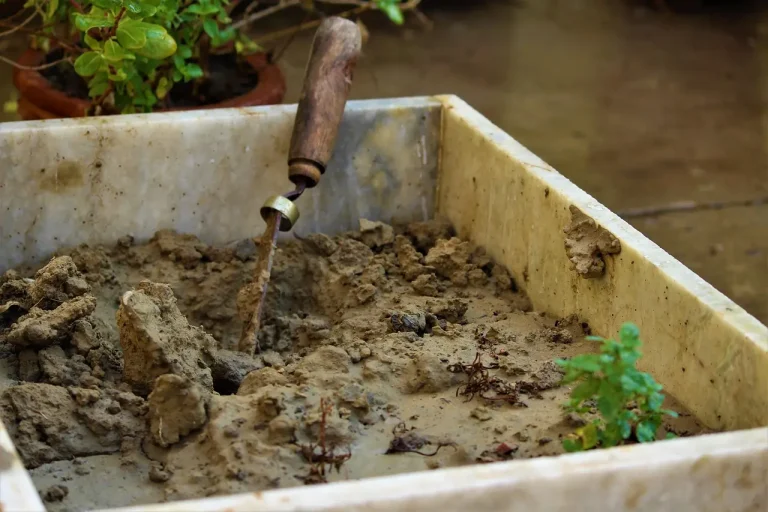
Use small pots or cell packs with drainage holes. Fill them with moist, not soggy, seed-starting mix. The goal is even contact around the seed without waterlogging the root zone.
Heat mats, germination warmth, and grow lights
Tomato seeds germinate best at 70° to 85°F, with many extension and university guides placing the ideal range in the low-to-mid 70s Fahrenheit and the acceptable range roughly from 65° to 85°F. The Royal Horticultural Society and university extensions also caution against excessive heat; above about 95°F, germination can decline or fail. A heat mat can help when your room is cool, but it should not overheat the seeds.
Once sprouts appear, move them under strong light. Warmth helps germination, but light controls seedling shape. That is why the indoor setup changes after emergence. A warm tray is not a substitute for a bright growing position.
When do seedlings need potting up?
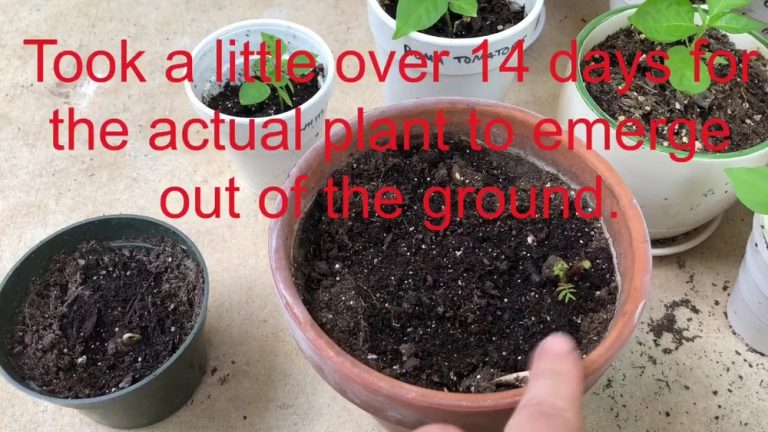
Pot up tomatoes when the first true leaves appear and the roots start filling the original container. True leaves are the signal. Seed leaves are not true leaves, so do not use them as the only cue for moving up.
Use true leaves as the signal
The first pair of leaves after sprouting are seed leaves. The next set are true leaves. Once those true leaves open, the seedling has enough root activity to benefit from a larger container with more room and fresh mix.
University of Maryland Extension places tomato transplants at 5 to 6 weeks indoors, which lines up well with one or two potting-up steps if your seedlings are growing steadily. The exact timing varies with light and room temperature.
Move to larger containers before crowding starts
Do not wait until the stem is wobbling in a crowded cell. Move up before the roots bind hard. That keeps growth even and reduces the stress of transplanting later.
Keep the light strong after potting up. If the new container sits farther from the lamp, the plant may stretch again. The same 14- to 16-hour light schedule still applies when indoor light is weak.
How do you time transplanting outdoors?
Transplant tomatoes outdoors only after frost risk has passed and the soil and nights are warm enough. The target is soil about 60°F to 65°F and nighttime temperatures consistently above 50°F. Then harden off the seedlings before planting them into the garden.
Wait until frost risk passes
Frost can damage or stall tomato plants that looked ready indoors. Even a short cold snap can set them back. The transplant date comes after the last frost date, not before it.
Check soil warmth and night temperatures
Soil temperature matters because cold ground slows root growth. Night temperatures matter because tomatoes dislike cold air after sunset. If the soil is warm but the nights are still cold, wait.
Hardening off is the bridge between indoor growth and the garden. Move plants outside gradually over 7 to 10 days so they adjust to sun, wind, and temperature swings before they are planted in the ground.
Frequently asked questions
When to start tomato seeds indoors for zone 6?
Zone 6 gardeners usually start tomato seeds 4 to 6 weeks before the average last frost date, with 6 weeks better for cooler springs and 4 weeks workable if indoor light is strong. Use the frost date first, because a Zone 6 label does not tell you whether your local last frost is early April or late May.
When to start tomato seeds indoors for zone 7?
Zone 7 often fits a roughly 4 to 6 week window before the last frost date. If spring warms slowly or your seedlings sit under weaker light, start nearer 6 weeks. If your setup is bright and warm, the shorter end of the range often keeps plants more compact.
When to start tomato seeds indoors for zone 5?
Zone 5 gardeners often benefit from the earlier end of the schedule, usually about 6 to 8 weeks before the average last frost date. That gives enough time for a usable transplant without forcing plants to sit too long indoors. Use the frost date first, then adjust for your room light and spring pace.
How early can I start tomato seeds indoors?
You can start earlier than 4 weeks before frost only if you have very strong light, room to pot up, and a clear plan to hold seedlings until outdoor conditions are safe. Otherwise, early sowing usually creates leggy or root-bound plants. Earlier is not better if transplanting still has to wait.
When can you start tomato seeds indoors?
Tomato seeds can be started indoors any time you can provide warmth, moisture, and light, but the practical timing is 4 to 6 weeks before the last spring frost date. That keeps seedlings in the right size range for transplanting once soil and nights are warm enough.
How many weeks before last frost should tomato seeds be started indoors?
Most gardeners should start tomato seeds 4 to 6 weeks before last frost. Cooler springs and short-season gardens can justify a longer lead time, while fast-warming regions and well-lit indoor setups can stay closer to 4 weeks. The correct choice depends on your frost date, light, and transplant window.
Regional timing FAQ
When should UK gardeners start tomato seeds indoors?
In the UK, tomato sowing is usually timed from the local average last frost, which often lands in spring but varies widely by region and altitude. A practical rule is to sow under cover in late March to mid-April for many southern and coastal gardens, then shift later in colder inland or northern areas. RHS guidance generally supports starting indoors in spring and transplanting only after frost risk has passed and nights have warmed.
When should Ontario gardeners start tomato seeds indoors?
Ontario gardeners should use their local last frost date rather than the province as a whole, because southern Ontario can warm much earlier than northern areas. Many gardens in southern Ontario fit a late March to April sowing window for an average late-May frost, while colder districts may need an earlier indoor start or a later transplant date. If your garden regularly sees frost into May or early June, count backward 4 to 6 weeks from that local date.
When should Michigan gardeners start tomato seeds indoors?
Michigan timing depends heavily on whether you garden in the Lower Peninsula, Upper Peninsula, or a lakeshore pocket that stays cool in spring. A common approach is to count 4 to 6 weeks back from your local last frost date, but gardeners in colder areas often need the 6- to 8-week end of the range if spring stays cool. If your soil lags and nights remain chilly, delay transplanting even if seedlings are ready.
When should Melbourne gardeners start tomato seeds indoors?
Melbourne sits in a milder climate than cold-winter regions, so tomato timing is often driven less by hard frost and more by the cool end of winter and early spring warmth. Because tomatoes dislike cold nights, many Melbourne gardeners sow in late winter to early spring under cover and wait for reliably warm weather before planting out. If the forecast still brings cool nights, hold seedlings indoors and use the local season rather than a northern-hemisphere frost calendar.
When should New Zealand gardeners start tomato seeds indoors?
In New Zealand, timing should follow local frost patterns and the approach of the spring warm-up rather than a generic month. In many areas, tomato seeds are started under cover in late winter to early spring, then transplanted after frost danger and cold night risk pass. Cooler regions and inland valleys often need a later sowing or a longer indoor hold, while milder coastal areas can move earlier once soil begins to warm.
Sources
University of Maryland Extension, “Starting Seeds Indoors.”
RHS, “Sowing tomatoes.”
Cornell Cooperative Extension, tomato transplanting and soil-temperature guidance.
University of Minnesota Extension, warm-season vegetable transplant guidance.
North Carolina State Extension, seedling light recommendations.
Government of Ontario / Ontario agriculture guidance on frost dates and vegetable timing.
Authoritative notes on the numbers used above
Germination: tomatoes germinate best in warm soil, commonly cited around 70°F to 85°F, with caution above about 95°F. Light: seedlings need strong supplemental light, commonly 14 to 16 hours daily with fixtures kept close enough to avoid stretch, often 2 to 4 inches above the canopy and raised as plants grow. Transplanting: wait for soil in the 60s Fahrenheit and nights above 50°F. Hardening off: allow roughly 7 to 10 days of gradual outdoor exposure before transplanting. These thresholds are reflected in extension, university, RHS, and government guidance and are more reliable than generic internet calendars.