How To Plant Pride Of Barbados Seeds
Pride of Barbados (Caesalpinia pulcherrima) is a dazzling tropical shrub known for its fiery orange-red blossoms and feathery foliage. Gardeners across warm climates prize this plant for its resilience, stunning curb appeal, and low-maintenance habits. Yet, successfully growing Pride of Barbados from seed requires understanding its unique needs, from proper seed preparation to optimal planting conditions.
Whether you’re a seasoned horticulturist or a passionate beginner, mastering the process of planting Pride of Barbados seeds can reward you with a vibrant, pollinator-friendly landscape.
But what separates a thriving Pride of Barbados from those that struggle to sprout? The answer lies in careful planning, attention to climate, and proper seed handling. This guide delivers a complete, step-by-step methodology for planting Pride of Barbados seeds, supported by actionable data, real-world examples, and horticultural best practices.
By the end, you’ll know not just how to plant these seeds, but how to help them flourish for years to come.
Key Takeaways
- Pride of Barbados seeds require scarification and warm temperatures for successful germination.
- Soil quality, sun exposure, and drainage are critical to healthy seedling development.
- Direct sowing vs. seed starting indoors offers distinct advantages depending on your climate and gardening goals.
- Proper aftercare, including watering and pest management, boosts long-term plant vitality.
- Real-world case studies demonstrate diverse outcomes and best practices for home gardeners.

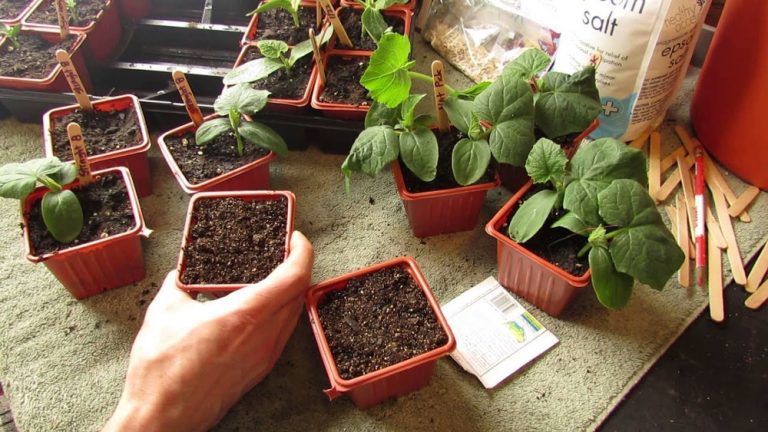
Credit: www.youtube.com
Understanding Pride Of Barbados: Plant Profile And Benefits
Botanical Characteristics
Pride of Barbados, scientifically known as Caesalpinia pulcherrima, is a member of the legume family. Native to the tropics and subtropics, it is widely cultivated in USDA Zones 8 to 11. Its most distinguishing features include:
- Vivid orange, red, and yellow flowers arranged in large, showy clusters.
- Fern-like, bipinnate leaves that add a lush, tropical texture.
- Hard, woody seed pods that mature in late summer.
The plant can reach 6-12 feet in height and is commonly used in ornamental borders, pollinator gardens, and xeriscaping projects.
Ecological And Landscape Value
Pride of Barbados isn’t just visually striking, it’s also drought-tolerant, attracts butterflies and hummingbirds, and helps stabilize soil in erosion-prone areas. According to the University of Florida’s Institute of Food and Agricultural Sciences, this shrub is valued for its resilience in challenging climates and its role in supporting local ecosystems (University of Florida IFAS).
Key Benefits
- Low water requirements after establishment.
- High heat tolerance and resistance to most common pests.
- Long blooming season, often from late spring through fall.

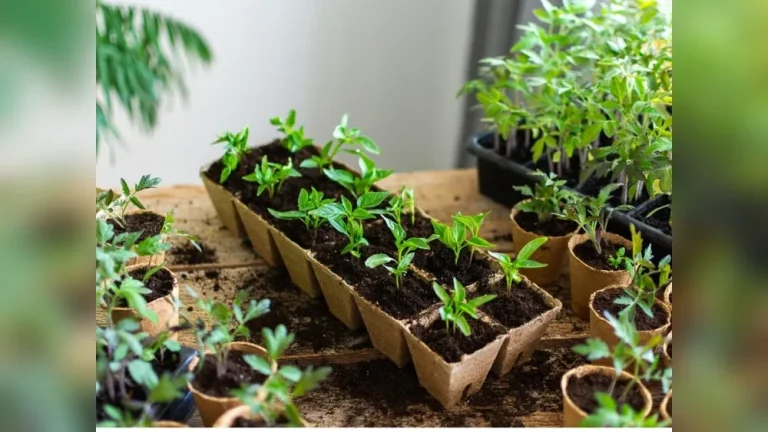
Credit: gardenvive.com
Seed Sourcing And Preparation
Where To Find Quality Seeds
Obtaining viable, fresh seeds is the first step toward successful cultivation. Seeds can be sourced from:
- Specialty nurseries that focus on tropical or xeric plants.
- Online seed exchanges and reputable garden supply websites.
- Harvesting from established plants (ensure pods are fully mature and dry).
Pro Tip: When purchasing online, look for vendors with high ratings and transparent germination data. Always check for USDA import restrictions if sourcing internationally.
Identifying Viable Seeds
Healthy Pride of Barbados seeds are:
- Plump and hard with a glossy, dark brown or black coat.
- Free from cracks, mold, or insect damage.
Discard any seeds that are shriveled, lightweight, or discolored, as these are unlikely to germinate.
Scarification: The Key To Germination
Pride of Barbados seeds possess a tough outer coat that inhibits water absorption. Scarification, weakening this coat, is critical for successful sprouting.
Methods Of Scarification
- Mechanical Scarification: Gently rub the seed with fine sandpaper or nick the coat with a file, being careful not to damage the inner seed.
- Hot Water Soak: Place seeds in hot (not boiling) water and let them soak for 12-24 hours. The seed should swell, indicating readiness for planting.
Warning: Never use boiling water or cut too deeply into the seed, as this may kill the embryo.
Pre-planting Treatments
Some gardeners opt to soak scarified seeds in a mild fungicide solution or a diluted hydrogen peroxide bath for 10 minutes to reduce the risk of damping-off disease.

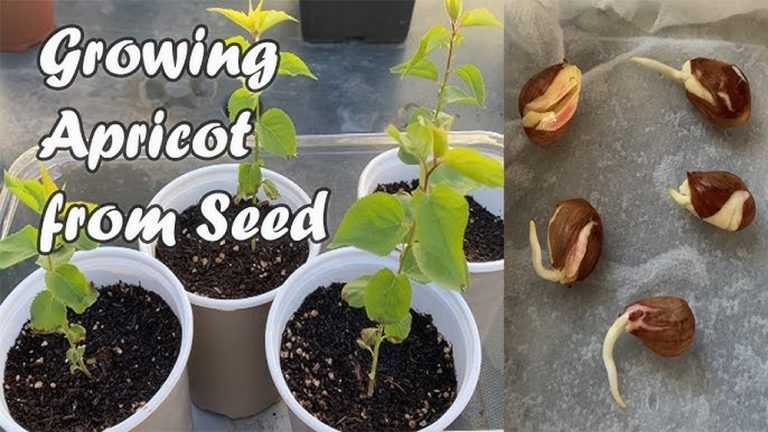
Credit: gardenvive.com
Optimal Planting Conditions
Climate And Timing
Pride of Barbados thrives in warm, frost-free climates. Seeds germinate best at soil temperatures between 75, 85°F (24, 29°C). In my experience, planting in late spring, after all danger of frost, produces the most robust seedlings.
Indoor Vs. Outdoor Sowing
| Factor | Indoor Sowing | Outdoor Sowing |
|---|---|---|
| Germination Control | High | Low |
| Protection from Frost | Yes | No |
| Transplant Shock Risk | Possible | None |
| Best For | Short growing seasons | Warm climates |
Soil Requirements
Pride of Barbados tolerates a range of soils but excels in:
- Well-draining, sandy or loamy soils
- PH range: 6.0, 7.5
- Low organic matter is acceptable, but compost can boost early growth
Heavy, clay soils should be amended with sand or perlite to prevent root rot.
Sunlight And Exposure
Full sun is essential. Aim for at least 6, 8 hours of direct sunlight per day for optimal flowering and vigor. Plants grown in partial shade tend to become leggy and produce fewer blooms.
Water And Humidity
- Moderate watering is required during seedling establishment.
- Once established, the plant is highly drought-tolerant.
- Avoid excessive humidity, which may encourage fungal diseases.
Step-by-step Planting Process
Step 1: Seed Preparation
- Scarify seeds as outlined above.
- Soak seeds in warm water for 12, 24 hours until visibly swollen.
- Optional: Treat seeds with a mild fungicide or hydrogen peroxide.
Step 2: Choosing A Planting Method
Direct Sowing Outdoors
- Ideal for: Gardeners in USDA Zones 9, 11.
- Timing: After last expected frost date.
- Depth: Plant seeds 1/2 inch deep.
- Spacing: 3, 4 feet apart to accommodate mature shrub size.
- Water: Keep soil moist but not waterlogged until germination.
Starting Seeds Indoors
- Ideal for: Cooler climates or an early start.
- Containers: Use 4-inch pots or seed trays with drainage holes.
- Soil: Seed-starting mix or light potting soil.
- Depth: 1/2 inch.
- Light: Place under grow lights or in a south-facing window.
- Transplant: Move outdoors when seedlings have at least 2 sets of true leaves and night temperatures remain above 50°F (10°C).
Example: One gardener in Austin, Texas, reported a 90% germination rate using the hot water soak method and seed-starting trays under fluorescent lights, transplanting outdoors after four weeks.
Step 3: Germination And Early Growth
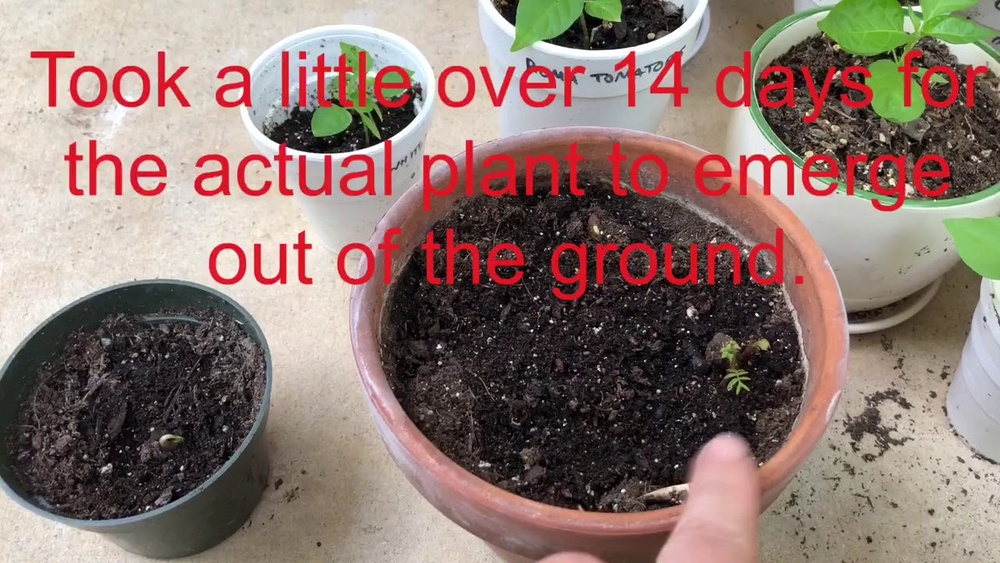
- Germination time: 1, 3 weeks, depending on temperature and seed quality.
- Monitor for: Mold, damping-off, and pests.
- Thin seedlings: Retain only the healthiest plants, spacing as above.
Step 4: Transplanting And Establishment
When transplanting, handle seedlings gently to avoid root disturbance. Dig a hole twice the width of the root ball, set the plant at the same depth, and backfill with amended soil. Water thoroughly after planting .
Pro Tip: Mulching around the base helps retain moisture and suppress weeds, but keep mulch a few inches away from the stem to prevent rot.
Step 5: Maintenance And Troubleshooting
- Water: Reduce frequency as plants mature.
- Fertilizer: Use a balanced, slow-release fertilizer in early spring if soil is poor.
- Pruning: Remove spent flower spikes and dead wood to encourage bushiness.
- Pests/Diseases: Generally resistant, but watch for spider mites, aphids, and powdery mildew.
Real-world Examples And Case Studies
Case Study 1: Coastal Florida Xeriscape
A homeowner in Sarasota, Florida, integrated Pride of Barbados into a low-water landscape. By scarifying seeds and directly sowing in sandy soil, germination occurred within 10 days. The plants thrived with minimal irrigation, attracting both butterflies and neighbors’ admiration.
Case Study 2: Urban Container Gardening
An apartment gardener in Phoenix, Arizona, started seeds indoors in early March. Using a commercial seed-starting mix and heating mat, seedlings emerged within two weeks. Transplanted to large patio containers, the shrubs required daily watering during peak summer but produced vibrant blooms throughout the season.
Case Study 3: Community Pollinator Garden
A school in San Antonio, Texas, used Pride of Barbados as a centerpiece in a pollinator garden. Seeds were scarified and soaked, then sown in raised beds. Students monitored germination and growth, learning about drought-tolerant landscaping and local wildlife.
These examples underscore the versatility of Pride of Barbados in varied settings and highlight the plant’s adaptability when its basic requirements are met.
Data-driven Comparisons: Germination Factors
Understanding the effects of different germination techniques is essential for maximizing success. Below is a comparison of common methods based on reported outcomes from home gardeners and extension services:
| Germination Method | Average Germination Rate | Time to Sprout | Difficulty |
|---|---|---|---|
| Mechanical Scarification + Soak | 80-90% | 7-14 days | Moderate |
| Hot Water Soak Only | 60-75% | 10-21 days | Easy |
| No Treatment | 20-35% | 21-35 days | Very Easy |
As shown, mechanical scarification combined with soaking yields the highest germination rates and fastest results. While hot water soaking alone is simpler, it is less effective. Skipping treatment leads to poor outcomes and should be avoided.
Common Mistakes And How To Avoid Them
Planting Too Deep Or Too Shallow
Seeds planted deeper than 1/2 inch may fail to emerge, while those too shallow risk drying out. Accurate planting depth is crucial for successful germination.
Overwatering Or Poor Drainage
Excess moisture can cause seeds to rot or seedlings to succumb to damping-off. Always use well-draining soil and water sparingly until plants are established.
Insufficient Sunlight
Shade-grown Pride of Barbados develops weak stems and sparse blooms. Ensure full sun exposure for healthy, compact growth.
Skipping Scarification
Unscarified seeds often fail to sprout, even in optimal conditions. Never skip this step when planting Pride of Barbados seeds.
Neglecting Pest Management
While generally resilient, young seedlings can be vulnerable to aphids, spider mites, and slugs. Regular inspection and prompt action prevent infestations from taking hold.
Advanced Tips For Maximizing Success
Soil Amendments And Ph Adjustment
For soils outside the optimal pH range (6.0, 7.5), incorporate:
- Agricultural lime to raise pH
- Elemental sulfur to lower pH
- Composted organic matter to improve texture and fertility
Temperature Management
In cooler regions, use seedling heat mats to maintain the ideal temperature range indoors. Outdoors, wait until both soil and night temperatures are reliably warm.
Fertilization Strategies
Pride of Barbados is not a heavy feeder, but in nutrient-poor soils, apply a balanced fertilizer (10-10-10 NPK) once seedlings are established. Over-fertilization can lead to excessive foliage at the expense of flowers.
Pruning And Training
Regularly pinch back young plants to encourage bushy, compact growth. Remove spent flower stalks to prolong blooming. In frost-prone areas, cut plants back in late fall and mulch heavily to protect roots.
Saving And Storing Seeds
At season’s end, collect mature pods that have dried and split naturally. Remove seeds, dry them thoroughly, and store in an airtight container in a cool, dark place. Properly stored, seeds remain viable for up to 3 years.
Troubleshooting Guide: Problems And Solutions
| Problem | Possible Cause | Solution |
|---|---|---|
| Poor Germination | Unscarified seeds, old seeds | Scarify and soak fresh seeds |
| Seedlings Rotting | Overwatering, poor drainage | Improve drainage, water less frequently |
| Leggy Growth | Insufficient light | Increase sun exposure |
| No Flowers | Too much nitrogen, not enough sun | Reduce fertilizer, move to sunnier spot |
| Pest Damage | Aphids, spider mites | Spray with insecticidal soap |
Frequently Asked Questions
What Is The Best Time Of Year To Plant Pride Of Barbados Seeds?
The optimal time for planting Pride of Barbados seeds is late spring to early summer, once all danger of frost has passed and soil temperatures consistently exceed 75°F (24°C). In regions with long growing seasons, seeds can be sown outdoors. In cooler climates, starting seeds indoors 6, 8 weeks before the last frost date ensures robust transplants ready for outdoor planting .
Can Pride Of Barbados Be Grown In Containers?
Yes, Pride of Barbados adapts well to large containers, provided they offer excellent drainage and ample space for root development. Choose pots at least 18 inches in diameter. Container-grown plants may require more frequent watering, especially during hot weather, and benefit from a slow-release fertilizer applied in spring.
How Do I Collect And Store Seeds For Future Planting?
To harvest seeds, wait until the seed pods dry and begin to split naturally on the plant. Collect pods, remove seeds, and spread them out in a cool, dry area for a week. Store dried seeds in an airtight container away from heat and light.
When properly stored, seeds remain viable for up to three years. Always label containers with the collection date.
Are There Any Toxic Parts Of Pride Of Barbados I Should Be Aware Of?
All parts of the Pride of Barbados plant, particularly the seeds and pods, are considered mildly toxic if ingested by humans or pets. The seeds contain compounds that can cause stomach upset. Exercise caution if planting in areas accessible to children or animals, and always wear gloves when handling seed pods.
How Can I Encourage More Blooms On My Pride Of Barbados?
To promote abundant flowering, ensure the plant receives full sun (at least 6, 8 hours daily) and avoid excessive nitrogen fertilization, which promotes foliage at the expense of blooms. Deadheading spent flower spikes and light pruning in early spring help encourage new growth and continued flowering throughout the season. Regular but moderate watering during dry spells also supports prolific blooming.
Planting Pride of Barbados seeds is a deeply rewarding journey for gardeners seeking a bold, low-maintenance addition to their landscape. By following the strategies outlined here, scarifying seeds, providing warmth and light, and practicing attentive aftercare, you can reliably establish this stunning tropical shrub. With patience and proper technique, you’ll enjoy a spectacle of fiery blooms and the satisfaction of nurturing a garden showpiece from seed to maturity. For further reading on tropical plant propagation, see the Wikipedia page on Caesalpinia pulcherrima.