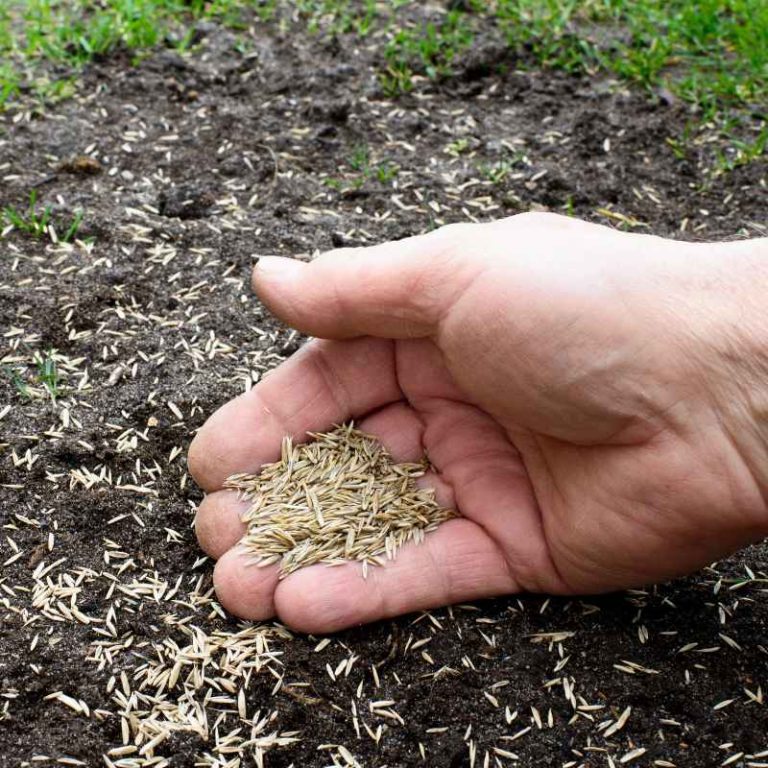
How to Plant an Apricot Tree From Seed That Will Thrive
Growing an apricot tree from seed is one of gardening’s most rewarding challenges. Imagine harvesting fresh, juicy apricots from a tree you nurtured from its earliest beginnings—a true testament to patience and skill. While apricot trees are commonly propagated by grafting, starting from seed offers a unique connection to the plant and a cost-effective way to expand your orchard.
However, growing an apricot tree that thrives requires careful attention to seed selection, stratification, planting, and ongoing care.
This guide delivers a comprehensive, data-driven roadmap for planting apricot trees from seed and ensuring their long-term health. Whether you’re an experienced gardener or a curious beginner, you’ll discover essential techniques, pitfalls to avoid, and actionable advice rooted in expert research.
From understanding climate and soil requirements to managing pests and diseases, you’ll learn how to create the conditions for your apricot tree to flourish year after year.
Key Takeaways
- Seed selection and preparation are crucial for healthy apricot tree growth.
- Stratification mimics natural winter conditions and boosts germination rates.
- Proper site selection and soil preparation significantly influence tree vitality.
- Regular care, including watering, mulching, and pruning, ensures robust growth.
- Apricot trees grown from seed may differ from parent plants due to genetic variability.
- Real-world examples and comparison tables help you make informed decisions.
Credit: www.youtube.com
Understanding Apricot Trees And Seed Propagation
Apricot trees (Prunus armeniaca) are prized for their sweet, flavorful fruit and attractive blossoms. Native to temperate regions, they are grown worldwide for both commercial and home orchards. Planting apricots from seed is less common than grafting but offers several advantages, including cost savings and the satisfaction of growing your own unique cultivar.
Apricot Tree Biology And Growth Habits
Apricot trees typically reach heights of 15–25 feet, with a spread of 10–20 feet. They produce fruit in 3–4 years when grown from seed, although grafted trees may fruit sooner. Apricots require full sun and well-drained soil to thrive, and they are notably sensitive to late spring frosts, which can impact flowering and fruit set.
Apricot trees are deciduous and exhibit a moderate growth rate, often putting on 12–24 inches of new growth each year under optimal conditions. Their beautiful pink to white blossoms emerge in early spring, often before the leaves, making them highly ornamental.
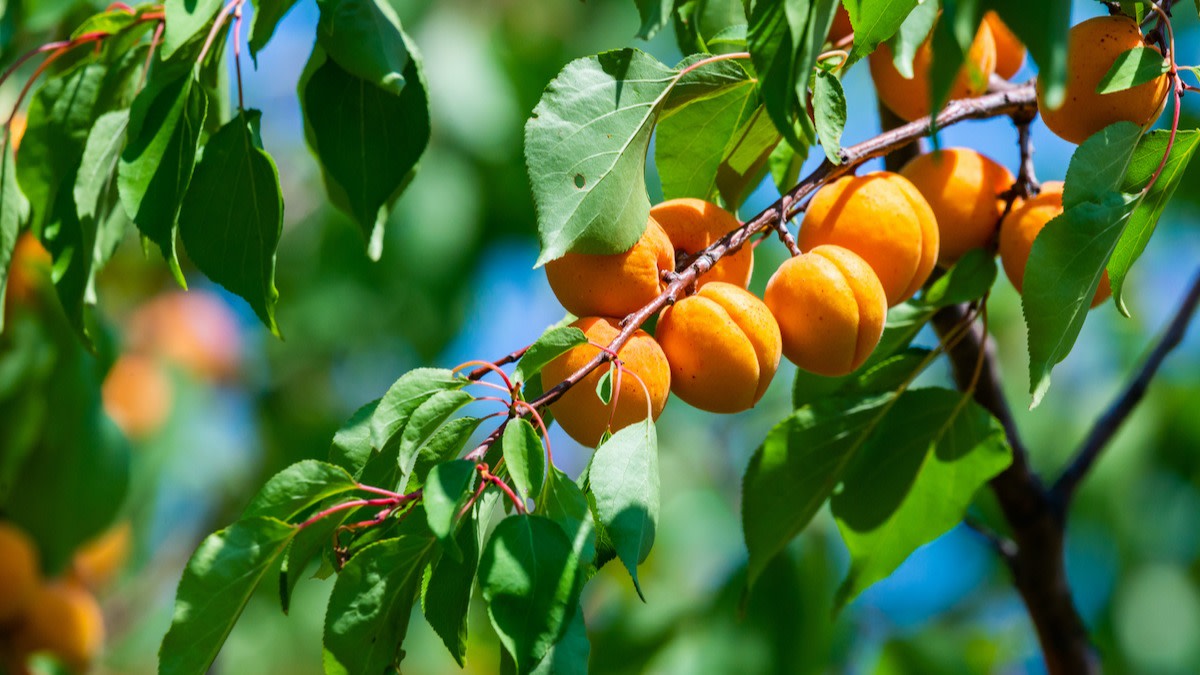
The leaves are oval with finely serrated edges, and the fruit is a drupe—fuzzy-skinned, yellow to orange, and containing a single large pit.
The root systems of apricot trees are relatively deep and extensive, allowing them to draw moisture and nutrients from lower soil layers. This characteristic makes them somewhat drought-tolerant once established, though young trees require consistent moisture. Apricot trees can live for 20–40 years with proper care, and their productivity often peaks between 8 and 20 years.
Seed Propagation Vs. Grafting: Pros And Cons
While grafted apricot trees guarantee fruit quality and faster yields, seed-grown trees offer unique benefits:
| Propagation Method | Advantages | Disadvantages |
|---|---|---|
| Seed |
|
|
| Grafting |
|
|
Grafting is often favored in commercial production because it ensures uniformity in fruit size, taste, and harvest timing, which is critical for market acceptance. Seed propagation, however, appeals to home gardeners and hobbyists interested in plant breeding or those who want to preserve heirloom varieties.
Why Grow Apricots From Seed?
Growing apricots from seed is ideal for gardeners seeking a hands-on experience and willing to accept variability in fruit quality. This method can also help preserve old varieties or discover new cultivars. According to the North Dakota State University Extension, seed-grown apricot trees are often more resilient and adaptable to local conditions compared to grafted counterparts.
Seed-grown trees may also show increased resistance to certain local pests and diseases, as natural selection favors the survival of seedlings best suited to their specific microclimate. For communities interested in biodiversity or food security, growing fruit trees from seed contributes to a more genetically diverse and robust orchard ecosystem.
Credit: www.masterclass.com
Selecting And Preparing Apricot Seeds
Choosing the right seeds and preparing them properly is the foundation of a thriving apricot tree. Not all seeds are created equal, and careful handling increases your chances of success.
How To Select Apricot Seeds
- Source fresh, ripe apricots from local orchards or farmers’ markets.
- Avoid supermarket fruit, which may be treated or genetically modified.
- Select apricots known to grow well in your climate zone.
Freshness matters because older seeds lose viability. If possible, choose fruit from healthy, productive trees, as this increases the odds of strong seedlings. Some growers even seek out wild or heritage apricots, believing these have hardier genetics.
Extracting And Cleaning Seeds
- Crack open the apricot pit carefully using a nutcracker or hammer.
- Remove the seed kernel without damaging it.
- Rinse seeds in cool water to remove any fruit residue.
- Dry seeds on a paper towel for 24 hours.
Be gentle when cracking the pits to avoid crushing the seed. Clean seeds are less likely to harbor mold or pathogens during stratification. If preparing many seeds, consider soaking them in a weak bleach solution (1 part bleach to 10 parts water) for 10 minutes, then rinsing thoroughly to further reduce disease risk.
Stratification: Mimicking Winter Conditions
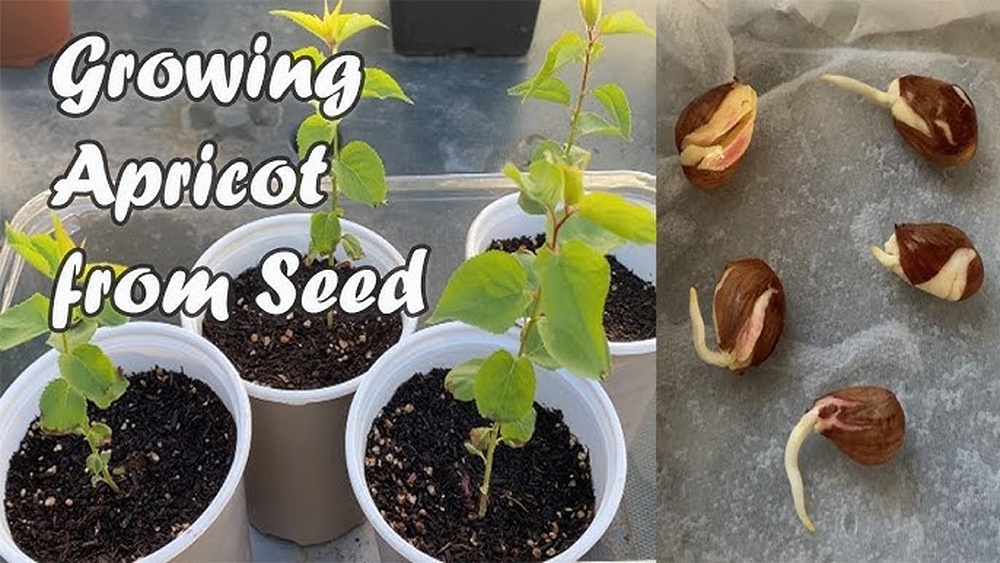
Apricot seeds require stratification—a cold, moist period—to break dormancy and germinate successfully. This simulates winter and boosts germination rates.
Steps For Stratification
- Place cleaned seeds in a plastic bag filled with damp peat moss or vermiculite.
- Label the bag with the date.
- Refrigerate at 34–40°F (1–4°C) for 6–8 weeks.
- Check periodically for mold; replace medium if needed.
Some gardeners use a mixture of sand and peat moss. The key is maintaining moisture without allowing the seeds to sit in water, which can cause rot. If you notice seeds starting to crack open in the fridge, this is a sign they are ready to plant.
Research from the National Center for Biotechnology Information confirms that stratification enhances apricot seed germination by up to 80%. This process is essential for breaking the physiological dormancy present in most apricot varieties.
Case Study: Stratification Success In Utah
A Utah gardener stratified apricot seeds from local fruit in a home refrigerator for 7 weeks. After planting, 75% of the seeds sprouted within 3 weeks, compared to only 40% for non-stratified seeds. The resulting trees showed vigorous growth and survived winter frosts.
This real-world example highlights the importance of stratification. The gardener noted that seeds stratified in dry conditions or for less than 6 weeks had reduced sprouting, reinforcing the need for consistent moisture and proper timing.

Credit: www.epicgardening.com
Choosing The Right Location And Preparing Soil
The site you select and the soil you prepare directly impact the growth and health of your apricot tree. Apricots are sensitive to waterlogging and nutrient deficiencies, so careful planning pays off.
Climate Requirements And Hardiness Zones
Apricot trees thrive in USDA hardiness zones 5–9. They need cold winters to break dormancy but are vulnerable to late frosts. Consult the USDA Plant Hardiness Zone Map to determine your suitability.
Apricots require a certain number of chilling hours—hours below 45°F (7°C)—to ensure proper bud development. Varieties differ in their chill requirements, so growing local or regionally adapted apricots from seed increases your chance of success. In areas with mild winters, look for low-chill varieties or select seeds from local trees that fruit reliably.
Ideal Climate Features
- Full sun: At least 6–8 hours daily.
- Moderate winter chill: 600–900 chilling hours.
- Low spring frost risk: Avoid valleys and frost pockets.
Late spring frosts are a common cause of crop loss. Planting on slopes or elevated areas can help cold air drain away from the trees, reducing frost damage. In regions with high summer heat, some afternoon shade can help prevent sunburn on tender young trees.
Soil Preparation And Testing
Healthy soil is key to apricot success:
- Test soil pH; aim for 6.5–7.5.
- Ensure well-drained, sandy loam soil.
- Amend clay or sandy soils with compost or organic matter.
- Avoid sites with standing water or heavy clay.
| Soil Type | Drainage | pH Range | Suitability |
|---|---|---|---|
| Sandy Loam | Excellent | 6.5–7.5 | Best |
| Clay | Poor | 6.0–7.0 | Requires amendment |
| Sandy | Good | 6.0–7.5 | Needs organic matter |
To amend clay soils, incorporate generous amounts of compost, aged manure, or leaf mold to improve drainage and structure. For sandy soils, adding organic matter increases water and nutrient retention. A soil test kit or lab analysis can help you identify deficiencies in nutrients such as phosphorus or potassium, which are essential for root and fruit development.
Site Selection Tips
- Plant on a south-facing slope for optimal sunlight and frost protection.
- Space trees at least 20 feet apart to allow for mature growth and air circulation.
- Avoid areas near large trees that compete for water and nutrients.
Consider wind exposure—strong winds can cause branch breakage or increase water loss, so a windbreak or fence may be beneficial. Good air circulation helps prevent fungal diseases, which are more common in humid or poorly ventilated locations.
Example: Site Preparation In California
A gardener in California tested their soil and amended clay with organic compost. The site was a south-facing slope, and drainage improved dramatically. Their apricot tree from seed produced fruit in its fourth year, with minimal disease issues.
Regular addition of compost and mulch helped maintain soil fertility, while a drip irrigation system ensured consistent moisture. This proactive approach to soil and site preparation contributed to the tree’s long-term health and productivity.
Planting Apricot Seeds For Maximum Success
The planting process sets the stage for healthy root development and vigorous growth. Timing, depth, and technique all play roles in a successful outcome.
When To Plant Apricot Seeds
- Spring planting: After last frost, once soil warms to at least 50°F (10°C).
- Seeds can also be planted in fall for natural stratification, but spring offers more control.
If planting in fall, protect seeds from rodents by covering with hardware cloth or starting seeds in pots. Spring planting allows for better monitoring of moisture and temperature, leading to more uniform germination.
Step-by-step Planting Process
- Select a sunny, well-prepared site.
- Dig holes 1–2 inches deep and 3 inches apart for each seed.
- Place stratified seeds in holes, cover lightly with soil.
- Water gently to settle soil without compacting.
- Mulch with straw or wood chips to retain moisture and suppress weeds.
For container planting, use deep pots or tree tubes to accommodate taproot growth. Transplant young trees before they become root-bound. Use sterilized potting mix to reduce disease risk.
Watering And Early Care
- Keep soil consistently moist but not waterlogged.
- Germination occurs in 2–4 weeks; monitor for sprouts.
- Thin seedlings to one per spot once they reach 3–5 inches tall.
In the first year, avoid letting seedlings dry out, as young roots are particularly sensitive. Use a gentle spray or drip irrigation to prevent soil disturbance.
Transplanting Seedlings
Once seedlings reach 6–8 inches, transplant to their permanent location:
- Handle roots gently; avoid root disturbance.
- Space trees 20–25 feet apart.
- Water thoroughly after transplanting.
Transplant on a cool, overcast day or in the late afternoon to minimize transplant shock. Water well for the first two weeks, and provide shade cloth if temperatures are high.
Case Study: Spring Planting In Washington
A home gardener in Washington state planted stratified apricot seeds in raised beds after the last frost. By mid-summer, seedlings reached 8 inches and were transplanted to a sunny orchard. The trees endured their first winter and grew rapidly the following spring.
This success was attributed to regular watering, weed control, and protection from rabbits using tree guards. The gardener noted that raised beds provided better drainage, reducing losses from root rot.
Caring For Young Apricot Trees
Ongoing care is essential for transforming seedlings into mature, productive apricot trees. Proper watering, mulching, fertilization, and pruning help maintain vigor and prevent common problems.
Watering Guidelines
- Apricot trees need 1–2 inches of water per week during the growing season.
- Use drip irrigation or soaker hoses for deep watering.
- Reduce watering in fall to encourage dormancy.
Monitor rainfall and adjust irrigation accordingly. Young trees are especially vulnerable to drought, which can stunt growth or kill roots. Conversely, avoid watering the trunk directly to prevent fungal diseases.
Mulching And Weed Control
- Apply 2–4 inches of organic mulch around the base, keeping it 2 inches from the trunk.
- Mulch suppresses weeds, conserves moisture, and regulates soil temperature.
- Hand-pull weeds to avoid damaging roots.
Organic mulches such as straw, wood chips, or composted leaves break down over time, improving soil structure and fertility. Avoid piling mulch against the trunk, which can harbor pests or encourage rot.
Fertilizing Young Trees
- Fertilize in early spring with balanced 10-10-10 fertilizer.
- Avoid over-fertilizing; excess nitrogen leads to weak growth.
- Consider soil testing before applying any fertilizer.
For organic gardeners, well-rotted manure, compost, or fish emulsion are suitable alternatives. Apply fertilizer in a wide ring around the drip line to encourage roots to spread.
Pruning And Training
- Begin pruning after the first year to shape the tree.
- Remove weak, crossing, or diseased branches.
- Train central leader or open vase shape for best air circulation.
Pruning in late winter or early spring before bud break reduces disease risk. Proper structure improves fruit quality and facilitates harvesting. Remove any suckers growing from the base.
Example: Mulching For Success In Colorado
A Colorado gardener mulched young apricot trees with shredded bark and straw. Mulching reduced water needs by 30% and improved seedling survival rates compared to unmulched trees.
The gardener also reported fewer weeds and more even soil temperatures, which helped prevent frost heaving in winter and root stress during summer heat.
Managing Pests, Diseases, And Environmental Challenges
Apricot trees are susceptible to several pests and diseases, especially when grown from seed. Early identification and prompt action prevent losses and ensure tree health.
Common Apricot Pests
- Aphids: Cause leaf curl and reduced growth.
- Borers: Tunnel into trunks and branches.
- Spider mites: Lead to leaf discoloration.
Birds and squirrels may also be attracted to young fruit or tender shoots. Physical barriers like netting or trunk wraps can help protect trees during vulnerable periods.
Disease Risks
- Brown rot: Fungal disease affecting blossoms and fruit.
- Bacterial canker: Causes gumming and dieback.
- Shot hole disease: Leaves pitted with small holes.
Good sanitation, such as removing fallen fruit and leaves, reduces inoculum levels. Select disease-resistant local varieties when possible.
Integrated Pest Management Strategies
- Inspect trees weekly for signs of pests or disease.
- Remove infected branches and dispose of off-site.
- Use horticultural oils or insecticidal soap for aphids and mites.
- Apply fungicides as needed, following label directions.
Encourage beneficial insects (like ladybugs and lacewings) and maintain tree vigor, as healthy trees are less susceptible to damage. Crop rotation and interplanting with pest-repellent herbs can further reduce pressure.
Environmental Stresses
- Protect from late spring frosts with row covers or burlap.
- Monitor for drought stress; increase watering during heatwaves.
- Avoid overwatering, which promotes root rot.
In regions with strong winds, consider staking young trees or installing windbreaks. Use shade cloth during extreme heatwaves to prevent sunscald on young bark.
Example: Pest Control In Oregon
An Oregon gardener implemented weekly inspections and applied neem oil to control aphids on young apricot trees. Pest damage was reduced by 60%, and trees maintained vigorous growth throughout the season.
This example demonstrates the effectiveness of regular monitoring and organic pest control methods, particularly in home orchards where chemical use is minimized.
Fruiting, Harvesting, And Long-term Maintenance
With proper care, your apricot tree will begin to fruit within 3–5 years. Understanding fruiting cycles and maintenance ensures continued productivity.
Time To Fruiting
- Seed-grown apricot trees typically fruit in 3–5 years.
- Grafted trees may fruit in 2–3 years.
Growth rates and fruiting times can be influenced by variety, care, and environmental factors. Patience is essential, as some trees may take a little longer to mature.
Signs Of Readiness
- Blossoms appear in early spring.
- Fruit sets and matures in late spring to early summer.
Thinning fruit (removing excess young apricots) helps remaining fruit grow larger and prevents branch breakage. A mature apricot tree can produce 50–100 pounds of fruit annually under optimal conditions.
Harvesting Tips
- Harvest fruit when fully colored and slightly soft.
- Twist gently to remove; avoid pulling, which damages branches.
- Store apricots in cool, dry conditions for up to 7 days.
Overripe fruit attracts pests and drops easily, so check trees daily during harvest season. Apricots can be dried, canned, or frozen for later use.
Long-term Maintenance
- Annual pruning maintains shape and air circulation.
- Mulching and fertilizing support continued growth.
- Monitor for pests and diseases each season.
Renew mulch each spring, and consider adding a top-dressing of compost annually. If disease pressure increases, rotate fungicides and focus on hygiene.
| Year | Seed-Grown Tree | Grafted Tree |
|---|---|---|
| 1–2 | Seedling growth | Establishment, early fruiting |
| 3–5 | Initial fruiting | Full fruit production |
| 6+ | Full fruit production | Maintenance phase |
Example: Harvesting In New York
A gardener in New York harvested apricots from a seed-grown tree after four years. The fruit quality was excellent, with a unique flavor profile. Annual pruning and organic fertilization kept the tree productive for over a decade.
This gardener found that seed-grown trees sometimes produced larger crops than grafted ones, likely due to deeper, more robust root systems.
Common Mistakes And How To Avoid Them
Even experienced gardeners make mistakes when planting apricot trees from seed. Understanding common errors helps improve your odds of success.
Mistake 1: Inadequate Stratification
- Seeds planted without cold stratification often fail to germinate.
- Always stratify seeds for 6–8 weeks in the refrigerator.
Some gardeners try to shortcut stratification by planting directly in warm conditions, but this usually results in poor germination. Using a consistent, reliable stratification process is crucial.
Mistake 2: Poor Site Selection
- Planting in waterlogged or shaded sites leads to weak growth.
- Choose sunny, well-drained locations.
Inadequate sunlight or soggy soil often results in leggy growth, disease, or root loss. Take the time to prepare your site properly for best results.
Mistake 3: Overwatering Or Underwatering
- Waterlogging promotes root rot; drought stresses seedlings.
- Maintain consistent moisture, adjusting for weather.
Soil moisture meters or simple finger tests help prevent over- or under-watering. Mulching helps buffer soil moisture and temperature swings.
Mistake 4: Neglecting Pest And Disease Management
- Unchecked pests and diseases can kill young trees.
- Inspect regularly and take prompt action.
Proactive management is more effective than reactive treatment. Address problems early for best outcomes.
Mistake 5: Over-fertilizing
- Excess fertilizer leads to lush, weak growth.
- Use balanced fertilizer and follow recommendations.
Slow-release fertilizers or compost are safer alternatives, especially for novice gardeners.
Example: Avoiding Overwatering In Texas
A gardener in Texas monitored soil moisture closely using a probe, avoiding overwatering. The seed-grown apricot tree survived a hot summer with minimal stress and produced fruit in its fifth year.
This gardener’s use of mulch and drought-tolerant cover crops between trees also helped reduce evaporation and conserve water.
Real-world Success Stories
Learning from other gardeners’ experiences provides practical insight and inspiration.
Case Study 1: Apricot Orchard In Idaho
An Idaho orchardist planted 50 apricot seeds from local fruit, stratified for 8 weeks. 70% germinated, and after five years, 40 trees were producing high-quality apricots. Soil preparation and pest management were credited for their thriving orchard.
The orchardist experimented with different mulches and irrigation schedules, ultimately finding that a combination of drip irrigation and straw mulch yielded the healthiest trees and best fruit.
Case Study 2: Urban Gardening In Chicago
A Chicago resident grew apricot trees from seed in containers, stratified in the refrigerator. Transplanted to raised beds, their trees survived urban winters and produced fruit in year four. Mulching and drip irrigation improved survival rates.
Their experience showed that even in challenging climates and limited space, careful attention to microclimate and soil health can result in productive fruit trees.
Case Study 3: Community Garden Project In Arizona
A community garden project in Arizona involved children in planting apricot seeds. Stratification, soil testing, and integrated pest management resulted in 80% seedling survival. The project fostered gardening skills and community engagement.
The group also created a maintenance calendar for watering, weeding, and monitoring, ensuring that all participants contributed to the trees’ success and learned valuable lessons about sustainable gardening.
Resources And Further Reading
For more information on apricot tree cultivation and seed propagation, consult the following authoritative resources:
- Wikipedia: Apricot
- University of Minnesota Extension
- Royal Horticultural Society
- Gardening Know How
- North Dakota State University Extension
- National Center for Biotechnology Information
Frequently Asked Questions
How Long Does It Take For An Apricot Tree Grown From Seed To Bear Fruit?
Apricot trees grown from seed typically begin fruiting in 3–5 years. This timeline can vary based on climate, care, and genetic factors. Grafted trees may bear fruit in 2–3 years. Patience is essential, as a seed-grown tree’s early years are focused on establishing strong roots and branches before supporting fruit.
Can I Plant Apricot Seeds Directly In The Ground Without Stratification?
Planting apricot seeds without stratification significantly reduces germination rates. Stratification mimics winter and is essential for breaking seed dormancy. For best results, stratify seeds for 6–8 weeks before planting. In climates with cold winters, you can plant seeds outdoors in fall, but be aware of rodent predation.
Will My Seed-grown Apricot Tree Produce Fruit Identical To The Parent?
Apricot trees grown from seed may produce fruit with different qualities due to genetic variability. While the fruit may resemble the parent, characteristics such as flavor, size, and color can vary. This genetic diversity is part of the excitement but means you may discover a new favorite variety—or a tree that’s better suited as rootstock or for jam.
What Is The Best Soil For Apricot Trees?
Apricot trees thrive in well-drained, sandy loam soil with a pH of 6.5–7.5. Avoid heavy clay or waterlogged soil, which can stunt growth and promote disease. Regularly adding organic matter improves both structure and fertility, and annual soil testing helps you adjust your amendment strategy over time.
How Do I Protect Young Apricot Trees From Pests And Diseases?
Regular monitoring and integrated pest management are crucial. Inspect trees weekly, remove infected branches, use horticultural oils or insecticidal soap for pests, and apply fungicides as needed. Encouraging beneficial insects, practicing good sanitation, and using physical barriers like row covers also reduce pest pressure.
Planting an apricot tree from seed is a journey that requires patience, diligence, and a willingness to learn. With careful seed selection, proper stratification, and attentive care, you can nurture a tree that not only survives but thrives—rewarding you with delicious fruit and a sense of accomplishment.
By following expert guidance and learning from real-world examples, you’ll maximize your success and contribute to the legacy of homegrown apricots for generations to come.