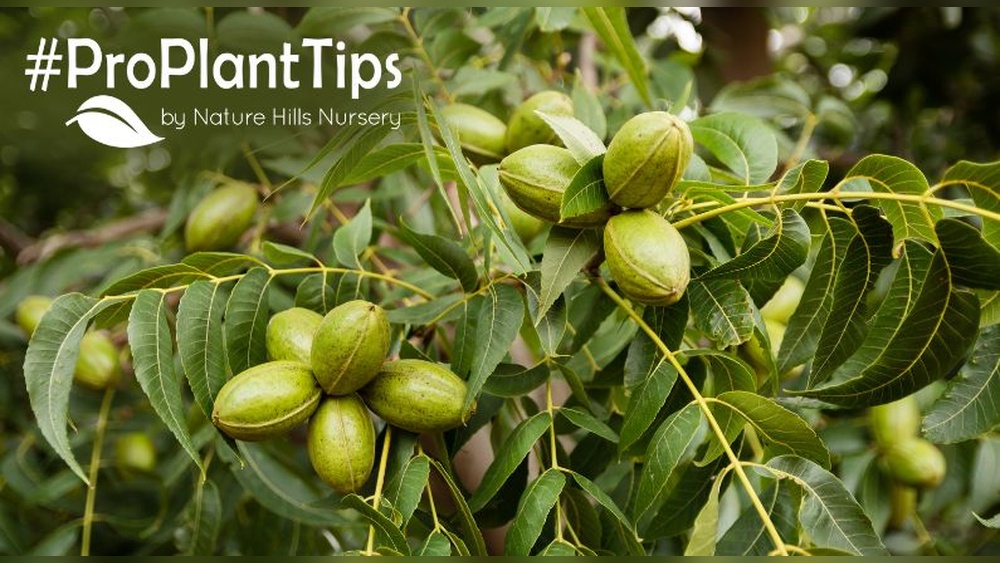
How to Plant a Pecan Tree From a Seed (Full Guide)
Planting a pecan tree from a seed is a deeply rewarding endeavor that connects you to the ancient tradition of cultivating one of North America’s most iconic nut trees. Whether you’re a backyard gardener, a small homesteader, or simply passionate about growing your own food, starting a pecan tree from seed offers a unique opportunity to witness every stage of this majestic tree’s life cycle.
While the process requires patience and careful attention, the result—a towering shade tree that produces buttery, nutritious pecans for generations—is more than worth the effort.
Pecan trees (Carya illinoinensis) are valued for their delicious nuts, stately appearance, and ecological benefits. Their cultivation is rooted in centuries of Native American and Southern agricultural history, with the United States producing over 80% of the world’s pecans today.
This guide walks you through every step of growing a pecan tree from seed, providing practical advice, scientific data, and expert insights to ensure your success. Whether you’re new to gardening or an experienced horticulturist, you’ll find actionable information and real-world examples to guide your journey.
Key Takeaways
- Pecan trees grown from seed require specific stratification and planting techniques for successful germination.
- Expect 8–15 years before your seed-grown pecan tree produces its first harvestable nuts.
- Site selection, soil preparation, and early care are critical for healthy seedling development.
- Seedling trees may differ from the parent tree due to genetic variation; grafting is often used for commercial orchards.
- Patience and long-term care are essential—pecan trees can live and produce for over 100 years.
- This guide covers seed selection, stratification, planting, care, and troubleshooting in detail.

Credit: empressofdirt.net
Understanding The Pecan Tree: Biology And Varieties
The Pecan’s Place In Nature
The pecan tree is a deciduous member of the hickory family, native to the Mississippi River region. Mature trees can reach heights of 70–100 feet and live for centuries. Pecans are wind-pollinated, and their nuts are a staple in culinary traditions and wildlife diets.
Pecan trees play a critical ecological role, serving as keystone species in their native range. Their expansive canopy provides shade and habitat for countless birds, mammals, and insects. The nuts are a vital food source for squirrels, raccoons, and even deer, while the leaves and branches offer nesting sites for avian species.
In addition, the deep taproot system of mature pecans helps stabilize soil, preventing erosion and promoting healthy watershed function.
Notable Pecan Varieties
There are over 500 named pecan cultivars, but when planting from seed, you’re typically growing a “seedling” tree. Seedlings often display genetic diversity, with nut quality and tree growth varying from the parent. Popular cultivars include:
- Stuart: Known for its large, easy-to-shell nuts and strong disease resistance, Stuart is a staple in southern orchards.
- Desirable: Favored for its high-quality nuts and consistent yields, Desirable is often used as a pollenizer in commercial settings.
- Pawnee: A relatively early-maturing variety, Pawnee is prized for its adaptability to both northern and southern climates.
- Cape Fear: With moderate resistance to scab and medium-sized nuts, Cape Fear is a reliable choice for backyard growers.
- Elliott: Renowned for its small, sweet nuts and exceptional disease resistance, Elliott is favored in humid coastal areas.
While these named varieties are generally propagated via grafting to ensure trait consistency, planting from seed introduces variability. Each seedling represents a unique genetic combination, and the resulting tree may exhibit different growth rates, nut sizes, shell thicknesses, and disease tolerances.
Seedling Vs. Grafted Trees
Most commercial orchards use grafted trees to ensure nut quality and predictability. Seed-grown trees offer robust root systems and adaptability, but their nuts may not match the parent’s quality. However, they’re excellent for shade, wildlife, and personal enjoyment.
Seedlings possess several advantages: their natural taproot development leads to drought resilience and strong anchorage, and they are often more tolerant of environmental stressors. Conversely, grafted trees may produce nuts sooner and more reliably, but their root systems can be less vigorous. For the home gardener or those interested in conservation and biodiversity, seed-grown pecans are a wonderful choice.
Pecan Tree Lifespan And Yield
Pecan trees begin producing nuts 8–15 years after planting from seed. Mature trees can yield 40–50 pounds of nuts annually, with some producing over 200 pounds under ideal conditions. According to the USDA, the United States harvests over 250 million pounds of pecans annually.
The longevity of pecan trees is remarkable; many historical groves feature trees well over a century old. With proper care, your seed-grown pecan could become a legacy tree, outlasting generations and contributing to the local ecosystem through shade, nut production, and wildlife habitat.
Preparing To Plant: Selecting And Stratifying Pecan Seeds
How To Select Viable Pecan Seeds
Start with fresh, locally sourced pecan nuts for the best germination rates. Nuts should:
- Be free of cracks, mold, or insect damage
- Come from healthy, productive trees
- Be collected in the autumn, soon after falling
Test viability by placing nuts in water; healthy seeds will typically sink, while non-viable ones float.
Selecting seeds from locally adapted trees increases your chances of success. Trees thriving in your region are more likely to produce offspring suited to local conditions, including pest resistance and climate tolerance. Additionally, the timing of harvest is important—pecan nuts collected immediately after they drop are at peak freshness and have not been exposed to prolonged wet or cold conditions that can trigger rot or fungal infection.
If you have access to multiple trees, consider gathering nuts from several to enhance genetic diversity. This approach can result in seedlings with a broader range of traits, some of which may outperform their parents in nut quality, disease resistance, or growth rate.
Stratification: Mimicking Nature’s Winter
Pecan seeds require cold stratification to break dormancy, simulating a natural winter. Without this step, germination rates plummet.
Steps for Cold Stratification:
- Soak seeds in water for 24 hours.
- Mix seeds with moist sand or sphagnum moss in a sealed plastic bag.
- Refrigerate at 34–40°F for 90–120 days.
- Check moisture periodically to prevent drying out or mold.
This process is critical; studies from Texas A&M University show stratified pecan seeds have a germination rate of 70–90%, compared to under 20% for non-stratified seeds.
For those in warmer climates, artificial stratification is essential. In northern areas, some gardeners achieve stratification by sowing seeds directly outdoors in late fall, letting nature provide the cold treatment. However, indoor stratification offers greater control and reduces the risk of predation or rot.
Check your seeds every few weeks during stratification; if mold develops, gently rinse seeds and replace the medium with fresh, moist sand or moss.
Preparing For Planting
After stratification, seeds can be:
- Directly sown outdoors in early spring
- Started indoors in pots for controlled germination
Plant seeds promptly after stratification to avoid desiccation.
If you plan to start seeds indoors, choose containers at least 12 inches deep to accommodate the pecan’s long taproot. Use a well-draining potting mix, and avoid peat-heavy blends which may retain too much moisture. For direct planting, select a site with loose, friable soil and mark each spot clearly to track seedling emergence.

Credit: www.planetnatural.com
Site Selection And Soil Preparation
Choosing The Right Location
Pecan trees require:
- Full sun (minimum 6–8 hours daily)
- Well-drained, deep soils (loamy or sandy loam preferred)
- Adequate space (40–80 feet between trees for mature canopy spread)
Avoid low-lying areas prone to flooding or compacted soils.
Consider the long-term impact of tree placement. Pecans will eventually cast a broad, dense shade, so avoid planting near vegetable gardens, power lines, or structures that may be overshadowed. In urban or suburban settings, check local regulations regarding tree planting and setbacks.
Soil Testing And Amendment
Pecans thrive in slightly acidic to neutral soils (pH 6.0–7.0). Conduct a soil test before planting.
Common amendments:
- Lime to raise pH if too acidic
- Compost or aged manure for organic matter
- Sand or gypsum to improve drainage
Soil testing kits are available from extension offices or garden centers. In addition to pH, test for nutrient levels, particularly phosphorus, potassium, and zinc. Zinc deficiency is common in pecan orchards and can severely impact leaf health and nut production.
Amending the soil before planting gives your tree the best possible start.
Drainage And Water Table Considerations
Pecan roots are susceptible to root rot in saturated soils. Ensure:
- A water table at least 6 feet below the surface
- Raised beds if drainage is poor
If your site experiences periodic flooding or has clay-heavy soils, consider constructing raised beds or berms. These elevate the root zone and help prevent waterlogging. Alternatively, install French drains or other subsurface drainage solutions to channel excess water away from the planting site.
Preparing The Planting Site
- Clear weeds and grass from a 3–5 foot radius.
- Loosen soil to a depth of 18–24 inches.
- Incorporate amendments as needed.
This groundwork supports healthy root development, especially for the pecan’s deep taproot.
For best results, use a shovel or mechanical auger to loosen the soil, breaking up any compaction or hardpan layers. Mix in compost or manure to improve soil structure and fertility. If planting multiple trees, stagger them to maximize sunlight and airflow as they mature.

Credit: www.youtube.com
Planting Pecan Seeds: Step-by-step Guide
When To Plant
Plant stratified seeds in early spring, after the risk of hard frost but before soil temperatures exceed 65°F.
Timing is critical. In most regions, this window falls between March and May. If planting outdoors, monitor soil moisture and temperature closely; cold, wet soils can delay germination, while hot, dry conditions may desiccate seeds before they sprout.
How To Plant Pecan Seeds
- Dig a hole 1.5–2 inches deep.
- Place the seed on its side (hilum horizontal).
- Cover lightly with soil and water gently.
- Label the spot if planting multiple seeds or varieties.
Positioning the seed horizontally encourages proper root and shoot orientation. If planting in pots, use containers with drainage holes to prevent waterlogging. After covering the seed, gently tamp down the soil to eliminate air pockets while maintaining a loose, crumbly texture.
Spacing And Depth Table
| Planting Method | Depth | Spacing |
|---|---|---|
| Direct Sowing | 1.5–2 inches | 40–80 feet between mature trees |
| Container/Indoor | 1–1.5 inches | One seed per 12-inch deep pot |
For smaller gardens, you can plant pecans closer together (e. g. , 20–30 feet), but expect reduced nut yield and increased competition for resources. If planning an orchard, follow the wider spacing recommendations to optimize long-term productivity.
Watering And Early Care
Keep soil consistently moist, but not waterlogged. Seedlings typically emerge in 3–8 weeks. Protect young sprouts from:
- Rodents or squirrels (use wire mesh if needed)
- Heavy foot traffic or mowing
If rainfall is sparse, water gently every 2–3 days until seedlings emerge. Avoid using high-pressure hoses which can disturb soil and expose seeds. For outdoor plantings, consider installing temporary fencing or placing mesh screens over the planting site to deter animals.
Transplanting Seedlings
If started indoors, transplant seedlings when:
- They have 2–3 sets of true leaves
- The taproot is less than 12 inches long (before it becomes difficult to manage)
Handle gently to avoid root damage.
Transplanting should be done on a cool, cloudy day to minimize transplant shock. Water the seedling thoroughly before and after moving, and ensure the planting hole is deep enough to accommodate the taproot without bending.
Caring For Young Pecan Seedlings
Sunlight And Protection
Seedlings need full sun for optimal growth. Protect from:
- Wind damage (use temporary shelters if necessary)
- Lawnmowers and weed trimmers (mulch around base)
Strong winds can snap tender stems or dry out leaves. Use stakes or windbreaks if your site is exposed. Mulch not only protects from mechanical damage, but also buffers temperature extremes.
Watering Schedule
- First year: 1–2 inches of water per week (rain + irrigation)
- Second year onward: Deep, infrequent watering to encourage deep roots
Monitor soil moisture regularly. During dry spells, supplement with slow, deep irrigation to encourage roots to grow downward rather than sideways. Pecans are drought-tolerant once established, but young trees need consistent moisture.
Fertilization
Young pecan trees benefit from balanced slow-release fertilizers. Avoid excess nitrogen, which can cause weak growth.
Recommended nutrients:
- Nitrogen (N)
- Phosphorus (P)
- Potassium (K)
- Zinc (critical for leaf health)
Apply fertilizer in early spring and midsummer.
In sandy soils, supplement magnesium as well. Use soil test results to fine-tune your fertilizer regimen. Organic options such as bone meal or fish emulsion are effective for those preferring natural inputs. Avoid fertilizing too late in the season, as this can stimulate tender growth vulnerable to frost.
Mulching
Apply 2–4 inches of organic mulch (wood chips or straw) around seedlings to:
- Retain moisture
- Suppress weeds
- Regulate soil temperature
Keep mulch 2–3 inches away from the trunk to prevent rot.
Mulch also provides a habitat for beneficial soil organisms and gradually releases nutrients as it decomposes. Replenish mulch annually and remove any weeds that break through.
Pruning And Training
During the first few years:
- Remove low branches to encourage a strong central leader
- Trim broken or diseased limbs
- Avoid heavy pruning, which can stunt growth
The central leader system is ideal for pecans, producing a tall, straight trunk and balanced canopy. Begin shaping the tree early to avoid corrective pruning later, which can be more stressful for older trees.
Long-term Growth: From Seedling To Mature Tree
Years 1–5: Establishment Phase
- Rapid taproot growth anchors the tree and seeks deep water.
- Shoots and branches develop slowly.
- Protect from deer, rabbits, and livestock.
During this phase, focus on weed control and monitoring for pests. Mulch and fencing are your best defenses against animal damage.
Years 6–10: Structural Development
- Canopy expands significantly.
- Start light training for shape.
- Monitor for pests and diseases.
At this stage, the tree’s growth accelerates, and it begins forming a broad, spreading canopy. Annual inspections are crucial for catching pest infestations or disease outbreaks early.
Years 11–15: First Nut Production
- Expect the first harvestable nuts during this period.
- Nut quality may vary from parent due to genetic diversity.
- Some trees may take longer; patience is key.
Monitor soil fertility closely as the tree transitions to nut production. Trees bearing heavily may require increased irrigation and supplemental nutrients.
Table: Timeline Of Pecan Tree Development
| Year | Growth Stage | Key Actions |
|---|---|---|
| 1–2 | Seedling Establishment | Watering, protection, light fertilization |
| 3–5 | Root and Shoot Growth | Mulching, weed control, light pruning |
| 6–10 | Canopy Expansion | Structural pruning, pest monitoring |
| 11–15 | Nut Production Begins | Fertilization, irrigation, harvest |
Pollination And Cross-pollination
Pecans are monoecious (separate male and female flowers on the same tree) but often require cross-pollination for best nut set. Planting at least two genetically diverse trees within 200 feet increases yield.
Pecans have two distinct flowering types—protandrous (male flowers shed pollen first) and protogynous (female flowers are receptive first). To maximize nut set, pair trees of different types or consult local extension services for pollination charts. Bees, while not essential, can assist in pollen movement.
Real-world Example: Backyard Grower Success
In central Georgia, a home gardener planted three stratified pecan seeds in 2009. By 2026, two trees had reached 35 feet and produced their first small crop of nuts. The third, shaded by an oak, lagged behind. This highlights the importance of sunlight and spacing—and the patience required for seed-grown pecans.
Additionally, the grower observed that the two productive trees had slightly different nut shapes and shell thicknesses, underscoring the genetic diversity inherent in seedling pecans. Soil amendments and regular watering proved crucial during dry summers, and the trees attracted local wildlife, including blue jays and squirrels.
Managing Pests, Diseases, And Common Challenges
Major Pecan Pests
- Pecan weevil
- Hickory shuckworm
- Aphids
- Twig girdlers
Monitor trees regularly and use integrated pest management (IPM) strategies. For more details, see UF Entomology.
IPM combines biological, cultural, and chemical controls. For example, regular scouting for aphids allows early intervention before populations explode. Beneficial insects, like ladybugs and lacewings, can help manage aphid outbreaks. Timely removal of fallen nuts and debris reduces habitat for weevils and shuckworms.
Common Diseases
- Scab (fungal disease causing black lesions)
- Powdery mildew
- Crown gall
Promote good air circulation and avoid overhead watering. Fungicides may be needed in humid climates.
Scab is the most serious disease in pecan orchards, especially in the Southeast. Resistant cultivars and proper pruning reduce risk. Apply fungicides in spring as new growth appears and continue through the growing season as needed. Remove and dispose of infected leaves and twigs to limit spread.
Physiological Disorders
- Zinc deficiency: Appears as yellow, wavy leaves. Apply zinc sulfate as recommended.
- Poor nut set: Often due to lack of cross-pollination or drought stress.
Leaf analysis can help diagnose micronutrient deficiencies. Foliar sprays of zinc are often more effective than soil applications, especially in alkaline soils.
Wildlife And Animal Damage
- Squirrels and crows may dig up seeds or eat young nuts.
- Use tree guards or fencing to protect seedlings.
Young trees are also vulnerable to deer browsing and rabbit gnawing. Commercial tree guards or homemade barriers can save your seedlings. For mature trees, netting or scare devices may deter persistent wildlife during harvest season.
Case Study: Orchard Management
A pecan grower in Texas noticed poor nut development despite healthy trees. Soil tests revealed zinc deficiency and compacted soil. After amending the soil and applying zinc, nut quality improved within three years, demonstrating the impact of nutrition and soil management on pecan success.
This case illustrates the importance of ongoing monitoring and adjustment. Even mature trees can benefit from targeted fertilization and soil aeration. Mulch and cover crops were also introduced, further enhancing soil health and reducing weed competition.
Harvesting, Storing, And Using Pecans
When And How To Harvest
Pecan nuts mature in September to November, depending on the region. Signs of readiness include:
- Shucks splitting open
- Nuts dropping to the ground
Collect nuts daily to minimize losses to wildlife.
In addition to hand-picking, some growers use mechanical shakers to harvest nuts efficiently. For backyard trees, simply gather fallen nuts promptly and inspect for signs of insect damage or mold.
Cleaning And Drying
- Remove shucks and debris.
- Wash nuts in clean water.
- Dry in a single layer for 2–3 weeks in a cool, airy location.
Proper drying prevents mold and ensures long-term storage quality.
Spread nuts on wire racks or trays in a well-ventilated area. Stir periodically to ensure even drying. If you live in a humid climate, consider using a food dehydrator set to a low temperature.
Storing Pecans
- In-shell nuts: Store in a cool, dry place for up to 6–12 months.
- Shelled nuts: Store in airtight containers; refrigerate for up to 9 months or freeze for 2 years.
For more on safe storage, see National Center for Home Food Preservation.
Check nuts periodically for signs of mold or rancidity. For best flavor, shell and freeze pecans soon after harvest. Vacuum sealing extends shelf life further.
Culinary Uses
Pecans are prized for:
- Baking (pies, cookies, breads)
- Snacking (roasted, salted, candied)
- Salads and savory dishes
Their high oil content (over 70%) makes them a staple in Southern cuisine and a nutritious source of healthy fats.
Try adding pecans to oatmeal, yogurt, or stir-fry dishes. Homemade pecan butter is a delicious alternative to peanut butter. Pecans also feature in traditional recipes such as pecan pralines, pecan-crusted fish, and even savory pesto.
Table: Nutritional Profile Of Pecans (per 1 Oz/28g)
| Nutrient | Amount | % Daily Value |
|---|---|---|
| Calories | 196 | 10% |
| Total Fat | 20g | 31% |
| Protein | 2.6g | 5% |
| Dietary Fiber | 2.7g | 11% |
| Magnesium | 34mg | 8% |
| Zinc | 1.3mg | 12% |
For further nutritional details, consult the USDA FoodData Central.
Advanced Tips: Maximizing Growth And Nut Production
Grafting For Superior Nut Quality
Because seedling pecan trees may not replicate the parent’s quality, many growers graft a desirable cultivar onto a robust seedling rootstock once the tree is 2–4 years old. Grafting can:
- Accelerate nut production (by 2–4 years)
- Ensure nut size, taste, and shell thickness
Grafting resources are available from the Alabama Cooperative Extension.
Popular grafting methods include the whip-and-tongue graft, bark graft, and four-flap graft. Timing is key; perform grafts in spring when sap flow is strong. Label grafted trees with the cultivar name to track nut quality and yield.
Managing Nut Drop And Alternate Bearing
Pecans are known for alternate bearing—heavy crops one year, light the next. Mitigate by:
- Balanced fertilization
- Consistent irrigation
- Thinning young nuts in heavy years
Alternate bearing is influenced by tree health, weather, and previous crop load. Removing excess young nuts during bumper years can help balance future yields and prevent resource depletion.
Soil Health And Cover Crops
Promote soil biodiversity with cover crops such as clover or rye. This improves:
- Soil structure
- Nutrient cycling
- Pest suppression
Cover crops fix nitrogen, increase organic matter, and reduce erosion. Rotate species annually for maximum benefit. Avoid tilling deeply to preserve soil microbe communities critical for pecan health.
Real-world Example: School Project Success
A high school in Oklahoma planted pecan seeds as part of a science project. After 12 years, several trees produced nuts, and the project inspired a community orchard. This underscores the long-term value and educational opportunities of growing pecans from seed.
The school incorporated lessons on ecology, genetics, and food systems, and students learned firsthand the importance of patience, planning, and stewardship. The orchard became a living laboratory, providing shade and nuts for generations of students.
Environmental Impact
Pecan trees provide:
- Wildlife habitat
- Erosion control
- Carbon sequestration
They’re a sustainable choice for both urban and rural landscapes.
Pecan trees absorb carbon dioxide, helping mitigate climate change. Their deep roots stabilize soils, making them ideal for riparian restoration and windbreaks. The nuts support native wildlife and promote biodiversity.
Frequently Asked Questions
How Long Does It Take For A Pecan Tree Grown From Seed To Produce Nuts?
Seed-grown pecan trees typically begin producing nuts after 8–15 years, depending on soil, climate, and care. Grafted trees may bear earlier, but patience is required with seed-grown specimens.
Can I Plant A Store-bought Pecan?
While technically possible, store-bought pecans are often dried or heat-treated, reducing viability. For best results, use fresh, locally harvested nuts collected in autumn.
Do I Need More Than One Pecan Tree For Pollination?
Yes. For optimal nut production, plant at least two genetically distinct trees within 200 feet to ensure effective cross-pollination.
Is It Better To Plant Pecan Seeds Directly In The Ground Or Start Them In Pots?
Both methods are viable. Direct planting allows the taproot to develop without disturbance, while pots give you more control and protection. However, transplant young seedlings before roots become too long.
How Can I Tell If My Young Pecan Tree Is Healthy?
Healthy seedlings have vigorous green leaves, strong stems, and steady growth. Watch for yellowing, stunted growth, or leaf spots—these may indicate nutrient deficiencies or disease.
Additional Resources
- Texas A&M Pecan Fact Sheet
- Purdue University: Pecan Culture
- Alabama Extension: Home Pecan Production
Planting a pecan tree from seed is an exercise in vision, patience, and stewardship. Each step—from selecting the perfect nut to nurturing a tiny sprout and, eventually, harvesting your own crop—connects you to the land and its long history. With careful planning and attentive care, your seed-grown pecan tree can become a living legacy, providing shade, beauty, and bounty for decades to come.
Whether you’re starting a single tree or a whole orchard, remember that pecan cultivation is a marathon, not a sprint. The rewards—delicious nuts, stately shade, wildlife habitat, and a sense of accomplishment—are worth every year of waiting. Share your experience with others, and you’ll be contributing to the rich tapestry of pecan culture that spans generations.