When Should You Plant Dahlia Bulbs
Dahlias are celebrated for their dazzling colors, intricate petal shapes, and vibrant garden presence. Whether you’re a seasoned horticulturist or a first-time grower, knowing when to plant dahlia bulbs is critical to achieving those coveted blooms. Timing matters: plant too early, and you risk frost damage; too late, and you miss the optimal growing window. Understanding regional climate patterns, soil preparation, and bulb health can transform your dahlia-growing experience from trial-and-error to a reliable annual highlight.
Dahlias reward patience and precision. Their bulbs, technically called tubers, demand the right temperature, moisture, and sunlight to thrive. This guide offers actionable advice, real-world examples, and data-driven comparisons to help you plant dahlia bulbs at the perfect time, regardless of your location or gardening experience.
Let’s unravel the secrets of strategic planting, so your garden bursts into spectacular color at just the right moment.
Key Takeaways
- Optimal dahlia planting depends on local frost dates and soil temperature.
- Wait until soil reaches at least 60°F (16°C) and risk of frost has passed.
- Regional climate strongly affects planting windows; consult local extension services.
- Proper soil preparation and bulb selection are essential for healthy growth.
- First-time growers should prioritize timing and tuber health for best results.

Credit: www.victoriawade.co.uk
Understanding Dahlia Bulbs: What Makes Timing Crucial?
Dahlia bulbs are actually tubers, not true bulbs, and their growth cycle is sensitive to environmental cues. The tubers store energy and nutrients, enabling dahlias to survive winter dormancy and burst into growth when conditions improve. Planting timing influences tuber sprouting, disease resistance, and eventual flowering.
The Lifecycle Of Dahlia Tubers
Dahlias originate from the mountainous regions of Mexico and Central America, where they experience a distinct dry season. In temperate climates, tubers enter dormancy in winter. As soil warms in spring, tubers break dormancy and produce shoots. If planted too early, cold soil slows growth and increases the risk of rot.
Too late, and the plants may not mature before frost returns.
The Role Of Soil Temperature
Soil temperature is a decisive factor in dahlia success. Tubers require warmth to activate growth enzymes. According to the University of Minnesota Extension, dahlias should be planted when soil temperatures consistently reach at least 60°F (16°C) at a depth of six inches. Cold, wet soil can cause tubers to rot, while warm, dry conditions promote healthy sprouting.
Frost Risk And Planting Windows
Frost is a major threat to dahlias. The tender shoots are highly susceptible to cold damage. The average last frost date in your area determines the safe planting window. Use resources like the USDA Plant Hardiness Zone Map or local extension services to identify your frost dates. Planting after the last frost minimizes the risk of crop loss.
Example: Early Planting In Northern States
In my experience as a gardener in Minnesota, attempting to plant dahlias before mid-May often resulted in poor emergence and rot. Waiting until late May, when soil temperatures rose and frost risk diminished, consistently produced vigorous plants and abundant blooms.

Credit: envii.co.uk
Regional Planting Recommendations
Different regions across the United States and globally have unique climate patterns, affecting the ideal time to plant dahlia bulbs. Below, we break down planting advice for various climates.
Northern United States (zones 3, 5)
- Last frost typically in late May.
- Plant dahlias late May to early June.
- Raised beds and black plastic mulch can help warm soil more quickly.
Midwest And Pacific Northwest (zones 6, 7)
- Last frost mid-April to early May.
- Plant tubers early to mid-May.
- Monitor soil moisture; spring rains can delay warming.
Southern United States (zones 8, 10)
- Last frost late March to early April.
- Plant dahlias mid-April.
- In warmer climates, dahlias may be perennial; tubers can be left in the ground.
United Kingdom And Western Europe
- Plant after the last frost, usually late April to mid-May.
- Start tubers indoors in pots if outdoor soil is slow to warm.
Data Table: Regional Planting Windows
| Region | USDA Zone | Average Last Frost | Recommended Planting |
|---|---|---|---|
| Northern US | 3, 5 | Late May | Late May, Early June |
| Midwest/Pacific NW | 6, 7 | Mid-April, Early May | Early, Mid May |
| Southern US | 8, 10 | Late March, Early April | Mid-April |
| UK/Western Europe | n/a | Late April, Mid May | Late April, Mid May |
Pro Tip
Use a soil thermometer to check temperatures at planting depth, this is more reliable than air temperature alone.
Credit: envii.co.uk
Preparing Soil And Site For Dahlia Bulbs
A well-prepared site maximizes the health and bloom potential of dahlias. Soil conditions, sun exposure, and drainage are all vital factors.
Soil Composition And Ph
Dahlias thrive in loamy, well-drained soil with a pH of 6.5, 7.0. Heavy clay or waterlogged soils promote tuber rot, while sandy soils may dry out too quickly. Amend soil with compost or aged manure to improve fertility and structure.
Sunlight Requirements
Dahlias need full sun, at least six hours daily. In shaded sites, plants grow leggy and produce fewer flowers. Position beds away from buildings or trees that cast shadows.
Drainage And Raised Beds
Poor drainage is the most common cause of tuber rot. Raised beds or sloped sites help excess water escape. If drainage is an issue, incorporate coarse sand or gravel and avoid low-lying areas.
Example: Soil Preparation Success
A grower in Oregon reported a 30% increase in dahlia bloom quality after switching to raised beds and adding organic compost, demonstrating the impact of soil prep on tuber performance.
Step-by-step Site Preparation
- Test soil pH using a home kit or local extension service.
- Amend with compost to reach loamy texture.
- Install raised beds if drainage is poor.
- Check sunlight throughout the day to ensure minimum exposure.
- Mulch lightly after planting to retain moisture and suppress weeds.
Timing Techniques For Optimal Dahlia Growth
Beyond basic calendar guidance, several advanced timing techniques help gardeners fine-tune their planting strategy.
Starting Tubers Indoors
In cooler regions, starting tubers indoors extends the growing season. Place tubers in pots with moist soil, keep them in a warm, sunny location, and transplant outdoors when frost risk passes.
- Indoor start: 4, 6 weeks before last frost
- Transplant after soil warms to 60°F
Staggered Planting For Extended Blooms
To enjoy flowers all summer, plant tubers in batches every 2, 3 weeks. This ensures continuous blooming, especially in climates with short seasons.
Monitoring Soil And Weather
Use weather forecasts and soil thermometers to track conditions. Avoid planting after heavy rains when soil is saturated.
Example: Staggered Planting In A Community Garden
A community garden in Pennsylvania staggered dahlia planting from mid-May through early June, resulting in a display of blooms from July to October. This approach maximized color and minimized risk from unpredictable late frosts.
Comparison Table: Planting Methods
| Method | Benefits | Drawbacks | Best For |
|---|---|---|---|
| Direct Outdoor Planting | Simple; minimal labor | Risk of late frost | Warm climates |
| Indoor Starting | Early blooms; extends season | Requires transplanting | Cooler regions |
| Staggered Planting | Continuous blooms | More planning | All climates |
Choosing And Handling Dahlia Tubers
Selecting healthy tubers and handling them correctly before planting is essential for robust growth.
Identifying Healthy Tubers
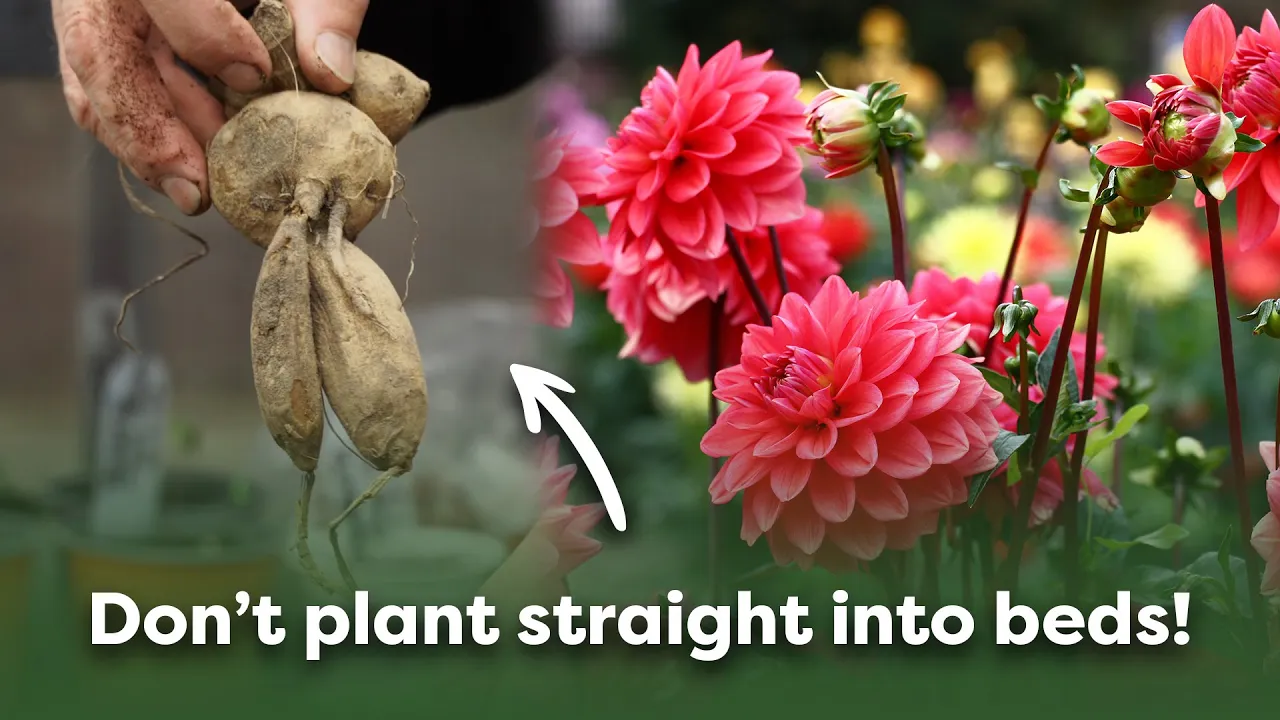
Healthy dahlia tubers are firm, plump, and free of mold. Each tuber should have a visible eye (growth point). Avoid shriveled, soft, or damaged tubers.
Storing Tubers Before Planting
If tubers are purchased before planting time, store them in a cool, dry place. Avoid direct sunlight and temperature extremes. Ideal storage is 40, 50°F (4, 10°C) in breathable containers.
Pre-planting Treatment
Some gardeners soak tubers in lukewarm water for an hour before planting to rehydrate. Dusting with fungicide or sulfur powder can prevent rot.
Example: Tuber Selection Impact
A horticulture club in Colorado found that planting only tubers with visible eyes resulted in a 95% emergence rate, compared to 70% when planting mixed-quality tubers.
Checklist For Tubers
- Firm, plump appearance
- Visible eyes/growth points
- No mold or rot
- Stored at consistent cool temperature
- Optional: Soak and dust with fungicide
Planting Dahlia Bulbs: Step-by-step Guide
Once the timing, soil, and tubers are ready, follow these steps for optimal planting:
Digging And Spacing
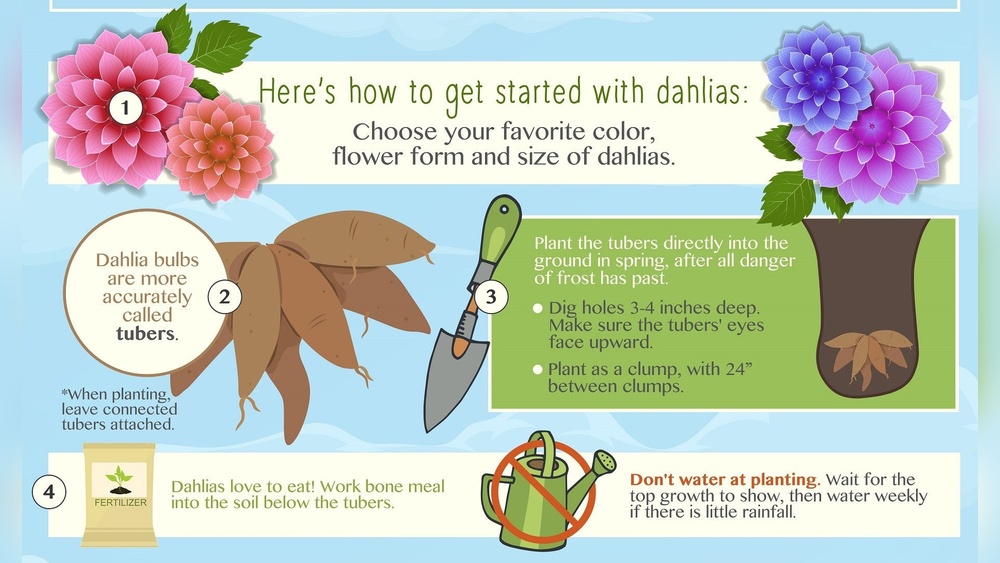
- Plant tubers 4, 6 inches deep.
- Space tubers 18, 24 inches apart.
- Place with the eye facing up and the neck horizontal.
Watering And Mulching
- Water lightly after planting; avoid waterlogging.
- Once shoots emerge, increase watering.
- Mulch with straw or compost to retain moisture.
Fertilizing
- Use low-nitrogen fertilizer after shoots appear (e.g., 5-10-10).
- Avoid high nitrogen, which promotes foliage over flowers.
Supporting Growth
- Install stakes or cages at planting time for tall varieties.
- Secure stems as plants grow to prevent wind damage.
Example: Planting Success Story
A family in Georgia planted dahlias in early April, followed the spacing and staking guidelines, and reported their first blooms by late June. Early mulching prevented weed growth and conserved moisture.
Common Planting Mistakes
- Planting too early or in cold soil
- Overwatering immediately after planting
- Using high-nitrogen fertilizer too soon
- Failing to provide support for tall cultivars
Real-world Case Studies: Timing And Results
Examining actual grower experiences highlights the impact of timing and technique.
Case Study 1: Pacific Northwest Rain Challenges
A grower in Seattle delayed planting until late May due to heavy spring rains. Despite a shorter growing season, the dahlias produced large, vibrant blooms because the soil was warm and well-drained.
Case Study 2: Southern Us Perennial Dahlias
In Texas, a gardener left tubers in the ground year-round. The mild winter allowed dahlias to emerge earlier, with blooms appearing by late May. This approach works only in frost-free regions.
Case Study 3: Uk Indoor Start
A British grower started tubers indoors in April, transplanted outdoors in May, and enjoyed extended flowering from June through October. Indoor starting compensated for slow soil warming.
Comparison Table: Case Study Results
| Location | Planting Method | Bloom Start | Key Outcome |
|---|---|---|---|
| Seattle, WA | Late Outdoor Planting | July | Large, vibrant blooms |
| Texas | Perennial, in-ground | Late May | Early emergence |
| UK | Indoor Start | June | Extended flowering |
Troubleshooting: What If You Miss The Planting Window?
Not every gardener catches the perfect planting window. Here’s how to adapt if you’re late, or early.
Late Planting
If you plant late, dahlias may bloom later in the season. Choose early-blooming varieties to maximize display. Provide extra fertilizer and water to encourage rapid growth.
Early Planting
Protect tubers from frost with row covers or cloches. If cold snaps threaten, cover beds with straw or move potted dahlias indoors temporarily.
Disease And Rot
Rot is common if tubers are planted in cold, wet soil. Remove affected tubers, improve drainage, and consider fungicide treatment for future plantings.
Example: Salvaging Late Planting
A gardener in Nebraska planted tubers in late June and achieved modest blooms by September by selecting fast-maturing varieties and maintaining optimal soil moisture.
Long-term Dahlia Care After Planting
After tubers are in the ground, ongoing care ensures a lush, productive season.
Watering
Dahlias need consistent moisture, about one inch per week. Avoid overhead watering to reduce fungal risk. Drip irrigation is ideal.
Pest And Disease Management
Common pests include slugs, aphids, and spider mites. Inspect regularly and treat as needed with organic or chemical controls. Fungal diseases are mitigated by proper spacing and watering.
Deadheading And Pruning
Remove spent flowers to encourage more blooms. Pinch back young plants to promote bushier growth.
Winter Storage
In cold climates, dig up tubers after the first frost and store them indoors. Clean, dry, and pack tubers in peat moss or sawdust at cool temperatures.
Example: Successful Overwintering
A gardener in Maine stored tubers in a basement at 45°F, avoiding rot and ensuring strong regrowth the following spring.
Frequently Asked Questions
When Is The Absolute Latest I Can Plant Dahlia Bulbs For A Good Bloom?
For most regions, planting after mid-June results in reduced flowering. If you’re late, select early-maturing varieties and provide optimal care. In warm climates, you may have more flexibility, but always aim to plant before the summer solstice for best results.
Can I Plant Dahlia Bulbs In Containers, And Does Timing Differ?
Yes, dahlias grow well in containers. You can start them indoors or outdoors, but timing still depends on soil temperature and frost risk. Container soil warms faster, so you can often plant 2, 3 weeks earlier than in-ground beds. Ensure containers have drainage holes.
What Happens If I Plant Dahlias Before The Last Frost?
Early planting exposes tubers and shoots to frost damage. If frost hits, sprouts may die, and tubers can rot. To mitigate risk, cover beds with frost cloth or plant tubers in pots indoors, then transplant outdoors after frost danger passes.
How Do I Know If My Soil Is Warm Enough For Dahlias?
Use a soil thermometer at planting depth (six inches). When readings consistently show 60°F (16°C) or higher, the soil is ready. This is more accurate than relying on air temperature or calendar dates alone.
Are There Specific Dahlia Varieties Suited For Early Or Late Planting?
Yes, some varieties mature faster and bloom earlier. Look for cultivars labeled as early-blooming or compact types. These are ideal for late planting or short growing seasons. For more, refer to local nursery recommendations or the American Dahlia Society guides.
References And Further Reading
Planting dahlia bulbs at the right time is a blend of science, experience, and local knowledge. By understanding your climate, soil conditions, and the needs of these beautiful tubers, you can enjoy a thriving, colorful garden season after season. Whether you’re growing for competition or backyard enjoyment, strategic timing and careful preparation are your keys to success.