How to Make Your Own Seed Starting Mix at Home
Make seed starting mix by combining 2 parts peat moss or coco coir, 1 part perlite, and 1 part fine compost. Then adjust the batch: add more perlite if it stays wet, more coir if it dries too fast, or less compost if seedlings stall. Wrong ratios can leave seeds waterlogged, crusted, short on nutrients, or stuck in acidic mix, which cuts germination and raises damping off risk. This guide shows how to diagnose those problems first, choose ingredients, and mix a budget batch for indoor sowing.
What makes seed starting mix different?


Seed starting mix is built for germination and early root growth. It stays light, fine-grained, and loose in a tray. Garden soil can compact and smother roots, while many potting mixes contain chunks like bark that are too coarse for small seedlings. The goal is moisture without sogginess.
Seedlings need air around the roots as much as water at the surface. A mix that packs down, seals over, or stays wet for days can slow root growth and may raise damping off risk. A good mix should hold moisture, drain excess water, and stay low in nutrients until seedlings have a stronger root system.
Why garden soil and potting mix usually miss the mark
Garden soil is too dense for trays and cell packs. It can compact, reduce airflow, and hold water unevenly. Standard potting mix is often better than garden soil, but it may still be too coarse or too rich for fresh seedlings, especially if it contains bark, fertilizer, or large particles.
Say your tray surface turns hard and pale after watering. That crust usually means the top layer is too fine in one part and too dense in another, so water moves poorly through the mix. Seedlings can still emerge, but the surface can block tiny stems and make shallow sowing less reliable.
What ingredients go in homemade seed starting mix?
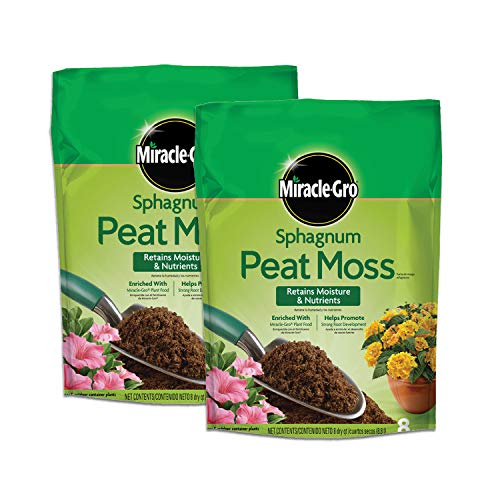
Most homemade blends use a moisture-holding base, a drainage ingredient, and sometimes a small amount of fine compost. Coco coir comes from coconut husks and often arrives in a block, peat moss is a sterile, moisture-retaining medium, perlite improves drainage and aeration, and vermiculite helps retain moisture in soil-less mixtures.
Compost
Compost is one of the common ingredients in seed starting mixes, but it belongs in a small amount.
It adds organic matter and nutrients, which can help later growth, yet too much can make the mix overly rich for seedlings or hold too much water.
Fine, finished compost is the safest choice.
Use compost sparingly when seedlings are meant to stay in the tray only a short time. Keep it low for tiny seeds and slow growers. If a batch seems dark, heavy, or sticky when squeezed, cut the compost back and lighten the blend with more coir, peat, perlite, or vermiculite.
Coco coir versus sphagnum peat moss
Coco coir is a peat alternative that holds moisture while staying airy, and it often comes in a compressed block that needs rehydration before mixing.
Sphagnum peat moss is moisture-retentive and fine-textured, and it is often slightly acidic, so lime may be needed when the recipe calls for pH correction.
Choose coir if you want a peat-free mix or need a base that rehydrates into a loose texture. Choose peat if you want a classic moisture-holding base and do not mind correcting acidity when needed. Skip lime when your recipe is mostly coir or when your seed starting medium already sits near neutral.
Perlite and vermiculite
Perlite is an ultra-lightweight volcanic glass that opens the mix and improves drainage and aeration. Vermiculite is brown and granular, and it holds water well.
Use perlite when the mix stays too wet. Use vermiculite when it dries too quickly or when you want a little more moisture retention.
Do not treat them as interchangeable. Perlite mainly changes airflow and drainage. Vermiculite mainly changes water retention. A tray with frequent bottom watering and fast surface drying often benefits from vermiculite; a tray that stays damp for days usually needs more perlite instead.
Garden lime
Garden lime belongs in peat-based recipes when acidity needs correction. Peat moss is slightly acidic, and lime helps bring the mix closer to a range seedlings can use more easily. If you use mostly coco coir, skip lime unless a separate pH issue is known and you can measure it.
Do not add lime as a default to every batch. If your base is coir and your seedlings are doing fine, lime can be unnecessary. If you use peat and notice slow growth plus a mix that seems too sharp or sour, lime is the ingredient to consider first.
How do you make seed starting mix at home?
Start with a simple cup-based ratio, then change only one part at a time. A general-purpose seed starting mix often uses about 2 cups peat moss or rehydrated coco coir, 1 cup perlite, and 1 cup fine compost. That gives a light, fine medium that holds moisture without packing down, while staying low enough in nutrients for seedlings.
A basic mixing method
- Measure each ingredient by volume.
- Break up any clumps before combining.
- Mix dry ingredients until the color and texture look even.
- Moisten the blend gradually, then mix again.
- Fill trays loosely and tap them once or twice to settle, not compact.
Rehydrate coco coir before blending if it came in a block. Add water in stages until the block expands into a fluffy, evenly damp material. Then fluff it by hand and mix it with the other dry ingredients. Dry coir can make a batch uneven if it is mixed in before it opens up.
Suppose a 102-cell tray dries in two days on a warm windowsill. That is a moisture problem, not a fertilizer problem. Increase the coir or peat portion in the next batch, or swap some perlite for vermiculite if the seedlings need more water between waterings.
How to choose a ratio before you fill trays
A common ratio for most indoor sowing is about 2:1:1. For tiny seeds in shallow cells, keep compost low and favor a finer base. If the room is dry or the heat runs often, add more coir or vermiculite. If the mix has ever stayed soggy in your setup, increase perlite first.
| Failure mode | What you see | Ingredient adjustment | Why it helps |
|---|---|---|---|
| Crusting | Surface seals, seedlings struggle to emerge | Add a little more perlite and keep compost finer | Improves airflow and reduces surface packing |
| Drying out too fast | Cells lighten quickly and need frequent watering | Add more coco coir, peat moss, or vermiculite | Raises moisture hold without making the mix heavy |
| Sogginess | Mix stays wet, tray feels cold and dense | Add more perlite and reduce compost | Boosts drainage and cuts excess water retention |
| Weak roots | Roots stay short, pale, or stalled | Reduce compost and avoid overly acidic peat-only batches | Keeps nutrients and pH closer to seedling needs |
Which mix should you use for different seeds?
Choose the mix based on seed size, root speed, and how long seedlings will stay in the tray. Tiny seeds need the finest texture and the least compost. Tomatoes and peppers tolerate a slightly fuller mix if it still drains well. Brassicas and other fast starters usually want a light, even blend that stays moist.
Tiny seeds and shallow sowing
For basil, celery, lettuce, and other tiny seeds, keep the mix fine and low in compost. A lighter blend helps the seed sit close to the surface without sinking into chunky material. Too much compost can make the top layer dense and more likely to crust after watering.
Tomatoes and peppers
Tomatoes and peppers usually do well in the standard 2:1:1 mix, because they tolerate a bit more body in the medium as long as drainage stays good. If your setup dries fast under a grow light, shift the base slightly toward coir or vermiculite. Keep the tray airy, not wet.
Brassicas and other fast starters
Brassicas such as cabbage and broccoli benefit from a mix that stays evenly moist but never boggy. These seedlings move quickly, so a batch with too much compost can make them sit in rich, wet material longer than needed. Keep the blend light and monitor the tray closely in the first week.
Can you use potting soil instead?
Potting mix can work in a pinch for some larger seeds, but it is usually not the best swap for seed starting mix. Regular soil is a poor substitute because it can compact, and many potting mixes contain bark or other chunks that do not suit tiny seedlings. Seed starting containers need a finer, lighter medium.
When potting mix is acceptable
If you are sowing large seeds in deep cells and you only need a short start before transplanting, a fine potting mix may be usable. Screen out large pieces if possible. Even then, the mix should still feel loose and should not pack down when watered.
When to avoid it
A seed-starting tray with shallow cells, tiny seeds, or a history of damping off needs a purpose-made mix instead. A richer potting blend can feed seedlings before their roots are ready, and a coarse texture can leave gaps that dry unevenly or leave stems unstable.
How much does homemade seed starting mix cost?
Homemade mix often costs less than buying retail bags, and the math is easier when you price each ingredient by cup. An average 8-quart bag can cost upwards of $10, so a simple batch calculator helps you compare your own ratio against a store-bought bag without guessing.
Simple per-batch cost calculator
Use this formula: batch cost = cups of ingredient × cost per cup. For a 2:1:1 batch, multiply the base ingredient by 2 and each add-in by 1, then total the results. Keep the figures in the same units, such as dollars per cup, before you compare batches.
For example, if perlite is $0.50/cup, peat or coir is $0.35/cup, and fine compost is $0.25/cup, then a 2:1:1 batch costs $1.30 total per 4 cups: $0.70 for the base, $0.50 for perlite, and $0.25 for compost, with rounding depending on how you measure.
| Ingredient | Batch cups in a 2:1:1 mix | Your cost per cup | Batch subtotal |
|---|---|---|---|
| Peat moss or coco coir | 2 | ________ | 2 × cost per cup |
| Perlite | 1 | ________ | 1 × cost per cup |
| Fine compost | 1 | ________ | 1 × cost per cup |
| Total | 4 cups | Add the subtotals |
To compare against a retail bag, divide the bag price by the number of cups in the bag. Then compare that number with your homemade total per 4 cups or per tray. If your batch uses mostly coir, peat, and perlite, the homemade mix is easier to scale for more trays without buying a new bag every time.
Handling contamination and hygiene
Homemade ingredients can carry weed seeds, fungus, or debris if they are stored outdoors or reused from old containers. Use clean buckets, clean measuring cups, and sealed storage when possible. If compost is questionable, too coarse, or smells off, leave it out of the seed batch and use it later in the garden instead.
Damping off is the failure mode to watch most closely in a wet, contaminated mix. Keep trays clean, discard moldy leftovers, and do not reuse seed-starting mix from a tray that had disease. A fresh batch is cheap insurance when seedlings are small and vulnerable.
Frequently asked questions
What is the best homemade seed starting mix ratio?
A 2:1:1 ratio is the safest starting point for most indoor sowing: 2 parts peat moss or coco coir, 1 part perlite, and 1 part fine compost. Use less compost for tiny seeds or disease-prone trays, and shift the base toward coir or vermiculite if the mix dries quickly.
Can I use compost in seed starting mix?
Yes, but keep it fine and limited. Compost adds nutrients and organic matter, yet too much can make seedlings sit in a heavy, wet medium. Use the smallest amount that still gives the mix some body, and skip it entirely if your seedlings have repeatedly stalled in rich trays.
Should I use peat moss or coco coir for seed starting mix?
Use peat moss if you want a moisture-retentive, fine-textured base and you are willing to correct acidity when needed. Use coco coir if you want a peat-free option that often comes in a block and must be rehydrated first. Both work well when the rest of the mix is light.
Do I need perlite or vermiculite in seed starting mix?
You do not always need both. Perlite is better when the mix stays too wet or compact. Vermiculite is better when the mix dries out too quickly. Many home gardeners use one or the other, then adjust the next batch based on how the tray behaves after watering.
Can I use potting soil instead of seed starting mix?
Only in limited cases. Potting soil or potting mix can be too coarse, too rich, or too dense for tiny seedlings. Garden soil is worse because it can compact and smother roots. If you must use a substitute, screen it fine and expect less reliable germination.
How do I rehydrate coco coir before mixing it?
Put the block in a bucket or tub and add water slowly until it expands into a fluffy, evenly damp material. Break up any dry chunks by hand, then mix the coir with the other ingredients. If it still feels dry in the center, add a little more water before filling trays.
Why is my seed starting mix staying too wet?
Too much water retention usually means the batch has too much compost, too little perlite, or a base that is holding moisture longer than your setup can dry out. Increase perlite in the next batch, reduce compost, and avoid packing the mix tightly into the cells. If the tray sits in a cool room or under weak airflow, even a good mix can stay damp longer than expected.