How to Plant Annual Flower Seeds for a Colorful Garden
Plant annual flower seeds in three waves: direct-sow cool-season flowers about 4 to 6 weeks before the last frost, sow warm-season flowers after frost, and start slow growers indoors about 6 to 8 weeks early for color from spring to frost. Skip that schedule and you get gaps, weak stands, and a short bloom season. This guide covers seed selection by bloom timing, sowing method, spacing, and a simple calendar for steady color.
What you’ll need


- Annual flower seeds chosen for bloom timing, color, and planting method
- Seed packets with sowing depth, spacing, and germination notes
- Soilless seed-starting mix for trays or pots
- Starter trays or plantable pots
- Labels and a permanent marker
- Spray bottle for gentle watering
- Grow lights, or a south-facing window as backup
- Heat mat if the packet calls for warmer germination
- Small thermometer for soil or room checks
What annual flower seeds are easiest to plant for a colorful garden?
The easiest annual flower seeds germinate quickly, match your spring temperatures, and fit your sowing method. Swallowtail says annual flower seeds often grow into the flashiest garden plants, and they also tend to bloom quickly, which makes them useful for filling gaps with fast color.
Choose by bloom wave, not just color
Pick some early bloomers for cool weather, some fast warm-season types for after frost, and a few longer-season plants for midsummer color. That mix keeps the garden from opening all at once and fading all at once.
For borders, choose compact varieties with a steady bloom window. For cutting patches, choose taller types that branch after cutting. For containers, choose plants that stay small enough for the pot and keep flowering after you cut or deadhead them.
Should you start annual flower seeds indoors?
Start annual flower seeds indoors when the packet says they need a head start, when your season is short, or when the plants germinate slowly and need a longer run before frost. Direct sow when the species resent root disturbance, germinate best in cool soil, or are simple enough to handle outdoors.
Seeds that usually stay inside to start
Slow growers, some long-blooming annuals, and plants with fine seed often do better indoors because you can control moisture, temperature, and spacing. If the packet gives an indoor-start date, follow it closely instead of guessing.
Seeds that are better direct sown
Many hardy annuals can be sown in fall, winter, early spring, or summer, and several prefer cool soil for germination. Some flowers also dislike transplanting because their roots or stems are easy to damage. Those are better placed where they will finish growing.
How frost dates and soil temperature guide the choice
Use last frost date as the anchor, then check the packet for days to bloom and germination temperature. If the soil is still cold enough for the species, wait. If summer heat has arrived and the packet warns about it, choose shade during early growth or hold the sowing until conditions improve.
- Read the packet and write the sowing date on your calendar.
- Fill trays with soilless seed-starting mix or loosen bed soil to a fine crumb.
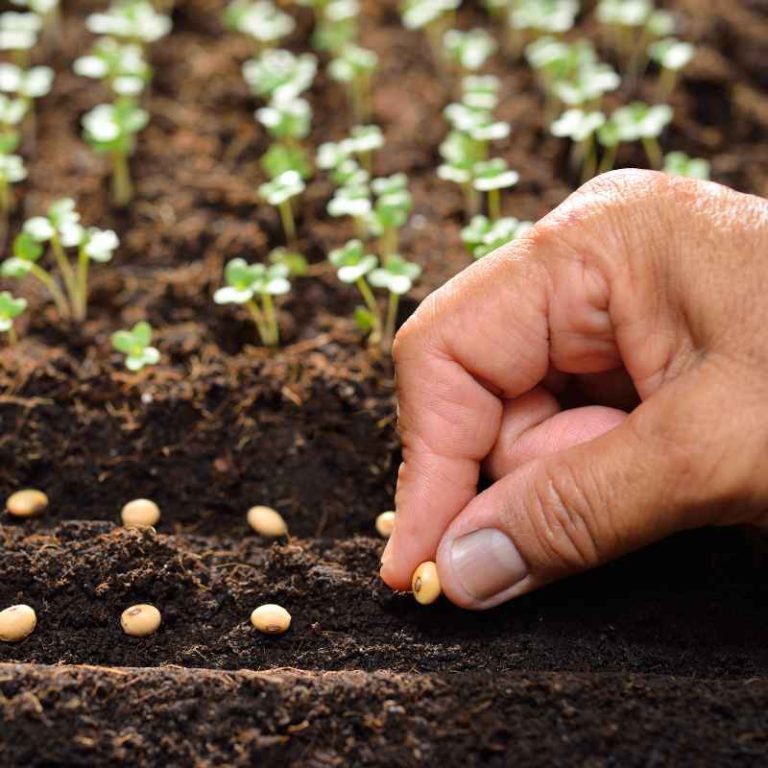
- Sow at the listed depth, then cover only as directed.
- Space seeds or seedlings so they will not crowd each other at full size.
- Water gently with a spray bottle until the surface is evenly moist, not muddy.
- Keep the surface from crusting by misting as needed; if the packet suggests more warmth, set the tray on a heat mat.
Seed packet instructions matter here. They tell you when to start indoors, when to direct sow, how deep to plant, how far apart to space, and how long germination usually takes.
How deep should annual flower seeds be planted?
Most annual flower seeds should be planted at a depth that matches their size. Large seeds can go deeper; tiny seeds often need only a light cover or none at all. If the packet gives an exact depth, use that number rather than a general rule.
How do you plant fine annual flower seeds without overcrowding them?
Fine seeds should be sown thinly, and some growers mix them with dry sand so the spread is easier to control. Many are left uncovered or covered very lightly. That reduces the chance of burial, crusting, and a thick mat of seedlings that must be torn apart later.
Say your petunia seeds are dust-like and the tray is only 6 inches wide. Mix the seed with a little dry sand so it spreads more evenly, and one corner does not turn into a crowded patch while the rest stays bare.
When should you sow annual flower seeds outside?
Sow outside when the species suits outdoor soil and the weather matches the seed packet. Cool-season annuals can go in early, often before the last frost window closes, while warm-season flowers usually wait until frost risk is gone and soil has warmed enough for steady germination.
Cool-season sowing for hardy annuals
Hardy annuals can often be sown in fall, winter, early spring, or summer, depending on the species and climate. Many germinate better in cool soil, so early outdoor sowing can be an advantage rather than a risk.
Warm-season sowing after frost and soil warm-up
Warm-season annuals need warmer soil and stable conditions. If summer heat arrives fast, some seedlings need shade during early growth, and Tom’s Guide suggests a temporary shade cover during germination. That helps the seedbed stay moist without baking.
Successive sowing for color waves
Instead of sowing all at once, sow in short intervals so one flush follows another. Picture a border where the first round of zinnias fills in, then a later round carries the color into late summer after the earliest plants slow down.
How do you keep seedlings healthy?
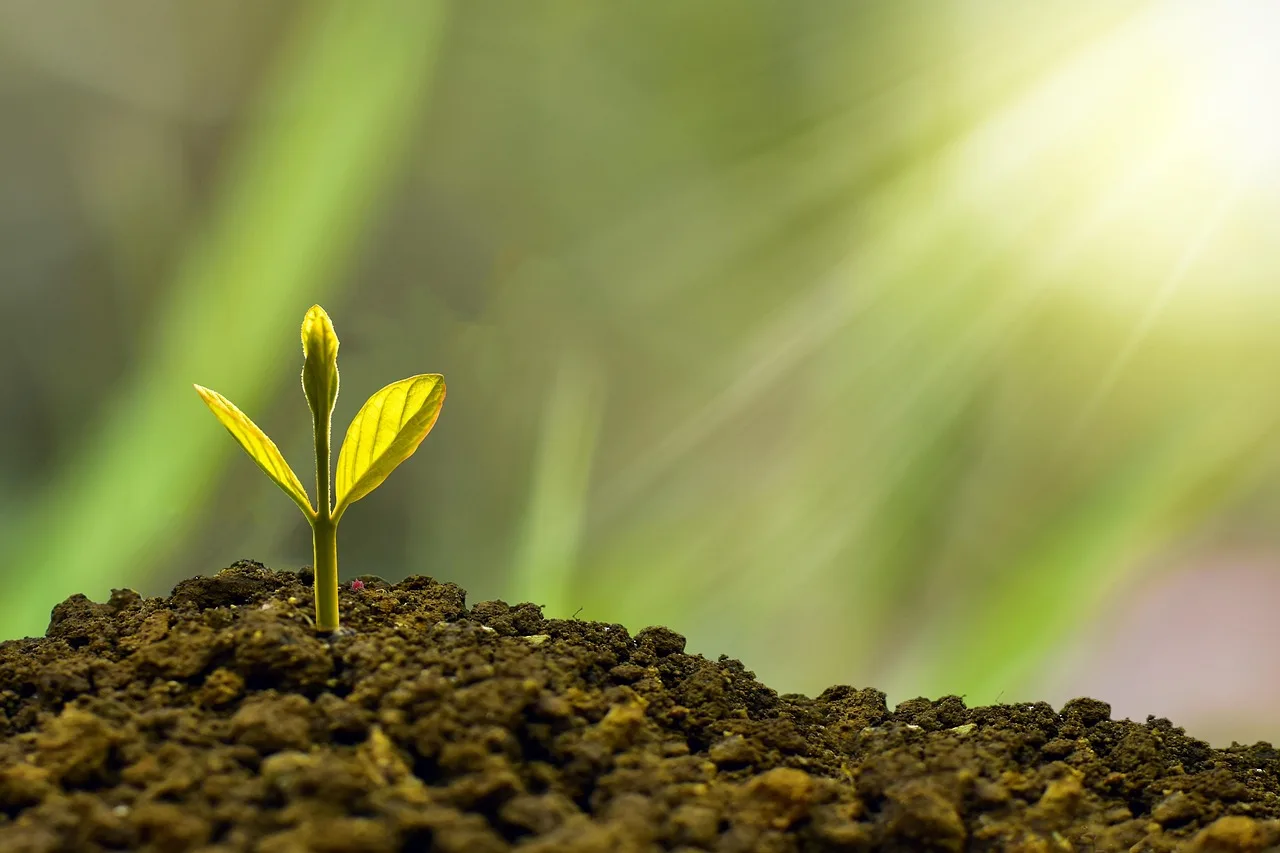
Keep seedlings compact with strong light, thin them before they tangle, and move them to the right spacing before roots or stems become crowded. CBC notes that seedlings are happiest and healthiest with 16 hours of light, and a south-facing window can work only as a fallback.
Light needs for compact growth
Weak light is one of the fastest ways to ruin a sowing. Use grow lights when windows are dim or inconsistent, and keep them close enough to prevent stretching without scorching the tops. A window alone is often not enough once seedlings rise above the tray.
Thinning crowded seedlings
Thin after emergence so the strongest plants have room. This is especially important for fine seeds, which are easy to oversow. Backyard Gardener recommends thinning poppies to 6 to 8 inches apart, and that spacing gives room for air movement and cleaner stems.
Moving seedlings to larger spaces or outdoors
Transplant seedlings when they have enough size to handle the move, or direct-sown seedlings can simply be thinned in place. If a tray looks dense, remove extras before roots knit together. That single adjustment can decide whether the stand stays upright or collapses from crowding.
Suppose a tray of snapdragons is leaning toward the window by day 10. Move the light closer, then thin the weakest seedlings at the same time. One change fixes the stretch; the other keeps the survivors from competing too hard afterward.
Common mistakes
Heat, shallow sowing, crusting soil, and overcrowding cause many failed annual seed starts. Each problem has a different fix, so it helps to match the correction to the symptom instead of changing everything at once.
- Sowing too deep: tiny seeds may never reach the surface. Follow the packet depth or barely cover them.
- Letting the surface dry out: germination stalls. Mist regularly and keep the top layer evenly moist.
- Using garden soil in trays: it compacts and can carry disease. Use soilless seed-starting mix.
- Giving seedlings weak light: they stretch and flop. Switch to grow lights or move them to stronger light.
- Ignoring heat warnings: some summer flowers struggle during early growth. Use temporary shade if the packet or weather calls for it.
Annual flower seed planting planner
| Flower type | Direct sow vs indoors | Sowing depth | Spacing | Germination temperature preference | Days to bloom window | Best use |
|---|---|---|---|---|---|---|
| Calendula | Direct sow or start indoors | 1/4 inch | 8 to 12 inches | Cool soil | 45 to 60 days | Borders, containers |
| Sweet alyssum | Direct sow or indoors | Surface sow or very light cover | 6 to 8 inches | Cool to mild | 40 to 55 days | Borders, containers |
| Cosmos | Direct sow or indoors | 1/4 inch | 12 to 18 inches | Warm soil | 50 to 75 days | Borders, cutting patches |
| Zinnia | Direct sow after frost or start indoors carefully | 1/4 inch | 8 to 12 inches | Warm soil | 50 to 70 days | Borders, cutting patches |
| Poppy | Direct sow | Surface sow or very light cover | 6 to 8 inches | Cool soil | 55 to 75 days | Borders |
| Nasturtium | Direct sow | 1/2 inch | 10 to 12 inches | Cool to mild | 50 to 70 days | Borders, containers |
Frequently asked questions
Should I start annual flower seeds indoors or sow them outside?
Start indoors if the packet calls for an early start, if the season is short, or if the plant needs a longer runway before bloom. Sow outside if the species dislikes root disturbance, wants cool soil, or is labeled for direct sowing. Frost date and soil temperature should settle the question.
How much light do annual flower seedlings need indoors?
The same source says seedlings are happiest and healthiest with 16 hours of light. If you do not have grow lights, a south-facing window can work, but it is less reliable because glass reduces light intensity and weak light leads to stretched stems.
When is the best time to sow annual flower seeds in summer?
Sow in summer when the species tolerates heat or when you can protect the seedbed during early growth. Some seeds need temporary shade during germination, and many cool-season types do better if you wait until temperatures drop. Check the packet before you sow into hot soil.
Which annual flowers bloom quickly from seed?
Fast bloomers include sweet alyssum, calendula, and many zinnias once conditions are warm enough. The same source notes that annuals are easy to germinate and bloom quickly, which is why they are useful when you want color without a long wait.
How do I keep annual seedlings healthy until planting out?
Use soilless mix, steady moisture, and strong light from the start. Thin crowded seedlings early, keep them from drying out, and move them into the garden only after they are strong enough for the weather. If they start to stretch, increase light before they weaken further.