How to Choose the Right Seeds for Your Garden Goals
Choose seeds in this order: harvest target, space, climate, skill level. If one variety fails any filter, I pass on it. Picking by looks alone usually means weak germination, poor yields, and plants that outgrow the bed or miss the season window. This guide shows how to match seed type, days to maturity, plant size, heat or cold tolerance, and growing difficulty to your setup.
This guide is part of our Planting from seeds: a beginner’s guide series.
How do you choose seeds that match your garden goal?
Start with the outcome you want
Before I look at packet art, I name the job. Food beds, cut flowers, herb pots, fruit plants, microgreens, pollinator strips, and low-maintenance borders each need different seed traits. A tomato that fits a long summer bed may be a poor choice for a short-season container, and a sunflower that feeds bees may be a bad fit for a cramped patio.
That goal-first rule keeps the rest of the shopping list honest. If the goal is quick salad harvests, I favor fast crops with short days to maturity. If the goal is seed saving, history, or flavor, heirloom lines may matter more. If the goal is low effort, choose varieties with fewer training needs and better disease resistance.
Use a simple scorecard before you buy
A one-page scorecard makes variety choice repeatable. Rank each seed on five criteria: climate fit, space fit, days to maturity, maintenance level, and seed-saving value. Score each trait from 1 to 5, then skip anything that scores low on climate fit or space fit, even if the packet looks appealing.
This avoids the usual buying trap, where one strong trait hides four weak ones. A sweet pepper can score well on flavor and storage, but still lose if the season is too short. A vine can look productive, but fail if there is no trellis or bed room. The scorecard keeps the decision focused on results, not price or artwork.
| Product | Badge | Best for | Price | ||
|---|---|---|---|---|---|
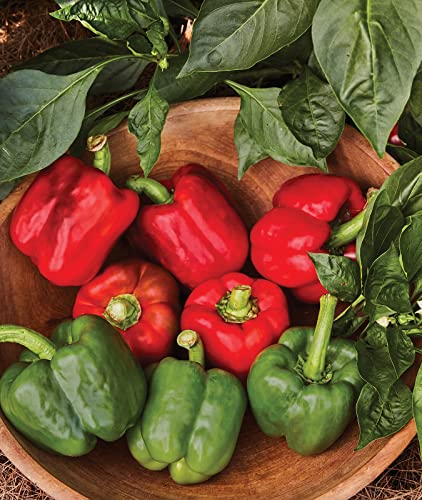 | Burpee California Wonder Sweet Pepper Seeds | 300 Non-GMOBurpee | Our pick | 300 Non-GMO Heirloom Pepper Seeds | $8.78 Price as of 7 Oct 2026 | View |
 | Sereniseed Certified Organic Vegetable Seeds 10-Pack,Sereniseed | Also great | 10-Pack Certified Organic Vegetable Seeds | $9.99 Price as of 7 Oct 2026 | View |
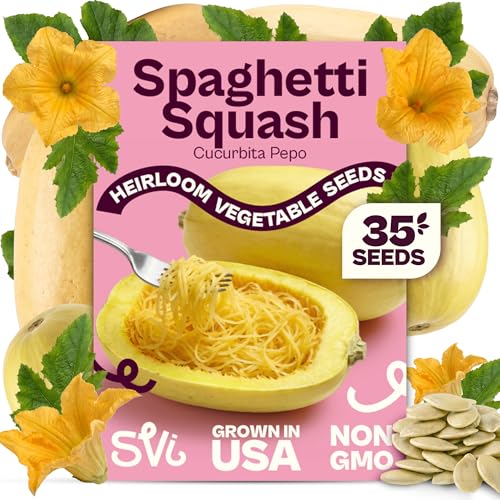 | SVI 35 Winter Spaghetti Squash Seeds (Cucurbita Pepo) –SVI | Budget pick | 35 Winter Spaghetti Squash Seeds | $5.99 Price as of 7 Oct 2026 | View |
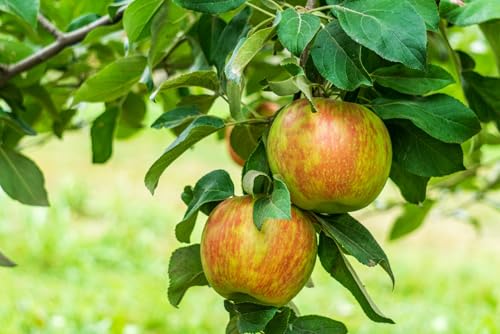 | Semi-Dwarf Honeycrisp Apple Tree – Live Plant Shipped 3 toDAS Farms | Upgrade pick | Live Semi-Dwarf Honeycrisp Apple Tree | $54.00 Price as of 7 Oct 2026 | View |
| Crop example | Climate fit | Space fit | Days to maturity | Maintenance level | Seed-saving value | Total |
|---|---|---|---|---|---|---|
| Lettuce for spring beds | 5 | 5 | 5 | 4 | 3 | 22 |
| Bush basil for pots | 4 | 5 | 4 | 4 | 2 | 19 |
| Marigolds for borders | 5 | 4 | 4 | 5 | 4 | 22 |
| Compact cucumber for a trellis | 3 | 4 | 4 | 3 | 2 | 16 |
| Hydroponic lettuce | 5 | 5 | 5 | 4 | 1 | 20 |
Pick the crop category that fits the job
Vegetables are for harvest volume and timing. Herbs are for repeated snipping and small-space use. Flowers are for color, pollinators, and border planting. Fruits usually need more patience, larger space, and tighter climate matching. Microgreens fit fast indoor harvests, shallow trays, and very short turnarounds.
Use the category to narrow the field, then use the scorecard to sort the survivors. That order matters. It keeps the gardener from choosing a fruit crop for a tiny balcony or a sprawling flower for a narrow raised bed.
📊 A 10-seed paper towel test is suggested for older seed packets. Source: Choosing The Right Seeds for Your Hydroponic Garden….
How do you know if seeds will grow in your climate?
Start with USDA hardiness zone, then check the packet’s climate notes, frost timing, and winter survival guidance. Use your ZIP code or location to find the zone, but do not stop there. A zone only tells part of the story; the seed packet still needs to match your season length and temperatures.
Check your USDA hardiness zone by ZIP code or location
USDA hardiness zone helps with winter survival guidance, especially for perennials, fruits, and some flowers. Match your zone with the seed packet’s planting info, then look for notes about cold tolerance or winter survival. For annuals, the zone matters less than the local season length, but it still helps separate likely fits from risky ones.
Think of the zone as a first filter, not a final answer. A plant can survive winter in your zone and still fail if it needs a longer growing season than you have. That is why climate fit and days to maturity need to be checked together.
Use the last frost date for spring planting
Last frost date helps time warm-season crops like tomatoes, peppers, and beans. Seed packets often assume that tender crops should wait until frost risk is past. If the packet says direct sow after frost, planting too early can stunt germination or kill seedlings in a cold snap.
For gardeners starting indoors, last frost date also anchors transplant timing. Count backward from that marker for indoor starts, then compare the crop’s days to maturity to the amount of warm weather left in the bed.
Use the first frost date to judge fall timing
First frost date helps plan a fall harvest. If a crop needs more days than the season has left, it may not finish before cold weather slows or stops growth. That is especially important for beans, squash, and longer-season fruiting crops.
Short-season crops are safer in a fall slot. Lettuce, radish, many herbs, and some flowers can fit between summer heat and the first hard cold. When the schedule is tight, choose the shorter cycle.
How do you match seeds to your space and sunlight?
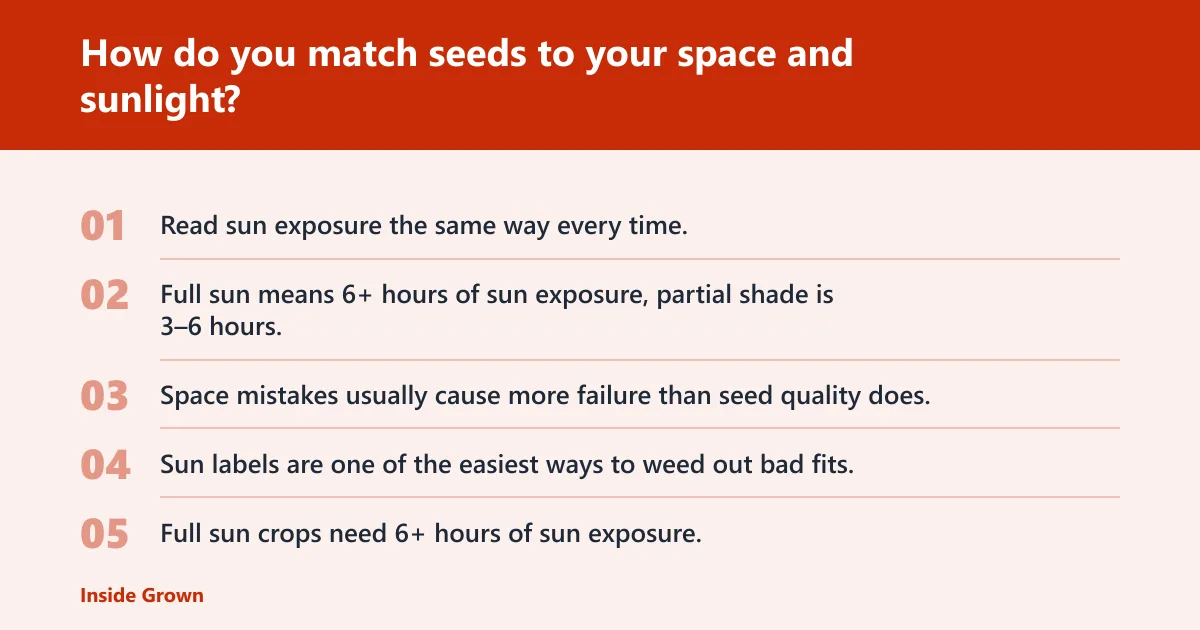
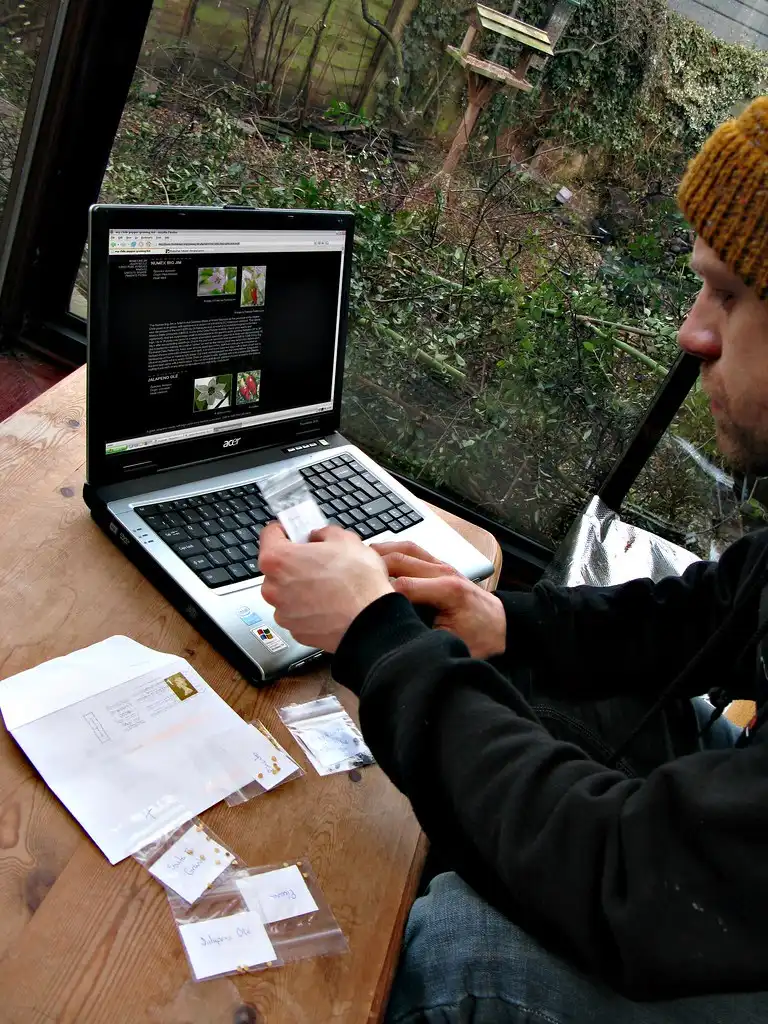
Read sun exposure the same way every time, then match plant size and growth habit to the bed, pot, or trellis. Full sun means 6+ hours of sun exposure, partial shade is 3–6 hours, and full shade is less than 3 hours. Space mistakes usually cause more failure than seed quality does.
Read sun exposure labels the same way every time
Sun labels are one of the easiest ways to weed out bad fits. Full sun crops need 6+ hours of sun exposure. Partial shade crops can handle 3–6 hours. Full shade crops need less than 3 hours, and many common vegetables will not do well there.
Match the label to the real light pattern, not the brightest hour of the day. A spot that gets morning light and afternoon tree shade is not full sun. That matters when deciding between fruiting crops and leaf crops, or between a flower border and a shaded herb pot.
Match growth habit to beds, pots, or trellises
Growth habit tells you how the plant wants to fill space. Compact, container, bush, and patio types are usually easier in pots and tight beds. Vining types need support. Determinate tomatoes stay more compact in a defined window. Indeterminate tomatoes keep growing and need more room, pruning, and structure.
For hydroponic or indoor systems, compact or bush varieties usually fit best. That keeps root zones and canopy size more manageable. A seed packet that says vining or indeterminate is a warning to check trellis space and mature width before buying.
Use soil type to avoid common setup mistakes
Soil type affects water movement, oxygen, and root spread. Loamy soil is usually the easiest all-around fit. Clay can hold water and compact, so it often benefits from compost amendment. Sandy soil drains quickly, so added organic matter helps it hold moisture and nutrients longer.
When a seed packet lists a crop that prefers steady moisture, heavy clay without amendment can be a poor match. When a crop dislikes waterlogging, a low spot in clay may be a worse problem than the seed itself. Soil and seed have to agree.
Should you buy heirloom or hybrid seeds?
Buy heirloom seeds when seed saving, traditional flavor, or variety history matters most. Buy hybrid seeds when you want more uniform growth, disease resistance, or higher yields. Organic and specialty labels are useful too, but they do not replace the basic choice between heirloom and hybrid.
Heirloom seeds when seed saving or flavor history matters
Heirloom seeds are traditional varieties known for flavor, color, and seed saving. They are a good fit when the gardener wants to collect seed for future seasons or preserve a favorite type. Many gardeners also choose them for taste and character in tomatoes, peppers, herbs, and flowers.
The tradeoff is consistency. Heirlooms can be less uniform than hybrids, and some need more patience with disease pressure or variable weather. They are a strong choice when the goal is flavor or seed saving, not always when the goal is the easiest path in a tough spot.
Hybrid seeds when uniform growth and disease resistance matter
Hybrid seeds are bred for traits like disease resistance or higher yields. They often suit beginner gardens that need steadier performance, especially in smaller spaces where one weak plant is a bigger loss. Hybrid vegetables can also be a practical answer when harvest timing matters more than seed saving.
The tradeoff is seed saving. Many hybrids do not come true from saved seed, so they are usually a one-season purchase. That is fine for a lot of home gardeners, but it should be a conscious choice rather than an accident.
Organic and specialty labels: what they change and what they do not
Organic seeds are grown without synthetic chemicals. That label tells you something about production method, not automatic performance. Specialty or by-solution labels often point to a use case, such as patio containers, salad mixes, or microgreens, which can help narrow the field.
Those labels do not replace climate fit, spacing, or maturity checks. An organic seed can still be a bad match for shade or short seasons. A specialty seed can still need more light than the site can provide.
Which traits matter most on the seed packet?
Days to maturity, disease resistance codes, and growth habit are the packet details that save the most mistakes. Read them before price, color, or flavor notes. If a packet lacks a clear maturity estimate or size description, treat that as a warning and compare it against your season and space.
Days to maturity and harvest timing
Days to maturity tells you how long a crop needs before harvest. Shorter cycles allow more turns per year and work better for indoor, hydroponic, and succession planting. This is one of the most useful numbers for short seasons because it tells you whether the crop can finish before frost.
Use the first frost date and last frost date together. Warm-season crops often need to wait until after the last frost date, while fall crops have to finish before the first frost date. If the math is tight, choose a shorter cycle or a crop with faster harvests.
Disease resistance codes V, F, N, T, and A
Disease resistance codes can save a lot of headaches. Common codes include V, F, N, T, and A. They point to resistance against specific problems, so a code on the packet is worth more than a pretty variety name when a bed has a known disease history.
Do not treat resistance codes as a guarantee. They reduce risk; they do not erase bad airflow, wet leaves, or overcrowding. A resistant seed in a crowded container can still fail if the site stays damp and cramped.
Plant size, spacing, and growth habit labels
Spacing labels tell you how much room the mature plant needs. Growth habit labels such as compact, container, bush, patio, vining, determinate, and indeterminate tell you how the plant will use that space. These labels matter more than seed count when the garden is tight.
A small pack can still contain a large plant. A vining squash seed can outgrow a square bed, and an indeterminate tomato can overwhelm a small pot. Match the mature habit to the space you actually have, not the space you wish you had.
Our picks by need

Best beginner vegetables: Also greatSereniseed · 10-Pack Certified Organic Vegetable Seeds
- USDA certified organic and non-GMO
- 10 essential vegetable varieties included
- Germination guarantee
Drawback: Limited to 10 varieties in the kit$9.99Price as of 7 Oct 2026View on Amazon →As an Amazon Associate we earn from qualifying purchases. Prices and availability are accurate as of the date shown and are subject to change.
- USDA certified organic and non-GMO
- 10 essential vegetable varieties included
- Germination guarantee
Sereniseed Certified Organic Vegetable Seeds 10-Pack is a practical starter choice for gardeners who want a broad vegetable mix without building a shopping list from scratch. Based on the spec sheet and reviews, the USDA certified organic and non-GMO labeling gives it a clean entry point, and the variety mix helps newer growers compare crops in one season.
The drawback is that mixed packs can be uneven for a single goal. A beginner who needs only one crop, or who has one very specific light or space limit, may pay for seeds that sit unused. It is better for exploration than for a tightly planned bed.
Best beginner herbs:
This kit also works for herb-friendly starter planting if the included varieties match the site, because herbs reward small-space, repeat-harvest use. For a new gardener, that makes it useful for learning how light, watering, and cutting schedule affect growth before moving into more demanding crops.
The drawback is that a mixed vegetable kit is not a true herb-only pack, so the fit is partial. Someone looking for a dedicated basil, parsley, or chive plan may need a more targeted packet rather than a general assortment.
Best beginner flowers:
The same package is a workable starting point for gardeners who want to trial flowers alongside vegetables, but flowers are usually better chosen one by one for sun and spacing. When flower goal is the main goal, seed packets with clear height and bloom habit usually make better planning tools than an all-purpose kit.
The drawback is focus. A general vegetable set is not the best match for a pollinator bed or cut-flower border because it gives less control over bloom height, color mix, and timing.
Best hydroponic-friendly crops:
For hydroponic or indoor use, the strongest rule is compact growth and a short maturity window. This kit can work as a broad starter set only if the included crops are compact enough for the system and the grower checks days to maturity before planting. Hydroponic growers should choose compact or bush varieties for small systems.
The drawback is that mixed seed kits do not always tell the whole story for a recirculating setup. A hydroponic buyer still needs to check crop-by-crop habit, canopy size, and timing rather than assuming every seed in the box fits the same system.
What seed mistakes should you avoid?
Avoid buying for looks instead of conditions, choosing late crops for a short season, ignoring storage and age, and overfilling beds or containers. Most seed failures come from fit problems, not from the seed packet itself. The fix is to choose by goal first, then filter hard on climate, light, and space.
Buying for looks instead of conditions
Pretty packet art can hide a poor fit. A beautiful vine may need more room than a balcony offers. A colorful flower may ask for full sun when the site only gets partial shade. If the packet does not fit the site, the purchase is wrong no matter how appealing it looks.
Choosing late crops for a short season
Some crops need a long run to finish well. If a first frost date is coming soon, a late variety can run out of time before harvest. That is why days to maturity should be checked against the calendar, not just against enthusiasm.
Ignoring storage, age, and germination checks
Unused seeds should be stored in a cool, dark, dry place in an airtight container with a desiccant if possible. Many seeds can last 2–5 years if stored correctly. For older packets, a 10-seed paper towel test is a simple way to estimate germination before filling trays or beds.
Also check the packed-for year or sell-by date before buying. If the packet is old, the seed may still be viable, but germination can fall enough to change sowing density and timing. Testing is better than guessing.
Overfilling containers or beds
Overcrowding is a size mistake, not a seed mistake. Compact and bush types belong in small spaces, but even they need room for airflow and root growth. A container that is too small can hold the crop back from the start, especially for vining or indeterminate plants.
Use the mature size and spacing notes as hard limits. When in doubt, choose the smaller habit or move the crop to a larger bed. Crowding almost always creates more maintenance, not less.
Frequently asked questions
How do I choose seeds that match my garden space and sunlight?
Start with sun first, then size. Full sun means 6+ hours of sun exposure, partial shade is 3–6 hours, and full shade is less than 3 hours. After that, check growth habit. Compact, bush, patio, and container types usually fit small beds and pots better than vining or indeterminate plants.
Should I buy heirloom or hybrid seeds for a beginner garden?
Choose heirloom seeds if seed saving, flavor history, or traditional varieties matter most. Choose hybrid seeds if the garden needs more uniform growth or better disease resistance. Beginners often do well with hybrids in tough sites and heirlooms when the main goal is saving seed or tasting older varieties.
What seeds are easiest to start if I’m new to gardening?
Beginner-friendly crops include lettuce, radish, zucchini, basil, parsley, chives, sunflowers, marigolds, and nasturtiums. These are useful because they germinate and grow quickly enough to give feedback early. Even then, they still need the right sun, spacing, and sowing time to perform well.
How do I know if seeds will grow in my climate zone?
Use your USDA hardiness zone by ZIP code or location, then read the packet for climate fit and winter survival notes. For spring crops, check the last frost date. For fall crops, check the first frost date. The zone is helpful, but frost timing often decides success.
Do I need special seeds for indoor or hydroponic growing?
Yes, it helps to choose compact or bush varieties for small systems. Hydroponic growers should also check days to maturity for harvest planning. Long vines, large indeterminate plants, and crops with heavy spacing needs can be harder to manage in tight indoor setups.
What should I check on a seed packet before buying?
Check days to maturity, sun needs, mature size, spacing, and disease resistance codes such as V, F, N, T, and A. Also look for packed-for year or sell-by date. If the packet does not fit the garden’s light, frost window, or space, leave it on the shelf.