What Seeds Grow Best in Small Spaces and Containers
For small spaces, many growers choose fast crops with shallow roots and a compact habit, such as lettuces, radishes, bush beans, dwarf tomatoes, and herbs; as a rough guide, match plant size to container depth, with about 6 to 8 inches for greens and 12 to 18 inches for fruiting crops. Pick the wrong seed and you get thin growth, poor yields, and containers that dry out or tip over. This guide gives a simple seed-selection framework for crop habit, root depth, and sun exposure, so you can match each seed to the exact pot, window box, or bed you have.
What seeds grow best in small spaces and containers?
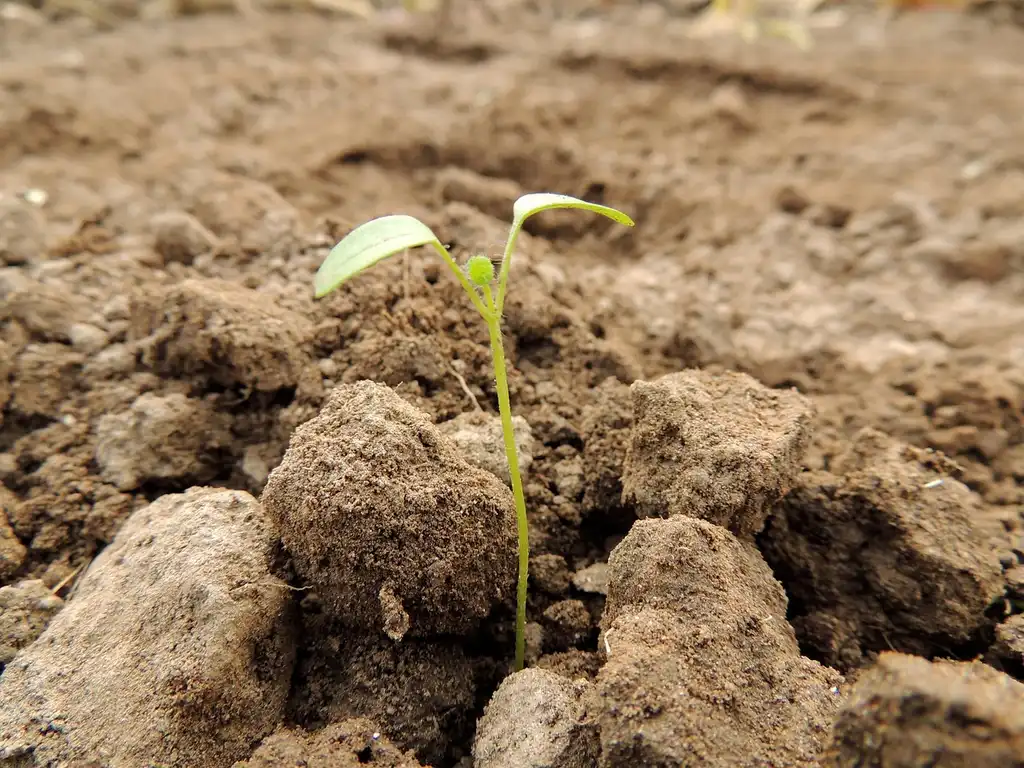

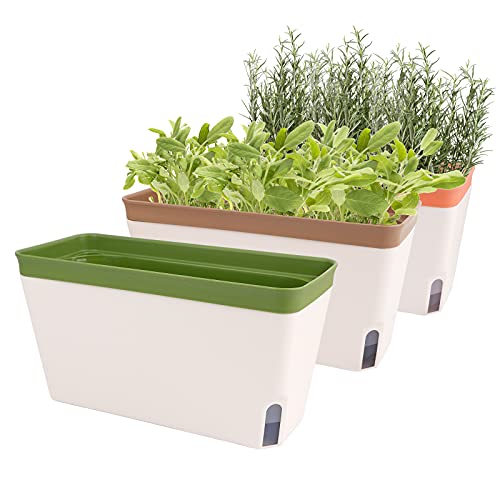

Match the crop to the container, not the other way around
The pot decides a lot before the seed goes in. A shallow, wide box suits loose-leaf lettuce. A deeper pot suits peppers. A narrow windowsill tray can hold herbs or microgreens, but not a bush bean planting that needs more root room and steadier moisture.
Small-space success starts with the container you already own. Check depth, width, drainage holes, and where the pot will sit during the day. A seed packet may catch your eye, but mature size matters far more than seed size.
Why mature size matters more than seed packet photos
Seed packets show a full-grown plant, but the photo does not tell you whether the crop sprawls, branches, or stays upright. A compact lettuce can fill a shallow bowl without trouble. A vining bean or oversized pepper can outgrow the same space fast.
Seed size is a poor guide. A tiny basil seed may become a broad plant if it is a full-size variety. A larger bean seed may stay manageable if it is a bush type. The plant’s final height, width, and root depth matter most.
The three filters: root depth, branching habit, and sun
Use three filters before buying seeds: how deep the roots want to go, how the plant grows sideways, and how much sun the crop needs. Those three traits tell you whether a plant belongs in a balcony box, a patio tub, or a brighter, deeper container.
Root depth tells you how much soil volume is needed. Branching habit tells you how much floor space the plant will claim. Sun needs tell you whether the crop will fruit well or sit there looking healthy but underproductive.
How to read seed packets for container success
Look for words that signal compact growth: dwarf, bush, patio, container-friendly, determinate, miniature, and space-saving. Urban Garden Seed recommends those types for smaller gardens, and that advice holds up when the container is the limiting factor rather than the ground.
Burpee offers a 16 Cell Self-Watering Ultimate Grow System for seed starting and a 16 XL Cell SuperSeed Seed Starting Tray, which is useful when seedlings need early space control before transplanting into a final pot.
Spot warning signs: vining growth, heavy fruit load, and wide spread
Warning signs are easy to miss. Vining crops climb, lean, and sprawl. Heavy fruiting plants may need more root volume and steadier feeding. Wide-spreading herbs and vegetables can shade nearby plants and make watering uneven in one tight container.
If a packet mentions staking, trellising, or long vines, it is usually not a carefree choice for a small balcony. Those crops can work, but only when the container size, support plan, and sunlight are already in place.
Choose varieties that fit your watering routine
Some crops forgive a missed watering. Others collapse fast in a small pot. Lettuce and radishes want more consistent moisture than many herbs. Peppers tolerate a steadier rhythm once established, but they still need enough soil volume to buffer dry-down.
If the space gets hot, windy, or hard to reach, choose crops that do not resent brief drying. A tiny pot in full afternoon sun can turn into a stress test. Bigger soil volumes are more forgiving.
According to burpee.com — Burpee sells a 16 Cell Self-Watering Ultimate Grow System for seed starting.
Which vegetables are best for container gardening?
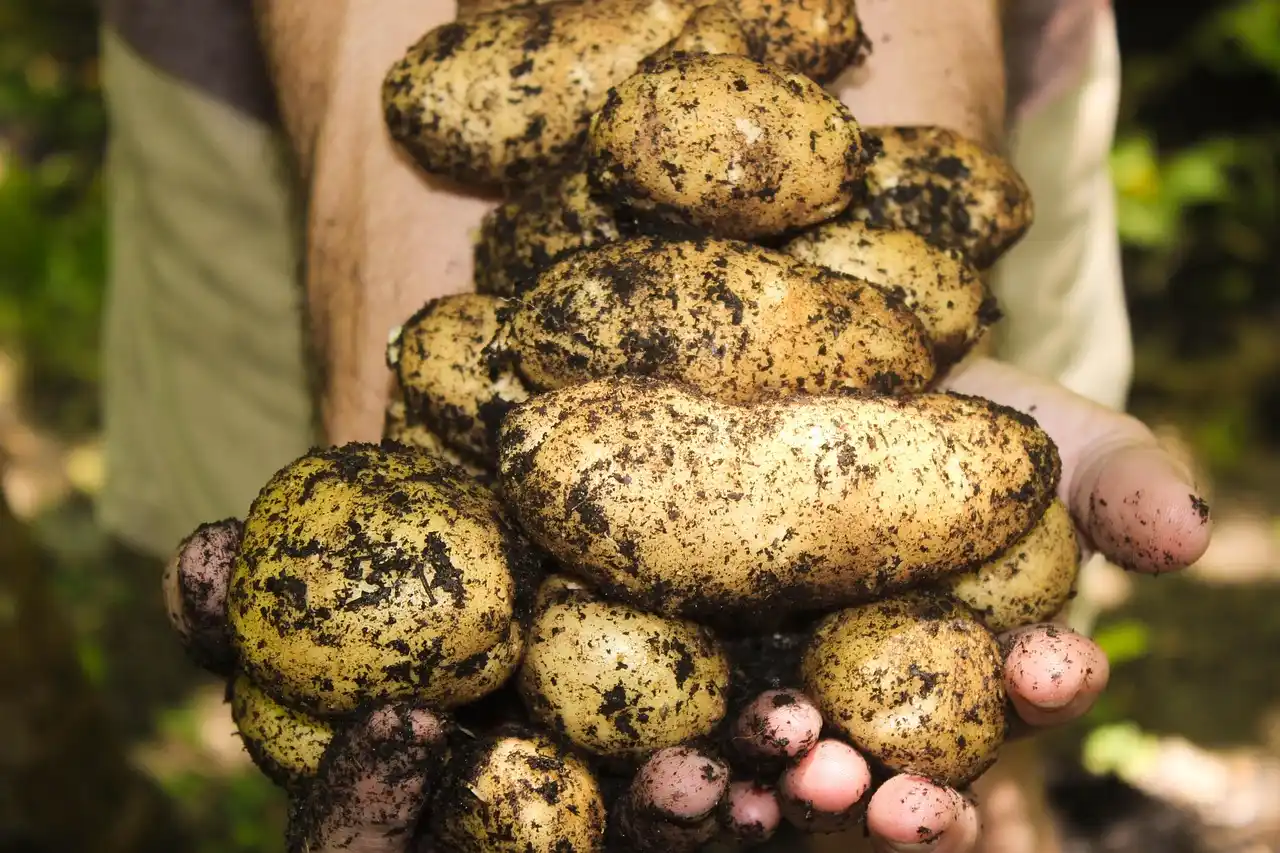
The best container vegetables stay compact, produce well, and fit the pot depth you can actually give them. Lettuce, radishes, bush beans, and peppers are reliable starting points because each can fit a clear container type, light level, and watering pattern when chosen with maturity and habit in mind.
Lettuce and other leafy greens
Lettuce is one of the most practical vegetables for containers and small garden beds, according to Urban Garden Seed. It has a shallow root system, prefers a wide container with drainage, and often rewards repeated harvesting. Loose-leaf, romaine, butterhead, and baby mixes all work well when the pot is wide enough.
Leafy greens are good for partial shade too. They are often easier on a balcony that gets bright morning sun and afternoon glare than fruiting crops that want heat all day.
Radishes and other quick root crops
Radishes can be a good container choice because they tend to mature quickly and give fairly fast feedback. Urban Garden Seed calls them an excellent crop for gardeners who want something rewarding fast. Round types usually need less depth than long-root types, so variety choice matters more than the crop name alone.
Radishes need consistent moisture. Dry soil can make roots pithy or sharp. In small containers, that means using drainage holes and checking water often, especially in warm wind.
Bush beans for compact, productive plants
Bush beans fit container gardening better than pole beans in many cases because they have a compact habit and usually do not need the tall support required by pole beans, according to Urban Garden Seed. They do well in medium to large containers with good drainage.
Frequent harvesting encourages production. If pods are left to mature too long, the plant slows down. In a small space, that repeat-pick rhythm makes bush beans especially useful.
Peppers for sunny, warm spots
Peppers can perform well in containers, according to Urban Garden Seed. They are fruiting crops that generally prefer strong sun and warmth, and many growers find they do best as a single plant in a suitably sized pot. Sweet peppers, bell peppers, chili peppers, ornamental types, and specialty peppers all need room for roots and steady heat.
Peppers are a poor fit for dim windows and cramped bowls. They need stronger light than lettuce and more stable root space than many herbs.
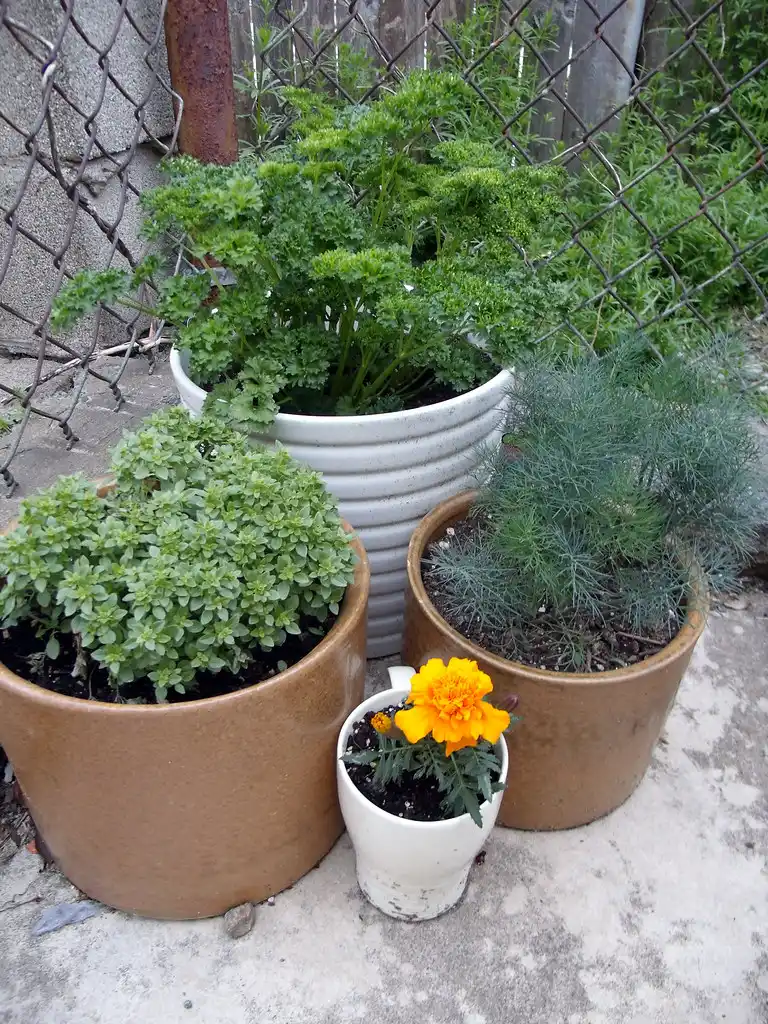
What herbs grow well in pots?
Many herbs fit containers well because they stay compact and take pruning without much complaint. Basil, parsley, cilantro, chives, thyme, oregano, and mint can all grow in pots, but their light and watering needs are not identical. The right herb depends on the window, balcony, and container depth available.
Best herb starts for windowsills and balconies
Small, upright herbs fit windowsills best. Chives and thyme stay tidy in modest pots. Parsley and cilantro can also work well if the light is decent and the soil stays evenly moist. On balconies, basil and oregano often do well when the pot is large enough and the sun is strong.
Johnny’s offers Microgreen Herbs as a distinct seed category, and also lists Microgreens and More, Microgreen Vegetables, Microgreen Flowers, and Microgreen Supplies. Those are useful when the goal is quick harvests from a tight indoor setup.
Which herbs handle tighter pots better
Herbs with finer root systems and naturally compact growth are the safest bets for tight containers. Thyme, chives, oregano, and many basil types fit this pattern better than sprawling herbs that want more room or constant trimming.
Mint is a common exception, so it is often kept in its own pot. It grows aggressively, so it belongs in its own pot. Without separation, it can overrun nearby herbs fast.
When herbs need more light than a north-facing window can give
Sun-loving herbs such as basil usually need stronger light than a dim north-facing window can offer. In that case, a movable pot on a brighter sill, a balcony spot, or a patio edge is better. Some herbs will survive low light, but growth slows and stems stretch.
Moveable containers help here. A pot can follow the sun in shoulder seasons, then shift back when heat or wind becomes too intense.
How deep does a container need to be for different seeds?
Container depth should match the crop’s root depth, not the seed’s size. Shallow-rooted greens need less soil, while root crops and fruiting vegetables need more volume to stay stable, hold moisture, and support steady growth. Wider pots matter too, especially for lettuce and herbs.
Shallow pots for lettuce and other greens
Lettuce and similar greens usually do well in shallow, wide containers with drainage holes. They do not need a deep root run, but they do need enough surface area to spread leaves and enough soil to prevent rapid drying.
Baby mixes are especially useful in small containers because they are often harvested before they need heavy root space. Loose-leaf types are also practical because repeated cutting keeps the plant useful longer.
Medium depth for bush beans and many herbs
Bush beans and many herbs fit medium-depth containers. They need more root volume than lettuce, but usually less than large fruiting crops. Stable pots matter here because a top-heavy plant in a lightweight container can tip in wind.
Good drainage is non-negotiable. Beans dislike soggy soil, and many herbs decline quickly if the roots stay wet for long stretches.
Deeper pots for radishes with long roots and fruiting crops like peppers
Round radishes can work in shallower setups, but long-root types need more depth. Peppers also need deeper pots than greens because their root systems and fruit load both ask for more support. A deeper container gives more stable moisture and less heat stress.
For balcony growers, depth is only part of the choice. A heavy pot may be better for stability, but it must still fit the weight limits of the space.
Use this container seed selector table
This selector maps common seeds to a practical minimum pot depth, sun need, space footprint, and risk level for balconies, patios, and windowsills. It is built to answer the real question: what fits the exact container, not just what sounds easy.
| Seed type | Minimum pot depth | Sun needs | Space footprint | Risk level |
|---|---|---|---|---|
| Lettuce: loose-leaf, romaine, butterhead, baby mixes | 6-8 inches, wider than deep | Partial shade to full sun | Low to moderate; spreads outward more than downward | Low, if moisture stays even |
| Radishes: round types | 6-8 inches | Full sun to light shade | Low; small top growth | Low to moderate, if watering is steady |
| Radishes: long-root types | 10-12 inches | Full sun to light shade | Low | Moderate, because depth matters |
| Bush beans | 10-12 inches | Full sun | Moderate; compact but not tiny | Moderate, if drainage is poor |
| Peppers: sweet, bell, chili, ornamental, specialty | 12-18 inches | Strong full sun | Moderate to high; one plant per pot | Moderate to high in low light or wind |
| Herbs: thyme, chives, oregano, basil, parsley, cilantro | 6-12 inches, depending on herb | Partial shade to full sun | Low to moderate | Low to moderate, depending on water needs |
What can go wrong in small spaces, and how do you avoid it?
Small containers fail in a few predictable ways: poor drainage, low light, wind exposure, reflected heat, and pots that are too small for the crop. Avoiding those problems matters more than buying a fancy seed mix. A good container and the right variety beat a bad fit every time.
Poor drainage and waterlogged soil
Drainage holes are required. Without them, roots sit in water and oxygen drops. Stable pot choice matters too, because a small, lightweight container can dry unevenly or tip. Match soil volume to root depth, then water so the root zone stays moist, not swampy.
Lettuces and herbs often need more regular checking than people expect. Radishes dislike drying out. Beans and peppers punish overwatering differently, but neither one likes a soggy pot.
Low light and stretched seedlings
Many fruiting crops need full sun, while some greens and herbs tolerate partial shade. If the light is weak, seedlings stretch, stems thin out, and growth slows. A balcony pot can be moved to chase sun, which is one of the best tools a container gardener has.
Windowsills are the hardest test. If the crop wants strong sun and the window does not deliver it, the seed choice is wrong even if the pot size is right.
Wind, heat, and weight limits on balconies
Balcony gardening has extra constraints. Wind can snap tall stems and dry pots fast. Heat reflected from walls can bake soil. Heavy containers may be a problem where weight limits matter, so pot size and material should be chosen with the structure in mind.
Urban Garden Seed notes that small-space gardening can work on a balcony and an apartment patio. It can, but only when the crop, container, and exposure line up.
Choosing a pot that is too small for the crop
A pot that is too small causes crowded roots, rapid dry-down, and weaker yields. That mistake is common with peppers and often happens when a gardener tries to squeeze a fruiting crop into a lettuce-sized container. Mature width matters as much as height.
If the plant needs support, room to branch, or steady fruiting, give it a deeper, heavier container from the start. Transplant shock and cramped roots are harder to fix later than to avoid upfront.
Frequently asked questions
What seeds grow best in small spaces and containers?
The best seeds are compact, quick to harvest, and matched to the container’s depth and light. Lettuce, radishes, bush beans, peppers, and many herbs are common winners. The key is choosing a form that stays small enough for the pot you have, rather than hoping the pot can adapt later.
Which vegetables are best for container gardening?
Lettuce, radishes, bush beans, and peppers are among the best container vegetables because their growth habits are manageable when the pot is chosen well. Lettuce is shallow rooted, radishes mature fast, bush beans stay compact, and peppers reward strong sun in a single, appropriately sized container.
What herbs grow well in pots?
Thyme, chives, oregano, basil, parsley, and cilantro are all common container herbs, but they do not ask for the same light or water. Compact herbs with tidy growth fit windowsills and balconies best. Mint can also grow in a pot, but it should have its own container.
How deep does a container need to be for different seeds?
Shallow greens like lettuce can work in 6-8 inches of depth if the container is wide and drains well. Bush beans and many herbs often need medium depth. Peppers and long-root radishes need deeper pots, usually 12-18 inches, to hold enough soil and moisture.
Do I need full sun for container-grown vegetables?
Many fruiting vegetables do need full sun, especially peppers. Leafy greens and some herbs can tolerate partial shade, which makes them better for a balcony that gets only part-day light. If the crop keeps stretching or producing lightly, the problem is often light, not the seed.
Which seeds are good for a balcony garden?
Balcony gardens do well with compact, bush, patio, container-friendly, determinate, miniature, and space-saving varieties. Lettuce, radishes, bush beans, peppers, and many herbs are good fits if wind, reflected heat, and weight are accounted for. Movable pots are especially useful on balconies.