What Seeds Grow Best in Shade: Best Picks for Beds
Seeds that do well in shade are the ones for bright shade and part shade: lettuce, spinach, arugula, cilantro, dill, radish, beet, and peas. In deep shade, germination drops and crops stay thin. Pick the wrong light level and you get leggy seedlings, slow growth, bolting, and seed wasted. This guide sorts crops by bright shade, part shade, and deep shade so you can match seed packets to the light you actually have.
What kind of shade do you actually have?


Shade is not one thing. Bright shade can get several hours of strong indirect light and a little direct sun; part shade usually gets 2-4 hours of sun; full shade gets little or no direct sun; deep shade under dense trees or buildings is the hardest place for seed crops. That difference decides what will germinate, size up, or fail.
Full shade vs partial shade vs dappled shade
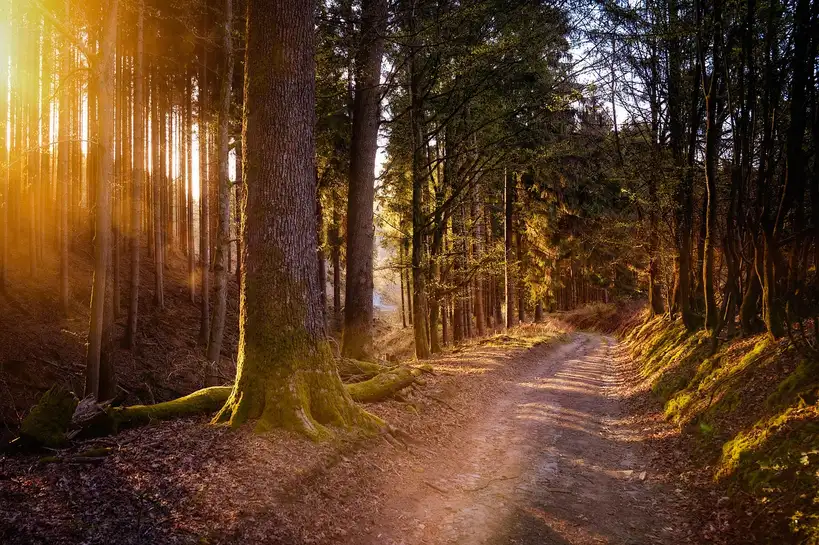
Part shade and dappled shade are the useful categories for seeds. Part shade usually means some direct sun, often morning sun, while dappled shade filters light through leaves and can still support leafy crops. Full shade is dim all day. Deep shade is worse, because trees and walls block both light and air movement.
How many hours of sun each zone gets
For many shade-tolerant food crops, a few hours of sun can be enough if the light is reasonably bright. Less than that, and germination slows, seedlings stretch, and yields drop sharply. The clock matters, but so does intensity. A shady bed beside a south-facing wall behaves very differently from a bed under a closed canopy.
Morning sun, reflected light, and deep shade under trees or buildings
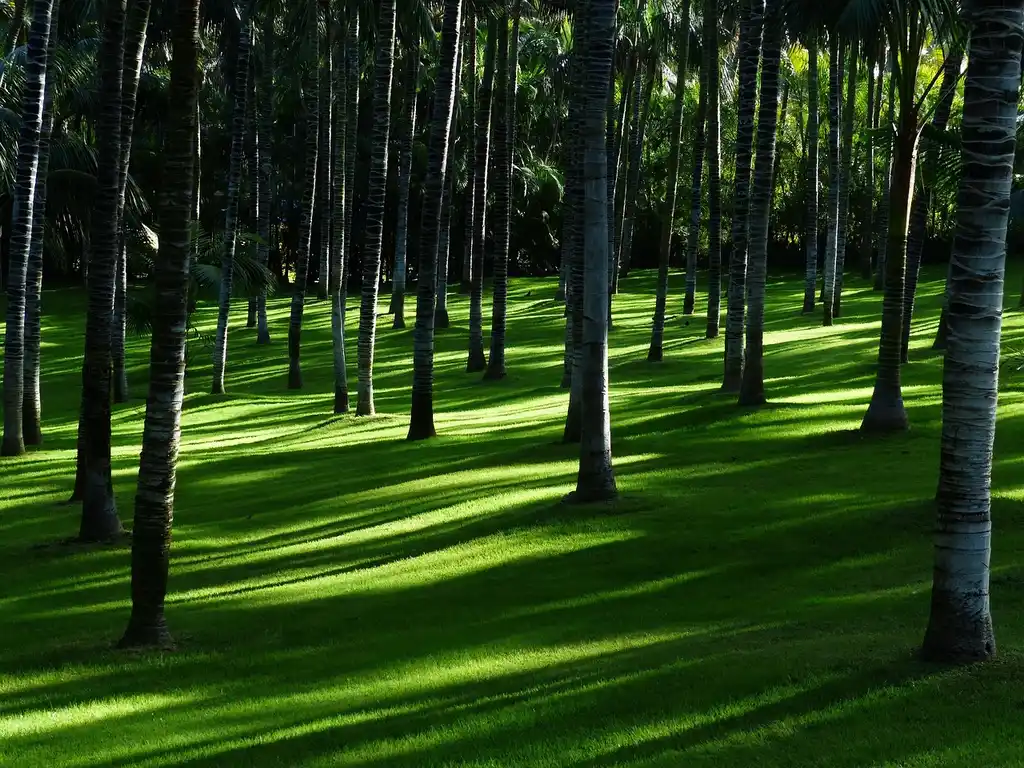
Morning sun is often the best limited light because it comes in bright and cool, before heat builds. Reflected light from pale walls, patios, or fences can also help. Deep shade under mature trees or tall buildings usually means weaker light, drier root competition, and more failure with direct-sown seed than gardeners expect.
Which seeds grow best in bright shade?
Bright shade is the sweet spot for most seed crops that handle lower light. Cool-season leafy vegetables usually do best first, followed by some roots and a few herbs. They germinate faster than fruiting crops and accept less light without collapsing into thin, weak growth. This is where most productive shade gardening happens.
Leafy crops that still size up well
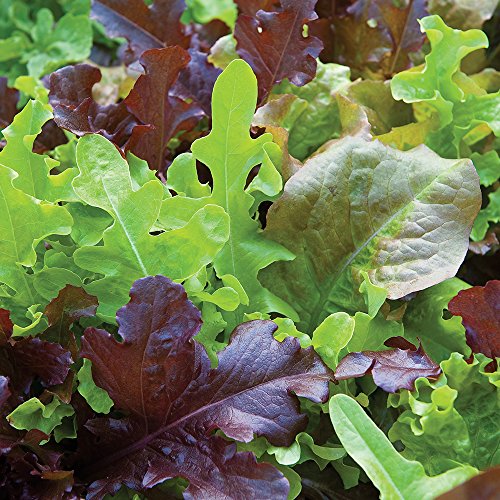
Lettuce, spinach, arugula, kale, and chard are often good first seeds to try in bright shade. They are cool-season crops, they germinate fast, and they handle lower light better than crops grown for fruit. Expect slower sizing than in sun, but often better leaf quality and less bolting in warmer weather.
Best root crops for lighter shade
Radish, beet, and carrot can often handle partial shade better than fruiting crops, especially when the bed gets some hours of sun. They still need loose soil, steady moisture, and thinning. Tight soil makes carrots fork. Crowded seedlings make beets and radishes small, woody, or misshapen.
Herbs that can work with less sun
Parsley, cilantro, chives, and mint are often reliable shade-leaning herbs from seed. Many still want some morning sun, especially in cooler air and moisture-retentive soil. Dill can also work in bright shade, but it is more likely to stretch if the light stays weak for too long.
What seeds will grow in deep shade, and what usually fails?
Deep shade is a poor place for most direct-sown food crops. A few leafy greens may limp along if the light is bright enough and the soil is well managed, but germination is often uneven and growth stays thin. Fruiting crops usually fail here, and many flowers bloom poorly or not at all.
What can survive with very limited light
In true deep shade, the safest seed choices are usually parsley, chives, some lettuce types, and a few shade annuals. Even these may be slow. If the site gets almost no direct sun, think survival rather than production. Small leaves, weak stems, and fewer harvests are the common result.
Why fruiting crops struggle in low light
Tomatoes, peppers, squash, and similar crops usually need stronger light to make flowers and fruit. In shade, they often grow spindly, delay flowering, or set poor yields. That failure is not a soil problem alone. It is a light problem, and no fertilizer can fully replace missing intensity.
When to skip direct sowing and use other methods
If a spot is deep shade, direct sowing is often a poor bet. It may be better to start seeds indoors under lights, then move transplants to the brightest possible edge of the site. University of Maryland Extension notes that grow lights best mimic natural sunlight, and indoor light is usually easier to control than tree shade.
A shade seed scorecard you can use before sowing

Use this scorecard before opening a packet. It ties light level to crop type and makes the tradeoff clear. Bright shade can produce useful leaves and some roots; part shade is better for many crops; deep shade usually means weak growth, lower yield, and more seed lost to rot or stalling.
| Light level | Best seed types | Expected tradeoff |
|---|---|---|
| Bright shade | Lettuce, spinach, arugula, kale, chard, radish, beet, parsley, cilantro | Slower size-up than sun, but usable harvests and better leaf quality than in deep shade |
| Part shade | Leafy greens, radish, beet, carrot, chives, dill, some flowering annuals | Good for leaves and roots; fruiting crops still struggle if light stays weak |
| Deep shade | Parsley, chives, a few lettuces, some shade flowers started carefully indoors | Low germination, thin stems, poor flowering, and higher loss from rot or damping off |
How to use the scorecard for beds, patios, and tree lines
For a bed beside a wall, look at reflected light first. For a patio, count how long direct sun actually hits the soil, not the air above it. Under trees, watch for shifting shade through the day. A bed that gets one bright morning window may perform far better than a spot with gray light all day.
What the scorecard says about growth speed and yield
Bright shade often gives a good balance of speed and yield for leafy crops. Part shade can still deliver decent roots and herbs. Deep shade trades yield for survival. If the goal is a harvest, not just living plants, seed choice should match the highest light zone available.
What vegetables, herbs, and flowers do best in shade?
The best shade seeds fall into three groups: leafy vegetables, some root crops, and a short list of herbs and flowers. Burpee sells seeds and plants across vegetables, herbs, and flowers, while Johnny’s lists Greens, Root Crops, Lettuce, and Microgreens as separate crop areas. That matches what I see perform in lower light.
Leafy vegetables
Lettuce, spinach, arugula, kale, and chard lead the list. They germinate quickly, tolerate lower light better than fruiting crops, and can still make usable harvests in bright shade or part shade. Spinach often likes cooler, lower-light conditions. Arugula can stay tender longer away from harsh sun.
Root crops
Radish, beet, and carrot are the main root crops to consider. They can handle partial shade better than crops grown for fruit, but they still need loose soil and adequate thinning. Without room belowground, roots stay stubby or split. Shade also means the bed dries more slowly, so timing matters.
Herbs and shade annuals
Parsley, cilantro, chives, and mint are the strongest herb picks from seed. For flowers, impatiens, lobelia, and begonias are common shade annuals in guides and perform best when the light is low but not dead dim. Their bloom count drops as shade deepens, so flowers in shade are a trade of color for less intensity.
How much sun do shade-tolerant seeds need?
Many shade-tolerant seeds still need 2-4 hours of sun, especially if you want harvests rather than survival. Duration matters, but intensity matters too. A south-facing window or wall can be much brighter than a tree-filtered bed. For indoor starts, artificial light helps when outdoor light is too weak or too short.
Why 2-4 hours can be enough for some crops
That window of sun is often enough for lettuce, spinach, arugula, radish, beet, parsley, and cilantro when the rest of the day stays bright. It is not enough for most fruiting crops. The crops that work here are the ones that build leaves or roots first, then ask for less light to finish.
Why intensity matters as much as clock time
Two hours of strong morning sun can beat four hours of dim light under a tree canopy. South-facing exposures usually bring the brightest indoor light, and the same idea applies outside: open sky, reflected light, and clean morning sun beat gray shade. Low intensity is what makes seedlings stretch and fail.
When artificial light helps indoor starts
University of Maryland Extension classifies indoor plant light needs as low, medium, or high, and notes that grow lights best mimic natural sunlight. That matters for shady homes, apartments, or seed starts in winter. UMD also warns not to expose plants to more than 16 hours of light, so timing still matters. (extension.umd.edu)
How do you sow seeds in shady spots without losing them?
Shady beds dry more slowly, so seed losses often come from rot, damping off, and poor air flow rather than drought. Use a well-draining mix, follow packet depth closely, and thin promptly. Many shade failures start with seed sitting too wet for too long, especially under trees and dense shrubs.
Loose soil, thinning, and correct sowing depth
Carrots usually do best in loose soil, or they may fork. Beets and radishes still usually need thinning so each root has room. Lettuce and spinach should be sown at the packet depth, not deeper. Seed packet instructions matter because shade slows recovery from mistakes. Slow seedlings cannot push through bad depth as easily.
Drainage and watering in cooler, slower-drying beds
Shaded soil can stay moist longer than sunny soil, which sounds helpful until rot starts. Water less often, but water thoroughly when needed. Avoid keeping the surface constantly wet. In cool, damp shade, that pattern favors damping off and mildew, especially when air movement is limited by walls or branches.
Preventing damping off and rot
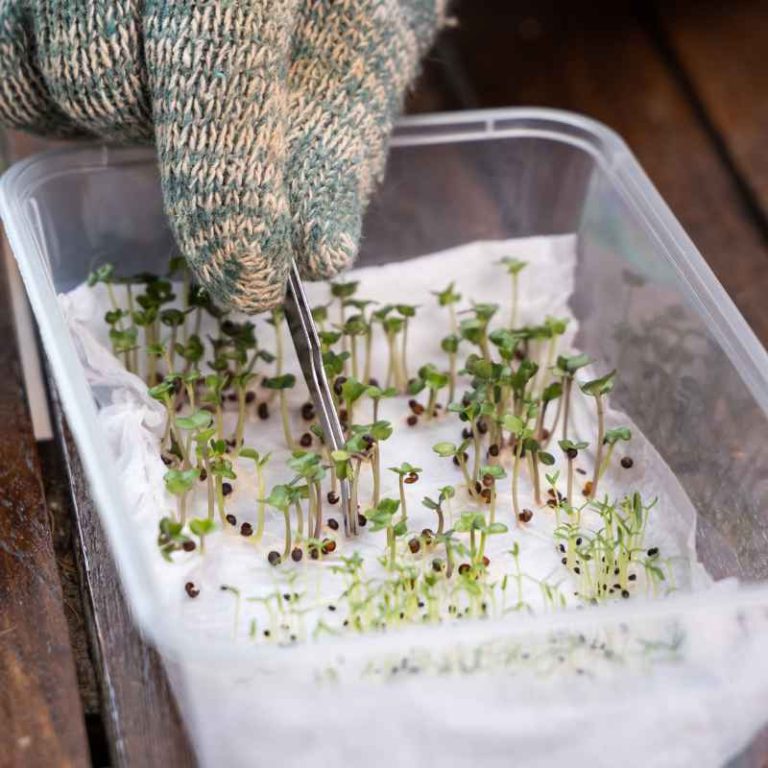
Use fresh seed-starting mix for trays. Keep containers open to airflow. Do not bury seed too deep. If a packet says full sun, part shade, or full shade, treat those labels as real light guidance, not marketing language. The sowing depth and days to germination on the packet matter as much as the crop name.
Frequently asked questions
What flower seeds grow best in shade
Impatiens, lobelia, and begonias are common shade annuals to start from seed or buy as plants. They bloom better in lower light than sun-loving annuals, but they still need enough brightness to avoid weak stems and sparse flowering. Deep shade usually lowers bloom count fast.
What seeds will grow in shade
The most reliable seeds for shade are lettuce, spinach, arugula, kale, chard, radish, beet, parsley, cilantro, chives, and some shade annuals. In bright shade or part shade, these can produce useful harvests. In deep shade, expect slower germination, thinner growth, and less yield.
What food can i grow in the shade
For edible crops, focus on leaves and roots first. Lettuce, spinach, arugula, kale, chard, radish, beet, carrot, parsley, cilantro, and chives are the main choices. Peas can work in brighter shade, but fruiting vegetables generally need stronger light than most shady beds provide.
What grows best in shade
Bright shade favors cool-season leafy crops most of all. Lettuce, spinach, arugula, kale, and chard usually give the best balance of speed and harvest. If the site only offers deep shade, shade annuals or a few herbs may be more realistic than expecting full garden production.
Which vegetable seeds tolerate part shade
Radish, beet, carrot, lettuce, spinach, arugula, kale, and chard are the main vegetable seeds that tolerate part shade. The site should still get 2-4 hours of sun for better results. Loose soil, thinning, and careful watering matter more as light drops.
Can you direct sow seeds in shade
Yes, but only when the shade is bright enough and the crop suits it. Direct sowing works best for lettuce, spinach, arugula, radish, beet, and some herbs in bright shade or part shade. In deep shade, direct sowing often fails because seedlings grow slowly and stay wet too long.
What herbs grow well in shade
Parsley, cilantro, chives, and mint are the most dependable herbs from seed in shade. Some dill can also work in brighter spots. Many herbs still prefer some morning sun, so the best results come from bright shade rather than deep shade under trees or between buildings.