When To Plant Centipede Grass Seed In North Carolina
The best time to plant centipede grass seed in North Carolina is from late spring to early summer, typically between May and June. This allows the seeds to germinate and establish roots during warmer weather before the intense heat of mid-summer or the cold of fall arrives. Early fall (late August to September) is also a viable option, especially for overseeding established lawns.

Scotts
Scotts EZ Seed Patch & Repair Centipede…
- WHEN TO APPLY: For best germination results, apply centipedegrass lawn seed when daytime temperatures are consistently between 70°…
- LAWN PATCH AND REPAIR: Scotts EZ Seed Patch & Repair Centipede Grass is a grass seeding product that makes grass patch repair for…
- COVERAGE: This 3.75 lb. shaker jug of Scotts EZ Seed Patch & Repair lawn grass seed mix covers up to 85 sq. ft. in 3 easy steps: p…
As an Amazon Associate I earn from qualifying purchases.
For a related plant-care question, Should You Plant Grass Seed Before It Rains? Honest Answer gives readers a more focused follow-up.

Understanding Centipede Grass Planting Times
Centipede grass is a popular choice for Southern lawns. It’s known for its low-maintenance needs. It likes warm weather and doesn’t need a lot of fertilizer.
But, like all grass, it needs the right conditions to get started. The timing of planting is super important for its success. It affects germination and how well the grass grows its first year.
There are two main windows for planting centipede grass seed. One is in the spring. The other is in the early fall.
Each has its own pros and cons. Knowing these will help you pick the best time for your yard. We need to think about the weather in North Carolina.
It has distinct seasons. This means spring and fall planting have different challenges.
The goal is to give the new grass seedlings the best chance to thrive. This means avoiding extreme temperatures. Both too hot and too cold can be bad.
It also means ensuring enough moisture is available. Seedlings are delicate. They need consistent dampness to sprout and grow strong roots.
Let’s break down these planting windows. We’ll look at why they work and what makes them successful. Understanding the plant’s life cycle is key.
It helps us make smart choices for our lawns. We want that lush, green look. Good timing is the first step.
Why Spring Planting Works (Late Spring to Early Summer)
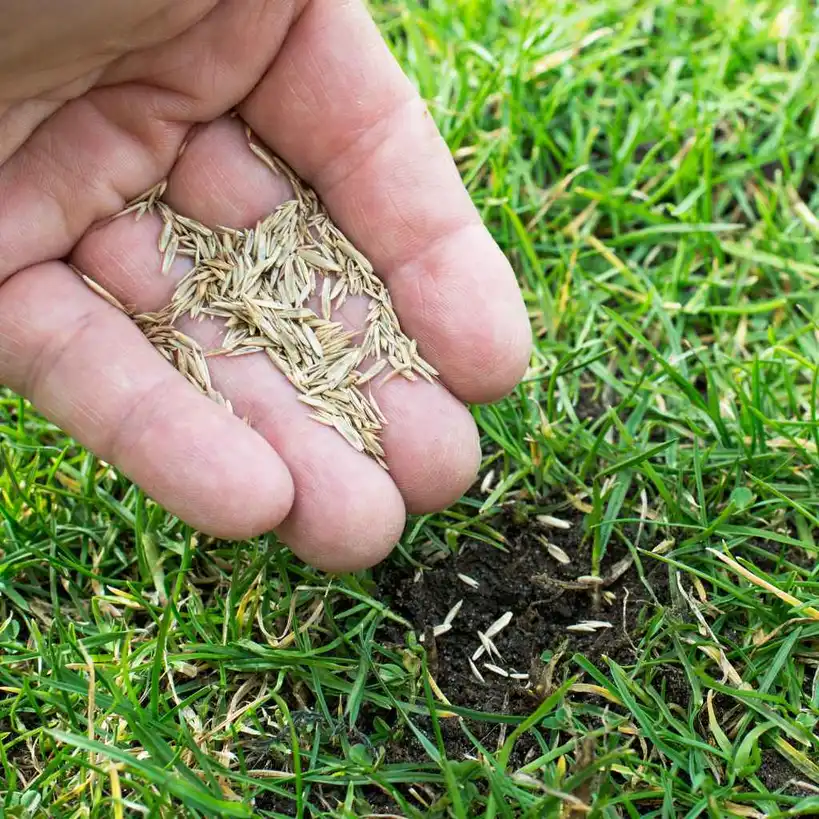
Spring planting, specifically from late May through June in North Carolina, is often considered ideal for centipede grass. The soil is warming up nicely. This is great for seed germination.
The days are getting longer. This means more sunlight for the young grass. It’s a time of growth and renewal for many plants.
This period avoids the very cold of winter. It also avoids the brutal heat of mid-July and August. These extremes can stress or kill new grass seedlings.
The warm soil encourages the seeds to sprout. They then have several weeks of good growing weather. This helps them develop a strong root system.
New roots need to grow deep before the hot, dry summer months. Spring planting gives them this head start. The young grass can access moisture from deeper in the soil.
This makes it more resilient. It’s like giving a baby a good start in life. A strong foundation makes all the difference.
The consistent moisture from spring rains is also a big help. While you’ll still need to water regularly, nature can assist. This means less stress for you and the grass.
It’s a time when the environment is generally supportive of new life. This is why many people aim for this planting window.
Think of it this way: the grass germinates as the weather turns reliably warm. It then grows through the mild summer months. It’s not too hot, not too cold.
It’s just right for establishing itself. This leads to a more established lawn by the time fall or the next spring rolls around. It’s a slower, steadier growth.
This timing also works well for soil preparation. You can get your beds ready in early spring. Then, you wait for the best planting window.
It gives you time to address any soil issues. You can add compost or adjust pH. This ensures the seeds have the best possible start.
It’s a planned approach to a beautiful lawn.
The Case for Early Fall Planting (Late August to September)
While spring is often favored, early fall planting also has its merits. In North Carolina, this means late August through September. This period is excellent for overseeding existing lawns.
It can also work for starting a new lawn if timed correctly.
The key benefit of fall planting is that the soil is still warm from summer. However, the air temperatures are starting to cool. This combination is very favorable for germination.
It’s also ideal for seedling growth without the stress of extreme heat. The grass can establish itself before winter sets in.
Fall planting allows the grass to grow its roots through the fall. It then goes dormant in winter. When spring arrives, the grass is already established.
It can start growing vigorously. It often looks better in its first year than spring-planted grass. This is because it had a full season of root development.
The challenge with fall planting is the risk of an early frost. If seeds are planted too late, they may not have enough time to establish. They could be damaged by freezing temperatures.
Also, you need to be vigilant with watering. Fall can sometimes be drier than spring.
It’s crucial to get the seed down early enough in the fall. This gives it at least 4-6 weeks of good growing weather. This means the roots can anchor themselves before the ground freezes.
This is especially important for bare ground rather than overseeding.
If you missed the spring window, fall is a great second chance. It’s also a good strategy if you’re dealing with weed issues in the spring. By planting in the fall, you can use pre-emergent weed control in the spring before the centipede grass is fully established.
This can help reduce competition from weeds.
For overseeding, fall is fantastic. The existing grass can offer some protection to the new seeds. The soil is usually a bit more forgiving.
You’re not starting from scratch. This makes fall overseeding a very practical and effective method for improving lawn density.
Planting Window Comparison: Spring vs. Fall
Spring Planting (Late May – June)
- Pros: Soil warming for germination, growing season ahead, avoids extreme heat, consistent spring rains help.
- Cons: Can sometimes be too wet early on, might face some weed competition.
Fall Planting (Late August – September)
- Pros: Warm soil and cool air, good root development before winter, ideal for overseeding.
- Cons: Risk of early frost, can be drier, needs careful timing.
Factors to Consider for North Carolina
North Carolina’s climate is diverse. Coastal areas are milder. The western mountains can have harsher winters.
This means you need to be aware of your specific region. What works for Raleigh might be different for Asheville.
Coastal Plains: You might have a slightly longer fall planting window. Winters are generally milder. Spring planting is usually safe.
Extreme heat might arrive a bit later than inland areas.
Piedmont Region: This is the middle ground. Spring planting (late May-June) is usually very reliable. Fall planting (late August-September) is also good.
You need to watch for the first frost.
Mountain Region: Winters are colder. Spring arrives later. Fall planting needs to happen even earlier.
You might have a shorter window for success. Late spring planting (early June) is often best.
Soil temperature is a key indicator. Centipede grass seeds need soil temperatures to be consistently between 70°F and 85°F (21°C to 29°C) for best germination. This usually happens in late spring and early summer in NC.
It also happens in early fall before it gets too cold.
Check the weather forecast. Look for a period of mild weather. Avoid planting right before a major heatwave or a hard freeze.
Patience is a virtue here. Waiting a week or two can make a huge difference.
Weed pressure is another factor. Spring often brings a surge of weeds. These can compete with new grass seedlings.
Fall planting can sometimes give you an advantage over weeds. However, if weeds are a major problem, you might need a strategy for them.
Moisture is critical. Both spring and fall can have dry spells. You must be prepared to water diligently.
New seeds need consistent moisture to sprout and grow. They shouldn’t dry out at all.
I remember one year I decided to plant early spring. I got excited as soon as the ground felt warm. But then we had a cold snap.
And then a really hot spell. The seeds struggled. Many didn’t sprout.
The ones that did were weak. I ended up having to reseed in the fall. That taught me a valuable lesson about being patient.
Waiting for that perfect window is crucial.
Preparing Your Soil for Seed
No matter when you plant, good soil preparation is vital. This isn’t just about scattering seeds. It’s about creating the best possible environment for them to grow.
Healthy soil is the foundation of a healthy lawn.
First, clear the area. Remove any debris. This includes rocks, old roots, and dead grass.
Rake the area smooth. Fill in any low spots with topsoil. You want a level surface.
This helps with even watering and mowing later on.
Test your soil. You can get a soil test kit from a garden center or your local cooperative extension office. This tells you your soil’s pH and nutrient levels.
Centipede grass prefers slightly acidic soil. A pH between 5.0 and 6.5 is ideal.
Amend your soil based on the test results. If your soil is too acidic, you might add lime. If it lacks nutrients, you’ll add fertilizer.
You can also improve soil structure by adding organic matter. Compost is excellent for this. It helps with drainage and water retention.
Till the soil. Loosen the top 4-6 inches of soil. This helps new roots penetrate easily.
It also mixes in any amendments you’ve added. After tilling, rake the surface smooth again. Remove any clumps or stones.
A light layer of compost can be spread over the tilled soil. This adds nutrients and improves the soil’s texture. It’s like a nutrient-rich blanket for your seeds.
For overseeding an existing lawn, the preparation is slightly different. You’ll want to mow the lawn shorter. Then, rake out any thatch.
This is the layer of dead grass and debris on the soil surface. It can prevent seeds from reaching the soil. Aerating the lawn can also help.
It creates small holes that allow seeds to fall into the soil.
Ensure the soil is firm but not compacted. You should be able to walk on it without sinking. You can lightly roll the area after preparation.
This ensures good seed-to-soil contact. This is very important for germination.
I once skipped the soil testing. I just tilled and seeded. My grass grew, but it was weak.
It turned yellow quickly. I later learned my soil had a nutrient deficiency. It was a costly mistake.
Now, I always test my soil. It saves me time and money in the long run.
Soil Prep Checklist
- Clear debris: Rocks, sticks, old grass.
- Level the ground: Fill low spots.
- Test soil pH and nutrients.
- Amend soil: Add lime or fertilizer if needed.
- Incorporate organic matter: Use compost.
- Till or loosen the topsoil.
- Rake smooth and firm the ground.
Sowing the Seed and Early Care
Once your soil is ready, it’s time to sow the seeds. Use a quality centipede grass seed. Read the bag to know the recommended seeding rate.
This is usually measured in pounds per 1,000 square feet.
Use a broadcast spreader for larger areas. Calibrate it according to the seed bag’s instructions. Spread half the seed in one direction.
Then, spread the other half perpendicular to the first. This ensures even coverage.
For smaller areas, a hand spreader works well. Work slowly and deliberately. Aim for uniform distribution.
Avoid creating thick clumps of seed. This can lead to weak, crowded grass.
After sowing, lightly rake the seed into the top ¼ inch of soil. This is very important. It ensures good seed-to-soil contact.
It also helps protect the seeds from birds and drying out. Don’t bury the seed too deeply. Seeds need light and air to germinate.
Apply a starter fertilizer. This fertilizer is formulated to help new seedlings establish. It contains phosphorus, which is crucial for root development.
Follow the product instructions carefully.
Watering is the most critical step now. The newly seeded area must be kept consistently moist. Do not let the soil surface dry out.
Use a fine spray from your hose or a sprinkler. Water gently to avoid washing away seeds.
You’ll likely need to water several times a day for the first week or two. As the seedlings emerge and grow, you can gradually reduce the watering frequency. Aim for about 1 inch of water per week.
This includes rainfall.
Avoid walking on the seeded area. Keep pets and children off it. It’s fragile until it’s well-established.
Germination usually takes 14 to 21 days. You’ll see tiny green sprouts. Be patient.
Some seeds may take longer than others. Once you see good germination, continue watering. You can begin to reduce watering frequency.
You should not mow the new grass until it’s about 2 to 3 inches tall. Use a mower with a sharp blade. Set the mower to a higher cutting height for centipede grass.
This is typically around 1.5 to 2.5 inches.
When mowing for the first time, remove only about one-third of the grass blade. This is called the one-third rule. It helps prevent shocking the young grass.
It allows it to adapt to being cut.
Quick Seed Sowing Steps
- Use a spreader for even coverage.
- Rake seed lightly into the top 1/4 inch of soil.
- Apply starter fertilizer.
- Water gently and frequently to keep soil moist.
- Avoid walking on the seeded area.
- Mow only when grass is 2-3 inches tall.
Common Problems and Solutions
Even with perfect timing, problems can arise. Understanding these issues helps you fix them quickly.
Poor Germination: This can happen if seeds are too old, planted too deep, or not kept moist. Always buy fresh seed. Follow the depth guidelines.
Consistent watering is key. If germination is poor, you might need to reseed in the next planting window.
Weed Competition: Young grass is vulnerable to weeds. Avoid heavy pre-emergent herbicides right before seeding. Focus on good mowing and watering practices.
As the lawn thickens, it will naturally crowd out weeds. For severe weed problems, consider spot treating or professional help.
Disease: Centipede grass can be susceptible to certain fungal diseases. Good air circulation and avoiding overwatering can help. If you see brown patches or unusual spots, identify the disease.
Seek advice on treatment. Often, proper cultural practices are the best defense.
Drought Stress: Young grass needs regular watering. If you experience a dry spell, water more often. Established centipede grass is more drought-tolerant, but new seedlings are not.
Pest Infestations: Grubs or other insects can damage new grass. Inspect your lawn regularly. Look for signs of damage.
If you find pests, use appropriate controls. Always follow product instructions.
I once had a major grub problem after seeding. It was devastating. I saw patches of grass lift off the soil like a carpet.
It turned out they had been eating the roots. I had to reseed. This time, I used a grub control treatment before I even thought about planting.
Prevention is so much easier.
Another common issue is uneven growth. This can be caused by uneven seeding or watering. Or it could be soil variations.
Try to be as precise as possible during seeding and watering. If some areas grow faster, you might need to adjust mowing heights or frequency.
It’s also important to remember that centipede grass is a slow grower. Don’t expect a thick lawn overnight. It takes time and consistent care.
Be patient with the process. Enjoy the journey of watching your lawn develop.
What This Means for Your North Carolina Lawn
For homeowners in North Carolina, choosing between spring and fall planting depends on your goals and your lawn’s current state. If you’re starting a new lawn from scratch, late spring to early summer is often the safest bet. It gives you the longest growing season before winter.
If you have an established lawn that needs thickening, fall overseeding is an excellent option. It’s less disruptive. The results can be quite dramatic.
You get denser turf without starting over.
Consider your personal schedule too. If you have more time in spring for thorough soil preparation, go for it. If your fall is less hectic, that might be your preferred planting time.
No matter the season, remember that consistent care is key. Proper watering, mowing, and occasional fertilization will ensure your centipede grass thrives. It’s about creating a healthy environment for your lawn to grow.
Centipede grass is known for being low-maintenance once established. It doesn’t require heavy fertilizing. It tolerates shade better than some other warm-season grasses.
This makes it a good choice for many North Carolina landscapes. But remember, “low-maintenance” doesn’t mean “no-maintenance.”
The right planting time sets the stage. It’s the crucial first step towards a beautiful, healthy lawn. By understanding the nuances of North Carolina’s climate and the needs of centipede grass, you can achieve great results.
Your lawn will thank you for it.
Think about the types of grasses that grow well in North Carolina. Centipede is a great warm-season grass. It thrives in the heat.
But it does go dormant in winter. This is why fall planting needs careful timing. You want it established before the cold truly sets in.
Spring planting allows it to grow through the warm months.
I’ve seen many lawns in North Carolina. The ones that look best usually had their seed planted at the right time. It’s not magic.
It’s about understanding the plant and the seasons. It’s about giving the grass the best possible start. This ensures it can handle the stresses of summer and winter.
When to Worry (and When Not To)
It’s normal for new grass seedlings to look a bit delicate. Don’t panic if they don’t look perfectly uniform right away. A few bare spots here and there are okay.
You can always overseed those areas later.
You should worry if:
- Seeds don’t sprout after 3-4 weeks. This could mean old seed, poor soil contact, or not enough moisture.
- Young grass turns yellow and wilts quickly. This might indicate a nutrient deficiency, disease, or pest problem.
- Large patches of grass die off. This is a sign of potential disease or insect activity.
- Weeds are completely taking over. If weeds are outcompeting the grass, you need a strategy.
It’s not normal if:
- Your grass doesn’t seem to grow at all.
- It looks sickly or diseased.
- You see large areas of dead grass.
If you notice serious issues, it’s time to investigate. Take photos. Note the symptoms.
Contact your local county extension office. They offer expert advice and can help diagnose problems. Sometimes, a simple adjustment in watering or mowing is all that’s needed.
Other times, you might need to treat a specific issue.
For centipede grass, remember it has a slower growth rate. It won’t fill in as quickly as some other grass types. This is normal.
Its beauty lies in its fine texture and attractive green color. It also requires less fertilizer and mowing. So, a bit of patience goes a long way.
Don’t compare your new lawn to established ones. They’ve had years to grow and fill in. Your new lawn is a baby.
It needs nurturing and time. Focus on providing the best possible environment. The grass will grow.

Quick Tips for Success
Here are some easy-to-remember tips:
- Buy Fresh Seed: Seed loses viability over time.
- Read the Label: Seeding rates and soil depths matter.
- Soil Test is Key: Know your soil before you add anything.
- Water, Water, Water: Especially for new seedlings.
- Be Patient: Grass takes time to establish.
- Mow High: Centipede prefers a slightly higher cut.
- Fertilize Smartly: Centipede needs less fertilizer than other grasses.
- Overseed in Fall: A great way to thicken lawns.
I always keep a small bag of centipede seed handy. If I notice a thin spot or a bare patch, I can quickly overseed it in the fall. It’s a simple way to maintain density.
Remember to check the weather before planting. A few days of rain after seeding can be a blessing. It helps keep the soil moist naturally.
But avoid planting right before a major storm that could wash seeds away.
If you’re unsure about your soil, or a specific problem, don’t hesitate to ask for help. Local garden centers and extension offices are great resources. They have knowledge specific to your area.
Frequently Asked Questions About Planting Centipede Grass Seed
What is the ideal soil temperature for planting centipede grass seed?
The ideal soil temperature for germinating centipede grass seed is between 70°F and 85°F (21°C to 29°C). This warmth helps the seeds sprout effectively.
Can I plant centipede grass seed in the summer in North Carolina?
Planting centipede grass seed in the peak of summer (July and early August) in North Carolina is generally not recommended. The extreme heat can be too stressful for young seedlings and may cause them to die.
How often should I water newly seeded centipede grass?
Newly seeded centipede grass needs to be kept consistently moist. You may need to water gently 2-3 times a day for the first 1-2 weeks. As seedlings establish, you can gradually reduce frequency.
What is the best way to prepare soil for centipede grass seed?
Prepare soil by clearing debris, testing pH, amending with compost if needed, tilling to loosen the top 4-6 inches, and then raking smooth. A firm seedbed ensures good seed-to-soil contact.
How long does it take for centipede grass seed to germinate?
Centipede grass seed typically germinates within 14 to 21 days under ideal conditions. Patience is key, as some seeds may take a little longer.
Can I use a fertilizer immediately after planting centipede grass seed?
Yes, it is beneficial to apply a starter fertilizer that is low in nitrogen but high in phosphorus right after seeding. This helps promote strong root development for the new seedlings.
What are the signs that my centipede grass seed is not establishing well?
Signs of poor establishment include slow or no germination, seedlings turning yellow or wilting, or being quickly overtaken by weeds. These issues often point to problems with moisture, soil nutrients, or seed-to-soil contact.
Conclusion: Your Guide to a Greener Lawn
Planting centipede grass seed in North Carolina involves understanding the seasons and your lawn’s needs. Late spring to early summer offers a great window for new lawns. Early fall is ideal for overseeding.
Proper soil preparation and consistent watering are your best friends throughout the process. Be patient, observe your lawn, and you’ll be well on your way to enjoying that beautiful, low-maintenance centipede grass.
Related pick: Check today's price on Amazon