Air Purifier vs Plants: What Reddit Really Says
Air purifiers beat plants for real indoor air cleaning — Reddit users mostly agree that houseplants offer little practical air purification compared to mechanical air purifiers, which quickly remove pollutants like dust and VOCs. Plants bring joy, humidity, and beauty instead.
Many beginners dream of fresh, clean air at home with just a few green friends on the windowsill. You’ve probably seen lists of “air-purifying” plants like snake plants or peace lilies. But does it really work? A lot of people feel let down when their rooms still feel stuffy. The good news? You can make smart choices. In this guide, we’ll look at what Reddit gardeners and plant lovers truly say about air purifiers vs plants for better indoor air. I’ll share the honest pros, cons, and tips to help you decide what’s best for your space. Let’s clear the air together!
What Reddit Users Really Say About Plants and Air Quality
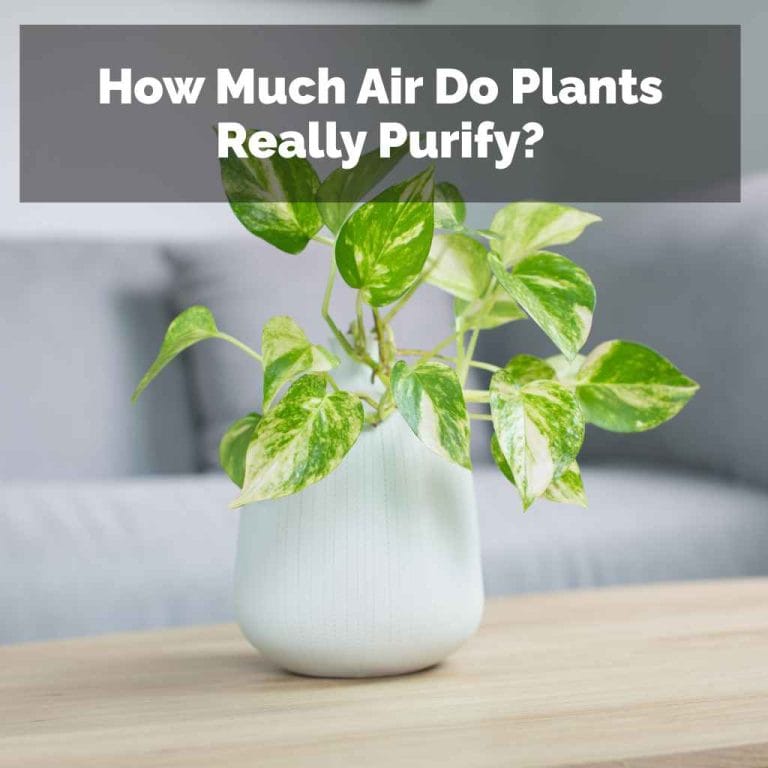
Reddit has tons of threads on this topic—from r/houseplants and r/gardening to r/science and r/AirQuality. The big takeaway? Most people bust the myth that common houseplants clean air effectively. It started with a famous NASA Clean Air Study from 1989. That study showed plants can remove some chemicals in sealed chambers. But in real homes? Not so much.
Users point out that you’d need hundreds of plants in a normal room to see any real drop in pollutants. One popular post in r/science shares a study saying plants clean air too slowly to matter compared to ventilation or machines.
Many Redditors love plants anyway. They say greenery makes you feel better, adds moisture, and creates a calmer vibe. But for actual purification—like cutting dust, smoke, or allergens—air purifiers win hands down.

Why the “Plants Clean Air” Idea Became So Popular
The NASA study got shared everywhere. Blogs and videos promised easy air cleaning with spider plants or aloe. But later research shows the tests used tiny, sealed spaces with super high pollution levels. Homes have air exchange from doors, windows, and vents. So plants’ slow action gets lost.
Reddit threads often call it a “myth” or “overhyped.” In r/explainlikeimfive, users explain the limits kindly. Plants do absorb some VOCs (volatile organic compounds) through leaves and soil microbes. But the rate is tiny for everyday use.
Air Purifiers vs Plants: A Clear Comparison
Here’s a simple table to see the differences side by side.
| Feature | Air Purifiers | Houseplants |
|---|---|---|
| Speed of Cleaning | Fast – filters air many times per hour | Very slow – takes days or weeks for noticeable effect |
| Pollutants Removed | Particulates (PM2.5, dust), allergens, some VOCs with right filters | Some VOCs like benzene, formaldehyde – but minimal amounts |
| Effectiveness in Real Rooms | High – measured by CADR rating | Low – needs massive numbers (100+ plants per room) |
| Cost Upfront | $50–$300+ | Low – $5–$50 per plant |
| Ongoing Cost | Filter replacements every 6–12 months | Water, light, occasional fertilizer |
| Other Benefits | Quiet options, auto modes | Beauty, humidity boost, mental health lift |
As you see, purifiers handle the heavy lifting for clean air. Plants shine in other ways.
Pros and Cons of Each Option
Air Purifiers – Pros and Cons
- Pros:
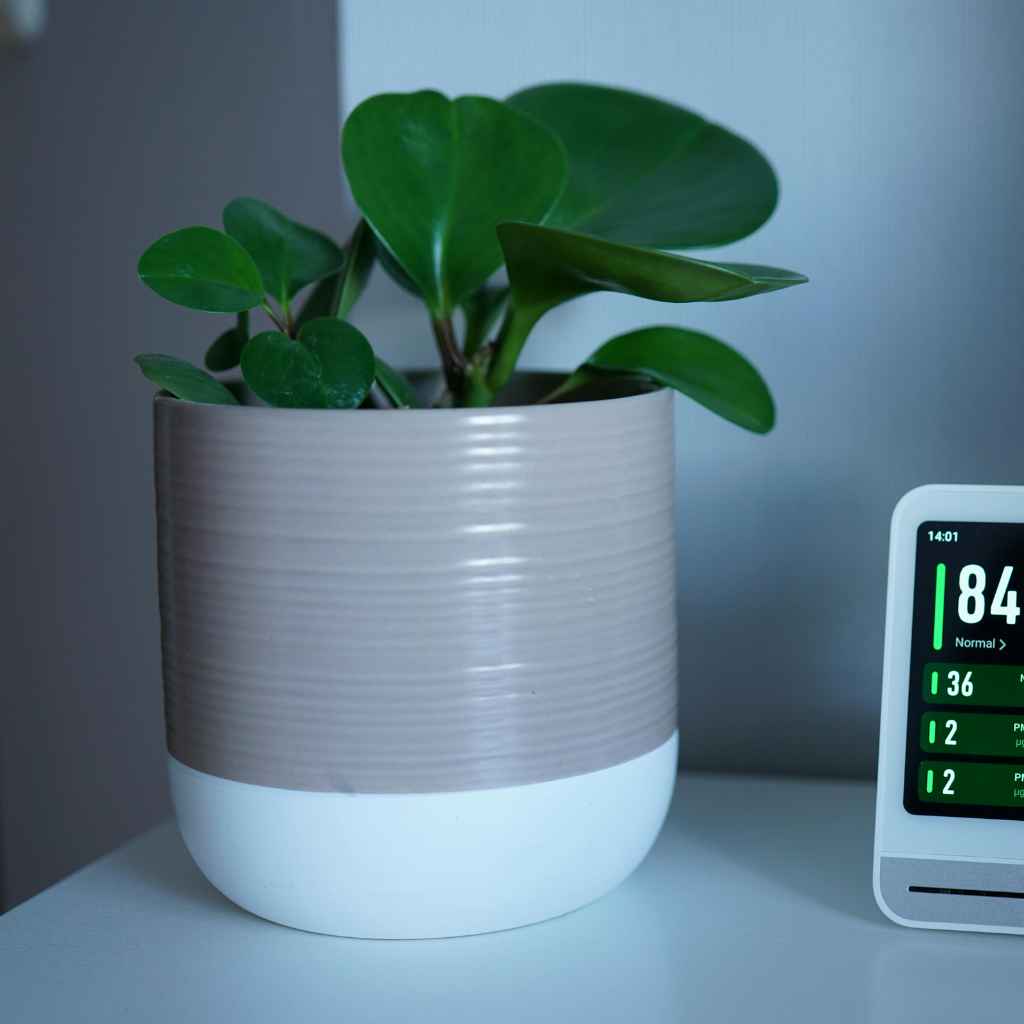
- Quick results you can measure with an air quality monitor
- Great for allergies, pets, or city pollution
- HEPA filters trap tiny particles plants can’t touch
- Many models add quiet fan noise for white noise
- Cons:
- Needs electricity and filter changes
- Can be pricey for big rooms
- No natural beauty or calming effect
Houseplants – Pros and Cons
- Pros:
- Make your home feel alive and fresh
- Add natural humidity (great in dry seasons)
- Boost mood – studies show plants reduce stress
- Cheap and fun for beginners
- Cons:
- Don’t clean air enough to rely on alone
- Some need specific care (light, water)
- Can attract bugs or mold if overwatered
- Overhyped claims lead to disappointment
When to Choose an Air Purifier
Go for a purifier if:
- You have allergies or asthma
- Smoke, cooking odors, or pet dander bother you
- You live in a polluted area or sealed home
- You want fast, proven results
Look for ones with HEPA and activated carbon filters. Check the Clean Air Delivery Rate (CADR) for your room size. The EPA guide to indoor air cleaners is a great resource for picking one.
When Plants Make More Sense (or Work Together)
Plants win for enjoyment and small boosts. Reddit users often say combine both: use a purifier for real cleaning and plants for feel-good vibes.
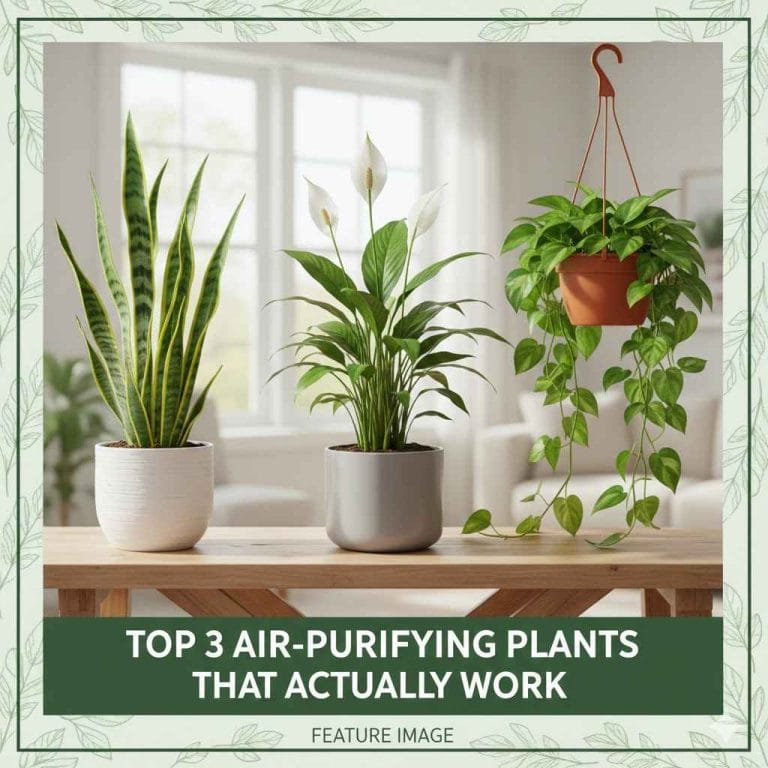
Popular easy plants Redditors recommend (even if not super purifiers):
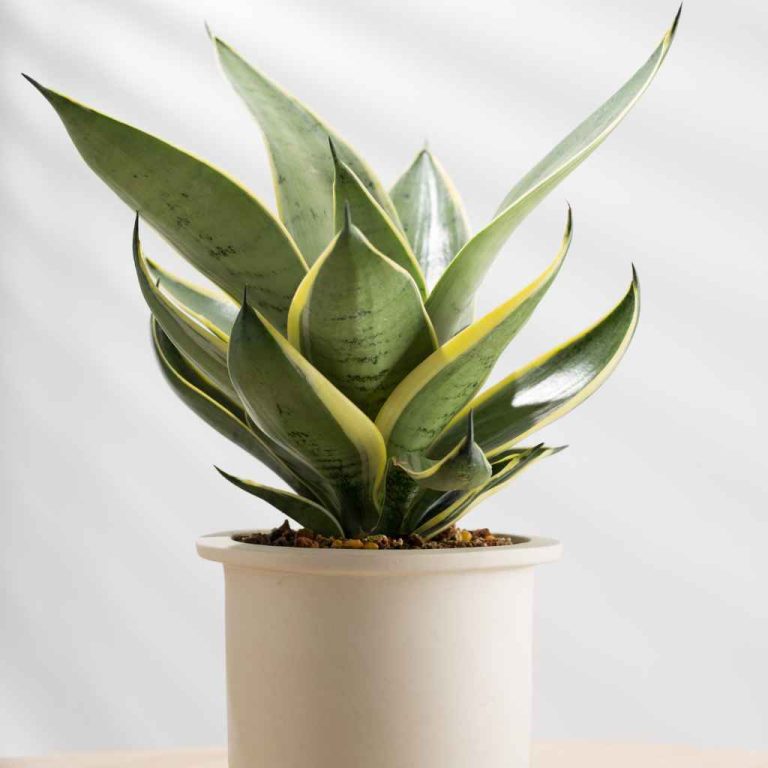
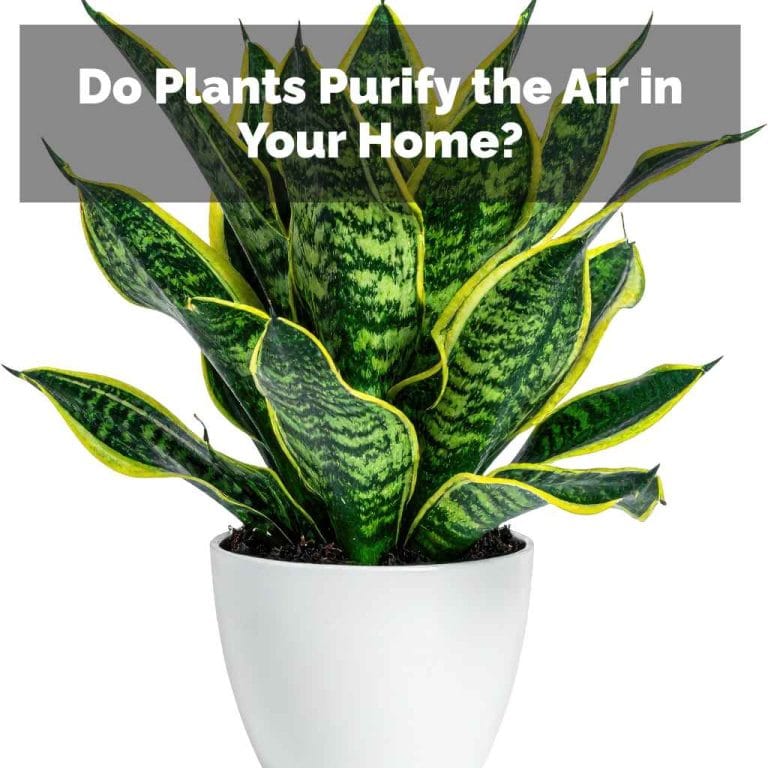
- Snake plant – tough, low light
- Pothos – grows fast, trails nicely
- Peace lily – pretty flowers, likes shade
- Spider plant – super easy for beginners
Water them right, give good light, and enjoy!
Real User Stories from Reddit
In r/AirQuality, one person asked about plants plus purifiers. Replies said purifiers drop AQI fast, plants add little measurable change.
Another thread in r/houseplants admits: “I know they don’t clean air much, but the ‘plantiness’ feels fresher!” Many agree the psychological lift is real.
In r/botany and r/science, experts chime in: NASA study was for space, not living rooms. Real tests show you’d need jungle-level plants for impact.
Best of Both Worlds: Tips to Improve Indoor Air
Don’t pick one or the other—mix them smartly:
- Run a good air purifier daily
- Add 5–10 easy houseplants for joy
- Ventilate by opening windows when possible
- Use exhaust fans in kitchen and bath
- Keep humidity 40–60% to avoid mold
- Clean dust regularly
This combo gives clean air plus a happy, green home.
FAQ: Air Purifiers vs Plants – Your Top Questions Answered
Do houseplants really purify indoor air?
Answer: They remove tiny amounts of some chemicals, but not enough to make a big difference in your home. Reddit agrees it’s mostly a myth for practical use.
Is the NASA study on air-purifying plants still valid?
Answer: The 1989 study was real, but done in sealed test chambers. In normal rooms with air flow, plants don’t clean much. Many Reddit threads explain this limit.
Which is better for allergies: air purifier or plants?
Answer: Air purifiers with HEPA filters are far better. They trap pollen, dust, and pet dander. Plants might even add a bit of mold if overwatered.
Can plants help with VOCs from paint or furniture?
Answer: In theory, yes, but you’d need dozens (or hundreds) for real impact. An air purifier with carbon filter works much faster.
Do air purifiers use a lot of electricity?
Answer: Good ones use little—like a light bulb. Run on low for quiet, all-day cleaning without high bills.
Should beginners start with plants or a purifier?
Answer: Start with easy plants for fun and confidence. Add a purifier if air quality is your main goal. Many Redditors do both!
Are there any plants that actually help air quality noticeably?
Answer: Not really in normal amounts. Some soil bacteria help a little, but purifiers outperform. Focus on plants you love caring for.
Final Thoughts: Grow What Makes You Happy
After digging through Reddit, the answer is clear: for serious air purification, choose a reliable air purifier. Plants simply can’t compete on speed or power for removing dust, allergens, or odors. But don’t give up on greenery! Houseplants bring life, color, and calm to your space. They improve your mood, add gentle humidity, and make caring for something rewarding.
The smartest path? Use both. Let a purifier handle the invisible work while your plants make your home feel welcoming and alive. You’ll breathe easier and smile more. Gardening isn’t about perfect science—it’s about joy and small wins. Start small, learn as you go, and enjoy the journey. Your home will thank you, and so will your lungs!