Best Plants for Purifying Indoor Air
Quick Summary The best plants for purifying indoor air include Snake Plant, Spider Plant, Peace Lily, Aloe Vera, and Pothos. These easy-care houseplants remove toxins like formaldehyde, benzene, and more, while adding beauty to your home. Start with 1-2 per room for noticeable benefits—no fancy equipment needed!
Do you ever feel like the air in your home is stuffy? Many of us spend hours indoors with paints, cleaners, and furniture giving off hidden chemicals. This can make you tired or cause headaches. The good news? Adding a few simple plants can help clean the air naturally. These plants are proven to filter out bad stuff and make your space fresher. In this guide, I’ll walk you through the top choices, why they work, and how to care for them as a beginner. You’ll feel more confident growing them and enjoy healthier air.
Why Indoor Plants Help Purify Air
Indoor air can have pollutants from everyday things like carpets, paints, and smoke. A famous NASA Clean Air Study showed that certain plants remove harmful chemicals like benzene, formaldehyde, and trichloroethylene. The plants and their soil microbes do most of the work.
Plants also release oxygen and add humidity, which feels great. For best results, place one plant per 100 square feet. Beginners love these because they need little fuss.

Top 10 Best Plants for Purifying Indoor Air
Here are my favorite beginner-friendly picks, based on NASA research and real-world ease.
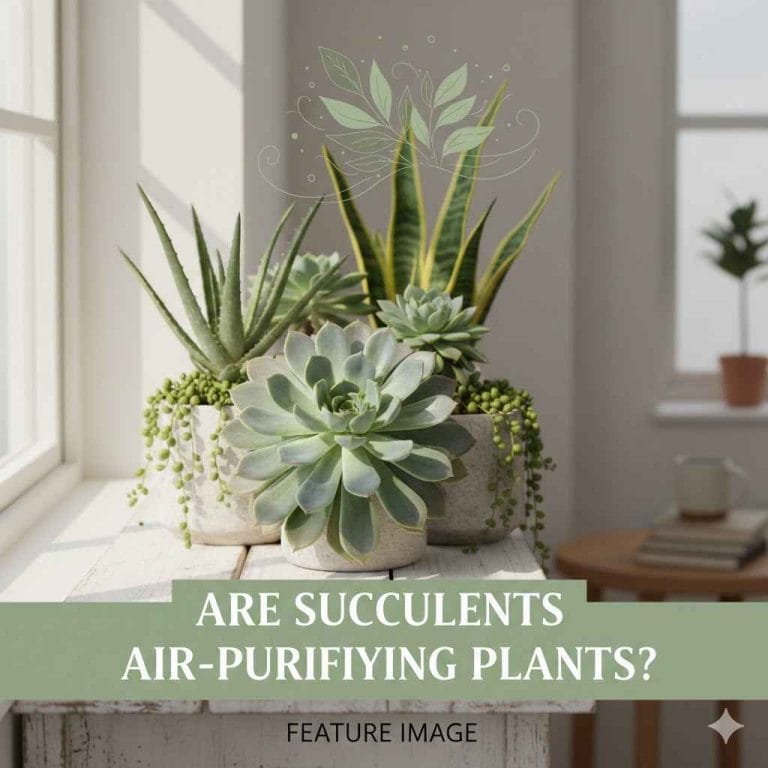
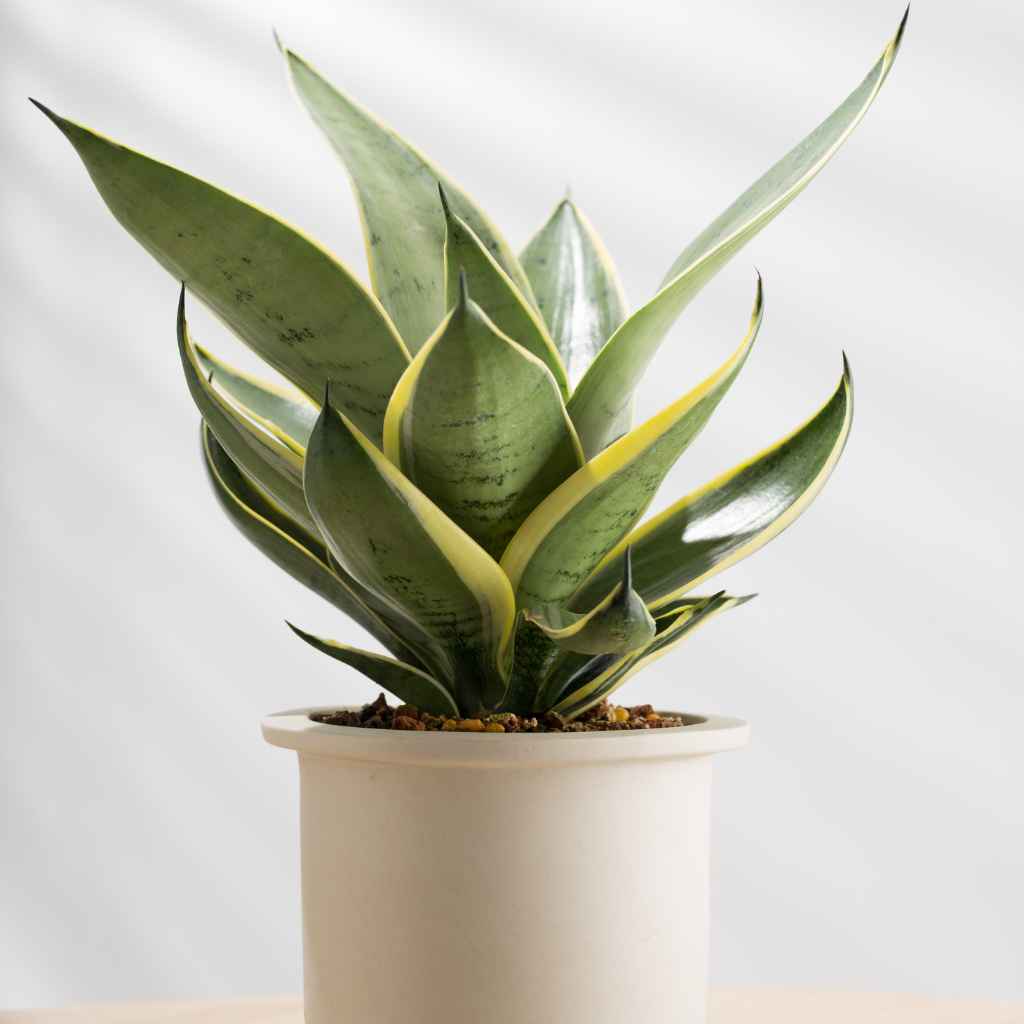
- Snake Plant (Sansevieria trifasciata) Also called Mother-in-Law’s Tongue. It removes formaldehyde, benzene, and more. It gives oxygen at night—perfect for bedrooms.
- Spider Plant (Chlorophytum comosum) Super easy and fast-growing. It clears formaldehyde and carbon monoxide. Safe for pets and great in hanging pots.
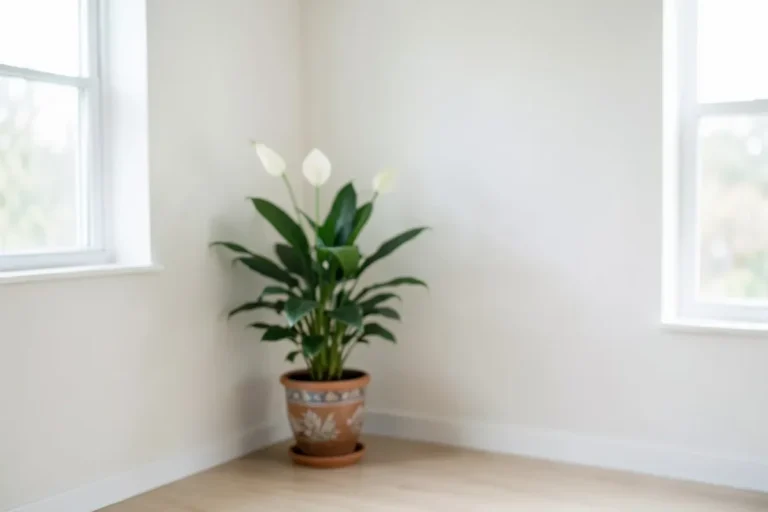
- Peace Lily (Spathiphyllum) Beautiful white flowers. It filters benzene, formaldehyde, and ammonia. It likes shade and tells you when to water by drooping.
- Aloe Vera (Aloe barbadensis) A succulent that removes formaldehyde. Its gel is handy for burns. Needs bright light but little water.
- Pothos (Epipremnum aureum) Also called Devil’s Ivy. Tough in low light, removes toxins well. Trails nicely over shelves.
- Bamboo Palm (Chamaedorea seifrizii) Adds tropical feel. Filters benzene and trichloroethylene. Likes indirect light.
- English Ivy (Hedera helix) Great for mold and benzene. Climbs or hangs. (Note: Toxic to pets.)
- Chinese Evergreen (Aglaonema) Colorful leaves, low light tolerant. Removes many pollutants.
- Rubber Plant (Ficus elastica) Large leaves grab toxins. Easy once established.
- Boston Fern (Nephrolepis exaltata) Excellent humidifier and air cleaner. Loves moist air.
These plants top many lists for their strong filtering and simple care.
How These Plants Remove Indoor Pollutants
Plants absorb pollutants through leaves and roots. Soil microbes break them down. NASA found roots and soil do the heavy lifting.
Here’s a table of common pollutants and which plants help most:
| Pollutant | Sources | Best Plants | Removal Notes |
|---|---|---|---|
| Formaldehyde | Paints, furniture, cleaners | Spider Plant, Snake Plant, Peace Lily, Aloe Vera | One of the most common indoor toxins |
| Benzene | Smoke, plastics, detergents | Peace Lily, English Ivy, Bamboo Palm | Found in many household items |
| Trichloroethylene | Paints, varnishes, adhesives | Snake Plant, Peace Lily, Bamboo Palm | Can irritate eyes and skin |
| Carbon Monoxide | Stoves, heaters | Spider Plant | Odorless and dangerous |
| Ammonia | Cleaners, pet waste | Peace Lily | Strong smell |
Add more plants for bigger spaces. Combine types for broad coverage.
Step-by-Step Guide: How to Choose and Care for Air-Purifying Plants
Follow these easy steps to start.
- Assess Your Space Note light levels (low, medium, bright) and room size.
- Pick Beginner-Friendly Plants Start with Snake Plant or Pothos if light is low.
- Buy Healthy Plants Look for firm leaves, no pests. Choose pots with drainage holes.
- Pot Them Right Use well-draining potting mix. Add pebbles at bottom for extra drainage.
- Water Wisely Check soil—water when top inch is dry. Overwatering kills more plants than anything.
- Give Proper Light Most like indirect sun. Avoid direct hot rays.
- Fertilize Lightly Use half-strength houseplant fertilizer in spring/summer.
- Clean Leaves Wipe dust off leaves monthly for better air cleaning.
- Watch for Pests Check undersides of leaves. Rinse with water if needed.
- Repot Every 1-2 Years Fresh soil helps them thrive.
Care Requirements Table for Top Plants
Here’s a quick comparison:
| Plant | Light Needs | Watering | Pet Safe? | Best For |
|---|---|---|---|---|
| Snake Plant | Low to bright indirect | Every 2-4 weeks | No | Beginners, bedrooms |
| Spider Plant | Bright indirect to medium | Weekly, keep moist | Yes | Hanging, families |
| Peace Lily | Low to medium | When droopy | No | Flowers, shade |
| Aloe Vera | Bright indirect | Every 3 weeks | Yes (gel helpful) | Sunny spots |
| Pothos | Low light | Every 1-2 weeks | No | Trailing, easy |
| Bamboo Palm | Medium indirect | Keep soil moist | Yes | Tropical look |
Common Mistakes to Avoid
- Overwatering—leads to root rot.
- Too little light—plants stretch and weaken.
- Ignoring dust—blocks air cleaning.
- Forgetting to turn pots—growth leans one way.
With these tips, your plants will stay happy.
Benefits Beyond Air Purification
These plants boost mood, reduce stress, and make rooms prettier. They teach patience and bring joy as they grow.
FAQ
What is the best plant for purifying indoor air? The Snake Plant is one of the best. It works in low light, needs little water, and cleans air even at night.
How many plants do I need to purify air in a room? NASA suggests 1-2 medium plants per 100 square feet. Start small and add more over time.
Are air-purifying plants safe for pets? Some like Spider Plant and Bamboo Palm are safe. Others like Peace Lily and Pothos are not—check if you have pets.
Do these plants really work to clean air? Yes, per the NASA study. They remove toxins, though they’re best with good ventilation.
Which plant is easiest for complete beginners? Pothos or Snake Plant. They forgive mistakes and grow fast.
Can these plants help with allergies? They reduce some pollutants and add humidity, which may ease dry air symptoms. They’re not a cure.
How do I know if my plant is purifying air well? Healthy plants with clean leaves work best. Dust them and keep them thriving.
Conclusion
Bringing home air-purifying plants is a simple, fun way to improve your indoor space. Start with one or two like the Snake Plant or Spider Plant—they’re forgiving and effective. Watch them grow, care for them gently, and enjoy fresher air and a greener home. You’ve got this! Gardening builds confidence one leaf at a time. Soon, your home will feel calmer, healthier, and more alive. Happy planting!