How to Care for Air-Purifying Plants Easily
Caring for air-purifying plants is easy and rewarding for beginners. Choose hardy options like snake plant, spider plant, peace lily, pothos, and aloe vera. Give them indirect light, water when soil is dry, wipe leaves regularly, and place them in your home for cleaner air and happier vibes. With simple steps, your plants will thrive and help freshen your indoor space.
Many people bring home beautiful houseplants hoping to improve air quality, only to watch them struggle or wilt. Indoor air can have hidden toxins from furniture, cleaners, and paints, and plants offer a natural way to help. The good news? You don’t need expert skills. These air-purifying plants are forgiving and perfect for beginners. In this guide, I’ll walk you through choosing the best ones and caring for them step by step. You’ll soon enjoy healthy plants that make your home feel fresher and more alive.
Why Air-Purifying Plants Matter for Your Home
Indoor air often contains pollutants like formaldehyde, benzene, and trichloroethylene from everyday items. The famous NASA Clean Air Study showed that certain houseplants can absorb these toxins through their leaves and roots. While you need many plants for major impact, even a few help. Plus, they boost humidity, reduce stress, and add beauty to any room.
Best part? These plants are low-maintenance. They fit busy lives and forgive small mistakes. Start with a few, and you’ll see greener leaves and feel better air soon.

Top Beginner-Friendly Air-Purifying Plants
Here are five easy-to-care-for plants backed by the NASA study and popular for homes.
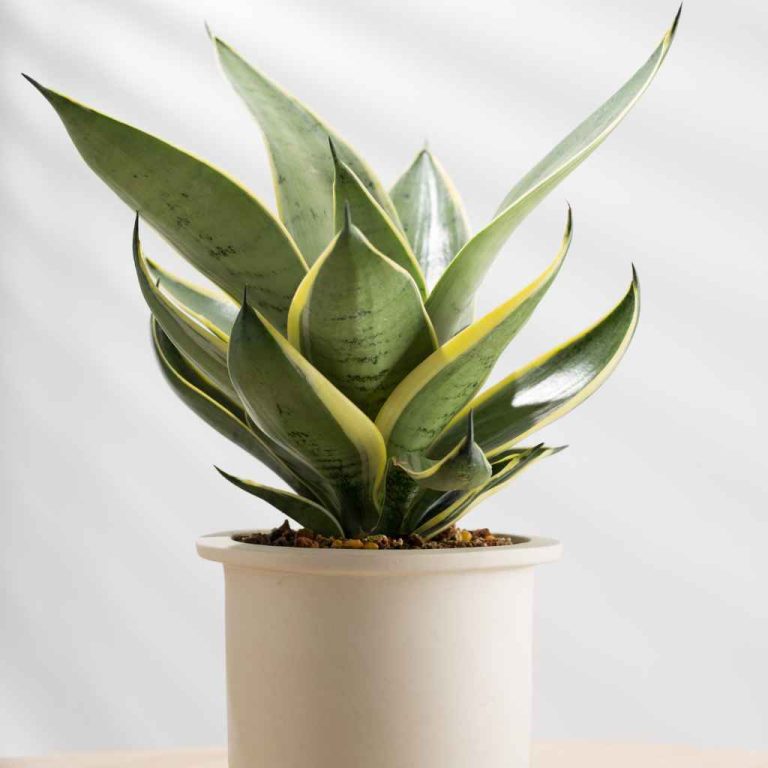
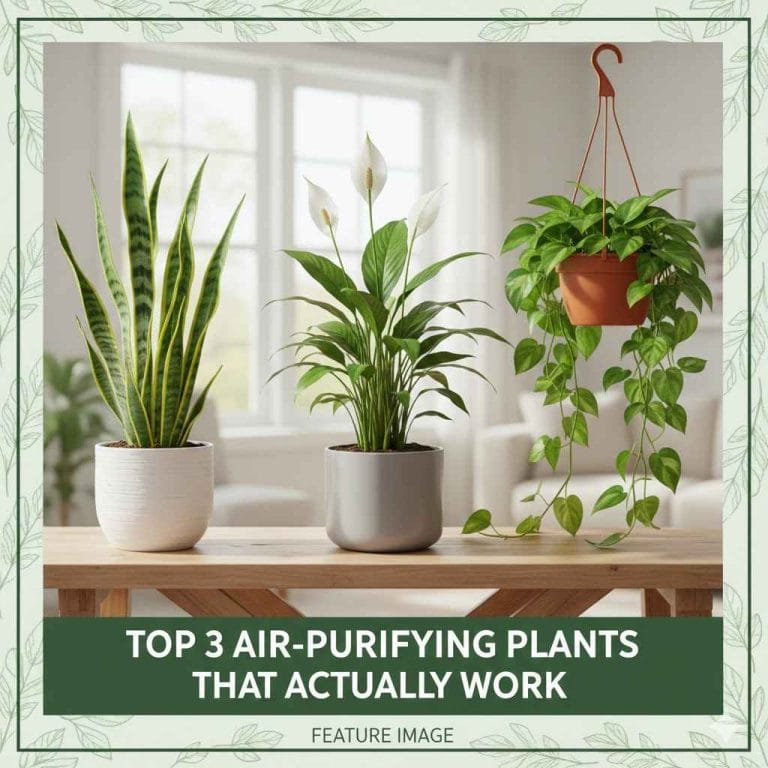
- Snake Plant (Sansevieria trifasciata) – Also called Mother-in-Law’s Tongue. Tough, upright leaves. Removes benzene, formaldehyde, and more. Releases oxygen at night – great for bedrooms.
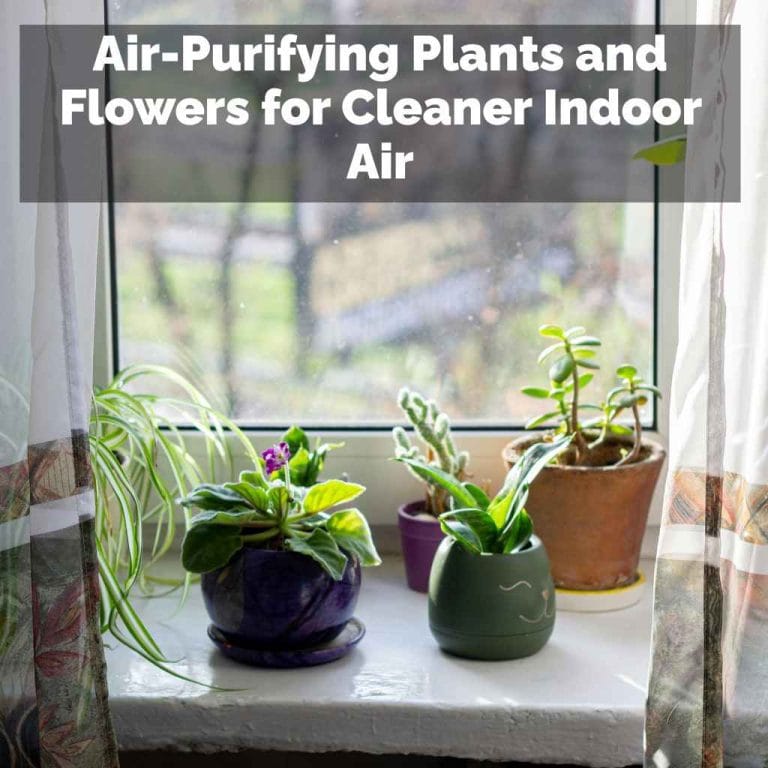
- Spider Plant (Chlorophytum comosum) – Arching green-and-white leaves with baby “spiderettes.” Filters formaldehyde and carbon monoxide. Super easy and pet-safe.
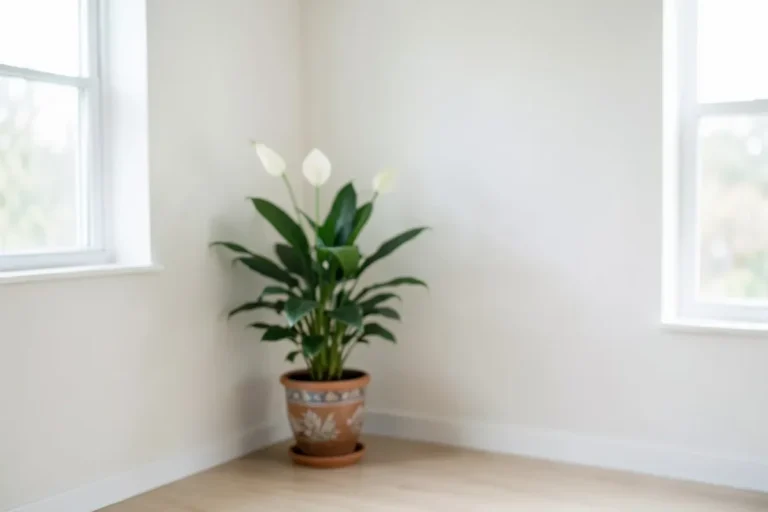
- Peace Lily (Spathiphyllum) – Elegant white blooms. Excels at removing ammonia and benzene. Loves shade but tells you when thirsty by drooping.
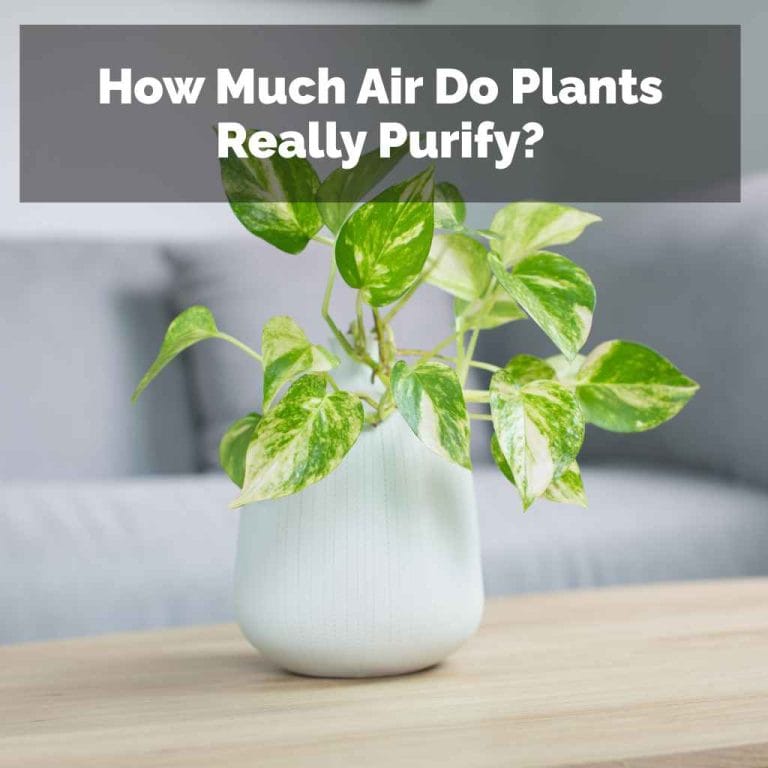
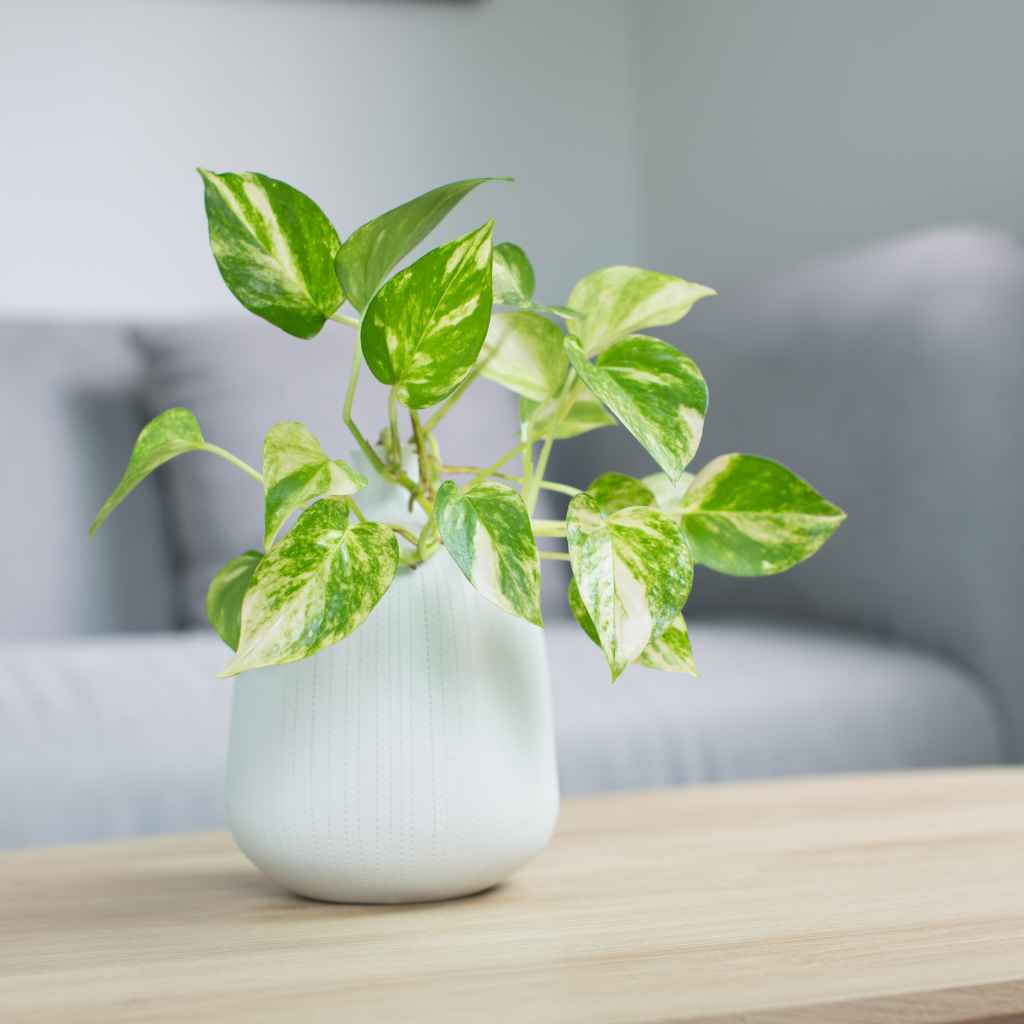
- Pothos (Epipremnum aureum) – Trailing vines with heart-shaped leaves. Tolerates low light. Removes many toxins. Perfect for shelves or hanging.
- Aloe Vera – Succulent with healing gel. Filters chemicals and adds a desert vibe. Needs little water.
These plants suit most homes and need basic care.
Essential Tools and Supplies for Success
Gather these basics before starting:
- Well-draining pots with holes
- Potting mix for houseplants (or cactus mix for succulents)
- Watering can or bottle
- Soft cloth for dusting leaves
- Balanced liquid fertilizer (diluted)
- Small scissors for trimming
Start small – no fancy gear needed.
Step-by-Step Guide to Caring for Air-Purifying Plants
Follow these simple steps for healthy plants year-round.
1. Choose the Right Spot (Light Needs)
Most air-purifying plants prefer bright, indirect light. Avoid direct sun that burns leaves.
| Plant | Best Light | Low Light Tolerance |
|---|---|---|
| Snake Plant | Bright indirect to low | High |
| Spider Plant | Bright indirect | Medium |
| Peace Lily | Low to medium indirect | High |
| Pothos | Low to bright indirect | Very High |
| Aloe Vera | Bright indirect | Low |
Place near windows with sheer curtains or a few feet away.
2. Water Wisely
Overwatering kills more plants than anything. Check soil first.
- Stick your finger 1-2 inches into soil.
- Water if dry; skip if moist.
- Use room-temperature water.
- Let excess drain – empty saucer.
- Water every 1-3 weeks, depending on plant and season.
Snake plant and aloe need less; peace lily more.
3. Provide Proper Humidity and Temperature
Most like 60-80°F (15-27°C). Avoid cold drafts or heaters.
For extra humidity (helps ferns or peace lilies):
- Mist leaves weekly.
- Place on pebble tray with water.
- Group plants together.
4. Feed and Prune Occasionally
Fertilize in spring/summer with diluted houseplant food every 4-6 weeks. Skip winter.
Prune yellow leaves with clean scissors. Dust leaves monthly to help photosynthesis.
5. Repot When Needed
Every 1-2 years or when roots crowd pot. Choose one size larger. Refresh soil for nutrients.
Common Problems and Quick Fixes
Brown tips? Too much fluoride or low humidity – use filtered water and mist.
Yellow leaves? Overwatering – let dry out more.
Pests like spider mites? Wipe with soapy water.
Drooping? Thirsty – water soon.
With patience, plants bounce back fast.
Where to Place Your Air-Purifying Plants for Maximum Benefit
Bedrooms: Snake plant for night oxygen.
Living room: Pothos trailing from shelves.
Kitchen: Aloe vera on counter.
Bathroom: Peace lily for humidity.
Aim for 1-2 plants per 100 square feet.
FAQ
Do air-purifying plants really clean indoor air?
Yes, according to the NASA study. They absorb toxins like formaldehyde and benzene. While not as strong as air purifiers, they help and add beauty.
Which air-purifying plant is easiest for total beginners?
Snake plant or pothos. They forgive forgotten waterings and thrive in low light.
How often should I water my air-purifying plants?
Check soil weekly. Water when top 1-2 inches dry. Most need every 1-2 weeks.
Are these plants safe for pets?
Spider plant and pothos are pet-safe. Peace lily and aloe can be toxic if chewed – keep out of reach.
Can air-purifying plants survive in low-light rooms?
Yes! Snake plant, pothos, and peace lily do well in low light.
What if my plant has brown tips?
Often from tap water chemicals or dry air. Use filtered water and increase humidity.
How many plants do I need to notice cleaner air?
Start with 5-10 for a small home. More is better, but even a few make a difference.
Final Thoughts
Caring for air-purifying plants is simple and brings joy to your daily life. Pick a few forgiving ones like snake plant or pothos, give them basic light and water, and watch them grow strong. You’ll enjoy fresher air, prettier rooms, and the pride of nurturing living things. Gardening builds confidence – you’ve got this! Start today, and soon your home will feel like a green oasis. Happy planting!