How Much Air Do Plants Really Purify?
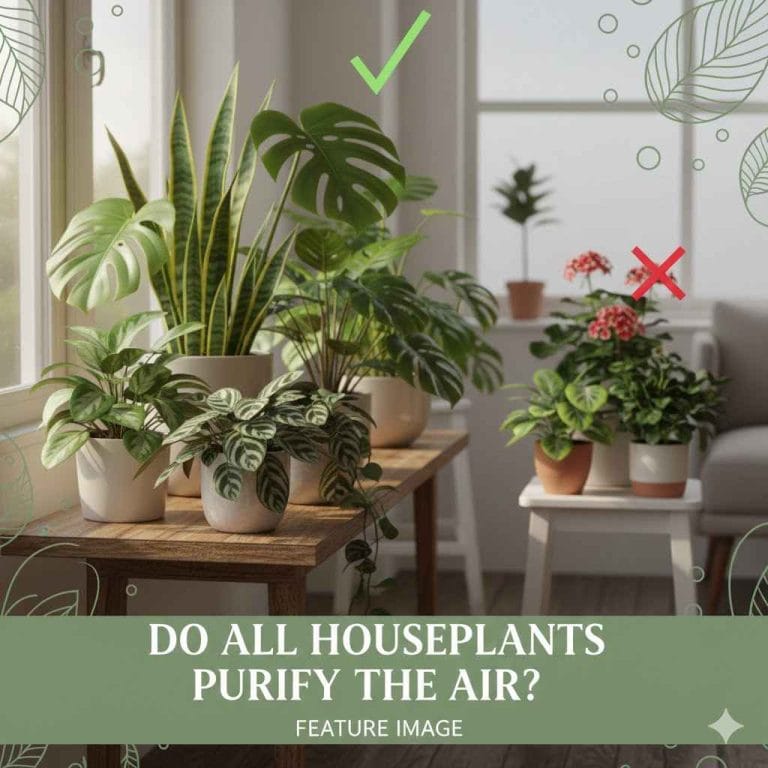
Houseplants do remove some indoor air pollutants like VOCs, but in realistic home settings, a few plants purify very little air—often needing hundreds per room for noticeable impact. Ventilation and air purifiers work much better, yet plants still offer great benefits for mood, humidity, and enjoyment.
Have you ever wondered if your houseplants are truly cleaning the air in your home? Many people buy “air-purifying” plants hoping for fresher, healthier indoor spaces. The idea became popular after a famous 1989 NASA study showed certain plants could remove toxins in sealed chambers. But in everyday homes, the effect is much smaller than most think. Don’t worry—I’m here to explain the real facts in simple terms. This guide will show what science says about how much air plants purify, why the claims got exaggerated, and how to enjoy plants anyway. You’ll get clear steps, tips, and honest advice to make your home greener and happier.
What Does “Purifying Air” Really Mean for Houseplants?
Plants help air in a few ways. Through photosynthesis, they take in carbon dioxide and release oxygen. They also absorb some harmful volatile organic compounds (VOCs) like formaldehyde, benzene, and trichloroethylene through leaves and roots. Microbes in the soil play a big role too.
The NASA Clean Air Study tested plants in small, sealed boxes with high toxin levels. Some plants removed up to 90% of certain chemicals in 24 hours. But real homes have open windows, doors, fans, and air exchange that dilute pollutants fast.
A key review by researchers at Drexel University looked at many studies. They found plants remove VOCs too slowly to compete with normal ventilation. For meaningful cleaning, you’d need 10 to 1,000 plants per square meter of floor space. In a typical 1,500 square foot home, that could mean hundreds or even thousands of plants—not practical for most of us.
Check the original NASA report for details: NASA Clean Air Study (PDF).

How Much Air Do Plants Actually Purify in Real Life?
Let’s look at numbers simply. Scientists use “clean air delivery rate” (CADR) to measure how much clean air a device or plant provides per hour.
In lab tests, one plant might clean a tiny amount—like 0.1 to a few liters of air per hour for specific pollutants. But a normal room has air exchange of 0.5 to 1 full change per hour. A HEPA air purifier can clean hundreds or thousands of cubic feet per minute.
Studies show:
- Natural ventilation removes pollutants faster than plants.
- To match typical home air exchange, you’d need 100–1,000 plants per 10 square meters.
- For NO2 (a pollutant), five plants in a small, poorly ventilated room might remove up to 20% in an hour under high pollution—but this is rare in homes.
In short, a few houseplants make only a tiny difference in air quality. But don’t give up on them! They boost humidity, reduce stress, and make spaces feel alive.
Benefits of Houseplants Beyond Air Purification
Even if air cleaning is small, plants bring real value:
- Increase indoor humidity for better breathing.
- Reduce stress and improve mood—studies show plants lower anxiety.
- Add beauty and connect you to nature.
- Help with minor dust and allergens when leaves are wiped.
- Produce oxygen (though not enough to notice in a room).
Enjoy plants for joy and wellness, not just as air filters.
Best Houseplants for Any Small Air-Purifying Boost
Some plants stand out in studies for removing VOCs. Here are top picks for beginners:
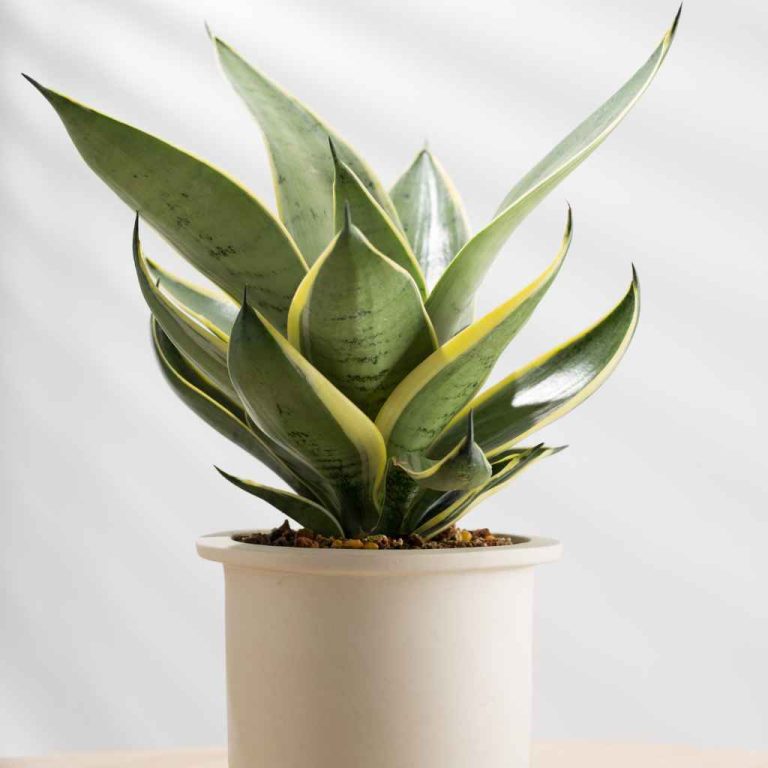
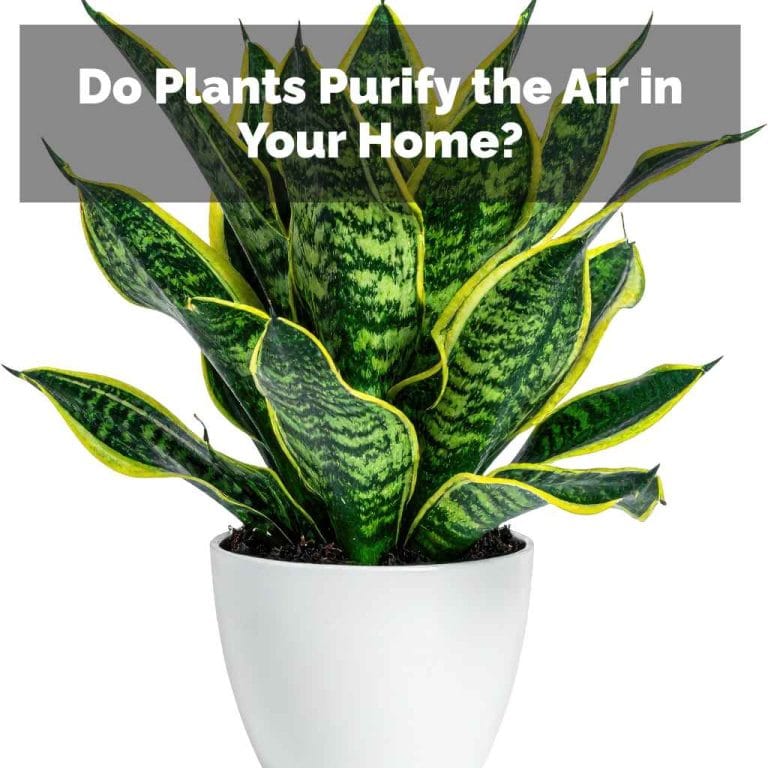
- Snake Plant (Sansevieria): Tough, low-light, removes benzene and formaldehyde. Releases oxygen at night.
- Spider Plant (Chlorophytum comosum): Easy, fast-growing, good for formaldehyde and xylene.
- Peace Lily (Spathiphyllum): Beautiful flowers, removes many VOCs—but keep away from pets as it’s toxic if eaten.
- Boston Fern (Nephrolepis exaltata): Great for humidity and some formaldehyde removal.
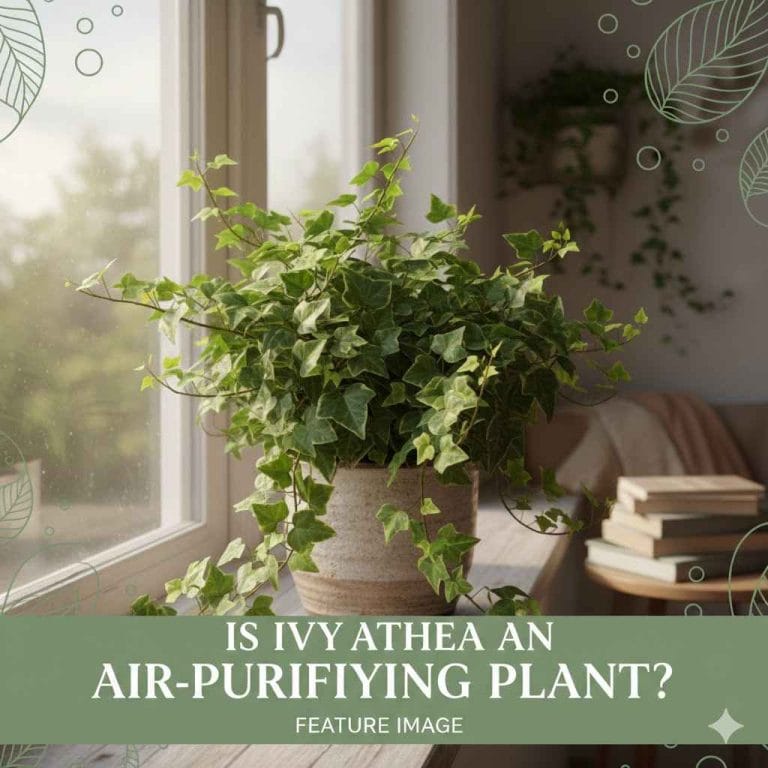
- English Ivy (Hedera helix): Climbs well, removes benzene—good for allergies but toxic to pets.
These come from the NASA list and later reviews.
Here’s a simple table comparing a few:
| Plant Name | Main Pollutants Removed | Light Needs | Care Level | Pet Safe? |
|---|---|---|---|---|
| Snake Plant | Benzene, Formaldehyde, Trichloroethylene | Low to bright indirect | Easy | Yes |
| Spider Plant | Formaldehyde, Xylene | Bright indirect | Easy | Yes |
| Peace Lily | Benzene, Formaldehyde, Ammonia | Low to medium | Medium | No (toxic) |
| Boston Fern | Formaldehyde | Medium indirect | Medium (needs humidity) | Yes |
| English Ivy | Benzene, Formaldehyde | Medium to bright | Easy | No (toxic) |
Pick ones that fit your space and lifestyle.
How to Use Houseplants for the Best Effect
Want to get any small air benefit? Follow these steps:
- Choose healthy plants — Start with strong ones from a good source.
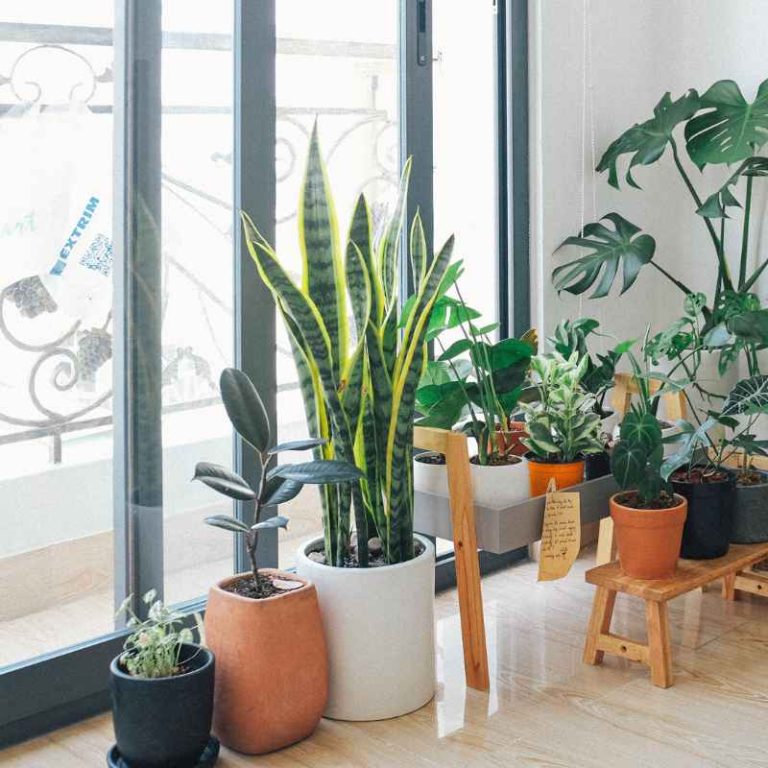
- Place them wisely — Group in living areas, bedrooms, or near pollution sources like new furniture.
- Use many — Aim for 1–2 per 100 square feet for slight help (though still minor).
- Care for roots and soil — Microbes in soil do much of the work—avoid overwatering.
- Combine with good habits — Open windows, use exhaust fans, avoid smoking indoors.
- Clean leaves — Wipe dust off leaves to help plants “breathe.
- Consider active systems — Some use fans to blow air through soil for better effect (biofilters).
These steps make plants thrive and give you small wins.
Realistic Expectations: Plants vs. Other Air Solutions
Plants are wonderful, but for real air purification, try these:
- Open windows daily for fresh air.
- Use HEPA air purifiers for particles and some gases.
- Reduce sources: Choose low-VOC paints, no smoking, proper ventilation.
Plants complement these—not replace them.

FAQ
Do houseplants really clean indoor air?
They remove small amounts of some pollutants in lab tests, but in normal homes, the effect is very small due to ventilation. You need many plants for any real change.
How many houseplants do I need to purify a room?
Studies suggest 100–1,000 per square meter for meaningful VOC removal—hundreds in a typical room. Start with a few for other benefits.
Which plant is best for air purification?
Snake plant, spider plant, and peace lily often rank high in studies for removing VOCs like formaldehyde and benzene.
Do plants increase oxygen in my home?
They release oxygen, but the amount is tiny compared to what people use. Ventilation matters more.
Are air-purifying plants safe for pets?
Some like peace lily and English ivy are toxic if chewed. Choose safe ones like spider plant or snake plant.
Can plants help with allergies?
They may reduce some dust by trapping it on leaves, but wipe leaves regularly. They don’t replace allergy treatments.
Should I stop buying houseplants if they don’t clean air much?
No! They boost happiness, humidity, and beauty. Enjoy them for those reasons.
Conclusion
Houseplants don’t purify large amounts of air in typical homes—the science shows we need way more plants than most spaces allow for big effects. The famous NASA study was for sealed space environments, not everyday rooms. But don’t let that stop you from filling your home with green friends.
Plants bring joy, reduce stress, add natural beauty, and connect you to nature. They offer tiny air help while making your space feel calm and alive. Start small—pick easy ones like snake plants or spider plants, care for them with love, and watch your home thrive.
Gardening is about enjoyment and small wins. You can grow healthy plants and feel good doing it. Happy planting—your green companions are waiting!