Do Plants Purify the Air in Your Home?
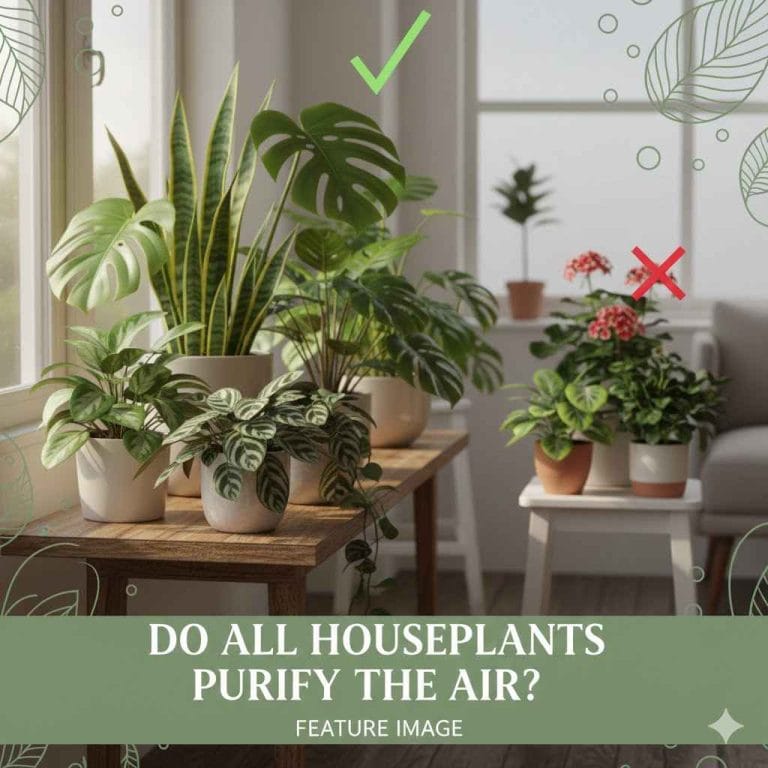
Do houseplants purify the air in your home? Yes, houseplants can help remove some indoor air pollutants like VOCs in lab tests, but in real homes, their effect is very small unless you have hundreds of them. They still boost your mood, add beauty, and support overall well-being — so keep growing them!
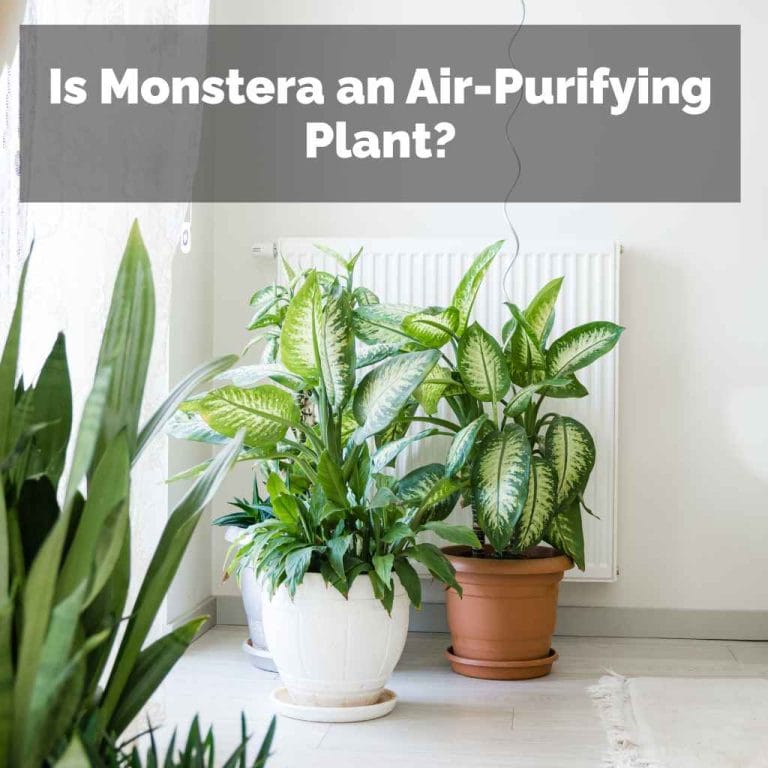
Many people wonder if adding a few green friends indoors can truly clean the air we breathe every day. You’ve probably heard about the famous NASA study that said certain plants remove harmful chemicals. It’s exciting to think your peace lily or snake plant is acting like a natural filter. But the truth is a bit more balanced. In everyday homes and offices, normal air exchange from windows, doors, and vents works much faster than plants do at clearing pollutants. Don’t worry — plants offer wonderful other benefits, like reducing stress, increasing humidity slightly, and making your space feel fresh and alive. In this guide, I’ll walk you through the facts, share what science really says, suggest easy-care plants that still support healthier spaces, and give simple tips to improve your indoor air.
Understanding Indoor Air Quality and Plants
Indoor air can contain tiny amounts of pollutants called volatile organic compounds, or VOCs. These come from paints, cleaners, furniture, carpets, and even candles. Common ones include formaldehyde, benzene, and trichloroethylene. Breathing high levels over time isn’t good for health.
The idea that plants clean air became popular after a 1989 NASA study. NASA tested plants in sealed chambers to see if they could help in space stations. They found some houseplants absorbed VOCs through leaves and roots with help from soil microbes. You can read the original NASA report here: NASA Clean Air Study.
But later reviews showed a key point. In real rooms with ventilation, plants remove pollutants too slowly to make a big difference. A major 2019 review by researchers at Drexel University looked at many studies and calculated that you’d need 10 to 1,000 plants per square meter of floor space to match normal air exchange rates. For most homes, that’s like filling your living room with hundreds of pots! Check their findings in this study: Potted plants do not improve indoor air quality.
The American Lung Association agrees. They explain that while plants remove some gases in closed tests, everyday homes get fresh air naturally, so plants don’t clean the air noticeably. See their clear summary here: Houseplants Don’t Clean the Air.

What Benefits Do Houseplants Really Provide?
Even if air purification isn’t strong, plants are still great for your home. Here’s why beginners love them:
- They boost your mood and reduce stress — Caring for plants feels rewarding and calming.
- They add natural humidity — Plants release water vapor, which helps dry indoor air feel better.
- They look beautiful — Greenery makes any room more inviting and cozy.
- They encourage better habits — Having plants reminds you to open windows and keep spaces clean.
Plants also absorb carbon dioxide and release oxygen during the day through photosynthesis. At night, most give off a tiny amount of CO2, but it’s harmless in normal amounts.
Best Easy-Care Houseplants to Add to Your Home
While no small number of plants will purify air dramatically, these popular, beginner-friendly ones are often praised for their lab-tested abilities and are super easy to grow. Start with a few and enjoy their other perks.
Here are some top picks:
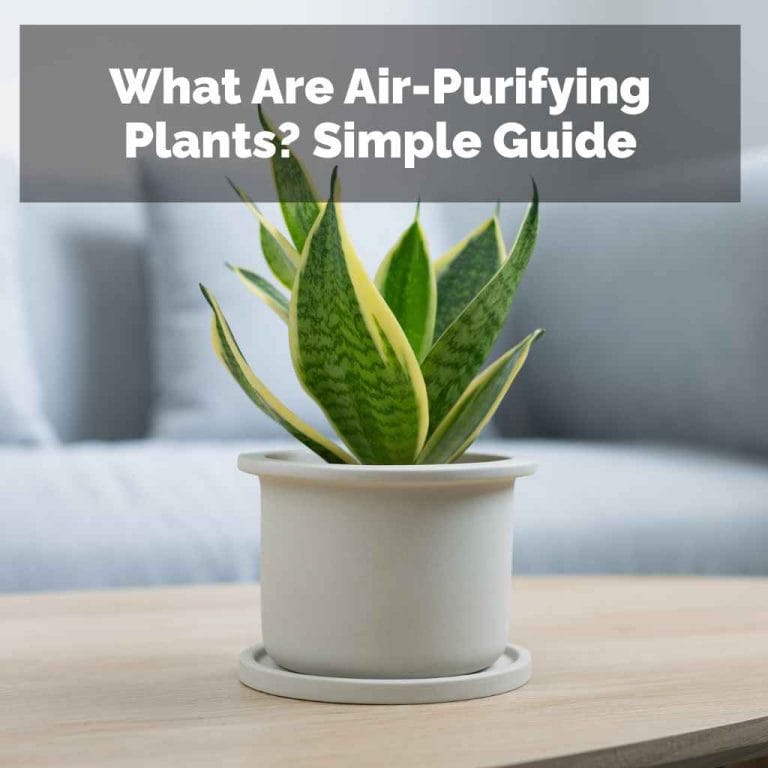
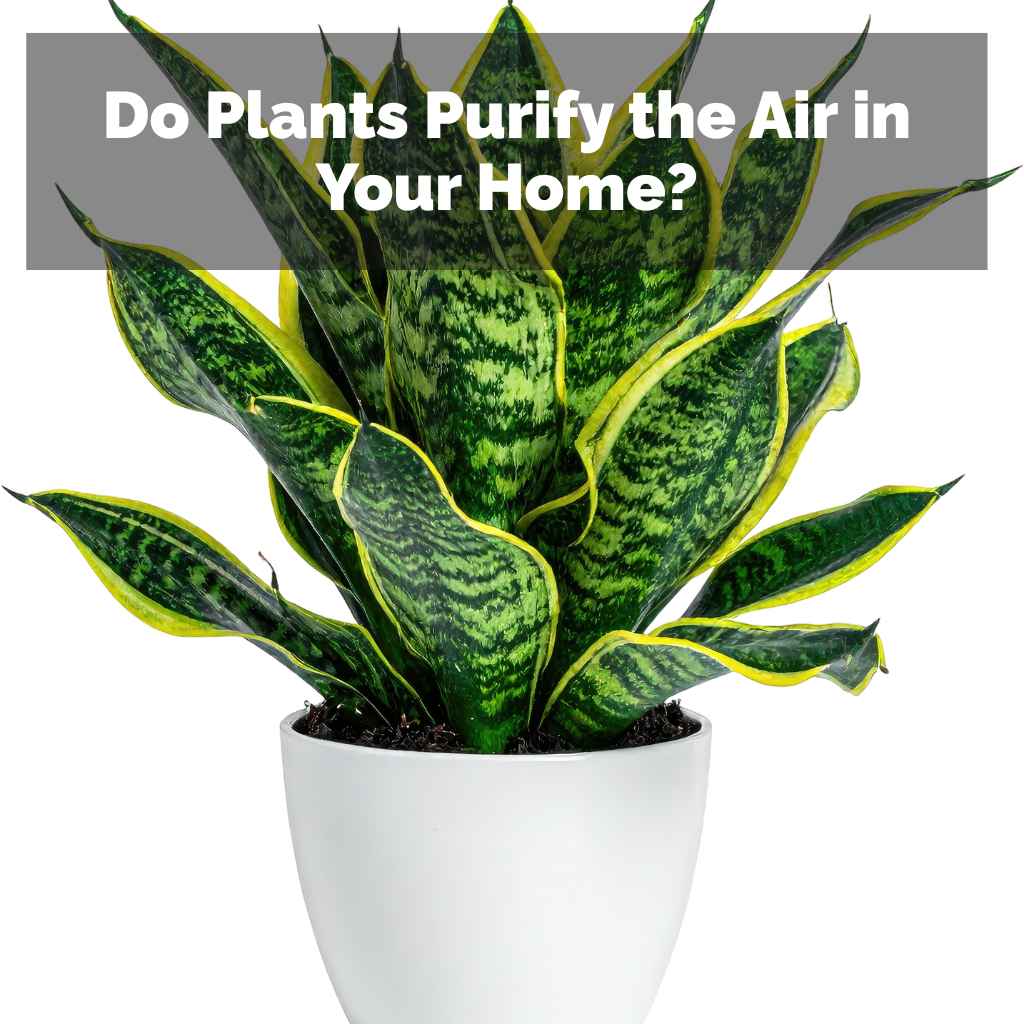
- Snake Plant (Sansevieria trifasciata) — Tough as nails, thrives in low light, and needs watering only every few weeks.
- Spider Plant (Chlorophytum comosum) — Grows fast, sends out cute “babies,” and loves indirect light.
- Peace Lily (Spathiphyllum) — Beautiful white flowers, tells you when it needs water by drooping (but perks up fast!).
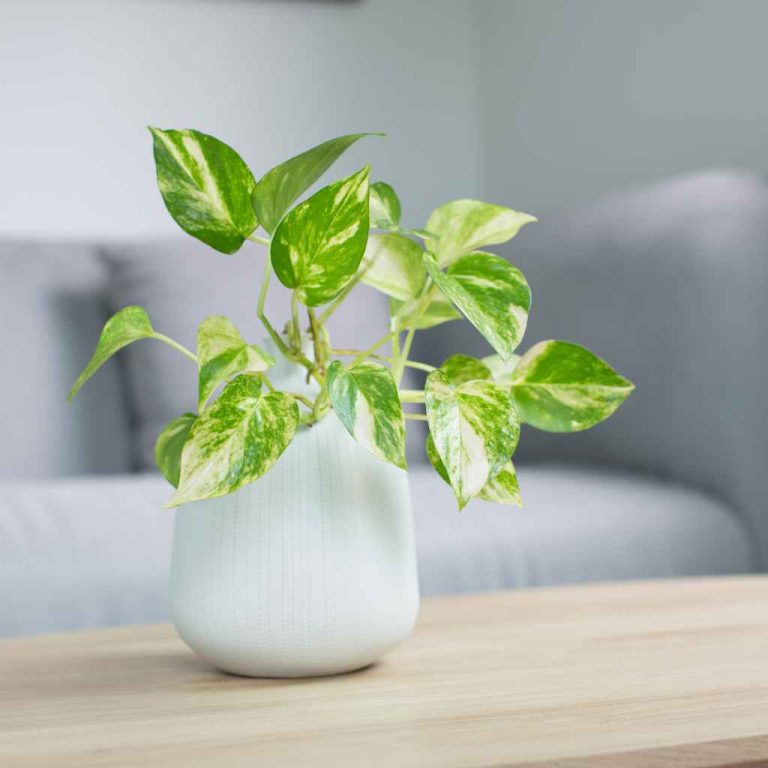
- Pothos (Epipremnum aureum) — Trails nicely, forgives forgotten watering, great for shelves or hanging.
- Boston Fern (Nephrolepis exaltata) — Lush and green, likes humidity, perfect for bathrooms.
| Plant Name | Light Needs | Watering Frequency | Key Benefits Beyond Air | Pet Safe? |
|---|---|---|---|---|
| Snake Plant | Low to bright | Every 2-4 weeks | Releases oxygen at night, very hardy | No |
| Spider Plant | Indirect bright | Weekly | Produces plantlets, purifies in labs | Yes |
| Peace Lily | Low to medium | When soil dry | Elegant blooms, loves shade | No |
| Pothos | Low to medium | Every 1-2 weeks | Trails beautifully, easy propagation | No |
| Boston Fern | Indirect bright | Keep moist | Adds humidity, soft texture | Yes |
These plants come from the NASA list and later suggestions. They thrive indoors with basic care.
How Many Plants Do You Actually Need?
Most experts say aim for at least one medium-sized plant per 100 square feet for general benefits like better mood and slight humidity. For noticeable air effects in a sealed space, you’d need far more — think dozens in a small room.
| Room Size (sq ft) | Realistic Number of Plants | Expected Main Benefit |
|---|---|---|
| 100-200 | 2-5 | Mood boost, slight humidity increase |
| 200-400 | 5-15 | Visual appeal, stress reduction |
| 400+ | 15+ | Enhanced enjoyment, minor air support |
Start small. Add more as you gain confidence.
Practical Tips to Really Improve Your Indoor Air
Plants are fun, but combine them with these simple steps for cleaner air:
- Open windows daily — Fresh air exchange is the best natural purifier.
- Use exhaust fans — In kitchens and bathrooms to remove moisture and odors.
- Avoid smoking indoors — And limit strong chemical cleaners.
- Dust regularly — Dust traps pollutants; wipe leaves too for plant health.
- Add an air purifier — With HEPA filter if you want stronger VOC removal.
- Choose low-VOC products — For paints, furniture, and cleaners.
Water plants properly — overwatering causes mold, which hurts air quality.
Caring for Your Air-Purifying Plants
Keep them healthy so they thrive:
- Place in right light — Most prefer indirect sun.
- Water when top soil feels dry — Stick your finger in to check.
- Use well-draining pots — Prevent root rot.
- Wipe leaves monthly — Removes dust so plants “breathe” better.
- Fertilize lightly in spring/summer — Use half-strength houseplant food.
With these basics, your plants will stay green and happy.

FAQ
Do houseplants really clean indoor air like the NASA study said?
The NASA study showed plants remove some pollutants in sealed chambers, but real homes have air flow that dilutes pollutants faster than plants can act. The effect is small with typical numbers of plants.
How many plants do I need to purify a room?
For any real impact on pollutants, you’d need hundreds — not practical. A few plants per room give mood and humidity benefits instead.
Are air-purifying plants safe for pets?
Some like peace lily and pothos are toxic if chewed. Choose spider plant, Boston fern, or snake plant (but snake plant isn’t pet-safe) if you have animals.
Which plant is easiest for beginners?
Snake plant or pothos — they forgive missed watering and grow in low light.
Do plants increase oxygen at night?
Most release a tiny amount of CO2 at night, but snake plant is special and gives off oxygen then. Still, the amount is too small to notice.
Can plants help with allergies?
They might slightly increase humidity and trap dust on leaves, but clean regularly to avoid mold. They’re not a cure for allergies.
Should I still get houseplants even if they don’t purify air much?
Absolutely! They make homes feel alive, reduce stress, and bring joy — great reasons to grow them.
Wrapping Up: Enjoy the Green Journey
Houseplants may not be powerful air purifiers in everyday homes, but they’re wonderful companions that bring life, color, and calm to your space. The science shows their air-cleaning power is limited without massive numbers, but their real magic lies in how they make you feel happier and more connected to nature.
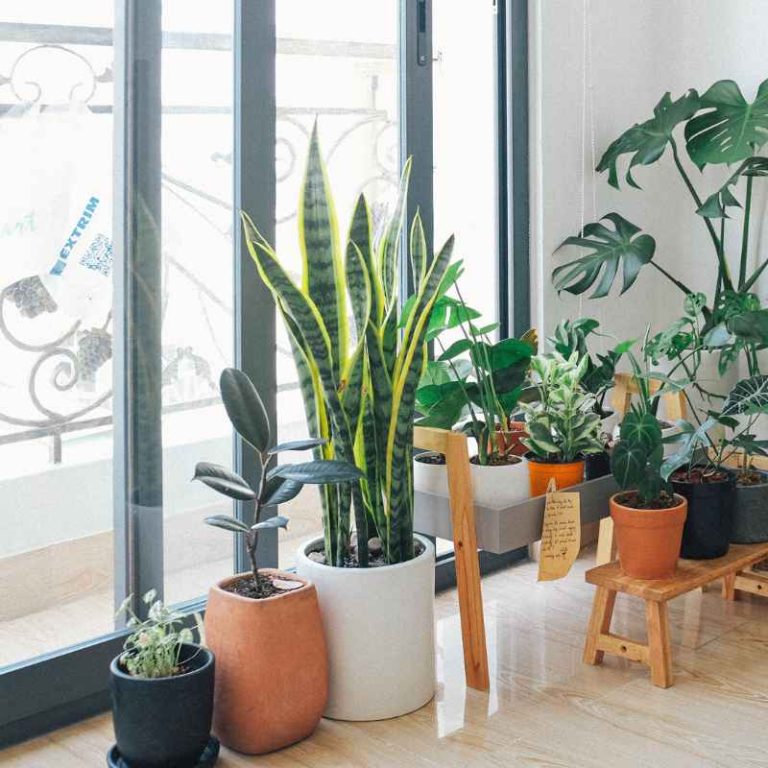
Start with one or two easy plants like a snake plant or pothos. Watch them grow, learn their needs, and enjoy the small wins. Combine them with good habits like ventilating rooms and using safe products. Your indoor air will thank you, and so will your heart.
Happy planting — you’ve got this! Every leaf is a step toward a greener, more joyful home.