What Are Air-Purifying Plants? Simple Guide
Quick Summary Air-purifying plants are common houseplants that help remove indoor toxins like formaldehyde, benzene, and more through their leaves and roots. According to NASA’s Clean Air Study, easy ones like snake plant, spider plant, and peace lily clean the air naturally while adding beauty to your home. Beginners can grow them with simple care—no fancy tools needed!

The Grow Co
Organic Ready to Spray Air Plant Food…
- WONDERFULLY ORGANIC - Contains premium organic ingredients that makes nutrient rich spray perfect to use on all indoor and outdoor…
- PLANTS ENHANCED - Get the most out of your waterings and soaks! Pair our houseplant food with weekly care routines to aid and enha…
- SUSTAINABLE GROWTH & VIGOR - Premium, urea free liquid fertilizer. Well-balanced mix of essential nutrients epiphytes need to flou…
As an Amazon Associate I earn from qualifying purchases.
Do you spend a lot of time indoors? Many homes trap harmful chemicals from paint, furniture, cleaners, and even carpets. These pollutants can make the air stuffy and affect how you feel. The good news? You can fight back with plants! Air-purifying plants act like natural filters. They absorb bad stuff and release fresh oxygen. This simple trick makes your space healthier and prettier. In this guide, I’ll walk you through what these plants are, why they help, the best ones for beginners, and easy steps to care for them. Let’s get your home breathing easier!
What Are Air-Purifying Plants?
Air-purifying plants are regular houseplants with a special talent. They clean indoor air by taking in harmful chemicals and turning them into harmless things. This happens mostly through their leaves and the helpful microbes in the soil. The famous NASA Clean Air Study from 1989 showed that certain plants remove toxins like benzene, formaldehyde, and trichloroethylene—chemicals common in homes.
These plants do more than clean. They boost oxygen levels, add humidity, and make rooms feel calm. Best of all, many are tough and forgiving for new gardeners. You don’t need perfect conditions—just a little love.

How Do Air-Purifying Plants Work?
Plants clean air in a few smart ways. Through photosynthesis, they take in carbon dioxide and give out oxygen. But for toxins, it’s phytoremediation: leaves absorb gases, roots and soil microbes break them down. NASA found the roots and soil do most of the work!
Benefits include fresher air, less dust, better mood, and even lower stress. While you need many plants for big effects (like 10+ per room), even a few help. They also look great and bring nature inside.
Top Beginner-Friendly Air-Purifying Plants
Here are some of the best, easy-to-grow options based on NASA research and real gardener experience. They thrive indoors with low to medium light.
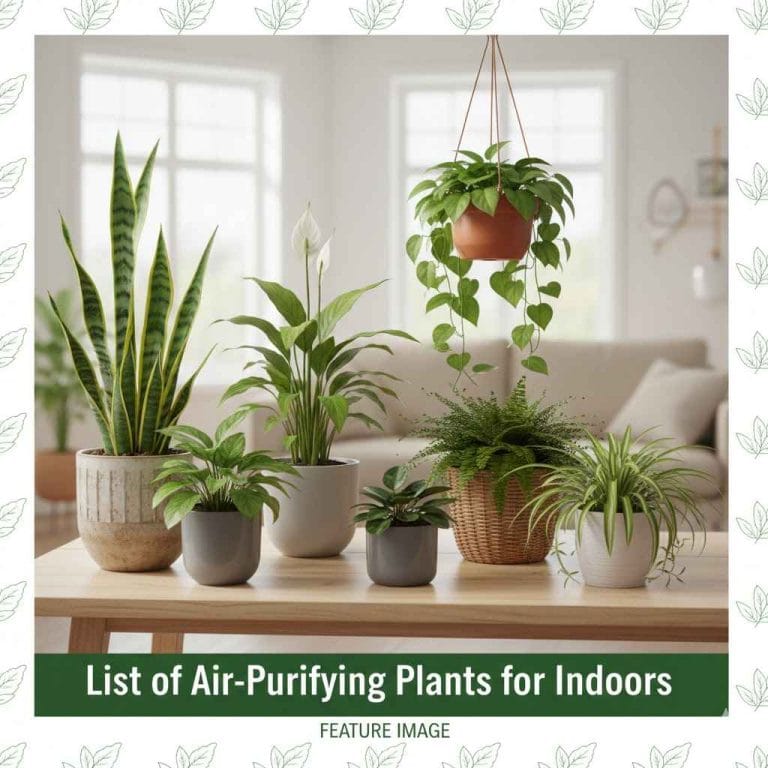
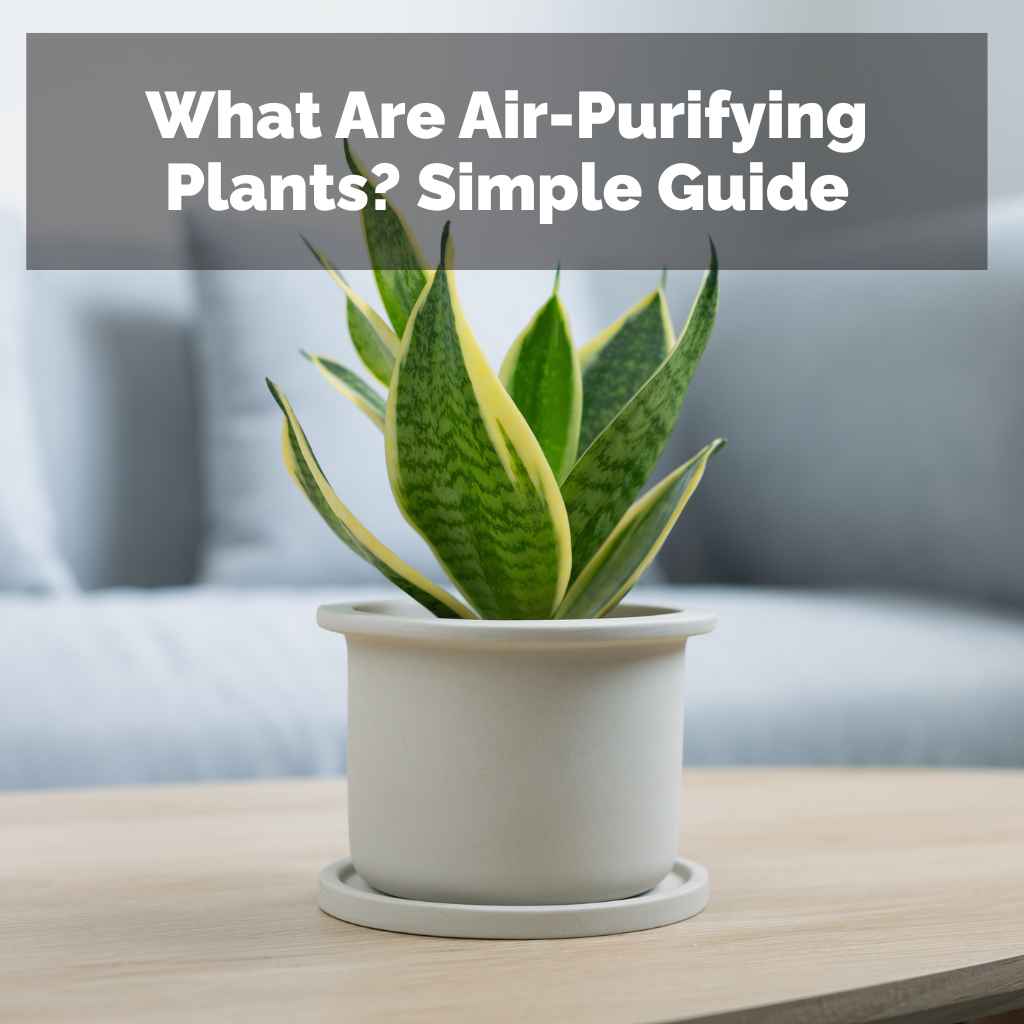
- Snake Plant (Sansevieria trifasciata) – Also called Mother-in-Law’s Tongue. Super tough, removes formaldehyde and benzene, releases oxygen at night.
- Spider Plant (Chlorophytum comosum) – Fast-growing with baby “spiderettes.” Great for removing carbon monoxide and formaldehyde. Safe for pets.
- Peace Lily (Spathiphyllum) – Beautiful white flowers, filters ammonia and benzene. Likes shade and moist soil.
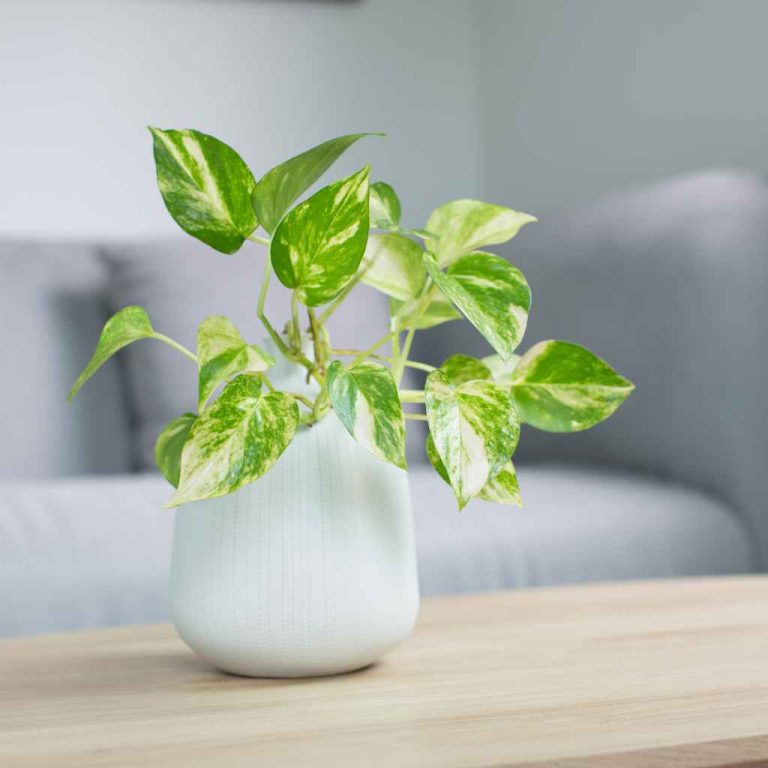
- Pothos (Epipremnum aureum) – Trailing vines, very forgiving. Removes many toxins, grows in low light.
- Aloe Vera – Succulent that heals skin too! Filters formaldehyde and benzene. Needs bright light.
- Bamboo Palm (Chamaedorea seifrizii) – Adds tropical feel, removes trichloroethylene. Good in low light.
- English Ivy (Hedera helix) – Climber that clears benzene. Note: Toxic to pets.
| Plant Name | Main Toxins Removed | Light Needs | Watering | Beginner Level |
|---|---|---|---|---|
| Snake Plant | Formaldehyde, Benzene, Xylene | Low to bright indirect | Every 2-3 weeks | Very easy |
| Spider Plant | Carbon monoxide, Formaldehyde | Medium indirect | Weekly, keep moist | Easy |
| Peace Lily | Ammonia, Benzene, Trichloroethylene | Low to medium | Keep soil moist | Easy |
| Pothos | Formaldehyde, Benzene | Low light | Every 1-2 weeks | Very easy |
| Aloe Vera | Formaldehyde, Benzene | Bright indirect | Sparse, let dry | Easy |
Step-by-Step: How to Choose and Care for Air-Purifying Plants
Ready to start? Follow these simple steps.
Step 1: Pick the Right Plants for Your Space
- Check your room’s light—low light? Go for snake plant or pothos.
- Think about pets—avoid English ivy if you have cats or dogs.
- Start with 2-3 plants per room for noticeable help.
Step 2: Get the Right Supplies
- Well-draining pots with holes
- Potting soil for houseplants
- Watering can
- Small saucers to catch water
- Optional: Slow-release fertilizer
Step 3: Plant Your New Green Friends
- Choose a pot 1-2 inches bigger than the current one.
- Fill bottom with soil.
- Place plant, fill around roots, press gently.
- Water lightly to settle soil.
Step 4: Daily and Weekly Care
Most need:
- Water when top inch of soil feels dry (stick your finger in to check).
- Wipe leaves to remove dust—helps them “breathe.”
- Fertilize every 2-3 months in growing season (spring/summer).
- Rotate pots for even growth.
| Common Issue | Cause | Fix |
|---|---|---|
| Yellow leaves | Overwatering | Let soil dry, improve drainage |
| Brown tips | Low humidity or fluoride in water | Use filtered water, mist leaves |
| Slow growth | Low light | Move to brighter spot (indirect) |
| Pests | Dry air | Wipe with soapy water |
Where to Place Your Air-Purifying Plants
Put them where you spend time—like bedrooms, living rooms, or offices. Snake plants are great in bedrooms because they release oxygen at night. Group a few together for better effect and looks. Avoid direct hot sun to prevent leaf burn.
Common Myths About Air-Purifying Plants
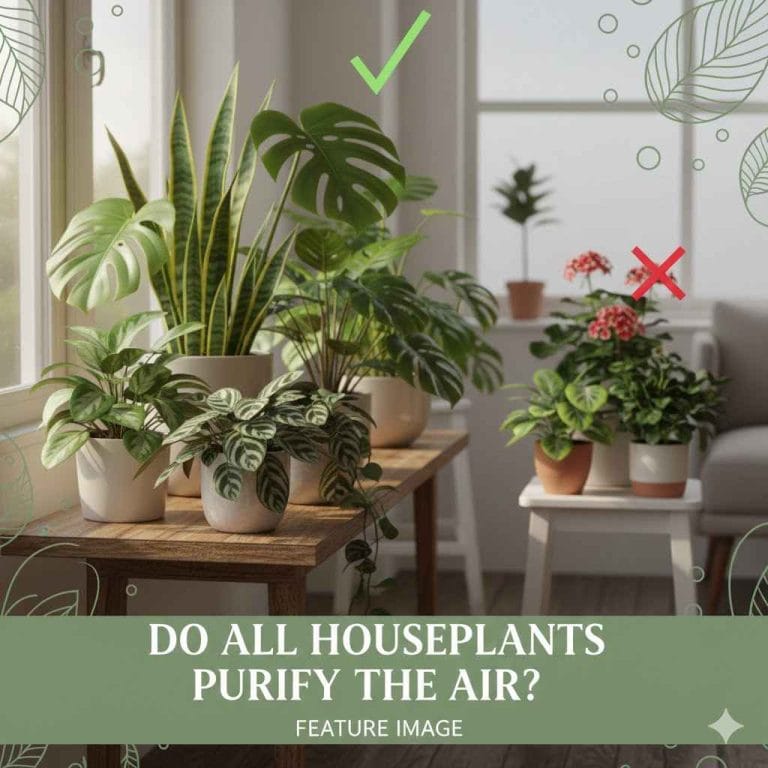
Some say plants don’t really clean air much in real homes. NASA tests were in sealed chambers, so big rooms need lots of plants. But even a few add oxygen, humidity, and joy. They work best with good ventilation—not as a full replacement for open windows or purifiers.

FAQ
Are air-purifying plants safe for pets?
Many are, like spider plant and pothos. But peace lily and English ivy can be toxic—check before buying if you have cats or dogs.
How many plants do I need to clean my room air?
Start with 2-5 per average room. NASA suggested one per 100 square feet, but more is better for noticeable help.
Do these plants need a lot of sunlight?
No! Most like low to medium indirect light. Snake plants and pothos do great in shady spots.
How often should I water air-purifying plants?
It depends on the plant. Let soil dry between waterings for most—overwatering is the biggest killer.
Can air-purifying plants help with allergies?
Yes, they reduce dust and some toxins. They also add humidity, which can ease dry air issues.
Are these plants expensive?
Not at all! You can find starters for $5-20 at local stores or online.
What if my plant looks sick?
Check watering first. Adjust light or wipe leaves. Most bounce back quickly with tweaks.
Adding air-purifying plants is one of the easiest ways to make your home healthier and happier. These green friends work quietly day and night to filter air, boost your mood, and bring life to your space. Start small—pick one or two today. Watch them grow, and feel the difference in your air and your well-being. You’ve got this! Gardening is fun, rewarding, and anyone can do it. Happy planting—your fresh, clean home awaits!
Related pick: Check today's price on Amazon