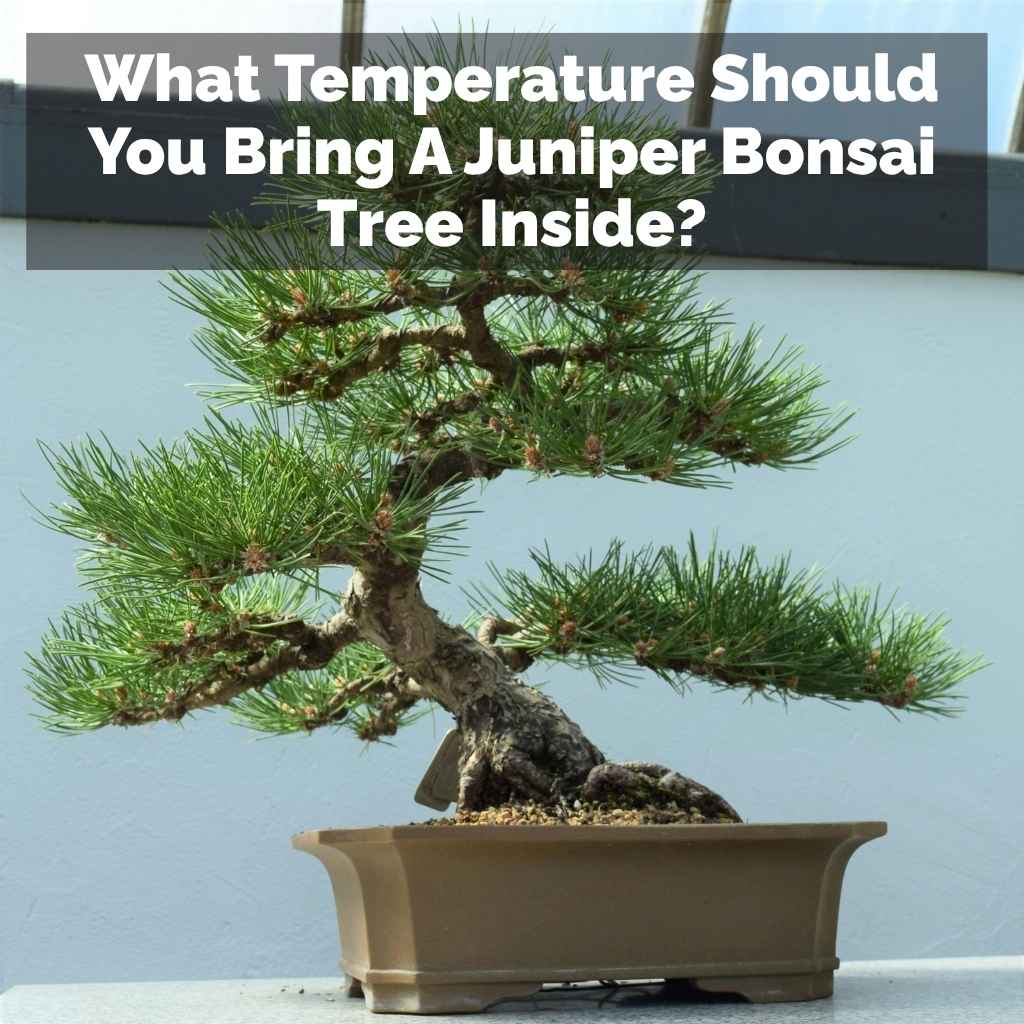
What Temperature Should You Bring A Juniper Bonsai Tree Inside?
For most juniper bonsai trees, it’s best to bring them inside when temperatures consistently drop below 20°F (-6°C). However, the true trigger is less about a single number and more about protecting the roots from prolonged freezing and understanding your specific juniper variety’s hardiness. They need a cold period, but not extreme, damaging cold.
Understanding Juniper Bonsai Temperature Needs
Juniper bonsai trees are evergreen. This means they keep their needles all year. In their natural habitat, they experience cold winters. This cold is actually good for them. It helps them rest and prepare for new growth in the spring. Think of it like a deep sleep for the tree.
However, a potted juniper is different from one growing in the ground. The roots in a pot are much more exposed to the cold. They don’t have the same protection that soil in the ground offers. This is why temperature becomes a really important factor for their survival.
The type of juniper you have matters a lot. Some junipers are tougher than others. For example, Shimpaku junipers might need a bit more protection than some hardier varieties like Juniperus rigida. It’s always good to know your specific tree’s needs.
Why Winter Protection is Key
When the ground freezes, a tree’s roots can also freeze. If roots freeze solid for too long, they can die. This damage can be very hard for the tree to recover from. Even if the top of the tree looks okay, dead roots mean no water or nutrients can get to the leaves.
Also, cold winds can dry out the needles, even in winter. This is called winter desiccation. If the roots are frozen, the tree can’t replace the lost water. This is another reason why protecting the roots is so vital.

Your Personal Experience with Juniper Care
I remember one year, I thought my little juniper bonsai could tough out a really cold snap. I live in an area where winter can be brutal. I had brought in some of my more delicate plants, but I figured my hardy juniper would be fine. I left it in a sheltered spot on my porch.
The temperatures dropped lower than I expected. It was below 10°F (-12°C) for a few nights. The wind was also biting. I didn’t think much of it until early spring. My juniper looked… sad. Its needles were brown and brittle. I panicked. I had never seen it look so bad.
I had to do some serious research. I learned that even hardy junipers can suffer root damage when their pots freeze solid for extended periods. I ended up having to prune back a lot of dead growth. It took two full growing seasons for that tree to really bounce back. That was a tough lesson. Since then, I’m much more careful about checking the forecast and providing protection.
Juniper Hardiness Zones and Bonsai
Junipers are generally hardy trees. Many can survive in USDA hardiness zones 4 through 9. However, bonsai are different.
The pot doesn’t insulate the roots as well as the ground does. This means a juniper suitable for zone 5 in the ground might need protection from deep freezes when in a pot.
Key Takeaway: Always consider the pot’s exposure, not just the tree’s species hardiness.
When Does It Get Too Cold?
So, what’s the magic number for temperature? For most common juniper bonsai varieties, the real danger zone begins when temperatures consistently dip below 20°F (-6°C). This is the point where the soil in the pot can freeze solid for extended periods.
However, a single night dipping to 15°F (-9°C) might not be catastrophic if it warms up during the day. It’s the prolonged, deep freezing that causes the most harm to the roots. If your area experiences a deep freeze that lasts for days, that’s when you need to act.
Consider the source of your juniper. If it came from a nursery in a much warmer climate, it might be less accustomed to colder temperatures. Even if it’s a hardy species, acclimatization plays a role.
Frost vs. Deep Freeze
A light frost is usually not a big deal for most junipers. They can handle a little chill. A deep freeze, though, is a different story. This is when the temperature stays very low for many hours, or even days. This is when the roots are most at risk.
Think about the soil. If it’s constantly below freezing, it’s like ice. Water inside the roots can expand and damage the cells. It’s similar to how pipes can burst in extreme cold.
Ideal Wintering Spots for Juniper Bonsai
When it’s time to bring your juniper bonsai inside, you have a few good options. The goal is to provide protection from extreme cold while still giving the tree the winter rest it needs.
Your juniper doesn’t need to be in your warm living room. In fact, that’s often too warm. They need a cool, dormant period. This helps them conserve energy and prepare for spring.
1. Unheated Garage or Shed
This is often the best solution for many people. An unheated garage or shed stays cooler than your house but warmer than the outside. It shields the tree from harsh winds and extreme temperature swings.
Make sure there is some light, even if it’s just indirect light from a window. The temperature should ideally stay between 30°F and 50°F (-1°C and 10°C). This range provides the necessary dormancy without being too cold.
2. Cold Frame or Greenhouse
A cold frame is a great, simple structure that can protect your plants. It’s like a mini-greenhouse. It traps solar heat during the day and offers protection at night.
A greenhouse, even an unheated one, can also work well. It offers good protection from the elements. Again, aim for temperatures that allow the tree to stay dormant.
3. Sheltered Outdoor Location
In milder climates, you might be able to keep your juniper outdoors. You’ll need to find a spot that is protected from wind. You might need to insulate the pot. You can do this by grouping pots together or placing them in a larger container filled with mulch or leaves.
You can also bury the pot in the ground for winter. This gives the roots excellent insulation. Just make sure the soil doesn’t get waterlogged.
Insulating Pot Options
- Mulching: Cover the soil surface with a thick layer of mulch.
- Grouping Pots: Place several pots together. The mass helps retain heat.
- Burying the Pot: Sink the pot into the ground up to its rim.
- Larger Container: Place the bonsai pot inside a larger, non-decorative pot and fill the gap with insulating material like straw or leaves.
Signs Your Juniper Needs Shelter
You don’t have to wait for a blizzard to protect your tree. Watch the weather forecast closely. If your area is predicted to have a string of nights where the temperature will be in the low 20s or teens Fahrenheit, it’s time to move your juniper.
Pay attention to your specific juniper. Some might show signs of stress earlier than others. If you see the needles starting to look dull or dry, even before extreme cold hits, it might be a sign that it’s feeling the chill too much.
Acclimatization: A Slow Transition
Remember how we talked about your juniper needing a cool period? It also needs to adjust to the change. When you bring it inside for winter, you want to do it gradually.
In the fall, as the temperatures start to drop, move your juniper to a more sheltered spot outside. This could be on a porch or near a building. This gradual cooling helps it prepare for the deeper cold.
When spring arrives, don’t rush to put it back outside. Gradually move it back to its sunny spot. Start with a few hours a day in a protected location and increase the time and exposure slowly. This is called hardening off.
What Happens if You Don’t Protect It Enough?
If your juniper bonsai experiences too much cold, you’ll start to see the damage. The needles will turn brown or yellow. They might feel dry and brittle. In severe cases, the branches themselves can die.
The most critical damage is to the roots. You might not see this right away. But if the roots are dead, the tree won’t be able to absorb water. This leads to wilting and, eventually, death of the entire tree.
Even if the tree survives, it will be weakened. It will take a long time to recover. You might have to prune away a lot of dead wood. It can be a very discouraging experience.
Contrast Matrix: Winter Worries
Myth: My hardy juniper can stay outside all winter, no matter the temperature.
Reality: Potted junipers have exposed roots. Prolonged deep freezes below 20°F (-6°C) can damage or kill these roots, even if the top of the tree seems fine.
Normal: Needles may turn a slightly duller green or bronze in winter. This is a natural color change due to cooler temperatures and less direct sun.
Concerning: Needles turn bright yellow, then brown, and become brittle. Branches start to die back. This indicates significant stress or root damage.
How to Check Your Juniper’s Roots (Carefully!)
You can do a careful check of your juniper’s roots before winter really sets in. This is best done in late fall. Gently lift the tree out of its pot.
Look at the roots. Are they white and healthy? Or are they dark and mushy? Healthy roots are a good sign. Dark, mushy roots could mean rot, which is different from cold damage but still serious.
If the roots look healthy but you’re worried about the cold, you can use this as an opportunity to repot if needed. However, repotting is usually best done in spring. For winter protection, you’re mainly assessing the health.
Watering Before the Big Freeze
Before the ground freezes and your tree goes into dormancy, make sure it’s well-watered. A well-hydrated tree can withstand cold better than a dry one. Water thoroughly until water drains from the bottom of the pot.
Once your juniper is in its winter protection spot, you’ll need to water less. The tree isn’t actively growing, so it uses less water. However, it’s still alive. Check the soil every few weeks. If it feels dry, give it a little water. Water only when temperatures are above freezing.
Quick-Scan Table: Winter Temperature Guide
| Temperature Range | What it Means for Your Juniper Bonsai |
|---|---|
| Above 50°F (10°C) | Too warm for true dormancy. May encourage premature budding. |
| 30-50°F (-1-10°C) | Ideal dormant period. Offers protection from extreme cold. |
| 20-30°F (-6 to -1°C) | Risk of root freezing increases. Pot needs significant protection or relocation. |
| Below 20°F (-6°C) | High risk of root damage. Tree MUST be moved to protective shelter. |
Hardiness Zones and Your Local Climate
It’s important to understand your USDA hardiness zone. You can find this online by entering your zip code. This gives you a general idea of the average minimum winter temperature in your area.
However, your local microclimate can be different. Factors like wind, proximity to buildings, and elevation can affect how cold it actually gets for your tree. Always err on the side of caution. If your zone is on the edge of what your juniper can handle, protect it.
For example, if you’re in Zone 6, and the forecast calls for extended periods of 0°F (-18°C), your juniper will need serious protection. If you’re in Zone 7 and it rarely dips below 20°F (-6°C) for long, your protection needs might be less extreme.
Signs of Frost Damage
If your juniper has been exposed to frost or freezing temperatures, you might see signs. The needles can turn a reddish-brown color. This is a stress response. Sometimes, if the damage isn’t too severe, the needles will recover and turn green again in the spring.
If the needles turn completely brown and brittle, and don’t show any green when you scratch a twig, then that part of the branch might be dead. Pruning out dead wood is a necessary step after winter damage.
What to Do When Spring Arrives
As the days get longer and the weather warms up, your juniper will start to wake up. You’ll notice new growth. This is the time to start the hardening-off process.
Bring your tree back outside gradually. Start in a shady, protected spot for a few hours a day. Slowly increase the amount of time it spends outdoors and expose it to more direct sunlight.
This transition helps prevent transplant shock and sunburn. It allows the tree to adjust to the brighter light and changing temperatures.
Repotting and Fertilizing
Spring is also the best time for repotting your juniper bonsai. If your tree is due for a repot, do it when it has just started showing signs of new growth. This allows the roots to recover quickly.
Once your tree is settled and actively growing, you can start fertilizing. Use a balanced bonsai fertilizer. Follow the instructions on the package. Proper feeding will help your tree recover from winter and prepare for the next growing season.
Observational Flow: Winterizing Your Juniper
Late Fall (Temps consistently below 40°F/4°C):
- Move tree to a more sheltered spot outside (porch, against a wall).
- Water thoroughly if soil feels dry.
- Check the forecast for hard freezes (below 20°F/-6°C).
Early Winter (First hard freeze predicted):
- Move tree to its winter protection location (garage, shed, cold frame).
- Ensure some light is available.
- Water only if soil is dry and temperatures are above freezing.
Mid-Winter (Check periodically):
- Monitor temperatures in the protection area.
- Water very sparingly if soil is dry and temps allow.
Late Winter/Early Spring (Temps consistently above freezing, days lengthening):
- Begin hardening off process.
- Move tree to a protected outdoor spot during warmer parts of the day.
- Gradually increase outdoor exposure.
- Repot if necessary once active growth begins.
Common Questions About Juniper Bonsai Winter Care
When should I bring my juniper bonsai inside for winter?
Click to see answer
You should bring your juniper bonsai inside for winter when temperatures consistently drop below 20°F (-6°C). The key is to protect the roots from prolonged freezing. An unheated garage, shed, or cold frame that stays between 30°F and 50°F (-1°C and 10°C) is ideal.
Can juniper bonsai stay outdoors in winter?
Click to see answer
In very mild climates (USDA zones 7-9, depending on the specific juniper and your local microclimate), junipers might survive outdoors if their pots are well-insulated or buried. However, for most areas experiencing hard freezes below 20°F (-6°C), bringing them into a protected, unheated space is safer to prevent root damage.
What is the ideal temperature for a dormant juniper bonsai?
Click to see answer
The ideal temperature range for a dormant juniper bonsai is between 30°F and 50°F (-1°C and 10°C). This cool period is essential for the tree’s health and future growth. It’s cold enough to ensure dormancy but warm enough to prevent the soil from freezing solid for extended periods.
What happens if my juniper bonsai freezes too hard?
Click to see answer
If your juniper bonsai freezes too hard, the roots are most vulnerable. They can be damaged or killed by prolonged freezing, which prevents water uptake. This can lead to browning, brittle needles, and eventual dieback of branches or the entire tree.
The damage may not be immediately visible.
How often should I water my juniper bonsai in winter?
Click to see answer
Water your juniper bonsai very sparingly in winter. Check the soil moisture every few weeks. Water only if the soil feels dry to the touch and the temperature is above freezing.
The tree is dormant and uses very little water. Overwatering in winter can lead to root rot.
Can I bring my juniper bonsai into my warm house for winter?
Click to see answer
It is generally not recommended to bring juniper bonsai into a warm house for the entire winter. They need a cold, dormant period to thrive. Being in a warm environment can confuse the tree, prevent proper rest, and make it more susceptible to pests and diseases.
Conclusion
Protecting your juniper bonsai during the cold months is key to its long-term health. Understanding the temperature limits, providing a suitable cool dormancy location, and monitoring your tree are all vital steps. A little preparation can save you a lot of worry and help your juniper thrive for years to come.