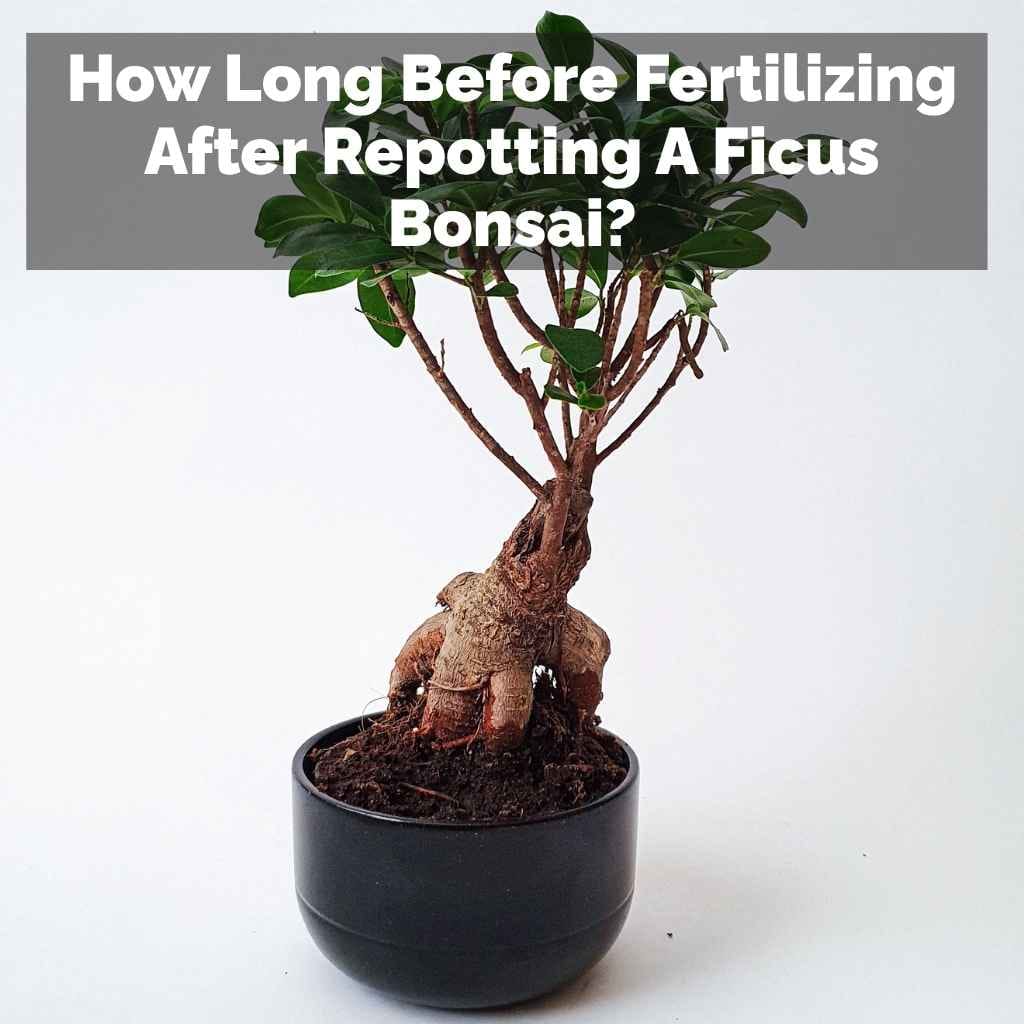
How Long Before Fertilizing After Repotting A Ficus Bonsai?
The general rule is to wait about 4 to 6 weeks after repotting a Ficus bonsai before you start fertilizing again. This waiting period gives the roots time to recover and establish themselves in the new soil without being stressed by added nutrients.
Readers comparing bonsai options may also find How Long to Stratify Japanese Cherry Blossom Bonsai Seeds? useful before choosing a tree or pot.
The Waiting Game: Why Patience Pays Off
When you repot your Ficus bonsai, you disturb its root system. You might trim some roots too. This means the plant needs time to heal.
It needs to grow new roots and settle into its fresh soil. This process takes energy.
Think of it like recovering from a big move. You wouldn’t immediately start a heavy workout routine right after packing boxes and settling in, would you? Your body needs rest first.
Your Ficus needs similar care.
Fertilizer is like a strong meal. It provides nutrients. But if the roots are still stressed or damaged, they can’t handle these nutrients well.
The fertilizer might even burn them. This would set your plant back.
So, waiting is key. It lets the plant focus its energy on getting healthy again. It’s about helping it heal before asking it to grow stronger.
This patience is a big part of successful bonsai care.

My Ficus Bonsai’s Repotting Panic
I remember one spring a few years back. My Ficus, a lovely little specimen I’d had for ages, was looking a bit sad. The soil was old and compacted.
It was definitely time to repot. I gathered my tools, fresh bonsai soil, and my courage.
I carefully took it out of its pot. The roots were indeed tight and a bit root-bound. I did my best to trim them back, not too much, just enough to encourage new growth.
I then placed it in its new, slightly larger pot with the fresh soil. It looked good, a little bare, but ready for a fresh start. I placed it in its usual bright spot.
Then, my brain kicked into overdrive. “It needs food to recover!” I thought. So, just a few days later, I mixed up a half-strength liquid fertilizer and gave it a good soak.
I felt so responsible, so proactive.
Within a week, I noticed a change. Not a good one. The leaves started to look a little yellow, and some edges felt crispy.
Panic set in. What had I done wrong? I’d tried to help!
I consulted some old bonsai books and remembered the golden rule: roots need to heal first. I had rushed the process. My eagerness to help had actually harmed it.
That was a tough lesson. It taught me the true meaning of bonsai patience.
Understanding Root Stress After Repotting
The Problem: Repotting disrupts roots. Roots get trimmed. They are exposed to air.
New soil can be drier initially.
The Impact: Stressed roots struggle to absorb water and nutrients. They are more fragile.
The Need: Time to heal. Time to anchor. Time to grow new, fine feeder roots.
What Happens to the Roots?
When you repot a Ficus bonsai, several things happen to its roots. First, you likely prune them. This is done to manage the plant’s size.
It also encourages new growth from the cut ends. These new roots are essential for the plant’s health.
Second, the roots are exposed to air. This can cause some drying. Even if you are quick, some moisture loss is inevitable.
The plant loses some of its ability to take up water.
Third, the roots are placed in new soil. This soil might have a different moisture content than the old soil. It takes time for the roots to spread out and make full contact with this new medium.
All these factors create stress. The plant is working hard to recover. It needs to rebuild its root system.
This makes it vulnerable.
The Role of New Soil
The new soil you use for repotting is important. Good bonsai soil drains well. It also holds some moisture.
But it’s a different environment for the roots.
Fresh soil doesn’t have the same microbial life as older soil. It takes time for that to develop. Also, the nutrient content of the soil itself is usually low, especially if you use a fast-draining mix.
This is why adding fertilizer too soon can be a problem. The soil isn’t ready to support it fully yet. The plant isn’t ready to process it.
Using a good quality, well-aerated bonsai soil mix is crucial. It helps the roots establish faster. But it doesn’t replace the need for a waiting period before fertilizing.
When is the Best Time of Year to Repot?
Ideal Season: Late spring to early summer in most U.S. climates.
Why Then: The plant is entering its active growing season. It has more energy to recover.
Avoid: Extreme heat or cold. Winter is generally too dormant for major root work.
Signs Your Ficus is Recovering Well
How do you know when your Ficus is ready for fertilizer? You watch for signs of recovery. These are positive indicators that its roots are happy.
The most obvious sign is new growth. You’ll see tiny new leaves or shoots. This means the plant has enough energy and its roots are functioning well.
It’s pulling up water and nutrients from the new soil.
Another sign is the general appearance of the leaves. They should look firm, green, and healthy. They shouldn’t be wilting or yellowing.
If the plant looks robust and vibrant, it’s a good sign.
Checking the soil moisture can also help. If the soil is drying out at a normal rate and the plant isn’t showing signs of thirst, its roots are likely taking up water well.
Listen to your plant. It will tell you when it’s ready. Don’t rush the process.
Observe its behavior.
The 4-6 Week Rule: What It Means in Practice
The 4 to 6 week timeframe is a guideline. It’s not an exact science for every plant. Your specific Ficus and how aggressively you repotted it play a role.
If you only did minor root pruning and repotting into similar soil, your plant might recover faster. If you did significant root work and changed soil types drastically, it might take longer.
During this waiting period, focus on proper watering. Water thoroughly when the top inch of soil feels dry. Avoid letting the pot sit in standing water.
Also, keep the plant in a location with bright, indirect light. Avoid direct, harsh sun, which can stress it further.
This care helps the roots establish without the added challenge of fertilizer.
Quick Soil Check: Before Fertilizing
- Feel the Soil: Is it drying out normally?
- New Growth: Are you seeing tiny buds or new leaves?
- Leaf Appearance: Are leaves firm and green?
What if You Fertilize Too Soon?
Let’s talk about what can happen if you can’t resist the urge to fertilize too soon. It’s a common mistake, and it’s good to know the risks.
Root Burn: This is the most common problem. Fertilizer salts can accumulate in the soil. If the roots are damaged or weak, they can’t process these salts.
This leads to the roots drying out and dying. You might see brown, mushy roots.
Leaf Drop: The plant might react to the stress by dropping leaves. This is its way of conserving energy. It’s a clear sign something is wrong.
Stunted Growth: Instead of encouraging growth, early fertilization can actually halt it. The plant focuses all its energy on surviving the stress. It won’t have any energy left for new growth.
Increased Susceptibility to Pests and Diseases: A stressed plant is a weak plant. It becomes an easy target for common bonsai pests like spider mites or mealybugs. It’s also more prone to fungal issues.
These are not fun outcomes. They can set your bonsai’s recovery back by months. This is why sticking to the waiting period is so important.
Fertilizer Types and Their Role
Once you do start fertilizing, what kind should you use? For Ficus bonsai, a balanced liquid fertilizer is often recommended. Look for something with a ratio like 10-10-10 or 20-20-20.
This means it has equal parts nitrogen (N), phosphorus (P), and potassium (K).
Nitrogen helps with leaf growth. Phosphorus helps with root development. Potassium helps with overall plant health and resilience.
All are important.
When you first resume fertilizing after repotting, it’s often wise to use a diluted solution. Start with half or even quarter strength. This is especially true if your new soil has a bit of slow-release fertilizer mixed in.
Organic fertilizers, like fish emulsion or worm castings, are also good options. They release nutrients slowly. This can be gentler on recovering roots.
Just make sure to follow package directions carefully.
Fertilizer Strength After Repotting
- First Feeding: Use 1/4 to 1/2 strength.
- Frequency: Less often than before repotting.
- Observation: Watch your plant’s reaction closely.
The Importance of Proper Watering Post-Repotting
Watering is probably the most critical element after repotting. More plants are killed by improper watering than by anything else. This is especially true for a stressed bonsai.
After repotting, your Ficus will need consistent moisture. But it should not be waterlogged. The new soil should feel slightly damp to the touch, but not soggy.
You want to encourage those new roots to reach out into the soil for moisture.
Check the soil daily. Stick your finger about an inch into the soil. If it feels dry, it’s time to water.
If it feels moist, wait. It’s better to underwater slightly than to overwater.
Overwatering can lead to root rot. This is a fungal disease that thrives in wet, oxygen-poor soil. It’s very hard to recover from.
Stressed roots are even more susceptible to root rot.
Make sure your pot has good drainage holes. This is essential for any bonsai. It allows excess water to escape freely.
Light Requirements for a Recovering Ficus
Light is also a big factor in your Ficus’s recovery. After repotting, the plant is working hard. It needs energy, but it can be sensitive.
Most Ficus varieties prefer bright, indirect light. This means a spot where they can get plenty of light but no direct, hot sun. Think of an east-facing window or a spot a few feet back from a south or west-facing window.
Direct sunlight, especially after repotting, can scorch the leaves. It can also dry out the soil too quickly. This adds more stress to the already vulnerable roots.
As your plant shows signs of new growth and looks healthier, you can gradually introduce it to more light if needed. But always do this slowly. Watch for any signs of stress.
Light & Water: The Dynamic Duo
Indirect Light: Protects delicate leaves from scorching.
Consistent Moisture: Keeps roots hydrated without becoming waterlogged.
Observation: Adjust watering based on soil feel and environmental conditions.
When Can You Expect New Growth?
Patience is truly a virtue with bonsai. You might not see tons of new growth immediately after repotting. The plant is focused on root development first.
You might see tiny new buds or leaf tips appearing within a few weeks. This is a great sign. It means the roots are starting to establish and function.
The plant is getting ready to put out new foliage.
Full, lush growth will take longer. It could be several months before your Ficus looks as full as it did before repotting. This is normal.
The plant is investing energy underground.
Don’t get discouraged if you don’t see rapid leaf production. Focus on the health of the existing leaves and the emergence of small new shoots. That’s your cue that things are moving in the right direction.
What if My Ficus Doesn’t Show Signs of Recovery?
Sometimes, despite our best efforts, a Ficus bonsai might struggle after repotting. If you wait the full 4-6 weeks (or even longer) and still see no signs of new growth, or if leaves continue to yellow and drop, there might be another issue.
Check the Roots: Gently probe the soil with a chopstick or skewer. Can you feel firm roots, or do they feel soft and mushy? Mushy roots indicate root rot, usually from overwatering.
Soil Moisture: Is the soil constantly wet, or is it drying out too slowly? This points to poor drainage or a soil mix that retains too much water.
Light Exposure: Is the plant getting too much direct sun, or not enough light?
If you suspect root rot, you may need to repot again, this time with a focus on removing all rotten roots and using a fast-draining soil mix. This is a drastic step, but sometimes necessary for survival. Always use sterile tools for this.
How to Start Fertilizing Safely
Once you’ve passed the 4-6 week mark and observed signs of recovery like new buds or firm leaves, you can begin fertilizing. Here’s how to do it safely:
1. Choose Your Fertilizer: Select a balanced liquid fertilizer. For Ficus, a 10-10-10 or similar is good.
Or use a reputable organic bonsai fertilizer.
2. Dilute It: Start with half strength. Mix the fertilizer with water according to the package directions, then dilute it further by mixing that solution with an equal amount of plain water.
3. Water First: Always water your bonsai thoroughly before applying any fertilizer. Dry roots are more susceptible to damage from fertilizer salts.
Watering first ensures the soil is moist.
4. Apply the Fertilizer: Water the bonsai with the diluted fertilizer solution. Make sure to water until it drains from the bottom.
This helps flush out any excess salts.
5. Observe: Watch your plant closely after the first feeding. Look for any signs of negative reaction, like leaf tip burn or wilting.
If you see any, stop fertilizing and water thoroughly with plain water.
6. Gradually Increase Strength: If the plant reacts well, you can slowly increase the fertilizer strength over subsequent feedings to the recommended level on the package. But for a recovering bonsai, it’s often best to stick to a slightly weaker solution than usual for a while.
First Feeding Checklist
- Wait Period: Have you waited 4-6 weeks?
- Recovery Signs: Are there new buds or firm leaves?
- Dilution: Is the fertilizer at least 1/2 strength?
- Watering: Did you water the plant before fertilizing?
Fertilizing Schedule After Recovery
Once your Ficus is fully recovered and growing vigorously, you can return to a regular fertilizing schedule. The frequency depends on the type of fertilizer you use and your climate.
For liquid fertilizers, feeding every 2-4 weeks during the growing season (spring through fall) is common. Reduce or stop fertilizing during the winter months when growth slows down.
For slow-release granular fertilizers, you might apply them every few months. Follow the product instructions.
Remember that bonsai in small pots dry out quickly. They also use up nutrients faster. Regular feeding is important to maintain health and vigor.
When to Use a Different Soil Mix
The soil you use for repotting is critical. A good bonsai soil mix provides aeration, drainage, and some moisture retention. Common components include akadama, lava rock, pumice, and organic matter like bark or peat.
If your Ficus struggled after repotting and you suspect the soil might be the culprit, consider a change for the next repotting. You want a mix that drains very well. Ficus can be a bit more tolerant of moisture than some other bonsai, but good drainage is still paramount.
For Ficus, a mix that is about 50% inorganic material (like lava rock or pumice) and 50% organic material (like bark fines) can work well. The key is that it should feel light and airy, not dense or heavy.
You might also consider adding a small amount of slow-release fertilizer to the new soil mix when you repot. If you do this, you should definitely extend the waiting period before adding any liquid fertilizer.
Soil Mix Essentials
- Drainage: Absolutely vital.
- Aeration: Roots need air to breathe.
- Moisture Retention: Enough to keep roots from drying out too fast.
- pH: Generally slightly acidic to neutral is best.
Can I Use Plant Food Meant for Other Plants?
While you can technically use general houseplant fertilizers for your Ficus bonsai, it’s usually not ideal. Bonsai have unique needs due to their small pots and the specific type of growth we aim for.
General fertilizers might have too much nitrogen. This can cause leggy, weak growth on a bonsai. We want compact growth.
Also, they might not be formulated for the specific pH or nutrient uptake of a tree in a small container.
Bonsai-specific fertilizers are designed with these factors in mind. They often come in balanced formulations or specific types for promoting ramification (dense branching) or flowering. For a recovering Ficus, a balanced formula is best to start.
If you must use a general fertilizer, always dilute it much more than recommended. Start at 1/4 strength. And always monitor your plant very closely.
How Often Should I Water After Fertilizing?
The watering routine doesn’t change drastically just because you’ve started fertilizing. You still need to water when the top inch of soil feels dry.
Fertilizing actually encourages growth. More growth means the plant will use water more quickly. So, you might find yourself watering slightly more often than you did during the initial recovery period.
The key is to continue checking the soil moisture. Don’t water on a schedule. Water based on the plant’s needs.
A well-draining bonsai soil will help prevent overwatering, even if you fertilize.
Signs of Too Much Fertilizer
Even after you start fertilizing, it’s possible to overdo it. Look for these signs:
Leaf Tip Burn: The edges of the leaves turn brown and crispy. This is a classic sign of fertilizer salts building up.
Wilting: The plant might wilt even if the soil is moist. The fertilizer salts damage the roots, making them unable to absorb water.
Yellowing Leaves: Sometimes, over-fertilizing can cause leaves to yellow, especially if it leads to root damage.
White Crust on Soil: You might see a white or yellowish crust forming on the surface of the soil. This is salt buildup from the fertilizer.
If you see any of these signs, stop fertilizing immediately. Water the plant thoroughly with plain water several times to flush out the excess salts. You might need to repeat this flushing process over a few days.
Spotting Over-Fertilization
- Brown Leaf Edges: Crispy, dry tips.
- Sudden Wilting: Even with moist soil.
- Salt Crust: Visible white residue on soil surface.
The Long-Term View: Healthy Ficus Growth
Repotting and then carefully resuming feeding are just parts of the ongoing journey of bonsai care. The goal is a healthy, balanced tree that thrives for years to come.
By understanding the needs of your Ficus after repotting, you give it the best chance to establish a strong root system. This foundation is crucial for all future growth and health.
Remember that every bonsai is an individual. They will respond differently to care. Observing your plant closely and adjusting your approach based on its cues is the most important skill you can develop.
The patience you show in the weeks following repotting will pay off. It leads to a more resilient, beautiful, and vigorous Ficus bonsai.

Frequently Asked Questions about Fertilizing Ficus Bonsai After Repotting
How long should I wait to water my Ficus bonsai after repotting before fertilizing?
You should wait about 4 to 6 weeks after repotting your Ficus bonsai before you consider fertilizing. During this time, focus on proper watering and providing good light. Water the plant thoroughly when the top inch of soil feels dry, but avoid overwatering.
The plant needs this period to let its roots heal and establish in the new soil.
What are the signs my Ficus bonsai is ready for fertilizer after repotting?
Look for signs of new growth. This includes tiny buds or new leaves emerging. The plant’s existing leaves should also look firm, green, and healthy, not wilted or yellow.
If your Ficus looks vigorous and is showing these signs, it’s likely ready to start receiving nutrients again.
Can I use a general houseplant fertilizer on my Ficus bonsai after repotting?
While you can use a general houseplant fertilizer, it’s best to use a balanced liquid fertilizer diluted to half or quarter strength. Bonsai have specific needs, and general fertilizers might promote too much weak growth. If you must use a general one, extreme dilution and careful observation are key.
What happens if I fertilize my Ficus bonsai too soon after repotting?
Fertilizing too soon can lead to root burn. The fertilizer salts can damage the delicate, recovering roots, causing them to die. This can result in leaf drop, stunted growth, and make the plant more susceptible to pests and diseases.
It’s crucial to let the roots heal first.
Should I water before or after fertilizing my Ficus bonsai after the waiting period?
You should always water your Ficus bonsai thoroughly before applying any fertilizer, even after the waiting period. This ensures the soil is moist and helps to buffer the roots from the direct impact of fertilizer salts, reducing the risk of burn.
What kind of fertilizer is best for a Ficus bonsai after repotting?
A balanced liquid fertilizer, such as one with a 10-10-10 or 20-20-20 NPK ratio, is generally recommended for Ficus bonsai. You can also use an organic bonsai fertilizer. Start with a diluted strength (half or quarter) and gradually increase it as the plant shows consistent, healthy growth.
How often should I fertilize my Ficus bonsai once it’s fully recovered from repotting?
Once your Ficus bonsai is fully recovered and actively growing, you can fertilize it every 2 to 4 weeks during the growing season (spring through fall) with a balanced liquid fertilizer. Reduce or stop fertilizing during the winter months. Always follow the specific product instructions and observe your plant.
Wrapping Up: Nurturing Your Repotted Ficus
Giving your Ficus bonsai the proper care after repotting is essential for its long-term health. By understanding the importance of the waiting period before fertilizing, you help it heal and establish strong roots. This thoughtful approach ensures your bonsai will flourish.