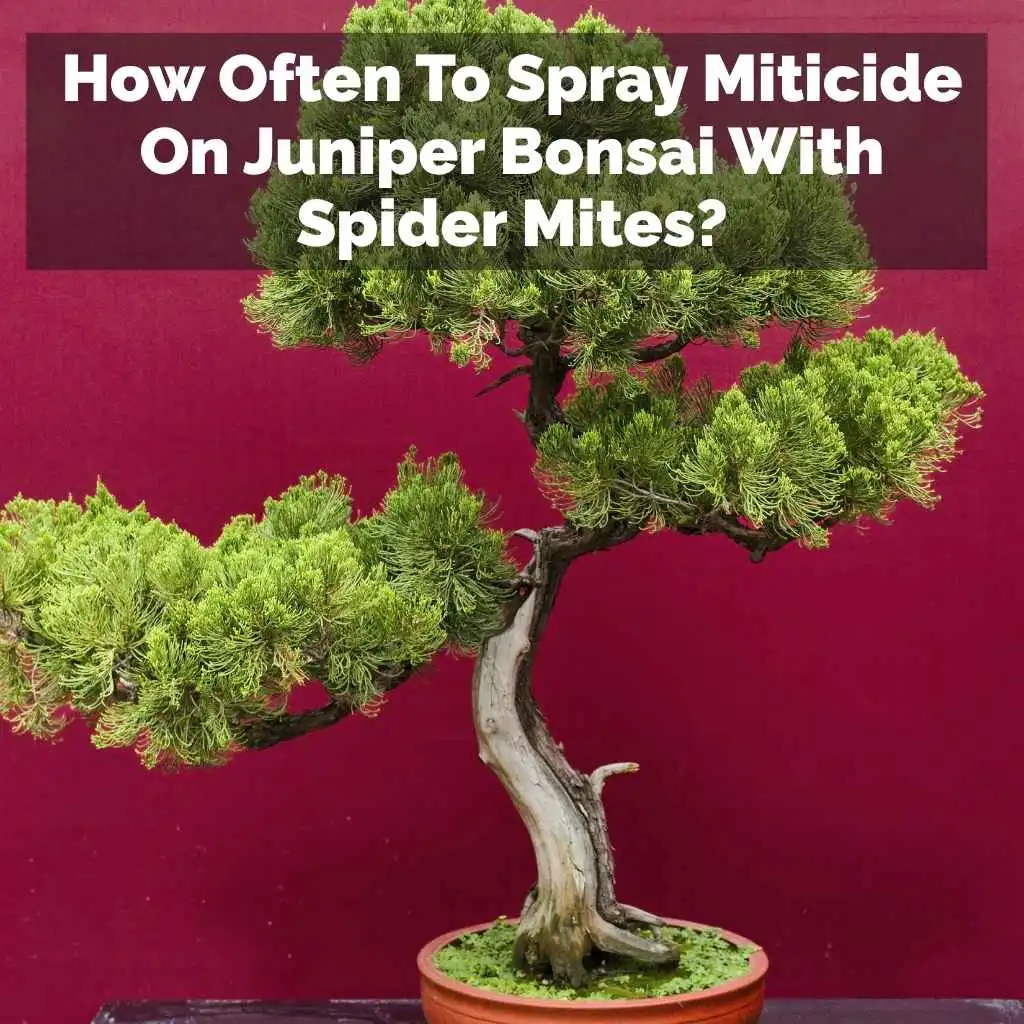
How Often To Spray Miticide On Juniper Bonsai With Spider Mites?
The best frequency for spraying miticide on juniper bonsai with spider mites depends on the product used, the severity of the infestation, and environmental conditions. Generally, repeat treatments every 5-7 days for 2-3 cycles are needed to break the mite life cycle. Always follow product label instructions precisely.
Understanding Spider Mites on Juniper Bonsai
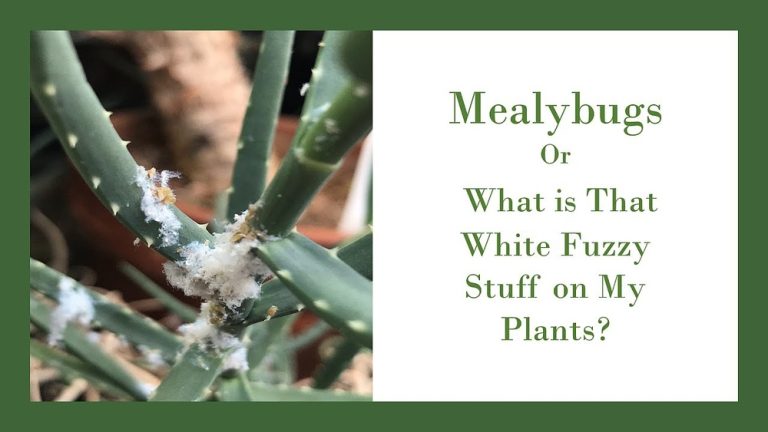
Spider mites are tiny. You often can’t see them without a magnifier. They love dry, warm conditions.
This is why they often appear on bonsai, especially indoors or in sheltered spots. They feed on plant sap. This weakens the plant.
You might see tiny stippling marks on the needles. Fine silk webbing is another big clue.
These mites have a fast life cycle. Eggs hatch quickly. New mites mature fast.
They can reproduce rapidly. This means one treatment might not be enough. You need to keep treating them.
This breaks their cycle. It’s like chasing a ghost sometimes. But with the right plan, you can win.

When Do Spider Mites Appear?
Spider mites can show up anytime. They often love hot, dry weather. This means summer is a prime time.
But they can also thrive indoors during winter. Heating systems dry out the air. This creates perfect conditions for them.
So, keep an eye out year-round.
Indoor plants are especially vulnerable. They don’t have natural predators. They also get less airflow.
This lets mite populations grow quickly. You might notice yellowing needles. They might look a bit dull.
This is a sign something is wrong. It’s often one of the first signs you’ll see.
The Spider Mite Life Cycle: Why Timing Matters
To fight spider mites, you must understand their life cycle. It’s a cycle of growth and reproduction. This cycle is often short.
It can be as little as 3-5 days in warm weather. Eggs hatch into young mites. These young mites then grow up.
They start laying more eggs.
If you only spray once, you kill the adult mites. But you miss the eggs. The eggs hatch a few days later.
Then you have a new problem. You need to spray again. This second spray kills the new adults.
You might need a third spray. This gets any stragglers.
This is why consistent spraying is key. You are targeting different stages. You aim to break the cycle.
This is the most effective way. It prevents them from taking over your juniper.
Spider Mite Stages
Egg: Tiny, often laid on the underside of needles.
Larva: Hatches from the egg. Has six legs.
Nymph: Grows and molts. Has eight legs. Looks like a small adult.
Adult: The reproductive stage. You see them crawling. They make webbing.
Choosing the Right Miticide
There are different kinds of miticides. Some are chemical. Some are organic.
For bonsai, using gentler options is often best. You don’t want to harm the tree. You also want to be safe for yourself.
Common organic choices include horticultural oils. Neem oil is also popular. Insecticidal soaps work well too.
These work by suffocating mites. They break down their outer shells. They are generally safe for plants when used correctly.
Horticultural oils are best applied when it’s not too hot. High heat can cause leaf burn. Always do a test spray on a small part of the plant.
See how it reacts. This is a good practice for any new product.
How Often to Spray: The General Rule
For most miticides, you’ll need to spray more than once. The common advice is to spray every 5 to 7 days. You repeat this for about 2 to 3 weeks.
This usually means 3 to 4 spray sessions in total.
Think of it as a campaign. You’re not just treating a symptom. You’re eliminating the whole problem.
This timeframe ensures you catch new mites as they hatch. It’s important to be thorough. Don’t skip a spray.
That’s when they can bounce back.
The exact timing can change. It depends on how bad the infestation is. If you see lots of webbing and damage, you might need to spray more often at first.
Or use a stronger product if safe. But always check the label first. Safety for your bonsai is first.
Quick Spray Schedule Tip
Day 1: First spray. Cover all parts of the tree.
Day 6-7: Second spray. Aim for any new mites.
Day 12-14: Third spray. Catch any remaining or newly hatched mites.
Optional Day 19-21: Fourth spray if infestation was severe.
Factors Affecting Spray Frequency
Several things can change how often you need to spray. The type of miticide you use is one. Some products have a longer residual effect.
Others wear off faster. Always read the product label carefully.
The weather plays a role too. Hot, dry, and windy weather is ideal for spider mites. It also dries out sprays faster.
If it rains soon after you spray, you might need to spray again sooner. High humidity can slow them down. But too much can encourage fungal issues.
The severity of the infestation matters most. If you have a few mites, you might get away with fewer sprays. If your tree is covered in webs, you need to be more aggressive.
Consistent treatment is more important than perfect timing. But try to stick to the schedule.
Contrast: Normal vs. Concerning Mite Activity
| Normal Observation | Concerning Observation |
| Occasional fine webbing, barely visible. | Thick, dense webbing covering needles and branches. |
| Needles look uniformly green. | Needles have tiny yellow or white spots (stippling). |
| Plant feels vigorous. | Needles turn yellow, then brown, and drop off. |
| No visible tiny pests on close inspection. | You can see tiny moving specks, especially on the underside of needles. |
My Experience: The Time I Almost Lost My Juniper
I remember one summer clearly. My prize Japanese Juniper bonsai was my pride. It sat on my patio, looking magnificent.
Then, one morning, I noticed a faint webbing. I thought it was just dust. But it seemed too organized.
I got my magnifying glass.
My heart sank. Tiny red dots were everywhere. Spider mites!
I had seen them on other plants. But never on my juniper. I panicked.
I grabbed the first pesticide I found. I sprayed it all over, not reading the label. It was too harsh.
The next day, some needles looked scorched. The mites were still there, mocking me. I felt so foolish.
I had made it worse. I had to stop. I researched.
I learned about their life cycle. I learned about gentle sprays. I bought neem oil.
I switched to a schedule.
I sprayed every five days for three weeks. I made sure to get under the needles. It was tedious.
But slowly, the webs disappeared. The stippling stopped. My juniper began to recover.
It taught me a valuable lesson. Patience and the right approach are vital.
How to Apply Miticide Effectively
Application is as important as timing. You need to get the spray where the mites are. They love to hide on the undersides of needles.
They also gather where needles meet branches. Always spray the entire plant.
Use a fine mist sprayer. This helps cover everything. Make sure the spray coats all surfaces.
Don’t just mist the top. Turn the branches. Get under the foliage.
You want to drown them in the spray.
The best time to spray is early morning or late evening. Avoid spraying in the heat of the day. High temperatures can make the spray burn the needles.
Also, avoid spraying when it’s windy. The spray will blow away. You won’t get good coverage.
After spraying, clean your sprayer. Rinse it thoroughly. This prevents residue buildup.
It also makes it ready for the next use. Keep the original product container. Store it safely.
You’ll need it for the next treatment.
Essential Spraying Tips
Target Undersides: Mites love hiding here.
Complete Coverage: Get every needle and branch.
Fine Mist: Helps spread the spray evenly.
Cool Temperatures: Spray early morning or late evening.
Calm Weather: Avoid windy days for best application.
What If the First Treatment Doesn’t Work?
It’s possible the first round of sprays won’t eliminate all the mites. This is normal, especially with bad infestations. Don’t get discouraged.
The key is to continue the treatment. Stick to your schedule.
If after 3-4 applications, you still see mites, reassess. Are you applying correctly? Are you reaching all the mites?
Maybe the product isn’t strong enough for this infestation. Or maybe it’s a different pest.
Sometimes, mites can build resistance to certain chemicals. If you suspect this, you might need to switch to a different type of miticide. Always try to rotate your treatments if possible.
Use different active ingredients if you can. This helps prevent resistance.
Consider consulting a local nursery or bonsai expert. They can offer specific advice for your area. They might have seen this problem before.
They can help identify the exact issue. Getting local knowledge is always valuable.
Preventing Future Spider Mite Infestations
Once you’ve cleared the mites, the work isn’t over. Prevention is key. You want to keep your juniper healthy.
Healthy plants are less attractive to pests.
Humidity: Spider mites hate humidity. Increase humidity around your bonsai. You can use a humidity tray.
Place the bonsai pot on a tray filled with pebbles and water. Make sure the pot isn’t sitting directly in the water. Evaporation will increase humidity.
Airflow: Good air circulation helps. It makes it harder for mites to establish. Don’t crowd your plants too closely.
Ensure your juniper has some space around it.
Watering: Proper watering is crucial. Don’t let the plant dry out too much. But also, don’t overwater.
Both extremes can stress the plant. Stressed plants are more vulnerable. Water when the soil feels dry to the touch.
Inspection: Regularly inspect your bonsai. Look under the needles. Check for any signs of pests.
The sooner you catch a problem, the easier it is to fix. A quick check once a week can save a lot of trouble.
Cleanliness: Keep the area around your bonsai clean. Remove fallen leaves or debris. These can harbor pests.
A clean environment is a healthy environment.
Preventative Care Checklist
- Boost Humidity: Use a humidity tray.
- Improve Airflow: Give plants space.
- Water Wisely: Avoid extremes.
- Inspect Often: Check under needles.
- Stay Clean: Remove debris.
- Avoid Stress: Don’t over-fertilize or over-prune suddenly.
When to Worry and When It’s Okay
It’s normal to see a few tiny pests on plants. Even healthy plants can get a minor pest issue. What matters is how bad it gets.
And how quickly you deal with it.
A few mites with no visible damage is usually okay. You can often spray them off with a strong jet of water. Or use a very mild insecticidal soap.
Then, monitor closely.
You should worry when you see significant damage. This includes lots of stippling. Yellowing and browning needles are bad signs.
Dense webbing is a clear indicator of a serious problem. If your juniper is dropping needles rapidly, that’s a major concern.
If you’re unsure, it’s always best to act. It’s easier to treat a small problem. A small problem won’t become a big, plant-threatening issue.
Taking early action is proactive.
Quick Fixes and Long-Term Care
For minor mite issues, a strong blast of water from a hose can work. Do this in the morning. It washes many mites away.
Then let the plant dry. This is a good first step for very light infestations.
Horticultural oils and insecticidal soaps are good mid-level treatments. They are effective and relatively safe. Follow the label for dilution and application.
Remember to test on a small area first.
For severe cases, you might need a stronger miticide. Always choose one labeled for spider mites and safe for ornamental plants or trees. Read the label instructions very carefully.
Safety for you, your pets, and your plant is paramount.
Long-term care involves the preventative steps mentioned earlier. Consistent monitoring is your best defense. Healthy plants are strong plants.
They can better withstand minor pest attacks.
Mitigation Options
Water Spray: For very light infestations. Repeat if needed.
Insecticidal Soap: Effective and generally safe. Follow instructions.
Horticultural Oil (Neem Oil): Suffocates mites. Apply in cooler temps.
Chemical Miticide: For severe infestations. Use with caution. Follow labels strictly.

Frequently Asked Questions About Juniper Bonsai and Mites
Can spider mites kill a juniper bonsai?
Yes, if left untreated and the infestation is severe, spider mites can weaken and eventually kill a juniper bonsai. They drain the plant’s sap, causing stress and damage that can be fatal.
How do I know if it’s spider mites and not another pest?
Spider mites are very small, often red or brown. You’ll see fine webbing, especially on the underside of needles. Their feeding causes stippling – tiny yellow or white spots on the needles.
Other pests like aphids are larger and have different damage patterns.
Should I prune my juniper bonsai if it has mites?
It’s best to address the mite infestation first. Pruning can stress the plant. However, if some branches are heavily infested and showing severe damage, you might consider pruning those parts after treating the rest of the tree.
Dispose of pruned parts away from healthy plants.
Can I use household cleaners on my bonsai?
No, it’s not recommended. Household cleaners can be too harsh for delicate bonsai needles and roots. They can cause chemical burns or damage the plant.
Stick to products specifically designed for plant care and pest control.
How long does it take for a juniper bonsai to recover from spider mites?
Recovery time varies. With consistent treatment and good care, you should see improvement within a few weeks. It might take a few months for the plant to look its best again, especially if there was significant damage.
Are all miticides safe for bonsai?
No. Always check the product label. Look for products safe for ornamental plants or bonsai.
Some chemicals can harm sensitive bonsai species. Organic options like neem oil and horticultural soaps are generally safer but still require careful application.
What is the best time of year to treat spider mites on juniper bonsai?
You can treat spider mites year-round. However, they are most active and reproduce fastest in warm, dry conditions, typically during summer. Indoor infestations can occur in winter.
Early detection and treatment are always best, regardless of the season.
Final Thoughts on Keeping Your Juniper Healthy
Tackling spider mites on your juniper bonsai requires a plan. Understanding their life cycle is your best weapon. Consistent treatment is the key to success.
Don’t get discouraged if it takes a few tries. Your dedication will pay off. Healthy plants are beautiful plants.