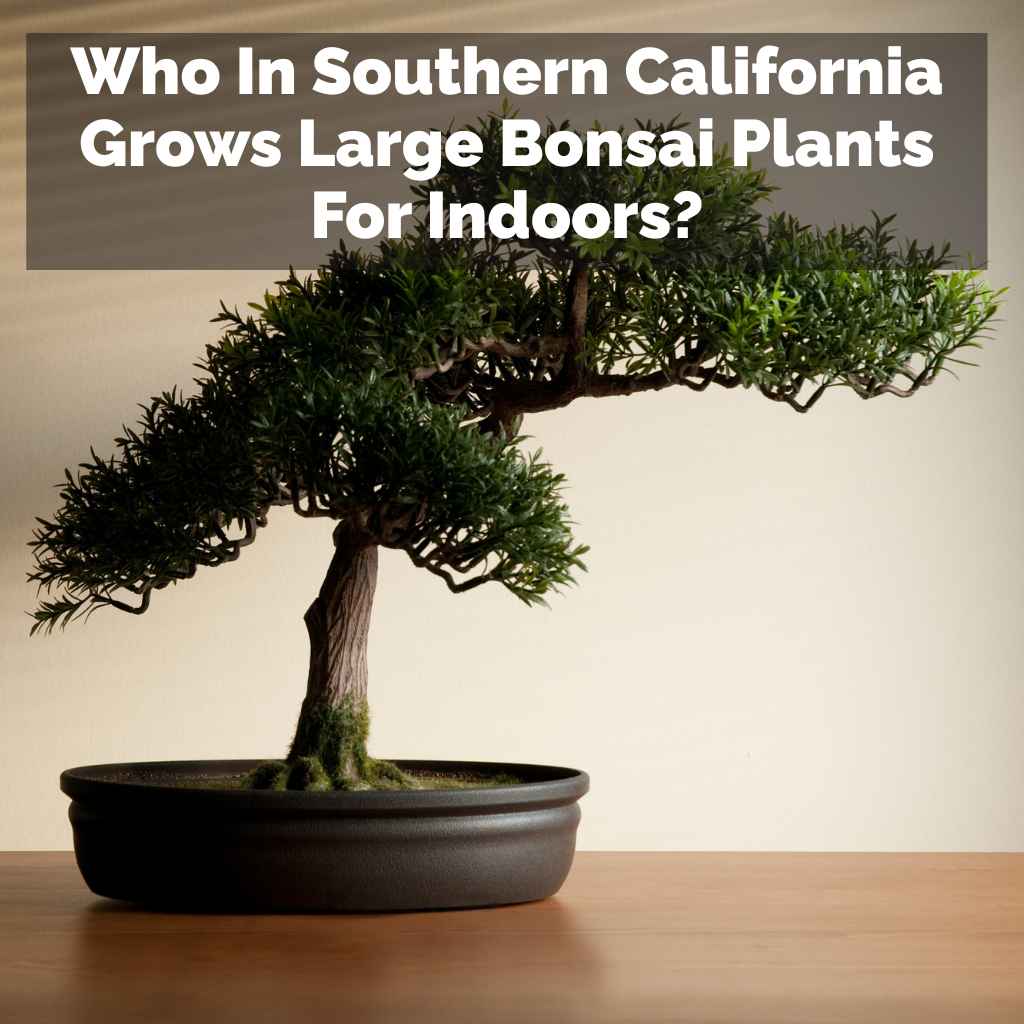
Who In Southern California Grows Large Bonsai Plants For Indoors?
It can feel like a treasure hunt, can’t it? You’re dreaming of a magnificent, mature bonsai tree to grace your indoor space in Southern California. These aren’t the tiny starter trees you see everywhere.
Readers comparing bonsai options may also find What Grows In Mountain Cracks And Thrives As Bonsai? useful before choosing a tree or pot.
You’re looking for something substantial, something with presence. Finding growers who specialize in larger indoor bonsai can be surprisingly tricky. Many shops focus on smaller, more common varieties, leaving you wondering where to turn.
You want a piece of living art, a conversation starter, something that brings the calm and beauty of nature right into your home, but the path to finding it isn’t always clear. This guide is here to help you navigate that path, so you can find that perfect large indoor bonsai you’ve been picturing.
Finding large indoor bonsai plants in Southern California requires knowing specific growers and understanding the unique needs of these mature specimens. This guide helps you locate them and care for your chosen living art piece.
Understanding Large Indoor Bonsai
What exactly makes a bonsai “large” for indoor use? It’s not just about the pot size. It’s about the tree’s overall stature.
Think of trees that have been trained for many years. They have thick trunks. Their branches show age and character.
These trees have developed a strong root system over time. For indoor use, we focus on species that can handle consistent home temperatures. They also need to tolerate lower light levels than outdoor trees.
Many people imagine a towering tree. But for indoors, “large” usually means a tree in a pot that’s 10 inches or more in diameter. Some can even be 15 to 20 inches across.
These are not beginner trees. They need experienced care. They represent a significant commitment.
But the reward is a stunning piece of natural sculpture.
The journey of a large bonsai starts long before it reaches your home. It begins as a seedling or a small cutting. Expert growers then spend years, even decades, shaping its growth.
They use techniques like wiring, pruning, and repotting. This careful cultivation creates the aged appearance. They guide the trunk to thicken and the branches to develop ramification.
Ramification means the fine twigging that makes a tree look full and mature. For indoor varieties, growers select species that naturally adapt well to pot culture. They also choose those that can tolerate the air circulation and humidity levels found inside a house.
This careful selection and training is what makes these larger indoor bonsai so special and often, quite valuable.
Several species stand out as excellent candidates for larger indoor bonsai. Ficus varieties are extremely popular. This is because they are very forgiving.
They tolerate lower light well. They also grow quickly, which can be good for development. Chinese Elm is another excellent choice.
It’s hardy and develops a nice, gnarled bark over time. Jade plants are also commonly trained as bonsai. They are succulents, so they store water.
This makes them forgiving for those who might forget to water sometimes. Schefflera, also known as the Dwarf Umbrella tree, is another good option. Its aerial roots can add unique visual interest.
Finally, some varieties of Fukien Tea are also trained indoors. They produce small white flowers.
The key difference between a large indoor bonsai and its outdoor cousin is resilience. Outdoor bonsai live in conditions that change with the seasons. They get natural rainfall and fluctuating temperatures.
Indoor bonsai, however, must thrive in a controlled environment. This means consistent room temperatures. It also means they rely on you for all their watering and feeding needs.
The air inside a home is often drier than outside. This can be a challenge for some species. Proper humidity management becomes crucial for larger indoor specimens.
They also need the right amount of light, even if it’s indirect. Understanding these unique needs is the first step to successfully owning one.
My First Big Bonsai: A Learning Curve
I remember the day I first saw it. I was at a small nursery, not specifically a bonsai shop. It was tucked away in a corner, almost an afterthought.
It was a Ficus Retusa, maybe 18 inches tall in its pot. The trunk was thick and twisted. It had roots that seemed to crawl over the edge of the ceramic pot.
It looked ancient. I was hooked. At the time, I knew very little about bonsai.
I thought all you had to do was water it. I brought it home, placed it in a sunny window, and felt proud. Then, the leaves started to yellow.
Then, they dropped. Panic set in. I had no idea what I was doing wrong.
The soil stayed wet for days. The air in my apartment felt so dry. It was a humbling experience.
I almost gave up. But I loved its look too much. I started reading everything I could.
I learned about watering techniques. I learned about drainage. I learned about humidity trays.
I learned about light needs. It took months of patient work. But slowly, it started to recover.
New leaves unfurled. It taught me that these beautiful trees are not just decorations. They are living beings.
They need understanding and consistent care. That first big bonsai taught me more than any book could. It taught me about observation and patience.

Finding Growers in Southern California
Now, let’s talk about where you can actually find these magnificent trees in Southern California. It’s not as simple as walking into any garden center. You need to look for specialized nurseries or established bonsai artists.
These are the people who dedicate their lives to cultivating these living sculptures. Many of them have been in business for years. They have a deep understanding of the art form and the specific needs of different species.
Specialized Bonsai Nurseries
What to Look For: Nurseries that explicitly advertise “bonsai” are your first stop. Look for ones that mention “mature specimens” or “larger trees.” They often have a dedicated section for these larger, older trees. Staff should be knowledgeable and able to answer detailed questions.
Why They’re Key: These places are focused. They understand the long-term care. They have the patience to grow trees to this size.
Their inventory reflects this dedication.
When searching, remember that “large” is relative. Some growers might define it as anything over 18 inches tall. Others might consider anything in a 12-inch pot to be large.
It’s best to visit in person if you can. This lets you see the scale and quality firsthand. Talk to the people working there.
Ask about the age of the trees. Inquire about their specific care requirements. A good grower will be happy to share this information.
They want their trees to go to good homes where they will thrive.
The internet is your friend, but verify local options. Search terms like “large bonsai nursery Southern California,” “mature bonsai trees Los Angeles,” or “indoor bonsai artist San Diego” can yield results. Look for nurseries that have professional websites.
Check for customer reviews. Sometimes, a smaller, unpretentious nursery might have a hidden gem. It’s worth exploring local gardening forums or social media groups too.
Enthusiasts often share their favorite spots.
Expert Bonsai Artists & Collectors
What to Look For: Some of the most impressive large bonsai come from private collections or artists who sell directly. This is less common for walk-in traffic but possible through connections.
How to Find Them: Look for local bonsai clubs or societies. Attending their shows or meetings is a great way to meet these individuals. They often have display trees and sell specimens.
Sometimes, they offer consultations or workshops.
These artists have a lifetime of experience. They can often offer unique specimens. Their trees are usually meticulously cared for.
Be prepared that prices from these sources can be higher. This reflects the immense time and skill invested. But the quality is often unparalleled.
You’re not just buying a tree; you’re buying a piece of art cultivated over decades.
Pricing for larger indoor bonsai can vary wildly. A mature Ficus in a nice pot could range from a few hundred dollars to several thousand. The price depends on the species, the age, the styling, the pot quality, and the nursery or artist.
Don’t be afraid to ask about the tree’s history. This can give you a better appreciation for its value. Remember, you’re investing in something that can last a lifetime, even generations, with proper care.
It’s a long-term relationship, not just a purchase.
Online Marketplaces and Shipping
What to Consider: Some reputable online bonsai retailers exist. They may have larger specimens. However, shipping large, delicate trees can be risky and expensive.
Risks and Rewards: While convenient, you can’t inspect the tree in person. Look for sellers with excellent return policies and clear shipping damage protocols. Photos and videos should be very detailed.
Often, local pickup is the safest bet for large specimens.
It’s always best to support local Southern California growers if possible. This helps the local bonsai community thrive. It also allows you to see the tree before you buy.
You build a connection with the seller. You can ask immediate questions about its care. This personal touch is invaluable when acquiring such a significant plant.
Caring for Your Large Indoor Bonsai
Bringing a large indoor bonsai home is exciting. But it also means taking on the responsibility of its long-term health. These mature trees have specific needs.
Meeting them is key to keeping your investment beautiful and thriving for years to come. It’s a commitment, but a rewarding one.
Watering: The Most Crucial Step
How Often: Water when the top inch of soil feels dry to the touch. Do not let the soil dry out completely. Do not keep it constantly soggy either.
For larger pots, this might mean watering every few days to once a week, depending on conditions.
How to Water: Use a watering can with a fine rose or a gentle stream. Water the soil thoroughly until water drains from the bottom holes. This ensures the entire root ball is moistened.
Avoid getting water directly on the leaves if possible, especially in low light.
Overwatering is one of the most common killers of indoor bonsai. It leads to root rot. This is where the roots can no longer absorb water or nutrients.
It’s irreversible. Underwatering is also bad. It causes the leaves to wilt and drop.
You need to find that balance. Stick your finger into the soil. This is the best way to check.
Don’t rely on a schedule alone. Your home’s humidity and temperature affect how quickly the soil dries.
Light Requirements
Ideal Placement: Most large indoor bonsai need bright, indirect light. An east-facing window is often ideal. A south-facing window can work, but may need sheer curtains to filter intense afternoon sun.
West-facing windows can be too hot.
Signs of Trouble: Leggy growth, long spaces between leaves, and pale green leaves often mean insufficient light. If your home doesn’t have enough natural light, consider using grow lights designed for plants.
Many people think bonsai just need a sunny spot. But direct, harsh sun can scorch the leaves. Especially if the tree isn’t acclimated.
Bright, but filtered light is best. Rotate the tree every week or two. This helps ensure all sides get even light.
This promotes even growth. It prevents the tree from leaning towards the light source.
Humidity Management
Why It Matters: Indoor air, especially with heating or air conditioning, can be very dry. Many popular bonsai species prefer higher humidity levels.
How to Increase It: Place the pot on a humidity tray filled with pebbles and water. Ensure the bottom of the pot is not sitting directly in the water. Misting the leaves can offer temporary relief but isn’t a long-term solution.
Grouping plants together can also create a more humid microclimate.
A humidity tray is essential for many indoor bonsai. It creates a moist environment around the tree. This helps prevent leaf tip browning.
It also keeps the foliage looking lush and healthy. If your air is very dry, you might even consider a small room humidifier. This is especially helpful during winter months when heating systems are on.
Fertilizing for Growth
When to Feed: Fertilize during the growing season, which is typically spring through fall. Reduce or stop fertilizing in winter when growth slows.
What to Use: Use a balanced liquid bonsai fertilizer. Dilute it to half strength. Follow the product instructions carefully.
Do not fertilize a stressed or newly repotted tree.
Fertilizing provides the nutrients the tree needs to grow. Since the pot size limits the available soil, regular feeding is important. However, too much fertilizer can burn the roots.
It’s always better to under-fertilize than over-fertilize. Observe your tree. If it looks healthy and is producing new growth, your feeding schedule is likely good.
Pruning and Shaping
Maintenance Pruning: This involves trimming back new growth to maintain the tree’s shape. Do this throughout the growing season. It encourages denser foliage.
It keeps the size in check.
Structural Pruning: This is done less often, usually during dormancy or when the tree is very healthy. It involves removing larger branches to improve the tree’s overall design. Consult with an expert if you are unsure.
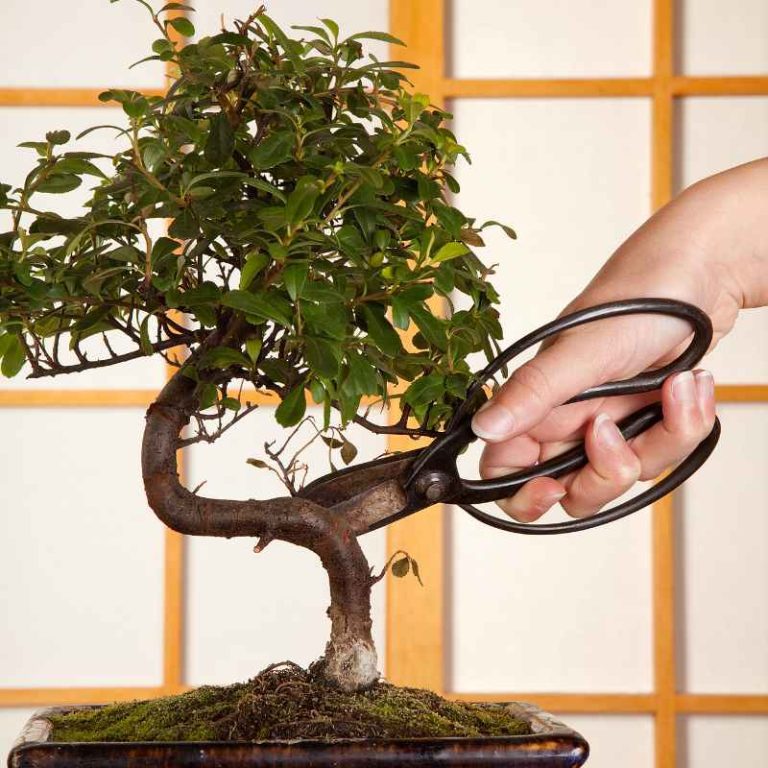
Pruning is what defines a bonsai. For maintenance, use sharp bonsai shears. Cut just above a leaf node.
This encourages new growth in the desired direction. Don’t be afraid to trim. It’s how you keep the tree looking like a miniature version of a full-sized tree.
If you’re unsure about major styling, watch tutorials or attend a workshop. It’s easy to make a mistake that takes years to correct.
Repotting
How Often: Large indoor bonsai typically need repotting every 2-3 years. Young, fast-growing trees might need it more often. Older, slower-growing trees might go longer.
When to Do It: The best time is usually in early spring, just as new growth begins. This allows the tree to recover quickly. You’ll need fresh bonsai soil.
You’ll also need to trim back some of the root mass.
Repotting is essential for healthy root systems. Over time, roots can fill the pot. They can become root-bound.
This restricts water and nutrient uptake. When you repot, you’ll prune away about one-third of the outer root mass. This encourages new feeder roots.
Use a well-draining bonsai soil mix. This is crucial for preventing root rot.
Common Issues with Large Indoor Bonsai
Even with the best care, your large indoor bonsai might face challenges. Understanding these common issues can help you address them quickly before they become serious problems.
Pests
What to Look For: Common pests include spider mites, aphids, mealybugs, and scale. Check the undersides of leaves and new growth regularly.
Solutions: For minor infestations, try wiping pests off with a damp cloth. Insecticidal soap or neem oil can be effective. Ensure good air circulation to deter pests.
Pests love stressed plants. A healthy, well-cared-for bonsai is less susceptible. Early detection is key.
A small infestation is easy to manage. A large one can weaken the tree significantly. If you see any tiny bugs or webbing, act fast.
Leaf Drop
Causes: Sudden leaf drop can be caused by overwatering, underwatering, sudden temperature changes, or poor light. Stress from repotting can also cause temporary leaf drop.
Diagnosis: Check the soil moisture. Assess recent changes in your home’s environment. Is the tree near a draft or a heat source?
Adjust care as needed and be patient.
Leaf drop can be alarming. It’s the plant’s way of reacting to a problem. Think about what might have changed recently.
Was there a power outage that affected your heating/cooling? Did you move the tree? Was watering inconsistent?
Addressing the root cause is more important than the symptom.
Yellowing Leaves
Causes: This can indicate overwatering, poor drainage, nutrient deficiency, or too much direct sun. It can also be a sign of natural aging for older leaves.
Checklist: First, check your watering habits. Ensure the pot has drainage holes. Consider when you last fertilized.
If many leaves are yellowing, it’s a sign something is off.
Yellow leaves often signal that the plant is not getting what it needs, or it’s getting too much of something. It’s your tree’s way of talking to you. Listen carefully.
The soil moisture is the first thing to check. If it’s soggy, you know the issue. If it’s dry, look to other factors like light and feeding.
Root Rot
Symptoms: Wilting leaves despite moist soil, yellowing leaves, and a foul smell from the soil are signs of root rot.
Action: If you suspect root rot, carefully remove the tree from its pot. Trim away any black, mushy roots. Repot in fresh, well-draining soil.
Water sparingly until you see signs of recovery.
Root rot is serious. It happens when roots sit in waterlogged soil. The roots can’t breathe.
They start to decay. The tree can’t take up water. This is why good drainage and proper watering are so vital.
Catching it early is key to saving the tree. Inspecting the roots during repotting is a good preventive measure.
When to Worry and When Not To
It’s normal for bonsai trees to shed some leaves periodically. This is especially true with Ficus trees. They might drop a few leaves when you first bring them home due to the change in environment.
This is called transplant shock. A few yellow leaves now and then, or older leaves at the bottom of the tree turning yellow, is also usually not a cause for alarm. It’s just natural leaf turnover.
You should start to worry if you see widespread yellowing. Or if the leaves are wilting dramatically. If the soil stays soggy for days.
If you notice tiny insects all over the plant. If the bark looks like it’s peeling excessively. These are signs that something more serious might be happening.
At that point, it’s time to do some detective work. Check the soil moisture, look for pests, and assess the environment.
For larger indoor bonsai, patience is your greatest ally. These trees have been growing for years. They won’t bounce back overnight if they experience a setback.
Give them time. Make consistent adjustments to their care. Observe them closely.
You will learn to read their signals. This deepens the connection you have with your living art.
The Long-Term Relationship with Your Bonsai
Owning a large indoor bonsai is much like having a pet or a long-term relationship. It requires consistent attention and understanding. It’s not a plant you can set and forget.
The rewards, however, are immense. You have a living piece of art that evolves over time. It brings tranquility and a connection to nature into your home.
Southern California has a dedicated community of bonsai enthusiasts. Seek them out. Learn from them.
These connections can provide invaluable support. They can offer advice specific to your climate and home environment. They can also be a source of inspiration.
Seeing what others have achieved with their trees can be motivating.
Remember that every bonsai is unique. Your Ficus will have different needs than a friend’s Chinese Elm. The best approach is always to learn about your specific tree species.
Pay attention to how your tree responds to your care. You will become an expert in your own bonsai’s needs.
Frequently Asked Questions About Large Indoor Bonsai
Where can I find large indoor bonsai plants in Southern California?
You can find large indoor bonsai plants at specialized bonsai nurseries throughout Southern California. Look for growers who advertise mature or large specimen trees. Online searches for “bonsai nursery Southern California” or visiting local bonsai club shows can also lead you to reputable growers and artists.
What are the best species for large indoor bonsai?
Excellent choices for large indoor bonsai include Ficus varieties (like Retusa or Benghalensis), Chinese Elm, Jade plants (Crassula ovata), Schefflera, and Fukien Tea. These species are generally forgiving and adapt well to indoor conditions.
How often should I water a large indoor bonsai?
Water your large indoor bonsai when the top inch of soil feels dry to the touch. This could be anywhere from every few days to once a week, depending on your home’s environment. Always water thoroughly until water drains from the bottom.
Do large indoor bonsai need direct sunlight?
No, most large indoor bonsai prefer bright, indirect light. Direct, harsh sunlight can scorch their leaves. An east-facing window or a spot with filtered light from a south-facing window is often ideal.
What is transplant shock for a bonsai tree?
Transplant shock is when a bonsai tree experiences stress after being moved to a new environment or repotted. This can cause temporary leaf drop or yellowing. With proper care and patience, the tree usually recovers.
How often should I fertilize my large indoor bonsai?
Fertilize your large indoor bonsai during its growing season (spring through fall) with a balanced liquid bonsai fertilizer diluted to half strength. Reduce or stop fertilizing in winter when growth slows. Do not fertilize stressed trees.
Can I prune my large indoor bonsai myself?
Yes, you can do maintenance pruning to keep your large indoor bonsai’s shape. Use sharp shears to trim new growth. For structural pruning or if you’re unsure, it’s best to consult with an experienced bonsai artist or attend a workshop.
Conclusion
Finding and caring for a large indoor bonsai in Southern California is a journey. It requires dedication and a willingness to learn. But the beauty and tranquility these mature trees bring are truly unparalleled.
By connecting with the right growers and understanding their unique needs, you can bring a magnificent piece of living art into your home for years to come.