Can Potting Soil With Miracle-Gro Actually Work for Bonsai?
Using potting soil with Miracle-Gro for bonsai is a common shortcut many beginners try, but the results are often disappointing. This post explains why standard potting mix fails for bonsai, what happens to your tree, and which soils actually work.

Miracle-Gro
Miracle-Gro Potting Mix, 16 qt. (2-Pack) |…
- FEEDS UP TO 6 MONTHS: Miracle-Gro Potting Mix is a gardening soil for outdoor containers that feeds all types of potted plants, in…
- PROMOTES GROWTH: This potting soil for outdoor plants Grows Plants Twice As Big! (vs. unfed plants)
- WHERE TO USE: Use this home gardening product with all types of outdoor container plants, including annual and perennial flowers,…
As an Amazon Associate I earn from qualifying purchases.
Simply put, potting soil with Miracle-Gro is not suitable for bonsai. It retains too much water, compacts quickly, and lacks the coarse drainage bonsai roots need. Using it will likely lead to root rot, poor growth, or tree death. Stick to a well-draining bonsai-specific mix.
Key Takeaways
- Potting soil with Miracle-Gro holds excessive moisture, which suffocates bonsai roots.
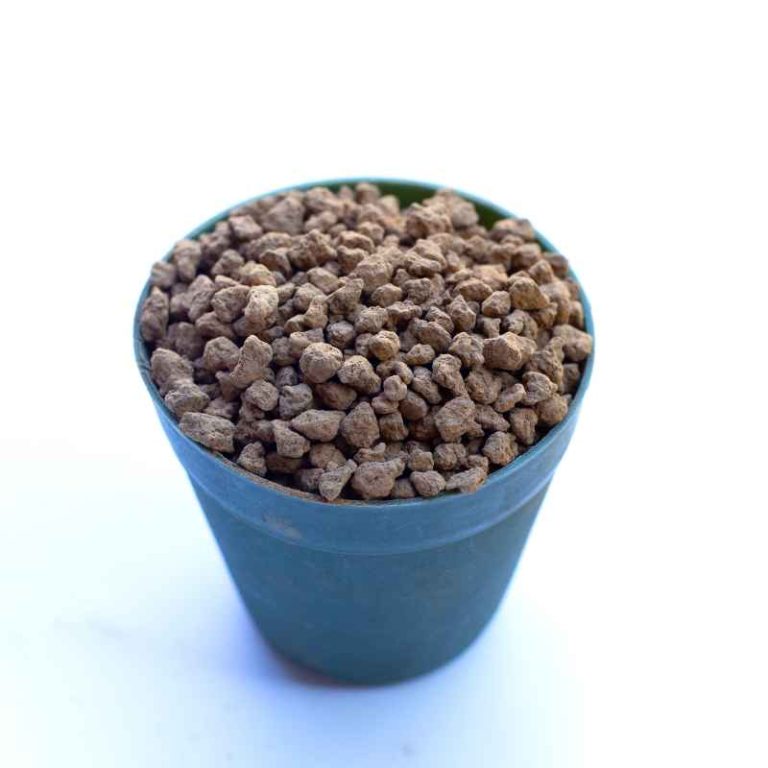
- Bonsai require a fast-draining, inorganic substrate like akadama, pumice, or lava rock.
- The fertilizers in Miracle-Gro potting soil are not formulated for the specific needs of bonsai trees.
- Using standard potting mix shortens the lifespan of your bonsai and makes it vulnerable to disease.
- Investing in proper bonsai soil is cheaper in the long run than replacing dead trees.

What Makes Bonsai Soil Different from Regular Potting Soil?
Bonsai trees live in small containers with limited root space. The soil must drain quickly while still retaining enough moisture and oxygen for healthy roots. Regular potting soil with Miracle-Gro is designed for garden plants in larger pots or ground beds, where excess water can spread out.
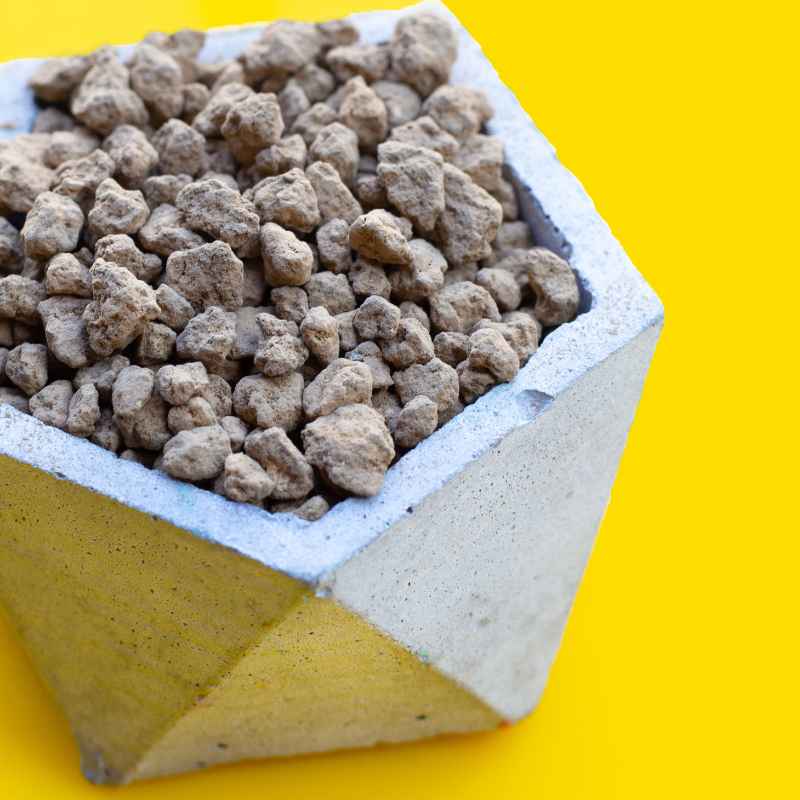
Bonsai soil typically consists of particles that are ¼ to ⅜ inch in size, creating air pockets between them. These particles do not break down quickly, maintaining drainage over years. In contrast, peat-based potting mix compacts into a dense, wet mass within months.
Key Differences at a Glance
- Particle size: Bonsai soil uses coarse particles (2-8 mm); potting soil uses fine particles.
- Water retention: Potting soil holds water like a sponge; bonsai soil drains freely.
- Aeration: Bonsai soil has 30-40% air space; potting soil has less than 10% after compaction.
- Nutrients: Bonsai soil is almost inert; potting soil contains fertilizers that can burn roots.
- Longevity: Bonsai soil stays stable for 1-2 years; potting soil degrades in months.
The differences are not minor — they are fundamental. Using potting soil with Miracle-Gro for bonsai is like putting highway tires on a race car; it simply won’t perform.
Why Miracle-Gro Potting Soil Damages Bonsai Roots
Miracle-Gro potting soil is formulated for moisture-loving plants like flowers and vegetables. It contains peat moss, perlite, and slow-release fertilizer. For bonsai, these ingredients create a deadly combination.
When water is added, the peat moss swells and holds moisture against the roots for days. Bonsai roots need oxygen between waterings, but in this dense mix, oxygen is quickly depleted. Anaerobic bacteria then multiply, causing root rot.
| Factor | Potting Soil with Miracle-Gro | Proper Bonsai Soil |
|---|---|---|
| Water drainage | Slow & poor | Fast & excellent |
| Air retention | Minimal after wetting | High (30-40% air space) |
| Fertilizer content | High, unpredictable release | None (you control feeding) |
| pH level | Slightly acidic (5.5-6.5) | Neutral to slightly acidic |
| Compaction over time | Becomes dense brick | Stable for years |
The table shows that potting soil fails in every critical category. Even if you try to mix potting soil with Miracle-Gro with perlite or sand, the peat base still holds too much water and breaks down too fast.
Warning: Do not attempt to “fix” Miracle-Gro potting soil by adding more drainage materials. The peat base will still decompose and compact, suffocating roots within 6–12 months.
How Potting Soil with Miracle-Gro Affects Different Bonsai Species
Not all bonsai trees have the same tolerance for wet soil. Some species, like junipers and pines, are extremely sensitive to overwatering. Others, like Chinese elm or ficus, can survive a bit of moisture but will still struggle in dense potting mix.
Here is how common bonsai species react to potting soil with Miracle-Gro:
- Junipers: Die quickly from root rot within 2–4 weeks in wet soil.
- Pines: Need sharp drainage; yellow needles appear within weeks.
- Japanese maple: Leaves wilt and drop; roots suffocate.
- Ficus: May survive longer, but growth slows and roots stay waterlogged.
- Chinese elm: Tolerant but still suffers from leaf drop and weak growth.
The bottom line: potting soil with Miracle-Gro stresses every species. The only “success” you might see is temporary growth from the fertilizer salts, but it’s like a sugar rush — followed by a crash.
What Do Bonsai Experts and Studies Say?
Bonsai professionals and horticultural researchers overwhelmingly recommend against using regular potting soils. A study by the University of Florida IFAS Extension notes that “bonsai require a soil mix that provides rapid drainage and high oxygen content, which is the opposite of standard potting mixes.”
According to the American Bonsai Society, over 90% of beginner bonsai failures are due to improper watering and soil choice. Using potting soil with Miracle-Gro is the most common mistake.
Tip: If you already have a bonsai planted in Miracle-Gro potting soil, repot it immediately into proper bonsai soil. Remove as much old soil as possible without damaging roots, then use a mix of 50% akadama, 25% pumice, and 25% lava rock.
Experts also warn about the chemical fertilizers in Miracle-Gro. These are formulated for rapid growth in annuals, not for the slow, controlled growth desired in bonsai. The salts can accumulate and burn root tips, especially in small pots.
What Is the Best Soil for Bonsai Instead?
The ideal bonsai soil is an inorganic, granular mix that drains instantly but retains enough water between waterings. There is no single formula, but most experts use a combination of three components.
Common Bonsai Soil Components
| Component | Role | Best For |
|---|---|---|
| Akadama | Retains water & nutrients, breaks down slowly | Most deciduous trees |
| Pumice | High aeration, good water retention | All species, especially pines |
| Lava rock | Excellent drainage, anchors roots | Conifers, drought-tolerant trees |
| Diatomaceous earth | Good alternative to akadama | Budget-friendly option |
| Gravel/sand | Adds weight, improves drainage | Bottom layer only |
A standard mix for most bonsai is 1:1:1 of akadama, pumice, and lava rock. For conifers, reduce akadama to increase drainage. For tropicals, add slightly more akadama to hold moisture.
You can also buy pre-mixed bonsai soil from specialty brands like Tinyroots, Bonsai Jack, or Amazon. These are ready to use and avoid the pitfalls of potting soil with Miracle-Gro.
What Should You Do If You Already Used Potting Soil with Miracle-Gro?
If you have already planted a bonsai in Miracle-Gro potting soil, don’t panic — but act quickly. The sooner you repot, the better the chance of saving your tree.
- Remove the tree from the pot gently. Use a chopstick to loosen the soil.
- Rinse the roots with lukewarm water to wash away as much potting soil as possible.
- Trim any black or mushy roots with clean scissors. These are rotting and will spread disease.
- Prepare proper bonsai soil (akadama, pumice, lava rock) or a store-bought mix.
- Repot the tree, ensuring no air pockets remain. Water thoroughly once.
- Place in a shaded area for 2–3 weeks to recover. Do not fertilize for at least a month.
Important: Repotting during active growth (spring or early summer) gives the tree the best chance. Never repot a tree that is already stressed from extreme heat, cold, or disease.
After repotting, monitor the tree closely for signs of recovery: new buds, firm leaves, and healthy root tips. It may take several months before you see improvement. Avoid using any fertilizer until the tree has established new roots in the proper soil.
Can You Blend Potting Soil with Bonsai Soil as a Compromise?
Some growers attempt to mix potting soil with Miracle-Gro with bonsai soil to save money. This is not recommended. Even a small amount of potting soil introduces organic matter that breaks down, clogs drainage, and promotes fungi.
The table below shows what happens with even a 20% blend:
| Blend Ratio | Drainage After 3 Months | Root Health | Verdict |
|---|---|---|---|
| 100% bonsai soil | Excellent | Healthy, white roots | Best |
| 80% bonsai + 20% potting soil | Moderate (declining) | Some browning | Risky |
| 50% bonsai + 50% potting soil | Poor | Root rot likely | Not recommended |
| 100% potting soil | Very poor | Root rot certain | Avoid at all costs |
As the table shows, any amount of potting soil with Miracle-Gro compromises the mix. The peat breaks down within a few months, turning your bonsai soil into mud. The fertilizer salts also accumulate unevenly, causing hot spots that burn roots.
Tip: If budget is a concern, use diatomaceous earth (sold as unscented cat litter) as a cheap alternative to akadama. Sieve it to 2-6 mm particles. It works almost as well and costs a fraction of the price.

Frequently Asked Questions
Can I use Miracle-Gro potting soil for bonsai if I add extra perlite?
Adding perlite improves drainage temporarily, but the base peat still decomposes and compacts within a few months. Perlite also floats to the surface over time. This is not a reliable solution for long-term bonsai health.
What happens if I water less when using potting soil with Miracle-Gro?
Watering less only reduces the amount of oxygen available because the soil stays wet longer. Bonsai roots need a wet-dry cycle, not constantly damp soil. You’ll end up with either root rot (overwater) or drought stress (underwater).
Is there any bonsai species that can survive in Miracle-Gro potting soil?
No species thrives in it. Some tropical varieties like ficus or jade plants may survive longer, but they will not grow well and are more prone to pests and diseases. Even hardy species like Chinese elm show stunted growth.
Can I reuse Miracle-Gro potting soil after removing the fertilizer?
No. Even if you leach out the fertilizer, the physical structure of the soil (peat, perlite, compost) is still unsuitable. The peat will continue to break down and compact.
Proper bonsai soil must be granular and stable.
How much does proper bonsai soil cost compared to potting soil?
Proper bonsai soil costs about $10–$20 per quart, while a bag of Miracle-Gro potting soil costs around $5 for 8 quarts. However, a quart of bonsai soil lasts for several repottings, while the potting soil kills your tree. The real cost is the value of your bonsai — proper soil is cheaper in the long run.
Final Thoughts
Potting soil with Miracle-Gro is not a viable option for bonsai. Its water-retentive, decomposing nature suffocates roots and promotes rot. Bonsai require a coarse, inorganic soil that drains instantly and stays open for years.
If you want a healthy, long-lived tree, invest in proper bonsai soil. Your tree will repay you with vigorous growth and beautiful form.
Related pick: Check today's price on Amazon