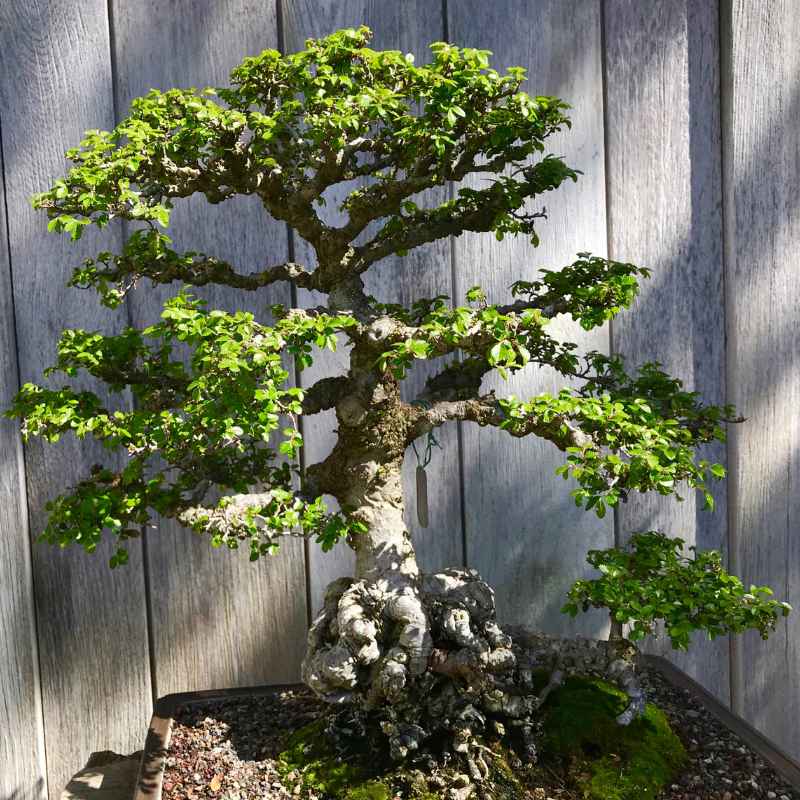
How Much Humidity Does A Chinese Elm Bonsai Tree Need?
Chinese elm bonsai trees thrive in moderate to high humidity environments. They prefer relative humidity levels between 50% and 70%. Consistent moisture in the air is more important than sharp spikes. Proper air circulation is also vital to prevent fungal issues in higher humidity.
Understanding Chinese Elm Humidity Needs
Chinese elms (Ulmus parvifolia) are quite adaptable. They come from regions with varying weather. This means they can handle a range of conditions.
For another bonsai-specific follow-up, Is Moisture Control Miracle-Gro Potting Mix Good For Bonsai? gives readers a related care or selection angle.
For watering and moisture setup, How to Increase Humidity for Plants Without a Humidifier gives a useful next step.
Readers comparing bonsai options may also find How Much Sunlight Does a Fukien Tea Bonsai Tree Need Daily? useful before choosing a tree or pot.
However, they truly flourish when the air around them is moist. Think of the natural environment where these trees grow. It often has dew in the mornings.
It might have misty days. This is the kind of moisture they love.
Humidity is the amount of water vapor in the air. When the air is dry, the tree loses water faster. This happens through its leaves.
It’s like your own skin drying out on a hot, dry day. For a bonsai, this water loss can be a big problem. It can lead to weak growth.
It can even cause leaves to turn brown and fall off.
So, why is this so important for a small tree like a bonsai? Bonsai trees live in small pots. Their soil dries out faster than if they were in the ground.
They don’t have a large root system to draw water from far away. This makes them very sensitive to the air around them. The air’s moisture level plays a big role.
It helps balance how much water the tree uses and takes up.
My Own Chinese Elm Humidity Struggle
I remember when I first got my Chinese elm bonsai. It was beautiful, with tiny leaves and a strong trunk. I placed it by a sunny window.
I watered it when the soil felt dry. But after a few weeks, I noticed a problem. The tips of some leaves started to turn brown.
Then they would crisp up and fall off. I was so worried. I thought I was doing everything right.
I checked the soil moisture. It was good. I made sure it got enough sun.
It wasn’t too hot or too cold in my apartment. What was I missing? I started doing a lot of research.
I read about different bonsai needs. That’s when I stumbled upon the importance of humidity. My apartment has forced air heating in the winter.
It’s very dry then. In the summer, the air conditioning can also dry things out.
I realized my little elm was likely suffering from dry air. It was losing water faster than it could replace it. I felt a mix of frustration and a little bit of panic.
My beautiful tree was struggling, and I didn’t know why for sure. This pushed me to understand the invisible factors affecting my plant. Humidity was a big one.
It’s something you can’t always see or feel easily.
Why Humidity Matters for Bonsai
Air Moisture: Humidity is water in the air.
Water Loss: Dry air makes leaves lose water fast.
Root System: Small bonsai pots dry out quick.
Tree Health: Proper humidity helps leaves stay green. It supports new growth.
The Ideal Humidity Range Explained
So, what is the “sweet spot” for humidity? For Chinese elms, most experts agree. They like relative humidity between 50% and 70%.
Relative humidity is a measure. It shows how much water vapor is in the air compared to the maximum it can hold. This range is considered moderate to high.
It mimics the natural, more humid environments where these trees grow.
Why this specific range? Below 50%, the air starts to get too dry. The tree begins to struggle.
Its leaves might droop. Browning of leaf edges can occur. Growth can slow down significantly.
Above 70%, especially if there isn’t good airflow, problems can arise. You might see fungal diseases. These can damage the leaves and branches.
So, consistency within that 50-70% range is key.
It’s not just about hitting a number. It’s about keeping it steady. Big swings from very dry to very humid can stress the tree.
Imagine wearing clothes that are sometimes soaking wet and then bone dry all day. It wouldn’t feel good. Your bonsai feels something similar.
A stable environment is much better for its long-term health.
Measuring Humidity in Your Home
How do you know if your home is too dry or too humid? You need a tool. It’s called a hygrometer.
This is a small device. It measures the relative humidity in the air. You can find them easily online or at garden stores.
They are usually very affordable. Some also measure temperature.
Place the hygrometer near your bonsai. Don’t put it right next to a humidifier. Give it a spot where it can read the general air in the room.
Check it regularly. This will give you a clear picture. You’ll know if you need to take steps to change the humidity.
Knowing the number is the first step. It helps you make smart decisions for your tree.
Quick Humidity Check
Tool: Use a hygrometer.
Placement: Put it near your bonsai.
Readings: Check often to know your air.
Target: Aim for 50-70% relative humidity.
Practical Ways to Increase Humidity
Okay, so your hygrometer shows your home is too dry. What can you do? There are several easy methods.
You don’t need a fancy setup. Many people use simple trays.
The most common method is the humidity tray. Get a shallow tray. Fill it with pebbles or gravel.
Then, add water to the tray. Make sure the water level is below the top of the pebbles. Place your bonsai pot on top of the pebbles.
The water will evaporate. This creates a humid microclimate around your tree. This is very effective for single trees.
Another option is to group your plants together. Plants release moisture through a process called transpiration. When you group them, they create a more humid environment for each other.
It’s like a little plant community. This works best if you have several plants. It can help raise the humidity level in a small area.
You can also mist your bonsai. Some people do this daily. However, misting alone is usually not enough.
The water on the leaves evaporates quickly. It provides only a very temporary boost. Plus, constantly wetting the leaves can sometimes encourage fungal growth if airflow is poor.
Use misting as a supplement, not your main humidity strategy.
If you have many bonsai or a very dry home, a humidifier might be a good investment. You can get small ones for desks or larger ones for a room. Place it near your bonsai.
Set it to maintain the desired humidity level. Always follow the manufacturer’s instructions.
Boosting Humidity – Top Tips
- Humidity Tray: Tray + pebbles + water + pot on top.
- Plant Grouping: Place plants close together.
- Misting: Light, temporary boost. Use carefully.
- Humidifier: For larger spaces or very dry air.
Considering Environmental Factors
Your location and the season play a big part in humidity. In the U.S., coastal areas and the South tend to be naturally more humid. Inland areas, especially in the West or Midwest, can be much drier.
Winter is often the biggest challenge. This is when many homes use heating systems. Furnaces and heaters dry out the air significantly.
You might see humidity levels drop to 20% or even lower. This is a critical time to monitor and boost humidity for your Chinese elm.
Summer can also present challenges. While outdoor humidity might be high, air conditioning can dry out indoor air considerably. So, don’t assume your indoor space is humid just because it’s summer.
Always check with your hygrometer.
Real-World Scenarios: When Humidity is Crucial
Let’s think about specific times when humidity is extra important for your Chinese elm.
New Bonsai: When you first get a new bonsai tree, it needs time to adjust to its new home. This means you should be extra mindful of its environment. Increasing humidity can help reduce transplant shock.
It allows the tree to focus on recovering.
After Repotting: Repotting is stressful for any plant. The roots are disturbed. They need to recover and start growing again.
Higher humidity helps the leaves stay hydrated. This gives the roots time to heal and establish themselves without the extra burden of excessive water loss from the foliage.
When Leaves Look Dry or Crispy: If you notice the edges of your Chinese elm’s leaves turning brown and crispy, this is a classic sign of low humidity. The air is simply pulling too much moisture from the leaves.
During Rest Periods: While Chinese elms don’t have a severe dormancy period like some temperate trees, they do slow down growth in cooler months. Even during this slower period, maintaining adequate humidity helps keep the foliage healthy and prevents dieback.
Key Times for Humidity Boost
New Tree: Helps it settle in.
Repotting: Aids root recovery.
Dry Leaves: Directly addresses crisping.
Cooler Months: Supports foliage when heating is on.
When Humidity Becomes a Problem
While low humidity is a common issue, too much humidity can also cause trouble. This is especially true if you have poor air circulation.
Fungal Diseases: High humidity combined with stagnant air creates a perfect breeding ground for fungi. Powdery mildew is a common problem. It looks like white powder on the leaves.
Other fungal spots can also appear.
Root Rot: If the soil stays too wet for too long due to high humidity and poor drainage, the roots can suffer. They need oxygen. When they are constantly saturated, they can begin to rot.
This is usually fatal for a bonsai.
Mold: Mold can grow on the soil surface or even on the bark of the tree if conditions are consistently damp and stagnant.
The key to avoiding these problems is good airflow. Make sure your bonsai is in a spot where air can move around it. If you are using a humidifier or humidity tray, ensure the room isn’t sealed off.
Opening a window periodically or using a small fan can help.
Balancing Humidity and Airflow
This is a crucial point for Chinese elm bonsai. You need enough humidity, but you also need fresh air. Think of it as a dance between moisture and movement.
Airflow: Good air circulation helps in several ways. It prevents moisture from sitting stagnant on leaves. This reduces the risk of fungal issues.
It also helps the soil dry out a bit between waterings. This prevents waterlogging.
How to Improve Airflow:
- Don’t crowd your bonsai. Give it space from other plants or objects.
- Avoid placing it in a tight corner or a very enclosed space.
- If your room is very still, consider a small, gentle fan. You can run it on low for a few hours a day. Direct it so it doesn’t blow directly on the tree constantly. Just aim to move the air in the room.
When you use a humidity tray, the water evaporates. This adds moisture. If the air is still, that moist air can build up around the tree.
This is why placing it in a spot with some natural draft is good. Or, as mentioned, using a gentle fan.
Monitoring Your Tree’s Reaction
Your Chinese elm will tell you what it needs. You just have to watch closely.
Signs of Too Little Humidity:
- Crispy, brown leaf edges.
- Leaves curling or drooping.
- Yellowing leaves that fall off.
- Slowed or stopped growth.
- Buds drying out before opening.
Signs of Too Much Humidity (with poor airflow):
- White powdery spots on leaves (powdery mildew).
- Dark spots on leaves.
- Soft, mushy new growth.
- Mold on the soil surface.
It’s a balance. If you see one set of symptoms, you adjust. If you are boosting humidity and start seeing fungal issues, you might need to reduce humidity a little or improve airflow.
If you are in a dry climate and notice crispy leaves, you know it’s time to add a humidity tray or mist.
Common Myths About Bonsai Humidity
There are a lot of ideas floating around about bonsai care. Not all of them are accurate.
Myth: Misting is enough for humidity.
As we discussed, misting provides only a very temporary boost. It’s not a substitute for consistent humidity. Relying only on misting will likely lead to problems in drier environments.
Myth: You can never have too much humidity.
This is dangerous. Too much humidity, especially without good airflow, can lead to serious fungal diseases. It can also create conditions for root rot.
A balanced environment is always best.
Myth: All bonsai need the same humidity.
This isn’t true. Different species come from different native climates. A tropical bonsai will need higher humidity than a temperate climate bonsai.
Chinese elms are quite forgiving, but they still have preferences. Always research the specific needs of your tree species.
Humidity Mythbusters
Myth: Misting alone is sufficient.
Reality: Misting is a temporary aid, not a solution.
Myth: More humidity is always better.
Reality: Too much humidity can cause fungal issues and root rot.
Myth: All bonsai have identical humidity needs.
Reality: Humidity needs vary by species and native climate.
What This Means for Your Chinese Elm
Understanding humidity needs helps you be a better bonsai parent. It means your tree will look healthier. It will grow better.
It will be more resistant to pests and diseases. You’ll also feel more confident in your care.
Knowing the target range (50-70%) gives you a goal. Using a hygrometer shows you where you stand. Simple tools like humidity trays can make a big difference.
Paying attention to the seasons and your home’s climate is important.
The main takeaway is that consistency is king. Aim for a steady level of humidity. Watch your tree for clues.
Adjust your methods as needed. Don’t be afraid to experiment a little to find what works best in your specific home environment.
Quick Tips for Maintaining Humidity
Here are some easy-to-remember tips for keeping your Chinese elm happy with humidity.
- Get a Hygrometer: You can’t manage what you don’t measure.
- Use a Humidity Tray: This is a simple, effective tool for individual trees.
- Location Matters: Avoid placing your bonsai in very dry spots, like right next to a heating vent.
- Group Plants: If you have other plants, place them near your bonsai.
- Observe Your Tree: Look for signs of dryness or dampness. Your tree will tell you if something is wrong.
- Ensure Airflow: Don’t forget to let fresh air circulate.
Frequently Asked Questions About Chinese Elm Humidity
What is the ideal humidity for a Chinese elm bonsai?
Chinese elm bonsai trees prefer relative humidity levels between 50% and 70%. This range provides a good balance, mimicking their natural environment without promoting excessive fungal growth if airflow is adequate.
How can I increase humidity around my bonsai tree?
You can increase humidity using a humidity tray filled with pebbles and water, grouping plants together, or using a room humidifier. Misting can offer a temporary boost but is usually not enough on its own.
My Chinese elm leaves are turning brown and crispy. What does this mean?
Brown, crispy leaf edges are a common sign of low humidity. The dry air is causing the tree to lose moisture from its leaves faster than it can be replenished. Increasing humidity levels should help.
Is it bad if my bonsai is in high humidity all the time?
High humidity can be problematic if there is poor air circulation. It can create an environment where fungal diseases and mold thrive. Ensuring good airflow is as important as maintaining humidity.
Do I need a special humidifier for my bonsai?
You don’t necessarily need a “special” bonsai humidifier. A standard room humidifier can work effectively. Just ensure it’s placed appropriately and set to maintain the desired humidity level for your tree.
How often should I check the humidity level?
It’s a good practice to check humidity levels daily, especially when first trying to establish the right conditions or during seasonal changes like winter heating or summer air conditioning. Regular checks help you make timely adjustments.
Final Thoughts on Humidity
Caring for a Chinese elm bonsai is a rewarding journey. Understanding its humidity needs is a key part of that. It’s not about perfection, but about observation and adjustment.
Your tree will thrive with consistent, appropriate moisture in the air. Happy growing!