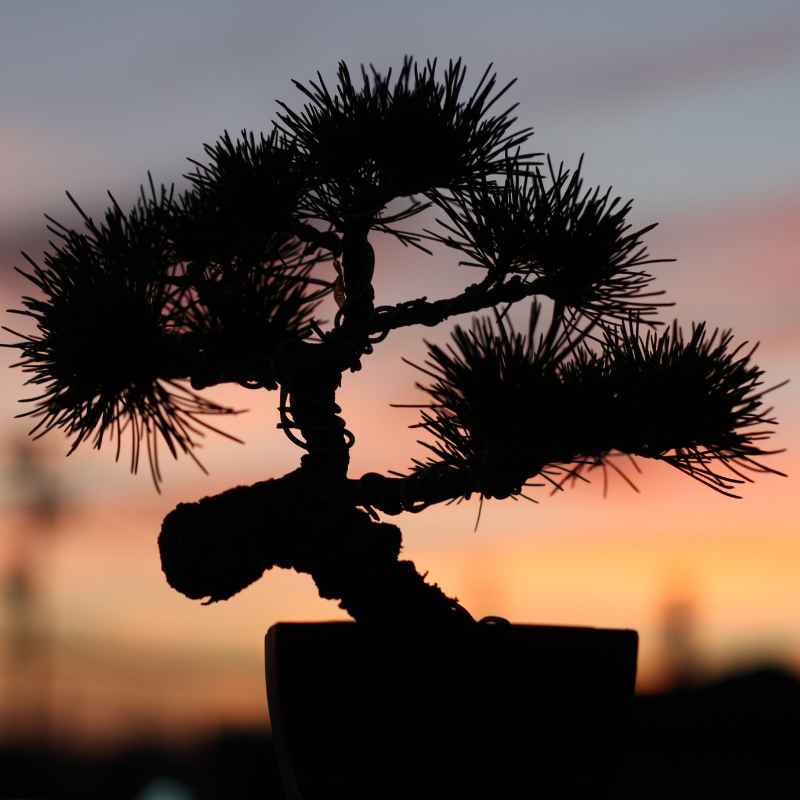
How to Plant Japanese Black Pine Bonsai Seeds Effectively
Planting Japanese black pine bonsai seeds is a rewarding way to start your own miniature tree from the very beginning. This guide walks you through every step from seed stratification to early training so you can grow a healthy, beautiful bonsai.

Japanese Maples and Evergreens
Banshosho Japanese Black Pine 2 - Year…
- Highly sought after by Bonsai enthusiasts!
- Very unique form of Japanese Black Pine!
- Compact and dense, branches are upright with thin needles give a bottle brush appearance to the branches!
As an Amazon Associate I earn from qualifying purchases.
Simply put, success lies in mimicking nature: cold stratify seeds, use well-draining soil, provide strong light, and water carefully. With patience and proper technique, you can grow a strong Japanese black pine bonsai from seed in just a few seasons.
Key Takeaways
- Planting Japanese black pine bonsai seeds requires cold stratification for 4–6 weeks to break dormancy.
- Use a sandy, well-draining bonsai soil mix and sow seeds shallowly (¼ inch deep).
- Provide full sun and consistent moisture without waterlogging to avoid damping-off.
- Transplant seedlings after 1–2 years into training pots and begin basic shaping.
- Expect a minimum of 5–7 years before your tree looks like a mature bonsai.
What You Need to Plant Japanese Black Pine Bonsai Seeds
Before you start, gather the right materials. Japanese black pine (Pinus thunbergii) seeds require specific conditions to germinate and grow strong. You don’t need expensive gear, but you must get the basics right.
Here is what you will need:
- Fresh seeds – Buy from a reputable bonsai nursery. Old seeds have low germination rates.
- Refrigerator – For cold stratification. A consistent 35–40°F (2–4°C) is ideal.
- Sand or vermiculite – To hold moisture during stratification.
- Small pots or seedling trays – With drainage holes. Avoid pots that are too deep.
- Bonsai soil mix – A blend of akadama, pumice, and lava rock (or a substitute like coarse sand and peat).
- Spray bottle – For gentle watering without disturbing seeds.
- Grow light or sunny windowsill – Full sun after germination is critical.
A simple table comparing seed sources can help you choose.
| Seed Source | Pros | Cons |
|---|---|---|
| Specialty bonsai nurseries | High germination, known cultivars | More expensive |
| Online seed retailers | Wide selection, lower cost | Variable quality, possible old stock |
| Foraged from mature trees (with permission) | Free, locally adapted | Low yield, unpredictable genetics |
Choose seeds that are plump and dark. Avoid any that look shriveled or are light brown. If you buy online, check reviews for germination rates.
Step 1: Stratify the Seeds for Germination
Japanese black pine seeds have a natural dormancy that must be broken by cold, moist conditions. Skipping this step means almost zero germination. Stratification mimics winter before spring growth.
Here is the process:
- Soak seeds in room-temperature water for 24 hours. Discard any that float – they are empty.
- Mix seeds with damp sand or vermiculite (not wet – just moist enough to clump when squeezed).
- Place mixture in a sealed plastic bag or container. Label with date.
- Refrigerate at 35–40°F (2–4°C) for 4 to 6 weeks. Do not freeze.
- Check weekly for mold. Open the bag for 5 minutes to refresh air if needed.
Important: Stratification temperature is critical. Too warm (above 45°F) and seeds may rot. Too cold (below freezing) and they die. Use a fridge thermometer to confirm.
After 4 weeks, check if a few seeds have cracked or started to sprout. That is your signal to sow. If none have cracked, wait another week.
You can store stratified seeds in the fridge for up to 3 months, but germination rates drop after 8 weeks.
Tip: Some growers use a 24-hour soak in a diluted hydrogen peroxide solution (1 part 3% H₂O₂ to 10 parts water) before stratification to reduce mold risk.
Step 2: Prepare the Growing Medium and Containers
Japanese black pine seedlings need excellent drainage. A heavy, water-retentive soil will lead to damping-off – a fungal disease that kills seedlings at soil level.
Use a bonsai-specific mix or make your own. Here is a simple recipe:
- 40% akadama (or calcined clay)
- 40% pumice (or coarse perlite)
- 20% lava rock (or coarse sand)
If you cannot find these, use a mix of 50% coarse sand and 50% peat moss or composted pine bark. Sift out fine particles. The goal is a loose, gritty texture that drains quickly but holds some moisture.
Choose containers that are 3–4 inches deep with drainage holes. Shallow seed trays are better than deep pots because roots need to stay warm. Sterilize pots with a 10% bleach solution to kill pathogens.
| Soil Component | Function | Alternatives |
|---|---|---|
| Akadama | Holds moisture and nutrients | Calcined clay (oil-dry), cat litter (non-clumping) |
| Pumice | Aeration, root penetration | Perlite, coarse river sand |
| Lava rock | Drainage, stability | Gravel, granite grit |
Fill containers with soil, tapping to settle. Water thoroughly before sowing to ensure even moisture.
Step 3: Sow the Seeds Correctly
Once stratified, remove seeds from the bag. Handle them gently – the radicle (embryonic root) may already be starting to emerge.
Sow seeds following these steps:
- Make shallow furrows about ¼ inch (6 mm) deep in the soil. Use a chopstick or pencil.
- Place one seed per furrow – space seeds 1.5–2 inches apart to allow initial root growth without competition.
- Cover seeds lightly with fine soil or sand. Press down gently to ensure contact.
- Mist the surface with a spray bottle until moist. Do not water heavily – seeds can wash away.
- Cover the container with a clear plastic dome or plastic wrap to retain humidity. Remove cover for 15 minutes daily to prevent mold.
Warning: Do not bury seeds deeper than ½ inch. Japanese black pine seeds need light to germinate. Deep planting drastically reduces emergence.
Place the container in a bright spot but out of direct sunlight until seeds germinate. Ideal temperature for germination is 65–75°F (18–24°C). A heat mat set to 70°F can speed things.
Step 4: Provide Proper Light, Water, and Temperature
Germination typically takes 14–30 days. Once the first green shoots (cotyledons) appear, give them strong light immediately. Without enough light, seedlings become leggy and weak.
Key care requirements:
- Light: Full sun or 14–16 hours under a grow light. A south-facing window works, but supplement with a fluorescent or LED grow light in winter.
- Water: Keep soil evenly moist but not soggy. Water from the bottom by placing trays in a shallow dish of water for 10 minutes, then drain. Top watering can disturb delicate stems.
- Temperature: 60–75°F (15–24°C) during day, slightly cooler at night. Avoid drafts.
- Air circulation: A small fan on low helps prevent fungal diseases. Do not blow directly on seedlings.
Fertilize only after the second set of true needles appear (usually 8–12 weeks). Use a liquid bonsai fertilizer diluted to half strength, once every two weeks during the growing season.
Tip: Seedlings that are too wet or too shaded often develop damping-off. If you see stems turning brown at the base, remove affected seedlings immediately and improve air flow.
According to the American Bonsai Society, approximately 30% of seeds may fail due to environmental stress. Careful monitoring in the first 8 weeks greatly improves survival.
Step 5: Transplant Seedlings and Begin Training
Japanese black pine seedlings grow slowly at first. Keep them in the seed container for the first growing season (spring to autumn). The following spring, they are ready for their first transplant.
When to transplant:
- Seedlings have 4–6 true needle clusters.
- The main stem is at least 3 inches tall.
- Roots are visible at the drainage holes.
Transplant steps:
- Gently remove the seedling from the tray. Loosen soil around the root ball carefully.
- Trim any damaged or circling roots. Keep the taproot intact – it provides stability.
- Place in a small training pot (4–6 inches wide) with fresh bonsai soil. Position the seedling slightly off-center for future style.
- Water thoroughly and keep in bright shade for 1 week to recover, then move to full sun.
After transplanting, you can start basic training. Insert a bamboo stake and gently tie the trunk to encourage a slight curve. Do not prune the top for at least two years – let the tree grow to thicken the trunk.
Important: The first three years are all about building a strong root system and thick trunk. Resist the urge to prune heavily. Let the tree grow freely during spring and summer.
Common Mistakes When Growing from Seed
Many beginners fail with Japanese black pine seeds because of a few avoidable errors. Recognize these pitfalls to improve your success rate.
- Skipping stratification – Without cold treatment, seeds remain dormant. Only 1–5% will germinate naturally.
- Overwatering – Soggy soil leads to root rot and damping-off. Let the surface dry slightly between waterings.
- Poor light after germination – Seedlings placed in indirect light become pale and weak. Use a grow light if natural sun is inadequate.
- Planting too deep – Seeds need light to trigger germination. Burying them more than ½ inch kills chances.
- Fertilizing too early – Newly germinated seedlings do not need fertilizer until true needles form. Early feeding can burn roots.
- Not hardening off seedlings – If you start indoors, gradually introduce seedlings to outdoor conditions over 7–10 days to prevent shock.
Warning: Do not use garden soil or regular potting mix. They hold too much water and lack the drainage pine roots require. Always use a gritty bonsai mix.
A study from the National Bonsai Foundation notes that home growers who use proper stratification techniques see 70–80% germination rates, compared to less than 10% without it.
How Long Until Your Bonsai Is Mature?
Japanese black pine is a slow-growing species. From seed to a tree that resembles a mature bonsai, you need years of patience.
Here is a general timeline:
- 1–2 years: Seedling grows to 4–8 inches tall, develops a small trunk. No styling.
- 3–5 years: Trunk thickens to pencil-thickness. Basic wiring and shaping begin. First cut for taper.
- 5–7 years: Tree reaches 10–18 inches. More aggressive pruning and wiring. Bark starts to flake.
- 7–10 years: Tree looks like a young bonsai with defined branches and some bark character.
- 10–15 years: Mature bonsai appearance with thick trunk, rough bark, and refined branching.
Tip: Speed up trunk thickening by planting seedlings in the ground or in large containers (grow boxes) for the first 3–4 years. This technique, called “ground growing,” can cut years off the timeline.
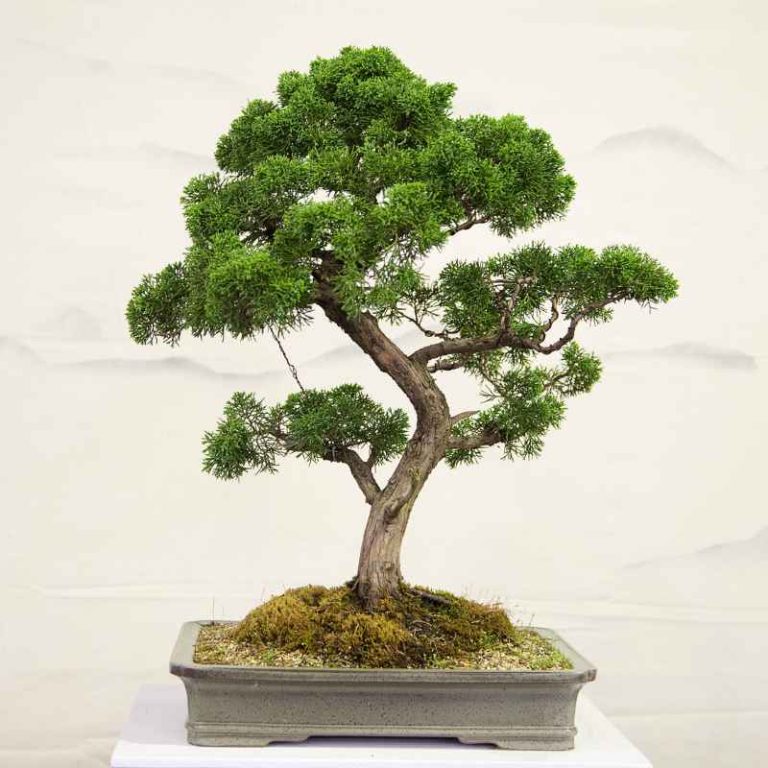
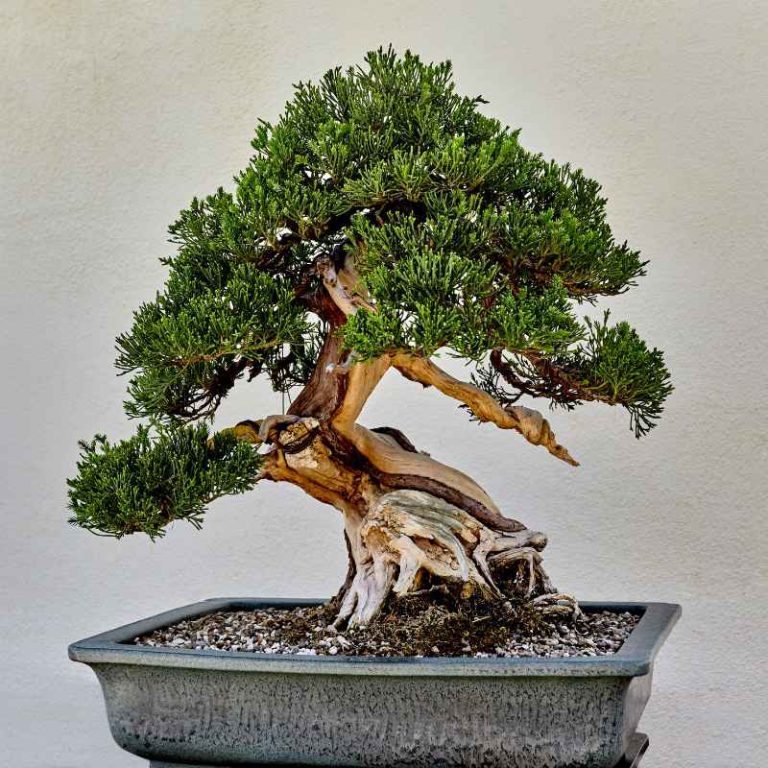
The Japanese black pine is known for its resilience and elegant, windswept look. Many bonsai masters consider it one of the most rewarding species to grow from seed.
Frequently Asked Questions
How long does it take for Japanese black pine seeds to germinate?
Germination typically occurs 14 to 30 days after sowing, provided the seeds have been properly cold-stratified and kept at 65–75°F. Some seeds may take up to 6 weeks if conditions are not optimal.
Can I plant Japanese black pine seeds without stratification?
You can try, but the germination rate will be very low – often below 5%. Cold stratification mimics the winter dormancy the seeds need to break their natural cycle and is strongly recommended for reliable results.
What is the best soil for Japanese black pine seedlings?
A well-draining bonsai mix of akadala (or calcined clay), pumice, and lava rock is best. Avoid garden soil or heavy potting mix. The soil must drain quickly to prevent damping-off and root rot.
When should I repot my Japanese black pine seedling?
Repot seedlings in early spring after their first full year of growth. Look for roots emerging from drainage holes and at least 4–6 needle clusters. Use a shallow training pot with fresh bonsai soil.
Why are my Japanese black pine seedlings turning yellow?
Yellowing needles often indicate overwatering, poor drainage, or insufficient light. Check soil moisture and move seedlings to a brighter spot. If the base of the stem is brown and mushy, damping-off may be present – improve air circulation immediately.
Final Thoughts
Planting Japanese black pine bonsai seeds requires patience and attention to detail, but the payoff is immense. Start with proper stratification, use a gritty soil mix, and give your seedlings plenty of light. Avoid common mistakes like overwatering and early pruning.
With consistent care, you can watch your miniature tree develop into a beautiful bonsai over the years.
Related pick: Check today's price on Amazon