How to Revive a Dead Japanese Juniper Bonsai (Works!)
The Japanese juniper bonsai , with its intricate foliage and elegant structure, is a living testament to patience, artistry, and horticultural mastery. Yet, even for experienced growers, the distressing sight of a bonsai that appears lifeless—yellowing needles, brittle branches, or a faded trunk—can spark panic.
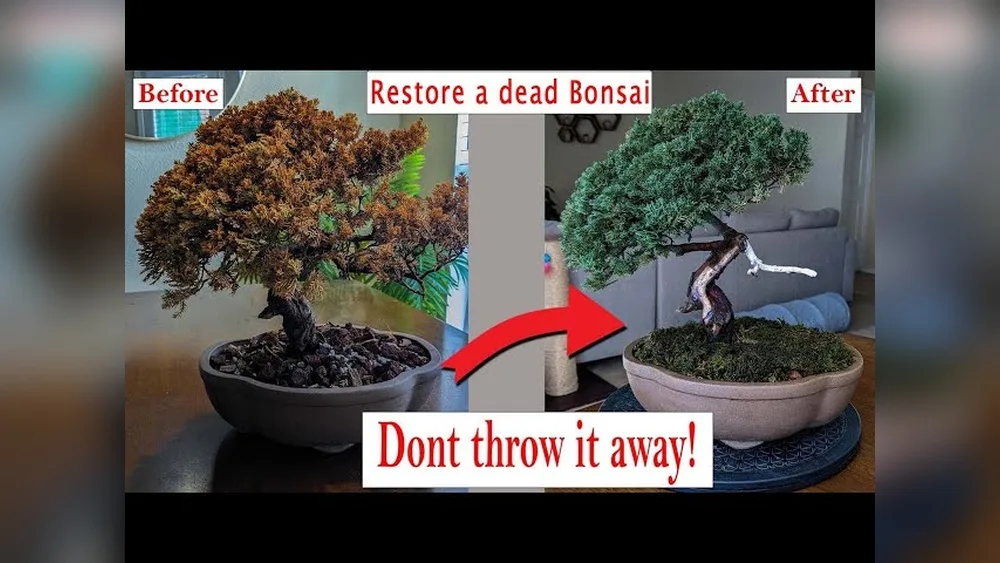
But before you consign your cherished bonsai to the compost heap, know that revival is often possible, even for specimens that seem beyond hope. With the right strategy, a careful eye, and proven techniques, many “dead” Japanese juniper bonsai trees can be coaxed back to vibrant life.
This article provides a comprehensive, step-by-step guide to reviving a dead Japanese juniper bonsai . Drawing from expert practices, scientific research, and real-world success stories, we’ll walk you through diagnosis, actionable revival methods, aftercare, and preventive strategies—ensuring your bonsai not only survives but thrives for years to come.
Key Takeaways
- Early diagnosis of distress signs is crucial to successful bonsai revival.
- Systematic revival techniques—including root pruning, soil replacement, and humidity control—significantly increase survival chances.
- Real-world examples demonstrate that even severely stressed junipers can recover with proper care.
- Ongoing aftercare and preventive maintenance are essential for long-term bonsai health.
- Comparing revival methods helps select the best approach for your tree’s condition.
- Expert resources and community support can guide you through challenging recovery cases.

Credit: www.youtube.com
Understanding Japanese Juniper Bonsai Health
A deep understanding of the Japanese juniper’s biology and environmental needs forms the foundation for any revival effort. Recognizing the unique characteristics of this species is the first step toward effective recovery.
Key Biological Characteristics
The Japanese juniper (Juniperus procumbens or Juniperus chinensis) is a hardy conifer renowned for its resilience and adaptability. Its needle-like foliage, woody stems, and slow growth make it a favorite for bonsai enthusiasts. However, it remains sensitive to improper care.
- Photosynthesis: Junipers require a good amount of sunlight to sustain their energy needs. Insufficient light weakens the tree and makes it susceptible to pests and diseases. Sunlight is also crucial for maintaining vibrant foliage color.
- Root System: The juniper’s root system is shallow and spreads close to the surface, which is ideal for bonsai cultivation but also exposes the plant to risks like root rot from excess moisture or root burn from fertilizer buildup. These roots absorb nutrients quickly but are less tolerant of prolonged wetness.
- Dormancy: Junipers enter a dormant phase during colder months, slowing or pausing growth. This is a natural process, often leading to a temporary dullness in foliage color and reduced water uptake. Dormancy should never be confused with death, as the tree conserves energy to survive winter.
Optimal Growing Conditions
- Light: Japanese junipers thrive when they receive at least 4–6 hours of direct sunlight each day. Morning sun is preferable, especially in hotter climates, as afternoon sun can scorch delicate foliage.
- Humidity: Moderate to high humidity is beneficial, especially during active growth in spring and summer. Dry indoor air or excessive wind can lead to dehydration, browning needles, and overall decline.
- Soil: A fast-draining bonsai mix is critical. The ideal blend often includes akadama, pumice, and lava rock. These components retain just enough moisture for root uptake while preventing stagnation that leads to rot.
- Watering: Watering frequency should be dictated by the soil’s moisture content rather than a set schedule. Allow the upper layer of soil to dry between waterings, but never let the root ball completely dry out.
Common Stress Factors
Understanding what causes distress is vital for both prevention and intervention.
- Overwatering: The leading cause of root rot, especially in non-porous containers or poor soil mixes. Juniper roots are particularly prone to suffocation in waterlogged soil.
- Underwatering: Failing to provide adequate water leads to dehydration. Signs include needle browning, leaf drop, and ultimately, branch dieback.
- Improper Lighting: Placement in dim or overly shaded areas can cause weak, leggy growth and loss of foliage, while excessive direct sunlight, especially during hot afternoons, can burn needles.
- Pest Infestations: Japanese junipers are susceptible to pests like spider mites, aphids, and scale insects. These pests drain sap and introduce toxins, leading to yellowing or stippled foliage.
- Nutrient Deficiency: Poor soil or lack of fertilization starves the tree of essential nutrients, resulting in pale, stunted growth. Balanced feeding during the growing season is essential.
Additional Stress Considerations
- Temperature Fluctuations: Sudden temperature drops or excessive heat can shock the tree, resulting in leaf browning or dieback.
- Wind Exposure: Strong winds can dry out foliage and soil rapidly, leading to dehydration.
- Transplant Shock: Repotting or major pruning can stress a juniper, especially if done outside the ideal time frame (early spring).
Signs Of Life Versus Death
Distinguishing between a dead and a dormant or stressed bonsai is critical:
- Scratch Test: Gently scratch the bark of the trunk or a branch with your fingernail or a small knife. If the tissue underneath is green and moist, the branch is alive. Brown, dry tissue indicates death.
- Flexible Branches: Living branches will flex and bend slightly before breaking. Dead branches are brittle and snap cleanly with little resistance.
- Foliage Color: While brown, crispy needles are usually a bad sign, some junipers can recover from partial browning if the underlying twigs remain green and pliable. Watch for subtle tinges of green or gray in the foliage, which often signals life.
.jpg)
Credit: bonsai4me.com
Diagnosing A “dead” Japanese Juniper Bonsai
Careful diagnosis determines whether revival is possible and guides the selection of techniques. Rushing to drastic measures without proper assessment can do more harm than good.
Visual And Physical Assessment
Begin with a systematic examination:
- Check Trunk and Branch Color
- Gently scratch the bark on several branches and the main trunk. If you find green or yellowish cambium under the bark, there’s still life in the tree. If all areas are brown and dry, the tissue is likely dead.
- Pay special attention to lower branches and the trunk base, as they often retain life longer than upper, thinner branches.
- Inspect Foliage
- Examine the color, texture, and attachment of the needles. Pliable, green, or even grayish needles can recover with proper care. Needles that are dry, brown, and fall off at a touch typically indicate irreversible damage.
- Note any signs of pest activity, such as stippling, webbing, or sticky residue.
- Test Root Health
- Carefully remove the bonsai from its pot, preserving as much of the root ball as possible.
- Healthy roots are white or light tan, firm, and smell earthy. Rotting roots appear brown, black, mushy, and may emit a foul odor.
- Gently probe deeper into the root mass, as some living roots may be found even if surface roots appear damaged.
Additional Diagnostic Tips
- Use a magnifying glass to inspect for tiny pests or fungal growth.
- Check for splits or cracks in the trunk, which may indicate severe dehydration.
- Observe the soil for mold, algae, or standing water, all signs of poor drainage.
Common Symptoms And Causes Table
| Symptom | Likely Cause | Revival Potential |
|---|---|---|
| Yellowing needles | Overwatering, poor drainage | High if caught early |
| Brittle branches | Severe dehydration, frost damage | Moderate to low |
| Foliage drop | Shock, pest infestation | Moderate |
| Mushy roots | Root rot | Low unless root pruning succeeds |
| Gray trunk but green cambium | Dormancy, mild stress | Very high |
Deciding When To Revive
If significant green cambium or healthy roots are present, revival is possible. Even if only a portion of the tree shows life, the living tissue can serve as a foundation for regrowth. It’s important to act promptly, as prolonged stress reduces the likelihood of recovery. If all major branches and roots are brown and brittle, recovery is unlikely. When in doubt, attempt revival for several weeks before giving up, as some junipers can surprise you with delayed signs of recovery.
Consulting Resources
For ambiguous cases, consult expert forums such as Bonsai Nut or local bonsai clubs for additional opinions. Sharing clear photos can help experts guide you. Videos of your inspection process can also reveal issues you might have missed.

Credit: www.youtube.com
Step-by-step Revival Process
Once you’ve determined your juniper bonsai has a fighting chance, follow this structured revival plan. Each step is designed to minimize further stress and maximize recovery.
Step 1: Immediate Triage
- Remove from direct sun if foliage is brown and crispy; place in bright, indirect light to reduce further moisture loss and sunburn.
- Isolate from other plants to prevent the spread of potential pests or diseases. This is especially important if you suspect fungal or insect problems.
- Cease fertilizing until active growth resumes. Fertilizer can stress a recovering tree and burn delicate roots.
Additional Immediate Actions
- Lightly mist the trunk and branches if the environment is dry, but avoid saturating the soil.
- Remove any fallen debris from the soil surface to reduce pathogen risk.
Step 2: Root Care And Pruning
Inspect And Prune Roots
- Gently unpot the bonsai and wash away old soil using lukewarm water. Be careful not to damage fragile roots.
- Trim away all mushy, blackened, or foul-smelling roots with sterilized scissors or shears. Cut back to healthy, firm tissue. Always disinfect tools between cuts to prevent spreading disease.
- Retain only firm, white, or tan roots. Even a small number of healthy roots can sustain the tree during recovery.
Repot In Fresh Soil
- Use a fast-draining mix: Akadama, pumice, and lava rock are ideal in equal parts. This combination provides stability, aeration, and appropriate moisture retention.
- Avoid ordinary garden soil, which retains too much moisture and can harbor pathogens.
- Pot the tree in a container with excellent drainage holes. Consider adding a mesh screen at the base to prevent soil loss and improve airflow.
Additional Root Care Tips
- Dust cut root ends with powdered sulfur or a mild fungicide to prevent infection.
- Do not over-prune roots; remove only what is necessary to eliminate rot.
Step 3: Foliage And Branch Pruning
- Remove all dead or fully brown branches. This reduces the energy burden on the tree and improves airflow.
- Prune only what’s necessary to reduce stress; retain as much living tissue as possible to support recovery. Over-pruning can reduce the tree’s ability to photosynthesize and further weaken it.
- Do not wire or aggressively shape during recovery; allow the tree to focus on healing and new growth.
Additional Pruning Guidance
- Use sharp, sterilized scissors to make clean cuts.
- Seal larger cuts with bonsai cut paste to minimize infection risk.
Step 4: Watering And Humidity Control
- Water thoroughly after repotting, ensuring water flows freely from drainage holes.
- Allow the soil to dry slightly before the next watering; overwatering at this stage can be fatal.
- Mist foliage lightly (if green needles remain) to boost humidity, especially in dry indoor environments.
- Avoid waterlogging at all costs. Use a chopstick inserted in the soil to check moisture at the root level.
Humidity Enhancement Methods
- Place the pot on a humidity tray filled with water and pebbles, ensuring the pot itself does not sit directly in water.
- Use a room humidifier during dry seasons or if the tree is kept indoors.
Step 5: Environmental Optimization
- Place in a location with bright, filtered light. Avoid harsh midday sun, which can scorch weakened foliage.
- Maintain temperatures between 60–75°F (15–24°C), as junipers recover best in mild, stable conditions.
- Use a humidity tray or room humidifier if indoors to maintain optimal humidity levels.
Additional Environmental Controls
- Avoid sudden environmental changes, such as drastic temperature shifts or rapid increases in light exposure.
- Shield the bonsai from drafts, strong wind, or air conditioning vents, which can cause dehydration.
Step 6: Monitor And Adjust
- Check for signs of new growth weekly, such as swelling buds or soft green shoots.
- Watch for pests, which often attack weakened trees. Look for webbing, sticky residue, or tiny crawling insects.
- Resume light fertilization only after vigorous growth returns. Use a diluted, balanced fertilizer to avoid overfeeding.
Advanced Monitoring Tips
- Keep detailed notes on watering frequency, environmental conditions, and visible changes.
- Photograph the tree weekly to monitor subtle progress.
Revival Timeline Table
| Revival Stage | Timeframe | Expected Outcome |
|---|---|---|
| Initial triage & pruning | Day 1–2 | Stabilization, stop further decline |
| Repotting & watering | Day 2–3 | Root health assessment |
| Monitoring phase | Weeks 1–6 | Possible new growth, recovery signs |
| Resumption of fertilizing | Month 2+ | Vigorous growth, long-term health |
When To Seek Expert Help
If no improvement is seen after 6–8 weeks, or additional symptoms arise (e. g. , persistent root rot odor, fungal growth), consult a certified bonsai professional or horticultural extension office. Bringing the entire bonsai or detailed photos to a nursery can help diagnose rare or complex issues.
Real-world Revival Success Stories
Learning from practical examples provides hope and valuable insights. Here are three real-world cases where dedicated effort brought “dead” Japanese juniper bonsai back to life.
Case Study 1: Severe Root Rot Recovery
Situation: A bonsai enthusiast in Seattle noticed all needles turning yellow and dropping rapidly. On inspection, 80% of roots were blackened and mushy.
Actions Taken:
- Removed all dead roots and repotted in a 50: 50 akadama-pumice mix to maximize drainage and aeration.
- Pruned back all brown branches, focusing on saving any that still flexed or showed green cambium.
- Kept the bonsai in high humidity with indirect light. Used a humidity tray and misted daily.
Outcome: After 4 weeks, tiny green buds appeared on surviving branches. By the end of the season, the tree had a healthy flush of new growth. The owner continued diligent monitoring and gradually reintroduced the bonsai to outdoor conditions the following year.
Case Study 2: Winter Shock Survival
Situation: An outdoor Japanese juniper bonsai was exposed to an unexpected freeze. Needles turned gray and brittle, and growth halted.
Actions Taken:
- Moved the bonsai to a sheltered porch, protecting it from further frost.
- Pruned dead branches in spring, focusing on saving any living tissue detected via scratch test.
- Watered only when soil was dry to the touch, avoiding overwatering during dormancy.
Outcome: The following spring, new shoots emerged from several branches, and the tree regained its signature blue-green hue. The owner adjusted future care by providing winter protection and mulching the pot.
Case Study 3: Pest Infestation Turnaround
Situation: A collector in California discovered a scale insect outbreak after noticing sticky residue and yellowing foliage.
Actions Taken:
- Washed foliage with insecticidal soap, repeating treatment weekly for a month.
- Removed infested branches and improved air circulation around the bonsai.
- Closely monitored for recurrence, using yellow sticky traps as an early warning system.
Outcome: Within two months, the bonsai showed strong new growth, and no pests returned. Preventive measures, including regular inspections and seasonal sprays, kept the tree pest-free in subsequent years.
Lessons Learned
- Early intervention is key to survival; delays can mean irreversible damage.
- Proper pruning and root care are essential for halting decline and stimulating regrowth.
- Patience is critical; recovery can take months, not weeks, especially for trees that have lost most of their foliage or roots.
Comparing Revival Methods And Tools
Choosing the best revival tools and methods can be daunting. The following table compares the most common approaches for Japanese juniper bonsai recovery, based on effectiveness, cost, and ease of use.
| Revival Method | Effectiveness | Difficulty | Estimated Cost | Best For |
|---|---|---|---|---|
| Root pruning & repotting | Very high | Moderate | $20–50 | Root rot, waterlogging |
| Humidity domes/trays | High | Easy | $10–30 | Dehydration, indoor recovery |
| Insecticidal soap | High | Easy | $10–15 | Pest infestations |
| Fungicide treatment | Moderate | Easy | $15–25 | Fungal root rot |
| Professional consultation | Varies | Easy | $50–100 | Complex or severe cases |
Tool Recommendations
- Sterilized pruning shears for precise, clean cuts to prevent disease spread.
- Chopsticks for gently removing old soil from roots without causing damage.
- Humidity domes for small trees in critical condition, maintaining a stable moisture environment.
- Organic fungicide for post-pruning root protection, especially after root rot.
Additional Tools
- Root hooks for untangling root balls gently.
- Bonsai wire for future shaping, once the tree has recovered.
- Mesh screens to cover drainage holes and improve soil stability.
Method Selection Tips
- Always start with the least invasive method, such as adjusting watering or light.
- Escalate to root pruning and repotting if initial interventions fail to halt decline.
- For valuable specimens, consult resources like the American Bonsai Society or seek out a local bonsai mentor.
Cost-saving Suggestions
- Make your own humidity trays with shallow dishes and aquarium gravel.
- Use household rubbing alcohol for tool sterilization.
Aftercare And Long-term Recovery
Revival doesn’t end when new growth appears. Proper aftercare ensures your Japanese juniper bonsai regains full vigor and resists future stress.
Watering And Fertilization
- Watering: Stick to the “soak and dry” method—water thoroughly, then allow the top inch of soil to dry before watering again. Use a moisture meter if unsure.
- Fertilization: Use a balanced, slow-release bonsai fertilizer. Start at half strength once active growth resumes, gradually increasing as the tree recovers. Avoid high-nitrogen fertilizers, which can promote weak, leggy growth.
Advanced Fertilization Tips
- Apply organic liquid fertilizer monthly during the growing season for gentle, sustained feeding.
- Monitor foliage for signs of overfertilization (leaf burn, yellowing tips).
Pest And Disease Monitoring
- Inspect foliage and stems weekly for signs of pests (webbing, sticky residue, distorted growth).
- Treat any recurrence immediately with appropriate controls, such as neem oil or insecticidal soap.
- Remove fallen leaves and debris from the soil surface to minimize disease risk.
Preventive Health Practices
- Rotate your bonsai for even light exposure and to discourage pest colonization on shaded areas.
- Quarantine new plants before introducing them to your collection.
Light And Temperature Management
- Gradually reintroduce the bonsai to direct sunlight over several weeks, increasing exposure by an hour each week.
- Protect from extreme heat or cold during the first growing season after revival. Use shade cloth or move the bonsai indoors during heatwaves or cold snaps.
Seasonal Adjustment Strategies
- Move bonsai to a sheltered location during storms or high winds.
- Provide winter mulch or insulation for outdoor trees in cold climates.
Pruning And Styling
- Refrain from heavy styling or wiring for 6–12 months post-revival to prevent additional stress.
- Prune only to remove dead or weak growth, encouraging healthy shoots.
- Shape gradually as the tree regains strength, using light wiring or clip-and-grow techniques.
Styling Patience
- Focus on building a strong root system and foliage mass before attempting dramatic design changes.
- Use gentle ties or support to direct new growth during recovery.
Preventive Measures Table
| Preventive Action | Benefit | Frequency |
|---|---|---|
| Use fast-draining soil mix | Prevents root rot | Every repotting |
| Check roots annually | Early detection of problems | Yearly |
| Seasonal pest control | Reduces infestation risk | Spring and summer |
| Gradual acclimatization to light | Prevents sunburn | After recovery |
Documentation And Community Engagement
- Keep a bonsai journal to track interventions, environmental conditions, and progress. Note watering, fertilization, repotting dates, and any visible changes.
- Engage with online communities like Bonsai Empire for support and advice. Sharing your experience can help others learn and may attract valuable feedback from seasoned growers.
- Share before/after photos to contribute to collective knowledge and inspire others facing similar challenges.
Preventing Future Bonsai “deaths”
Prevention is always preferable to cure. With ongoing diligence, you can ensure your Japanese juniper bonsai remains healthy and resilient.
Routine Maintenance Checklist
- Inspect foliage and roots monthly. Look for early signs of stress, pest activity, or root issues.
- Maintain consistent watering habits. Adjust frequency with the seasons and environment.
- Fertilize during active growth (spring through fall). Use balanced, slow-release or organic options.
- Repot every 2–3 years using fresh soil. This prevents soil compaction and renews nutrients.
- Protect from extreme weather. Provide shade, windbreaks, or winter insulation as needed.
Additional Maintenance Tips
- Clean pots and tools thoroughly before use.
- Rotate the tree for even growth and light exposure.
- Replace broken or damaged pots promptly to avoid root injury.
Early Warning Signs
- Wilting or discoloration signals water or nutrient issues. Address promptly to prevent escalation.
- Stunted growth may indicate rootbound conditions or nutrient deficiency.
- Presence of pests requires immediate action. Early treatment is more effective and less stressful for the tree.
Environmental Monitoring
- Use a digital thermometer and hygrometer to track temperature and humidity.
- Observe leaf color and texture as indirect indicators of health.
Resource Recommendations
For additional guidance, refer to:
- Wikipedia: Bonsai for historical context and basic care.
- The Royal Horticultural Society for species-specific advice.
- Local bonsai societies for hands-on support and workshops.
- Bonsai books like “The Complete Book of Bonsai” by Harry Tomlinson for in-depth techniques.
Online Learning
- Watch video tutorials on reputable YouTube channels, such as Bonsai Mirai and Herons Bonsai.
- Join social media groups for real-time Q&A and inspiration.
Investing In Quality Tools
High-quality bonsai tools make routine care easier and more effective. Look for stainless steel pruning shears, root hooks, and mesh screens from reputable suppliers. Well-maintained tools produce cleaner cuts, reduce disease risk, and last for years.
Tool Care Tips
- Clean and disinfect tools after each use.
- Store tools in a dry, cool place to prevent rust.
The Value Of Patience
Remember, even with optimal care, a revived bonsai may take a full growing season or more to regain its former glory. Celebrate small victories, such as the appearance of new buds, as signs of progress. Bonsai is an art of patience—rushing the process can set back recovery or undo hard-won gains.
Mindset For Bonsai Success
- View each setback as a learning opportunity.
- Enjoy the process of nurturing your tree, not just the result.
Frequently Asked Questions
How Do I Know If My Japanese Juniper Bonsai Is Truly Dead?
A bonsai is considered dead if all branches and roots are brown, brittle, and lack any green cambium when the bark is gently scratched. However, dormant or stressed trees may appear lifeless but can recover if green tissue is present.
Always perform a scratch test and inspect roots before declaring the tree dead.
Can I Revive A Bonsai With No Leaves Or Needles?
Yes, revival is possible if the branches and roots are still alive (i. e. , flexible with green cambium). Many junipers survive after losing all foliage due to shock or stress. Focus on root care, environmental optimization, and patience. If the wood is entirely dry and brittle, recovery is unlikely.
How Long Does The Revival Process Take?
Revival timelines vary based on the severity of damage and the tree’s environment. Initial stabilization can occur within weeks, but full recovery and regrowth may require several months or even an entire growing season. Consistent care and monitoring are essential.
What Should I Do If My Revived Bonsai Gets Pests Again?
If pests return, act immediately by isolating the tree and using appropriate treatments, such as insecticidal soap or neem oil. Improve air circulation and monitor neighboring plants for signs of infestation. Persistent issues may require systemic insecticides or consultation with a bonsai professional.
Is It Better To Repot My Bonsai During Revival, Or Wait Until It’s Stronger?
If root rot or soil problems are present, immediate repotting is recommended to prevent further decline. Use a fast-draining mix and prune only dead roots. For less severe cases, wait until early spring—the optimal repotting season for Japanese junipers—when the tree is naturally more resilient.
Reviving a “dead” Japanese juniper bonsai is a test of observation, technique, and patience. Armed with the right knowledge and tools, many growers have turned apparent disasters into inspiring success stories. By understanding your tree’s needs, acting decisively at the first sign of trouble, and committing to long-term care, you can enjoy the beauty and tranquility of your bonsai for decades to come. For further learning, explore trusted resources such as Bonsai Outlet and engage with the vibrant bonsai community worldwide.