How to Clean Bonsai Leaves Without Damaging Them
Use a soft dry brush for dust, a barely damp microfiber cloth for smooth leaves, and a cotton swab with diluted insecticidal soap for sticky honeydew. Clean only when the tree is dry and the foliage needs the lightest workable touch. Bad cleaning can tear cuticles, spot leaves, spread pests, and slow recovery. This guide shows how to match the method to leaf type, residue, and tree stress level.
This guide is part of our Bonsai tree care guide series.
Before you clean bonsai leaves

Check whether you are dealing with dust, mineral spots, sticky residue, or active pests. That choice matters more than the tool, because soap and oil belong to pest treatment, not routine cleaning. If the tree was repotted recently, is pushing brittle spring growth, or already has leaf drop, keep cleaning minimal.
What to check first
Look at the residue in bright, indirect light. Dry gray dust usually wipes or brushes off. White crusty specks often point to hard-water spotting or spray buildup. Sticky film suggests honeydew from aphids, scale, or mites, and that changes the treatment completely.
Choose the right timing
Clean in mild light, away from hot sun and heat. Avoid cleaning right after watering if the foliage is already wet and flexible, and avoid cleaning on a stressed tree recovering from repotting. A dry day indoors or a shaded outdoor session reduces extra stress and spotting.
What you’ll need
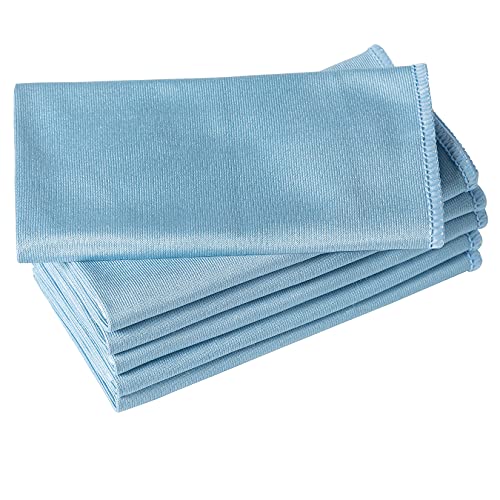
- Soft microfiber cloth, used dry or barely damp for larger, durable leaves
- Soft-bristled brush for tiny leaves and tight internodes
- Spray bottle with a fine mist setting
- Soft or filtered room-temperature water
- Diluted neem oil only if a pest problem is confirmed and the species tolerates it
- Insecticidal soap only for active aphids, scale, or mites, used per label
- Clean paper towel for blotting excess moisture if needed
Can you wipe bonsai leaves with water?
Yes, but only on sturdy foliage and only with a barely damp cloth. Water helps lift dust, but soaking leaves or dripping water into the pot can create new problems. Room-temperature, soft, or filtered water is safest because hard water can leave visible mineral residue on leaves and reduce their clean look.
Use barely damp, not wet
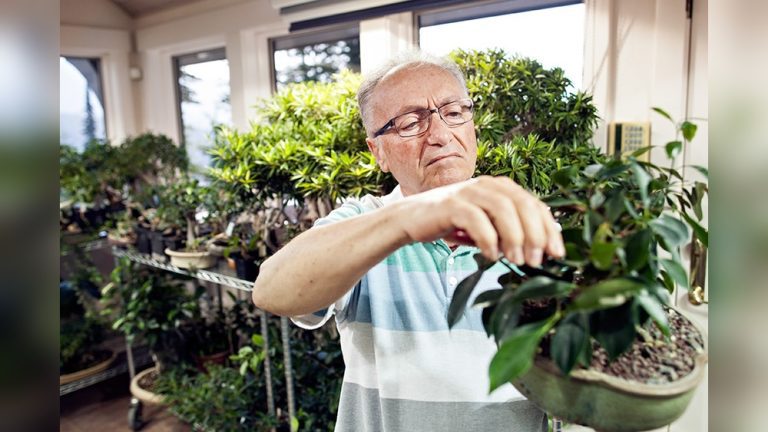
Wring the microfiber cloth until it feels almost dry. Wipe one leaf at a time with light pressure, following the leaf surface instead of rubbing across it. If the leaf bends, creases, or sheds moisture poorly, stop and switch to a brush or a mist rinse instead.
Avoid the pot and roots
Direct the cloth or mist at the foliage, not the soil. A fine spray should pre-wet dust, not soak the root zone. A shallow pot dries quickly, but extra water around the roots can still shift oxygen levels and stress the tree.
How to remove dust from bonsai leaves safely
Dust removal should match the leaf surface. Glossy broadleaf trees usually tolerate a gentle wipe better than small deciduous leaves, needles, or scale-like foliage. For the most delicate surfaces, the safest result often comes from the least contact, not the most cleaning.
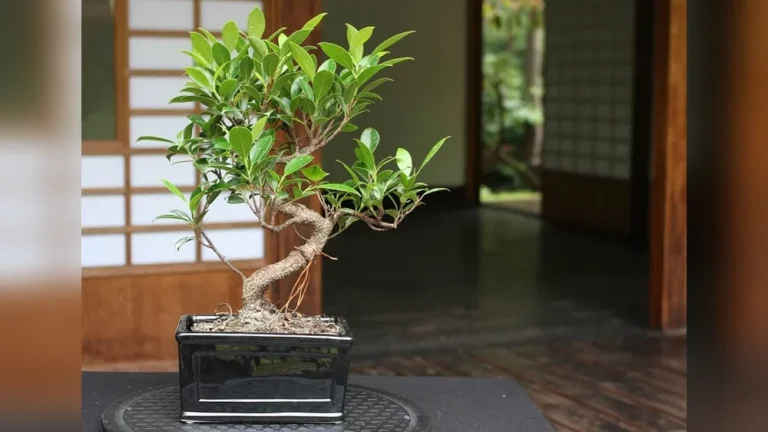
Glossy broadleaf trees
Use a soft microfiber cloth that is dry or barely damp. Support the leaf from behind with one finger if it bends easily. Wipe from base to tip, then stop. Repeated passes can bruise the cuticle and make leaves look dull.
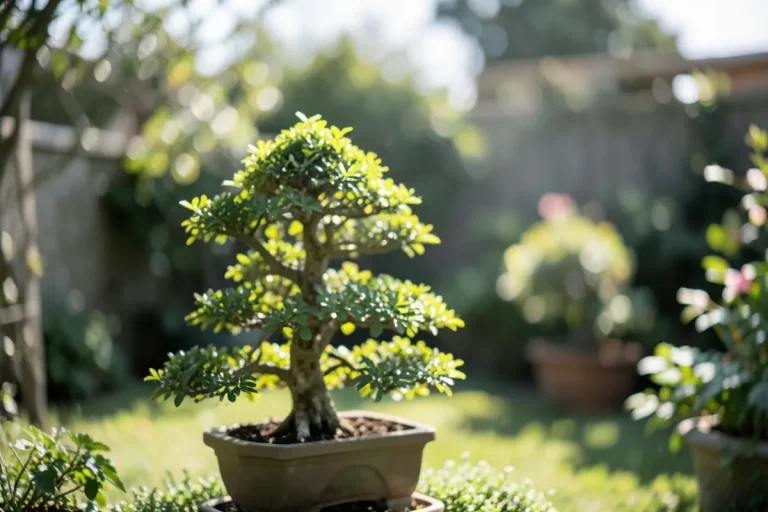
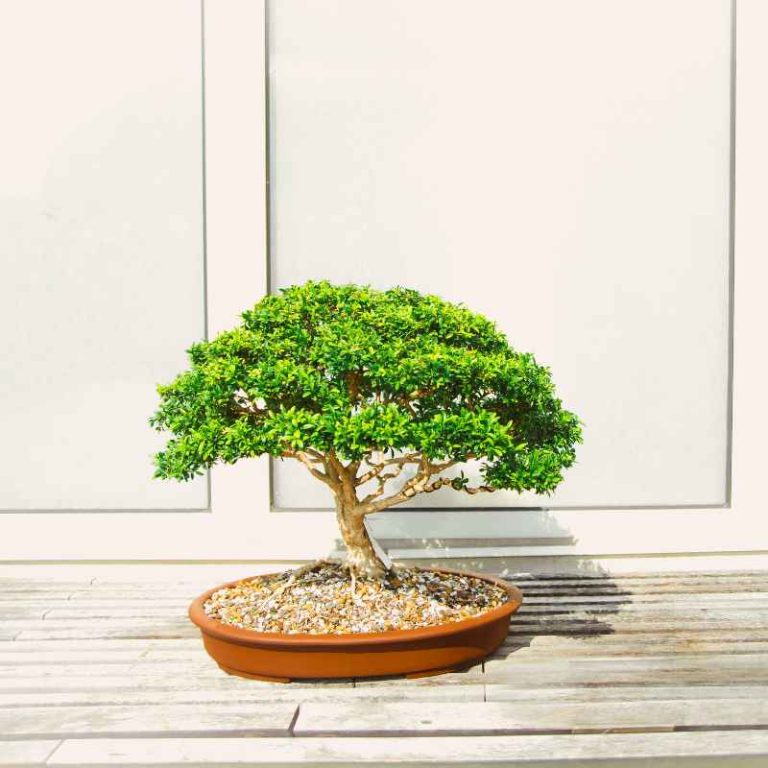
Small deciduous leaves, needles, and scale-like foliage
Use a soft-bristled brush with light pressure for tiny leaves and tight internodes. For needles and scale-like foliage, a fine mist can loosen dust before brushing. Do not rub needles between cloth folds; that can snap tips and tear the clustered foliage.
Why species matter
Juniper, serissa, azalea, and pine often tolerate wiping poorly compared with tougher broadleaf trees. Brittle spring growth can also crease easily. For those trees, light brushing or a controlled mist is usually safer than cloth wiping.
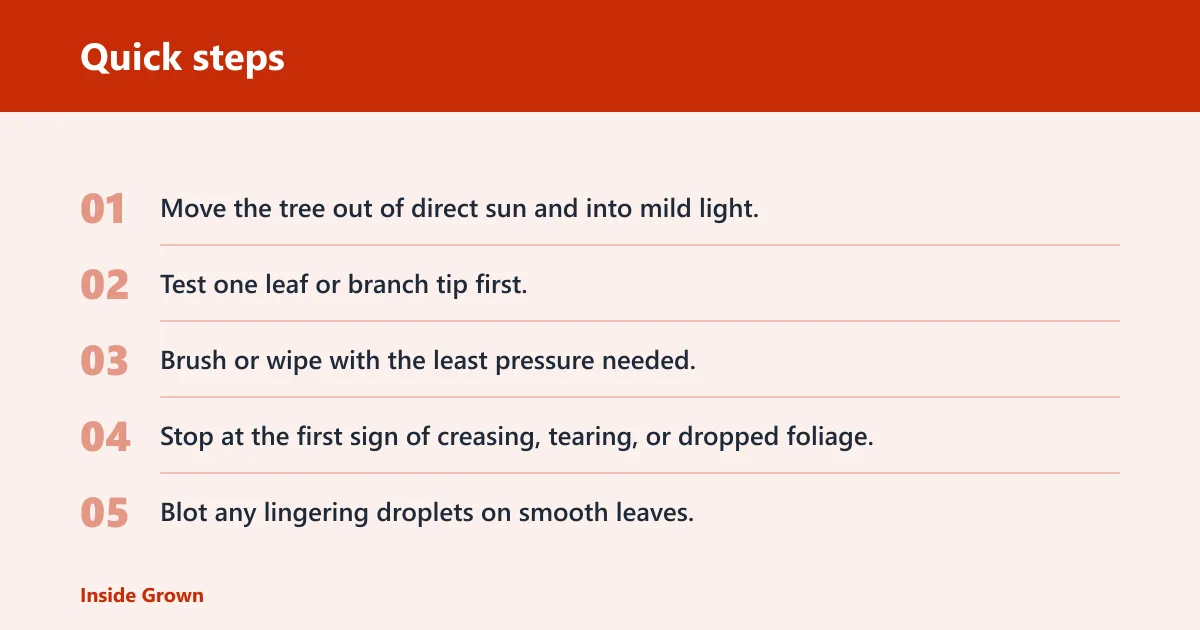
- Move the tree out of direct sun and into mild light.
- Test one leaf or branch tip first.
- Brush or wipe with the least pressure needed.
- Stop at the first sign of creasing, tearing, or dropped foliage.
- Blot any lingering droplets on smooth leaves.
How do you clean sticky bonsai leaves?
Sticky leaves often suggest honeydew, which can point to aphids, scale, or mites rather than ordinary dirt. In that case, cleaning the leaf surface alone will not solve the problem. Treat the pest first, then remove residue after the infestation is controlled.
Use neem oil only for confirmed pest residue
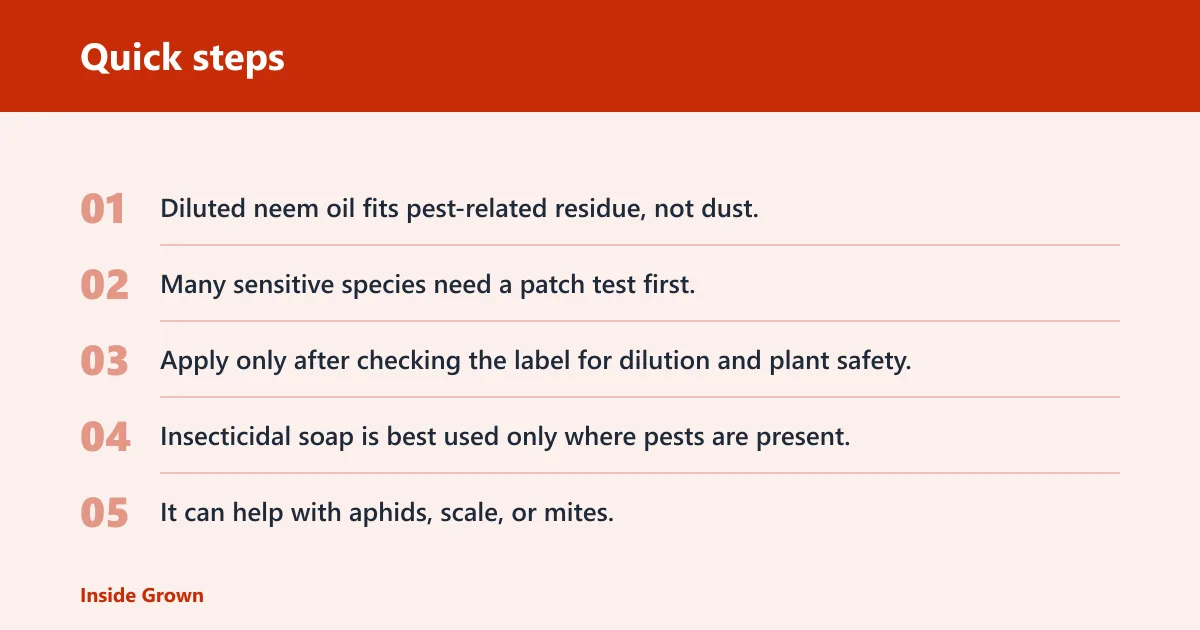
Diluted neem oil fits pest-related residue, not dust. Many sensitive species need a patch test first, especially if their foliage is already stressed. Apply only after checking the label for dilution and plant safety, and never use it as a routine leaf cleaner.
Use insecticidal soap for active pests
Insecticidal soap is best used only where pests are present. It can help with aphids, scale, or mites, but it should be used exactly as labeled and rinsed or left according to the product instructions. If the residue is just hard-water spotting, soap is the wrong fix.
Say your serissa has sticky leaf tips and a few visible aphids on new growth. A soft brush will not solve that on its own. Treat the pests first with a labeled insecticidal soap, then wait for the foliage to dry before any light cleanup.
Which cleaning method for which bonsai leaf?
This table separates cosmetic cleaning from pest treatment. Use the gentlest tool that fits the leaf type and residue type, and stop when the foliage shows stress or when the residue looks more like pests than dust.
| Leaf type | Residue type | Safe tool | Do-not-use warning | When to stop and switch to pest treatment |
|---|---|---|---|---|
| Glossy broadleaf | Dust or light spray film | Soft microfiber cloth, dry or barely damp | Do not scrub or use leaf shine | Stop if residue is sticky, dark, or returns quickly |
| Small deciduous leaves | Dry dust in tight growth | Soft-bristled brush with light pressure | Do not fold, rub, or pinch leaves | Stop if leaves crease, tear, or show honeydew |
| Needles | Loose dust | Fine mist first, then gentle brush | Do not wipe hard with cloth | Stop if needles brown at tips or feel sticky |
| Scale-like foliage | Dust or mineral spots | Soft brush, then minimal wipe only if sturdy | Do not soak or scrub between scales | Stop if residue is waxy, tacky, or pest-like |
How often should bonsai leaves be cleaned?
Clean by need, not on a fixed schedule. Indoor trees often collect dust faster than outdoor trees, so they may need more frequent light brushing. Seasonal growth, pollen, and indoor heating can change the pace. Overcleaning is a real risk because repeated wiping wears foliage faster than dust does.
A practical frequency rule
Check leaves weekly and clean only when dust is visible on the surface or in the leaf clusters. If the tree sits indoors near a vent or a busy shelf, dust may build faster. If it lives outdoors in clean air, cleaning may be occasional rather than routine.
Keep the tree from getting overhandled
Every cleaning session should do less than the last if the foliage is already clean. A quick brush is enough for most maintenance. More frequent cleaning is not better if the tree is young, recovering, or carrying brittle new growth.
Common mistakes
Hard scrubbing, oily leaf shine, and overfrequent cleaning do more harm than dust. Wet leaves are easier to crease. Hot sun can turn a harmless wipe into scorch. The safest habit is to stop early and switch methods when the foliage resists cleaning.
- Scrubbing hard enough to crease leaves: Use lighter pressure and support the leaf from behind.
- Using leaf shine or oily films: Skip it; it can leave residue that blocks pores and traps dust.
- Cleaning too often indoors: Check first, then clean only when dust is visible.
- Applying liquid in hot sun: Move the tree to shade before any wiping or misting.
- Cleaning a damaged or repotted tree too aggressively: Reduce contact to a soft brush or defer cleanup until recovery improves.
Suppose a pine has pale new needles after repotting and a light dusting from indoor storage. A cloth wipe would be too much. A soft brush or a brief fine mist, followed by air-drying in shade, is the safer choice.
What should I do if my bonsai leaves are dirty and falling off?
Stop cleaning aggressively and check for stress, pests, or residue buildup. Leaf drop after cleaning usually means the tree was already stressed, the touch was too rough, or the residue was not ordinary dust. Move the tree to mild shade, leave the foliage alone, and inspect for insects or sticky film.
If that didn’t work, try this next
- Inspect the leaf undersides for aphids, scale, or mites.
- If pests are present, use insecticidal soap exactly as labeled.
- If there is only mineral spotting, switch to soft or filtered water for future misting.
- If leaves are still dropping, stop cleaning and focus on recovery care instead of more wiping.
Prevent repeat damage by avoiding hot sun, harsh wiping, and leaf shine. For brittle species, keep cleanup to the minimum needed to remove visible dust.
Frequently asked questions
How do you clean bonsai leaves without damaging them?
Start with the least invasive method: dry brushing for tiny foliage, a barely damp microfiber cloth for smooth leaves, and a fine mist only for loose dust. Work in shade, use room-temperature soft or filtered water, and stop at the first sign of creasing, tearing, or extra leaf drop.
Should I use soap or leaf shine on bonsai leaves?
Use insecticidal soap only when pests such as aphids, scale, or mites are actually present, and follow the label exactly. Leaf shine is a poor choice because it can leave a film on the surface. For dust, a cloth, brush, or fine mist is safer.
How do I clean small bonsai leaves without breaking them?
Use a soft-bristled brush with very light pressure, and if dust is loose, mist first instead of wiping. Small leaves and tight internodes bruise easily, especially on juniper, serissa, azalea, and pine. If the leaves flex or crease, stop and leave them alone.