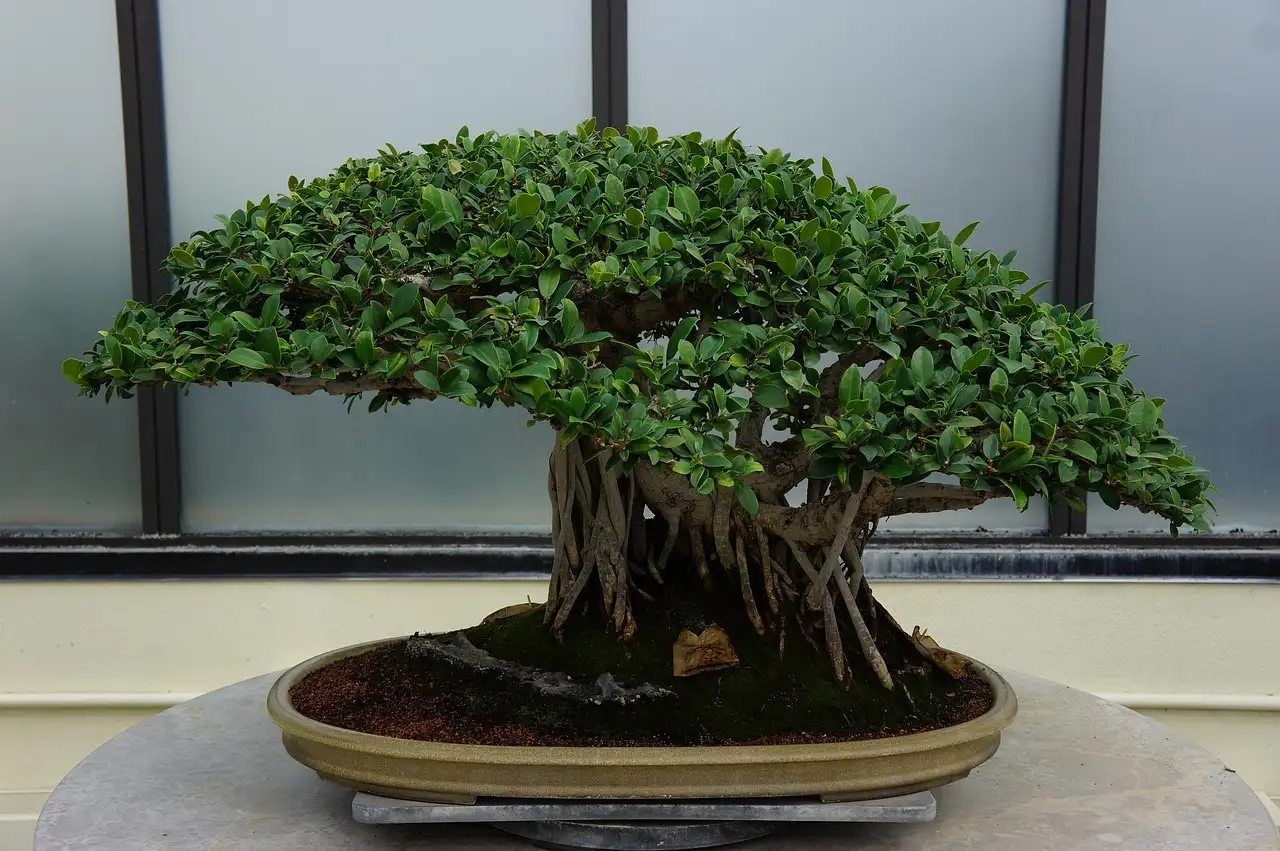
Bonsai Tree Care Guide
Bonsai tree care starts with one rule: match water, light, and winter treatment to the species first, then adjust by season and what the tree shows, dry soil, weak growth, yellow leaves, or limp foliage. Get that wrong and beginners kill trees with shade, overwatering, or warm indoor winters long before pruning matters. I have seen that happen far more often than bad trimming. This guide gives species-based care steps, seasonal checklists, and symptom fixes for indoor rooms, patios, and mixed setups.
Start here: identify your bonsai before you change anything

The fastest way to lose a bonsai is to treat all miniature trees the same. Start with the split that controls almost every later decision: temperate bonsai or tropical bonsai. That choice decides placement, winter care, watering swings, and how much indoor life the tree can tolerate.
Temperate vs tropical: the split that decides almost everything
Temperate species generally need an outdoor season and some kind of winter dormancy period. Juniper, maple, elm in many cases, and pine fit here. These trees usually fail when they are kept indoors year-round, where warm nights and weak light break the annual cycle they need.
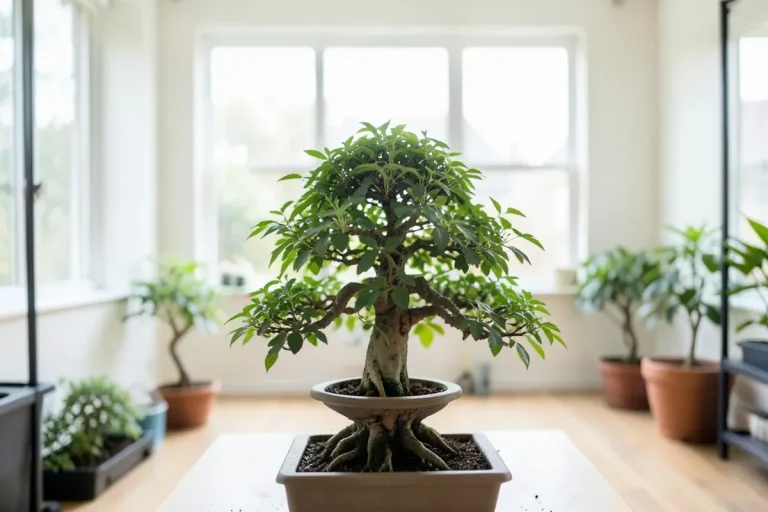
Tropical and subtropical species handle indoor life better, especially where winters are cold. Ficus, jade, and Fukien tea are common examples. Houseplant Resource Center says some bonsai are better suited to living inside, including jade, Fukien tea, and ficus.
That still does not mean “low light.” Indoor tropical species can thrive in bright, indirect light with some direct morning sun. Houseplant Resource Center recommends south-facing windows for enough indoor light.
Common beginner species and where they usually fail
- Ficus: forgiving about missed watering by a small margin, but often declines from dim rooms and sudden moves.
- Jade: usually suffers from overwatering in dense soil and low winter light.
- Fukien tea: reacts fast to dry air, indoor drafts, and abrupt changes in placement.
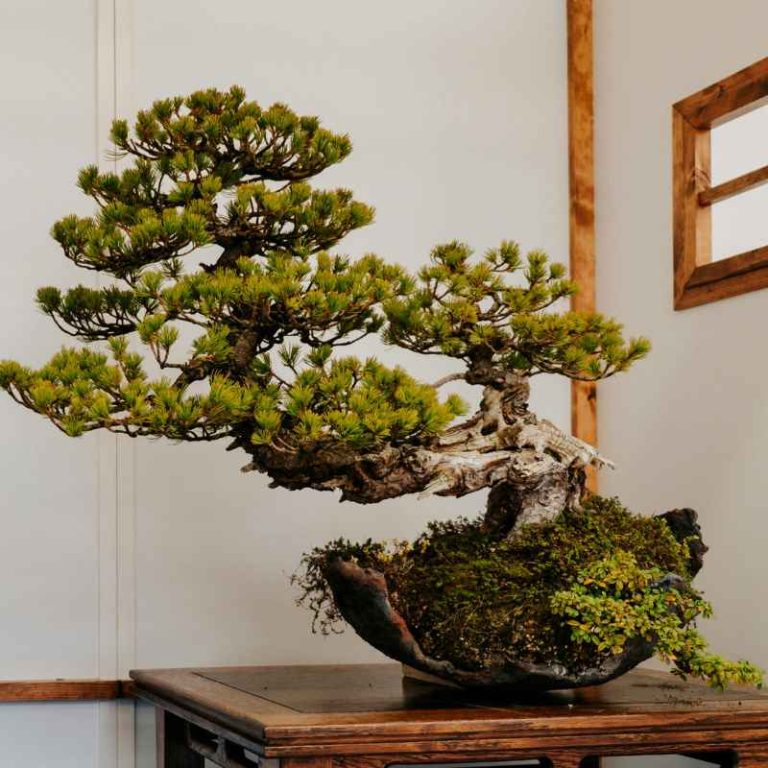
- Juniper: often sold to beginners, then weakened indoors because it needs outdoor sun and winter rest.
- Japanese maple: can do well outdoors, but shallow pots dry quickly in summer heat and leaves scorch in harsh reflected sun.
A quick care difficulty comparison for first-time buyers
| Species | Group | Care difficulty | Light tolerance | Mistake recovery | Main beginner risk |
|---|---|---|---|---|---|
| Ficus | Tropical | Lower | Moderate indoors, better in very bright light | Good | Weak indoor light after purchase |
| Jade | Tropical/subtropical | Lower | Needs strong window light | Good if roots stay healthy | Wet soil in shallow pot |
| Fukien tea | Tropical | Moderate | Wants bright, steady light | Fair | Dry air and sudden stress |
| Juniper | Temperate | Moderate outdoors, poor indoors | Needs strong outdoor sun | Poor after long indoor keeping | Wrong placement |
| Japanese maple | Temperate | Moderate | Outdoor light, some afternoon protection in hot spots | Fair | Drying out in heat |
According to Complete Bonsai Tree Care Guide for Beginners — Most bonsai trees need 6+ hours of direct sunlight daily outdoors.
How do you take care of a bonsai tree for beginners?
Beginners should care for a bonsai by following a fixed decision flow, not a fixed schedule: identify the species group, check the actual light, test soil dryness below the surface, note the season, and read the tree for stress signs. That process prevents the usual beginner mistakes faster than memorizing broad tips.
The five-step care check
- Identify the species group. Temperate trees usually belong outdoors and need winter dormancy. Tropical trees can live indoors if the light is strong enough.
- Assess the light honestly. A bright room is often weak bonsai light. Indoor trees usually need the strongest window available, often a south-facing window.
- Check soil dryness below the surface. Use the finger test at about half an inch, a chopstick, or pot weight.
- Match the season. Spring growth, summer heat, fall slowdown, and winter rest all change watering, feeding, and pruning.
- Read the symptom before acting. Yellow leaves, limp growth, crispy tips, and stalled vigor point to different problems.
A simple weekly routine for one bonsai
Look at the tree every day. I do not mean a long session, usually 20 to 30 seconds is enough to catch dry soil, a pale canopy, leaning growth, or leaves dropped overnight. Water only when the soil check says it is time. Turn indoor trees if one side is stretching toward the glass. Remove dead leaves from the soil surface. Once a week, inspect drainage holes, leaf color, and any sudden leaning, wilting, or pest activity.
Bonsai Lessons says a healthy bonsai needs six core tasks on a regular schedule. For a beginner, that means watering checks, placement checks, feeding in active growth, pruning, repotting on cycle, and seasonal protection.
How much care a bonsai really needs in a normal home
The work is steady rather than heavy. In a normal home, most bonsai usually need a quick daily check, plus a longer weekly session to inspect the root zone, turn the pot if needed, clean debris, and catch pests early. Outdoor trees need more weather response. Indoor tropical trees need more attention to light, dry air, and heating or air conditioning nearby.
Compared with average houseplants, bonsai ask for closer observation. They live in shallow pots, so mistakes reach the roots faster.
Should a bonsai tree be indoors or outdoors?
A bonsai should live where its species can complete a normal yearly cycle. Temperate species belong outdoors and need winter dormancy. Tropical species can live indoors if they get strong light, stable warmth, and protection from drafts. Placement is a biology question first, then a decorating question.
Which species belong outdoors and need winter dormancy
Juniper, pine, spruce, many maples, and other temperate bonsai should be treated as outdoor trees. Most bonsai trees need 6+ hours of direct sunlight daily outdoors. Filtered light means bright shade with moving light through the day, not a dark porch corner.
If a temperate tree stays warm indoors all winter, it may hold color for a while and still decline. The damage often shows later as weak spring growth, sparse budding, or branch dieback.
What indoor bonsai actually need from a south-facing window
Indoor tropical species can thrive in bright, indirect light with some direct morning sun. A south-facing window is usually the best indoor option. In practice, I keep tropical bonsai close to the glass, because light drops hard a few feet into the room, and a tree that looks fine on a table across the room may already be starving.
If leaves get larger, internodes stretch, or new growth leans hard toward the window, treat that as a light shortage, even if the room feels bright.
When grow lights make sense and when they will not fix the problem
Grow lights help indoor tropical bonsai when window light is weak during winter, during cloudy stretches, or in rooms that never receive strong sun. They support compact growth and steadier vigor.
They do not fix a temperate tree that needs winter dormancy. They also do not repair roots that are already failing in dense, wet soil.
How drafts, heaters, and AC vents stress bonsai fast
Dry air alone is rarely the only issue. Moving air and temperature swings do more damage. A bonsai placed beside a heater, radiator, frequently opened winter door, or air-conditioning vent can dry unevenly, drop leaves, or stall, even when watering seems correct.
Humidity trays can soften the local air a bit, but they do not replace good placement. Misting is a short-lived surface effect, not a root-zone fix.
How often should I water a bonsai tree?
Bonsai should be watered when the soil has partly dried, never by a fixed calendar. Shallow pots, season, species, indoor heat, outdoor wind, and soil particle size all change the pace. A beginner does better by checking the root zone each time than by trying to remember dates.
Why fixed schedules fail in bonsai pots
A small training pot in summer sun dries very differently from a deeper ceramic pot on a winter windowsill. A vigorous tree drinks faster than a recently repotted one. Coarse soil drains and dries differently from compacted soil. “Every few days” is how many beginners drift into root rot.
Three beginner ways to check soil moisture accurately
- Finger test: A finger test at about half an inch is used to check soil moisture.
- Chopstick test: Insert a plain wooden chopstick into the soil, leave it briefly, then pull it out. Damp particles sticking low on the stick usually mean the root zone is still holding water.
- Pot weight: Lift the pot after watering, then again as it dries. Over time the difference becomes obvious and fast to read.
The surface alone can mislead. Bark, moss, and top dressing often dry before the root mass does.
How to water deeply without leaving the rootball waterlogged
Water from above until water runs freely from the drainage holes. Pause, then water again if the soil had gone very dry and water first raced down the pot edge. After that, let excess drain away fully. Do not leave the pot standing in water unless the species and setup are managed for that on purpose.
This deep soak does two jobs: it wets the full rootball and flushes built-up salts from fertilizer and tap water.
How season, climate, and recent work change watering needs
Water use often rises during active growth, heat, wind, and strong light. It drops in winter, after root work, and after moving a tree from outdoors to lower indoor light. Indoor heating dries air and soil faster, but the tree may still drink less if light falls at the same time.
After repotting, the tree often needs more careful moisture control, not more water by default. Fresh bonsai soil drains faster, but the reduced root mass may use less. After heavy pruning or wiring, growth can slow briefly, so check dryness before watering rather than assuming demand stayed the same.
Use the beginner bonsai care decision table
This bonsai tree care guide works best when each symptom is read alongside species type, light level, humidity, season, and soil dryness. The same yellow leaf can mean normal adjustment, weak light, or overwatering. Use the table to find the likely mistake, then take one exact next action instead of making several changes at once.
Beginner bonsai care decision table
| Species type | Light level | Humidity level | Season | Soil dryness | Likely mistake | Exact next action |
|---|---|---|---|---|---|---|
| Tropical ficus | Bright room, no direct window sun | Low from heating | Winter | Top dry, lower soil still damp | Watering by surface look and weak light | Move to a south-facing window or add a grow light, then wait to water until the lower root zone begins to dry |
| Temperate juniper | Indoors near window | Average | Winter | Slow to dry | Wrong placement, missed dormancy | Move outdoors to a protected cold location suited to local winter conditions and stop treating it like a houseplant |
| Jade | South-facing window | Low | Winter | Still damp after many checks | Dense soil holding too much water | Reduce watering, improve light, and plan repotting into a coarse bonsai mix in the proper repotting window |
| Fukien tea | Good window light | Low near AC vent | Summer | Drying fast | Draft stress and uneven drying | Move away from vent, water deeply when the root zone begins to dry, and keep placement stable |
| Japanese maple | Outdoor sun with hot reflected afternoon heat | Low wind exposure | Summer | Dry by midday | Heat stress mistaken for disease | Shift to morning sun with light afternoon protection and check moisture earlier in the day |
| Any species, freshly repotted | Normal light for species | Average | Spring | Evenly moist | Feeding too soon after root work | Hold fertilizer until new growth resumes, then restart with a balanced feed at reduced strength |
Example diagnoses: yellow leaves, crispy tips, limp growth, and stalled vigor
Yellow leaves with wet soil usually point to overwatering, compacted soil, or low light. Crispy tips often come from dry root zones, hot window glass, or harsh wind. Limp growth can mean roots are too dry or too damaged to move water. Stalled vigor often traces back to weak light, missed feeding during growth, or a rootbound tree overdue for repotting.
What soil and pot setup keeps a bonsai alive?
Bonsai stay alive longer in a coarse, fast-draining soil that leaves air around roots after watering. Shallow pots make peat-heavy mixes risky because they stay wet in the wrong way. The goal is not constant moisture. The goal is repeatable wet-dry cycling with oxygen still available to roots.
Why bonsai soil needs drainage and air, not peat-heavy moisture retention
Roots need water and oxygen at the same time. In a shallow bonsai pot, regular potting soil packs down, slows drainage, and blocks air spaces. That can keep the lower rootball wet long after the surface dries, which is exactly where beginners get fooled.
What akadama, pumice, lava rock, and bark chips each do
A basic bonsai soil mix can use one part akadama, one part pumice or perlite, and one part lava rock or bark chips. Akadama helps with water retention and root contact. Pumice or perlite adds pore space and drainage. Lava rock keeps structure. Bark chips add some organic hold and can help moderate drying.
Why regular potting soil causes root trouble in shallow containers
Regular potting soil is made for larger pots where water can spread through more depth. In bonsai containers it often compacts, shrinks from the pot edge, or stays soggy in the center. That leads to a bad cycle: hesitant roots, weak growth, then even slower drying.
How to pick the best bonsai soil ingredients
The right mix of bonsai soil ingredients determines whether roots stay healthy, receive enough oxygen, and avoid water‑logging or excessive drying. This article breaks down the four most common minerals—akadama, pumice, lava rock, and kanuma—explaining how each contributes to drainage, moisture retention, and long‑term repotting performance. It also compares organic matter levels and warns against using standard potting mixes, which can suffocate delicate roots. By following the quick‑reference table and selection criteria, beginners can assemble a balanced blend that matches their tree’s species and watering schedule, leading to stronger growth and fewer root problems.
When should I fertilize a bonsai tree?
Bonsai should be fertilized during active growth, not on autopilot all year. Feed healthy trees when they are pushing leaves, shoots, or roots, and pause when a tree is freshly repotted, badly stressed, or sitting mostly idle in winter. Fertilizer supports growth; it does not rescue a damaged root system.
Feed during active growth, not by habit
A balanced liquid fertilizer diluted to quarter-strength every two weeks covers most species. Bonsai Lessons recommends balanced liquid fertilizer every two weeks at half label strength. Both approaches point to the same beginner lesson: regular light feeding is safer than occasional heavy feeding.
Liquid vs solid fertilizer for beginners
Liquid fertilizer is easier for beginners because it is easy to reduce, pause, or restart. Solid fertilizer can work well, but it asks for closer attention to watering habits, smell indoors, and steady replacement.
Balanced N-P-K in plain language
Balanced N-P-K simply means the main macronutrients are supplied in fairly even proportion. For beginners, the important part is not chasing a special ratio. It is feeding a healthy tree during growth and avoiding strong doses on a weak tree.
When to pause after repotting or major stress
Do not feed immediately after repotting, after severe wilting, or while roots are suspected to be rotting. Wait for signs of renewed growth first. Feeding damaged roots often adds stress instead of solving it.
When should I repot and prune a bonsai tree?
Bonsai should be repotted on a repeating cycle based on age and vigor, then pruned with different goals depending on season. Young trees need more frequent root work than mature trees. Maintenance pruning happens in growth, major structural cuts are usually saved for the dormant period.
Repotting cycles for young vs mature trees
Young trees should be repotted every 1-2 years. Mature trees should be repotted every 3-5 years. These ranges are a starting point. A fast-growing tree in coarse soil may need attention sooner than a slow tree in a stable stage of development.
Best spring timing and root pruning basics
Spring is usually the best time to repot before the growing season starts. That timing gives the tree a chance to rebuild roots as growth begins. When root pruning, beginners should work conservatively, remove circling roots, keep fine feeder roots where possible, and replace old soil with fresh bonsai mix.
Maintenance pruning vs structural pruning
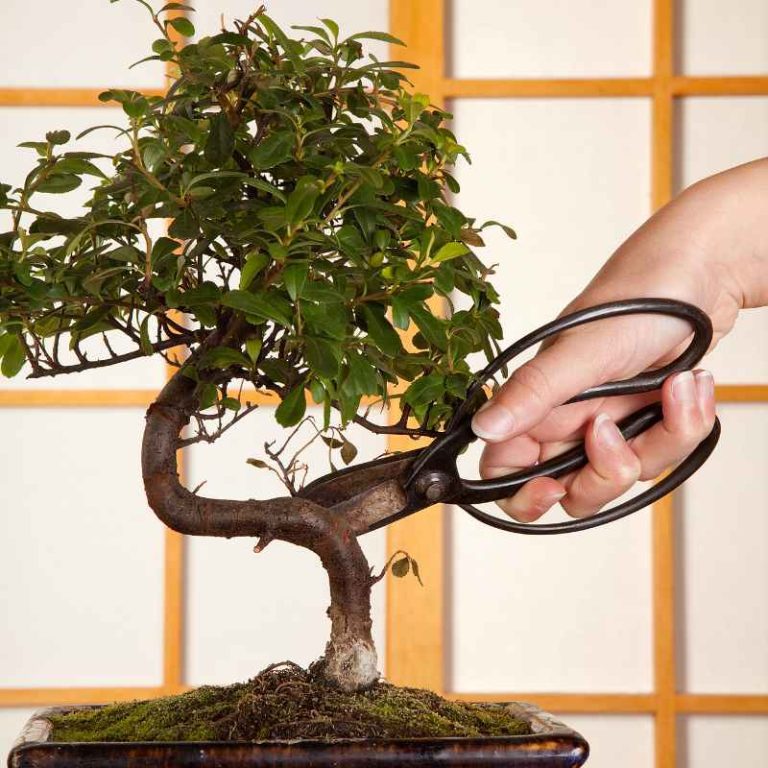
Maintenance pruning keeps new growth trimmed back to 1-2 leaves throughout the growing season. Structural pruning is usually done during dormancy in late winter for most species. The difference matters. One keeps shape tidy, the other changes the framework and carries more risk.
Safe cuts, branch choice, tool cleaning, and wound care
Remove dead, crossing, inward-growing, or obviously redundant shoots first. Avoid taking multiple major branches from a weak tree at once. Clean tools before cutting. Make clean cuts, avoid tearing bark, and keep large wounds dry and protected from repeated handling.
Safely repotting your bonsai without damaging the roots
Repot a bonsai in early spring when buds just begin to swell, removing no more than one-third of the root mass. Acting before top growth accelerates allows fine feeder roots to recover quickly. Using a shallow container filled with fast-draining soil and anchoring the trunk firmly prevents movement that tears new roots.
Poor timing or aggressive root pruning stalls growth and can kill the tree entirely. The detailed walkthrough on safe bonsai repotting covers how to judge the right moment, select the correct pot and substrate, trim roots safely, secure the tree, and manage aftercare to prevent transplant shock.
Why is my bonsai tree dying?

A bonsai usually declines from a short list of root causes: too little light, too much water, dense soil, wrong seasonal placement, missed dormancy in temperate species, or root stress after recent work. The fastest diagnosis comes from checking roots and soil moisture first, then reviewing placement and season.
How to separate watering problems from light problems
Overwatering and weak light often show up together. If soil stays wet for too long and growth is pale or stretched, light is likely part of the problem. If the soil dries quickly and leaves crisp from the edges, water demand may simply be outpacing supply.
Signs of root rot, weak roots, and compacted soil
Rot often shows as a tree that stays limp even when the soil is wet, or a pot that never seems to dry. Compacted soil leads to patchy wetness, slow drainage, and stalled growth. A tree can look thirsty above ground while roots below are drowning.
Stress after repotting, wiring, moving indoors, or temperature shock
Freshly repotted trees often pause before pushing hard growth. Trees moved indoors from bright outdoor light usually need less water at once, not more. Wiring and hard pruning can slow demand for a time. Sudden cold or hot blasts can trigger leaf drop even if roots are fine.
When recovery is realistic and when damage is already severe
Recovery is realistic when some active buds, flexible twigs, and normal-colored cambium are still present. It is less likely when branches turn brittle, the trunk loses firmness, or roots smell sour and dark. In severe decline, reduce variables: correct light, correct watering, no fertilizer until growth returns.
Seasonal bonsai care calendar for beginners
Spring growth and repotting window
Spring is the main reset season. Repot trees due for root work, replace exhausted soil, and restart feeding after new growth resumes. Watch drying speed closely because fresh soil and warming days can change water use quickly.
Summer watering, heat, and fertilizer adjustments
Summer brings the fastest swings. Outdoor trees may need very close moisture checks in heat and wind. Indoor trees near hot glass can scorch. Continue feeding healthy, active trees, but avoid pushing a tree already stressed by heat.
Fall slowdown and prep for dormancy
As growth slows, watering demand often drops. Keep checking the root zone rather than copying summer habits. Temperate trees should remain outdoors to follow shortening days and cooling nights. This is also the time to plan winter locations before freezing weather arrives.
Winter care indoors vs outdoor cold protection
Tropical bonsai indoors need the brightest placement available and careful separation from heaters and cold drafts. Temperate bonsai outdoors need cold protection that still allows dormancy. The exact setup depends on local winter severity, but warm indoor storage is usually the wrong answer for these species.
Frequently asked questions
How much care does a bonsai tree need?
A bonsai needs steady attention more than long work sessions. Expect quick daily checks for water and placement, plus a weekly inspection for growth, drainage, and stress. Seasonal jobs like repotting, pruning, and feeding matter too, so care stays regular through the year.
Is it difficult to take care of a bonsai tree?
Bonsai care is difficult when the species is misidentified or placed in the wrong environment. It gets much easier once the tree is sorted into tropical or temperate care, light is corrected, and watering is based on soil dryness instead of habit.
Do bonsai trees need a lot of care?
Bonsai need more attention than many houseplants because they grow in shallow pots and react fast to mistakes. They do not need constant work, but they do need regular observation, strong light, species-correct winter treatment, and timely watering based on the root zone.
How often should I water a bonsai tree?
A bonsai should be watered when the soil has partly dried, not on a repeating calendar. Use the finger test at about half an inch, a chopstick, or pot weight. Then water deeply until drainage holes run freely and let the extra drain away.
When should I repot a bonsai tree?
Repotting is usually best in spring before the growing season starts. Young trees should be repotted every 1-2 years, while mature trees should be repotted every 3-5 years. If drainage is poor or roots circle tightly, the tree may need earlier attention.
Why is my bonsai tree dying?
Most declining bonsai are suffering from one of a few issues: low light, overwatering, dense soil, wrong indoor or outdoor placement, missed dormancy, or stress after recent root work. Check species type, soil moisture below the surface, and current placement before changing anything else.