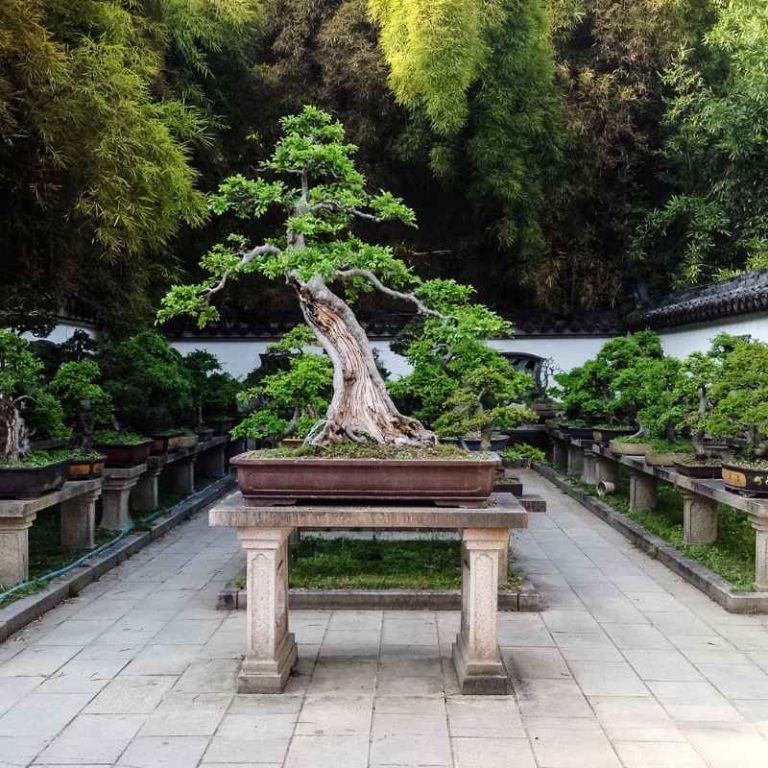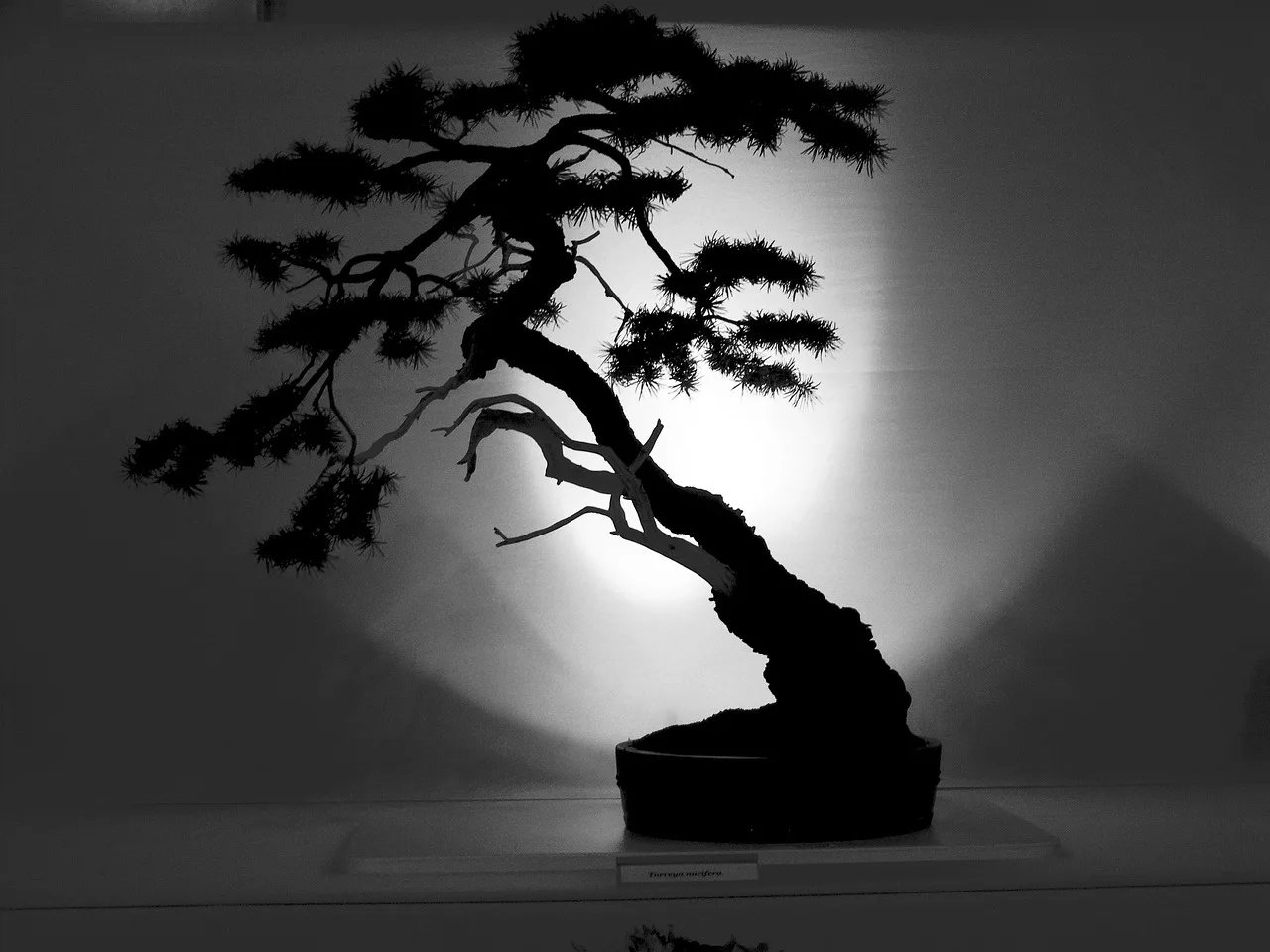
How to Thicken a Bonsai Trunk Faster and Safely Today
Use ground growing for the fastest safe trunk thickening, or a large training pot with one strong sacrifice branch if tighter control is needed; chop only after enough girth has built, or scars and ugly inverse taper are likely. If the chop comes too soon, the trunk swells in the wrong spot, bark stays weak, and the line looks clumsy. This guide shows how species, climate, pot choice, sacrifice branches, and trunk chops change the result.
What actually makes a bonsai trunk thicken?
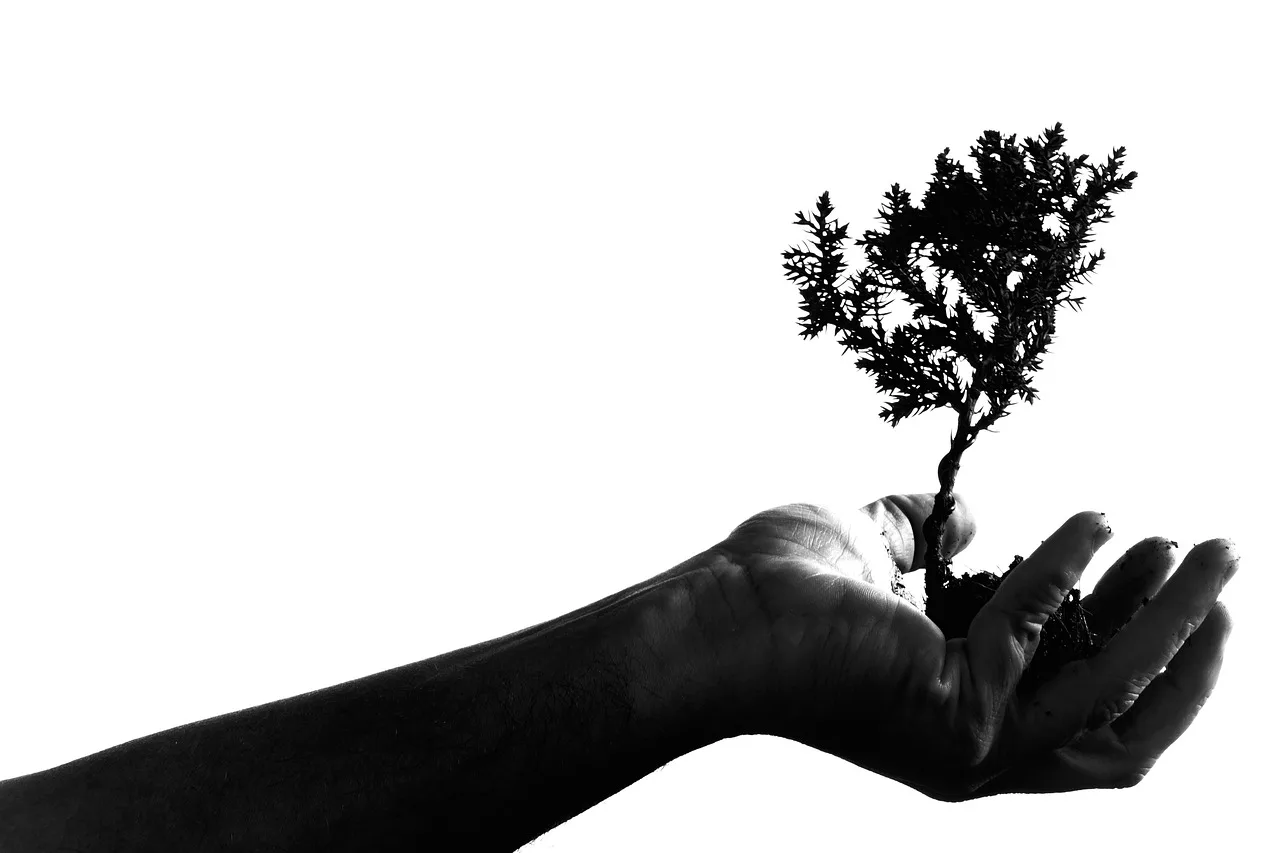


Trunk thickening comes from long runs of extension growth. Leaves feed the roots, roots move water and minerals upward, and the trunk adds girth where sap flow is heavy and shoot growth stays active. I have seen trunks gain size fastest when the tree had enough foliage, enough root room, and enough light to keep pushing new shoots.
That is why a bonsai in refinement often slows down. Tight pots, frequent pruning, and repeated shaping cut back extension growth. For caliper gain, the tree needs room to put energy into trunk expansion, not constant interruption.
Why root space and foliage drive size changes
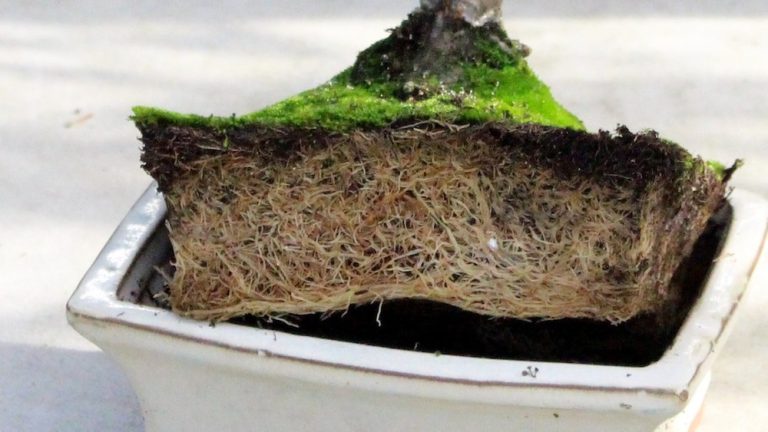
More root volume usually supports more top growth. A larger container or open ground allows a bigger root system, which supports stronger shoot extension and more trunk expansion. A finished bonsai pot does the opposite. It limits roots, dries faster, and keeps the tree in a compact state.
Foliage is the other engine. If the canopy is too small, the trunk has little reason to expand. If it is too large and unmanaged, the tree may thicken fast but lose taper and branch placement. The point is steady vigor, not runaway growth.
Why species vigor changes the pace
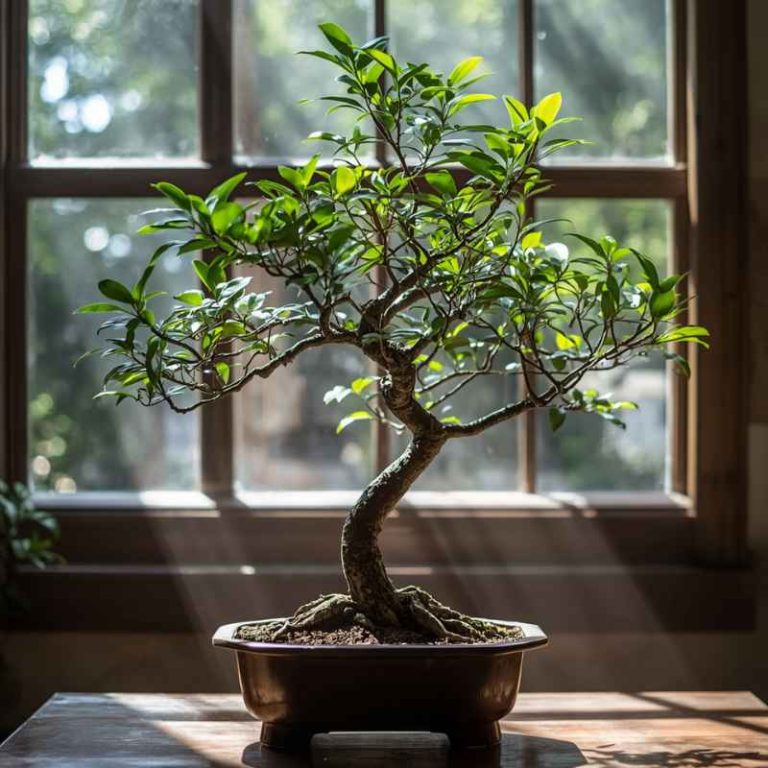
Species choice changes the timeline dramatically. Tropical trees and fast-growing deciduous species often thicken faster than many conifers. The store recommendation to start with ficus or a hardy jade-like plant for easier care reflects that point. Ficus also tolerates partial shade or dimmer light and hates drafts and cold water.
Outdoor trees differ as well. Some are built for year-round growth in the garden, terrace, or balcony, while indoor bonsai are often kept in apartments and offices. Climate, light, and seasonal warmth decide how hard the tree can push.
Should you grow it in the ground, a box, or a pot?
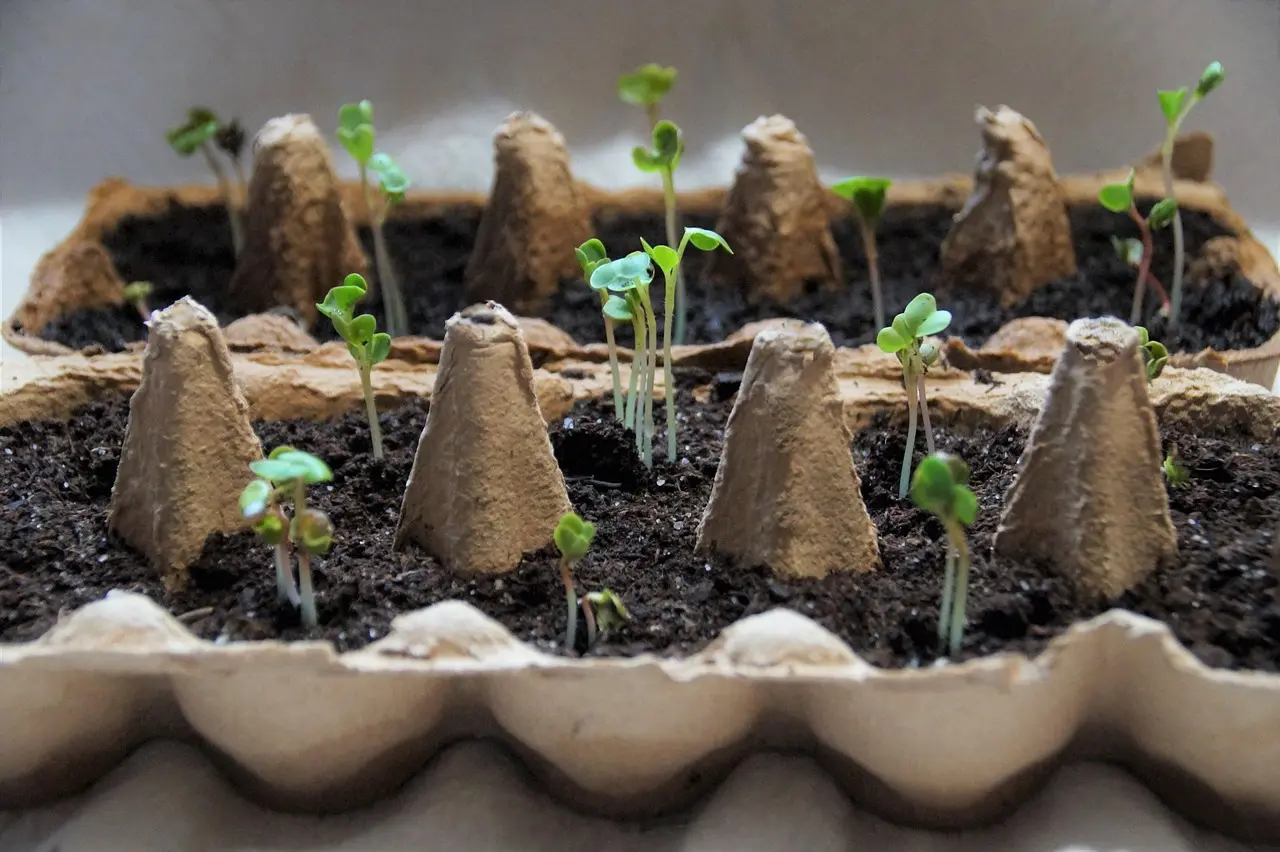
In many cases, field growing is the fastest route, a large training pot is a good middle ground, and a finished bonsai pot is the slowest. The right choice depends on climate, species tolerance, and how much control you need over trunk line, roots, and future branch placement.
Field growing for fast trunk size
Ground culture gives the widest root run and the strongest extension growth. It suits species that tolerate vigorous root spread and periodic root control. Many deciduous trees respond well, and some tropical material can as well in warm climates. It is fast, but not hands-off.
Roots in the ground still need periodic control. Without it, the tree can throw coarse roots, lose nebari quality, or anchor into a shape that is hard to lift later. Root management keeps the future bonsai usable.
Grow boxes and training pots for controlled growth
A grow box or training pot usually gives more root room than a finished bonsai pot, but less than planting in the ground. That makes it a strong choice when the trunk still needs size but the final design is already known. It is also easier to move, inspect, and rotate than a tree planted in soil.
Drainage matters here. A deep, wet mix stalls root function and slows thickening. A wide container with strong drainage and a permeable substrate keeps roots active while still allowing long runs of growth. The site notes that bonsai growth depends on quality substrate and regular nutrition, and that proper care includes watering, fertilizing, and repotting into permeable substrates.
When a finished bonsai pot slows progress too much
A shallow display pot is generally for refinement rather than bulk gain. It limits root mass and dries quickly, so the tree spends more energy surviving daily swings than expanding the trunk. If the trunk is still thin, moving too early into a finished pot usually wastes time.
The site’s split between indoor and outdoor bonsai also matters here. Container choice should depend on where the plant will live. An indoor tree in an office has different moisture and light constraints than an outdoor tree on a balcony, and those limits shape how hard the trunk can grow.
Sacrifice branches and trunk chops: how they work together
A sacrifice branch is left unpruned to drive caliper gain. A trunk chop reduces height and pushes new leader growth. Used together, they let the grower build thickness while preserving movement, taper, and future branch placement. Used badly, they create bulges and scars.
Choosing a sacrifice branch position
Place the sacrifice branch low enough to thicken the base if that is the goal, but not so low or so dominant that it swells the trunk above it. A side branch can help build movement and taper if it is positioned with the final design in mind. A top sacrifice leader can extend the apex without loading one side too hard.
The branch should keep doing useful work for as long as possible. If it sits where a primary branch will eventually live, it can become a problem later. If it sits at a bad angle, it may thicken one section unevenly and create inverse taper.
When to leave it alone
Leave the sacrifice branch unpruned while the trunk still needs gain and the tree is vigorous. Frequent trimming weakens the growth engine. That said, the branch should be watched closely for swelling at the union, coarse bark edges, and shading that suppresses the rest of the tree.
Do not treat it as a permanent limb. Once the trunk has enough size, the branch becomes a liability. Late removal leaves a larger wound and a harder transition to refinement.
When to chop and build a new leader
Trunk chop is best used on vigorous trees that can respond with strong new shoots. The chop resets the top, shortens the line, and forces new leader development. It only works well when the tree still has a live sacrifice branch or a clearly chosen new leader to keep sap moving.
If the chop is made without a strong continuation point, back-budding may be uneven and the trunk can stall. Keep a clear path for the apex. Then guide the new leader early so the upper taper stays smooth.
What species thicken bonsai trunks fastest?
Fastest thickening usually comes from tropical species and quick-growing deciduous trees. Conifers often move more slowly, especially in shallow containers. Climate changes the pace again, because a tree growing in warm, bright conditions can extend more freely than the same species in a short or cool season.
Deciduous trees versus conifers
Deciduous trees often thicken faster because they can throw strong seasonal growth. Their growth bursts can build caliper quickly if the roots and feeding are in sync. Conifers usually need more patience, and heavy pruning can slow them more sharply.
That does not mean conifers should never be thickened. It means the grower must accept a longer runway and use fewer interruptions.
Fast tropical options
Tropical trees can respond quickly in stable warmth and bright light. Ficus is a common choice because it is easier to care for and tolerates a range of indoor conditions. Hardy jade-like material can also be useful when the aim is thickening with simpler care.
The tradeoff is design speed versus size speed. Tropical vigor can build a trunk fast, but strong growth can also erase fine movement if the tree is left unchecked too long.
How climate changes the timeline
A warm climate with a long growing season shortens the wait. Cool springs, brief summers, and frequent cold snaps slow extension growth and make field growing less predictable. Outdoor bonsai living year-round in a garden, terrace, or balcony can move very differently from indoor material in apartments and offices.
Even olive material can be flexible in placement, since a listed olive bonsai is described as both outdoor and indoor. The practical rule is simple: match the species to the site, then match the site to the thickening plan.
How do watering, feeding, and root pruning affect trunk thickening?
Watering, feeding, and root pruning can either support extension growth or choke it off. The safest approach is steady moisture, active-season feeding, and limited root work at the right time. Drought stress, salt buildup, or heavy root reduction all slow trunk gain.
Keeping growth steady without root stress
Water should support growth without drowning the roots. The substrate must match the season. Fast-draining mixes dry quicker in heat, while denser mixes stay wet longer and can stall root function. Overwatering can be as limiting as underwatering when oxygen drops around the roots.
Consistency matters more than volume. A tree that swings between dry and saturated often stops extending well. That leads to stop-start thickening and weaker structure.
Feeding during spring and summer
Strong feeding supports trunk expansion, especially during spring and summer when growth is active. Balanced nutrition pushes leaves, shoots, and roots together. Too little feed leaves the tree underpowered; too much can make growth coarse and internodes long.
The nursery material notes that proper care includes regular nutrition. That fits thickening work, but the grower still has to choose between speed and refinement. Heavy feeding helps size gain. It does not care about fine branch density.
When root pruning helps and when it slows the run
Root pruning keeps circling roots from taking over during strong growth. It is usually best timed around active growth windows, when the tree can recover more quickly. Small, selective root work is generally safer than major reduction.
Too much root reduction can slow thickening because the top loses support. If a tree is being pushed hard for caliper, large root cuts and trunk expansion rarely belong in the same moment. Reduce roots only as needed to keep the system healthy and manageable.
Decision checklist: choose the safest thickening method

The safest method depends on species, container, and growth phase. The goal is to pick the strongest growth engine the tree can handle without ruining taper, branch placement, or bark health. Use the checklist below before changing course.
- Species check: If the tree is tropical or a fast-growing deciduous type, ground growing or a training box can work well. If it is a slower conifer, expect a longer schedule and less drastic root disturbance.
- Container check: If the tree is in a finished bonsai pot, move it to a grow box or the ground before asking for major trunk gain. If it is already in a large box with strong drainage, use that as the thickening platform.
- Growth-phase check: If the trunk is still thin and the design is undecided, focus on extension growth and one well-placed sacrifice branch. If the trunk already has enough girth, start planning chop, taper, and branch selection.
- Health check: If roots are weak, foliage is sparse, or the tree recently stalled, do not push hard. Recover first.
- Design check: If the future branch positions are known, place sacrifice growth so it does not block them later.
Red flags call for a slower plan. They include weak recovery after repotting, poor drainage, visible trunk swelling near a branch union, and bark that is already closing over a sacrifice branch scar. In those cases, the tree needs stability more than speed.
| Tree situation | Safest thickening method | Main risk if pushed too hard | Best next move |
|---|---|---|---|
| Fast deciduous tree in a large training pot | One sacrifice branch plus heavy active-season feeding | Inverse taper at the sacrifice union | Monitor swelling and shorten the run before the union bulges |
| Conifer in refinement pot | Do not push for rapid caliper gain | Weak growth and poor recovery from heavy cuts | Keep the tree healthy and plan a longer timeline |
| Tropical tree in warm, bright conditions | Grow box with a selected sacrifice leader | Coarse growth and wire bite | Check ties and wire often, then refine later |
| Species planted in the ground | Field growing with periodic root control | Loss of nebari quality and hard-to-remove roots | Lift and manage roots before they become too coarse |
Failure cases: how to avoid inverse taper, swelling, and scars
Failure usually starts when speed is chased without a removal plan. Inverse taper, swollen branch unions, and scarred chops are the classic damage points. They happen when sacrifice growth is left too long, chop timing is late, or wire and pruning are used carelessly during fast extension.
Branch-union swelling
Swelling forms when one branch drives too much sap into one spot for too long. It is common around sacrifice branches, especially if they are placed too high or left unchecked after the trunk has already gained enough girth. A swollen union is hard to hide later.
Keep the sacrifice branch doing useful work, but do not let it dominate the trunk line forever. Once the caliper target is near, reduce the branch and prepare for removal.
Late sacrifice-branch removal
Removing a sacrifice branch too late often leaves a large scar and a change in bark texture. The wound may close slowly, and the area around it can stay out of proportion for years. The longer the branch stays, the more likely it is to print its shape into the trunk.
Remove it when the trunk has enough thickness to stand on its own, not when the bark already looks buried around the union. That timing preserves taper and keeps the scar smaller.
Wire bite and coarse scar edges
Styling wire is not a primary thickening method. It is for setting movement after the trunk has gained size. On fast-growing trunks, wire bites quickly, especially when growth is strong and bark is soft. A wire scar can be harder to fix than the shape problem it was meant to solve.
Decandling and defoliation are also poor thickening tools. They reduce vigor if mistimed and are usually used only when canopy control is needed. If the job is caliper gain, let the tree grow.
Frequently asked questions
How do you thicken a bonsai trunk faster?
Use the strongest safe growth engine the species can handle. For many trees, that means ground growing or a large training pot, plus one well-placed sacrifice branch and active-season feeding. The key is sustained extension growth without repeated pruning that keeps resetting the tree.
What is the safest way to thicken a bonsai trunk?
The safest method is usually a controlled grow box or training pot with strong drainage, steady watering, and one sacrifice branch that is watched closely. It gives more control than field growing while still allowing more root room than a finished bonsai pot. Slow species need this approach most.
Should I grow my bonsai in the ground to thicken the trunk?
Yes, if the species tolerates it and you can manage the roots. Ground growing is often the fastest route for trunk gain, but it can create coarse roots, swelling, and poor future nebari if neglected. It works best when periodic root control is part of the plan.
Does a larger pot help bonsai trunk thickening?
Yes, a larger pot helps more than a finished shallow pot because it gives roots more room and dries less abruptly. It will not match ground growing, but it is a practical middle step for trees that need both controlled growth and steady trunk gain. Drainage still has to be strong.
How long does it take to thicken a bonsai trunk?
There is no fixed timeline. Fast tropical and deciduous trees can gain size much sooner than conifers, and warm climates speed the process again. The timeline depends on species vigor, container choice, light, feeding, and how much taper or branch placement must be preserved.
Can wiring or pruning thicken a bonsai trunk?
No, not as primary tools. Wiring sets shape after the trunk has gained size, and pruning usually slows trunk expansion by reducing foliage and extension growth. They are useful for control, but they work against rapid caliper gain if used as the main strategy.