How to Increase Humidity for Bonsai Without a Greenhouse
Use a humidity tray, group plants, and raise room humidity to about 40% to 60% for most indoor bonsai. Aim higher only for tropical species. Dry air speeds soil drying, browns leaf tips, and can drop buds or weaken growth. This guide covers low-maintenance methods, when each one works, and how to match them to your room, species, and budget.
Bonsai humidity basics

Bonsai humidity targets depend on species, room size, winter indoor relative humidity, and airflow. A large, drafty living room needs a different fix than a small office, and a ficus does not need the same conditions as a temperate maple.
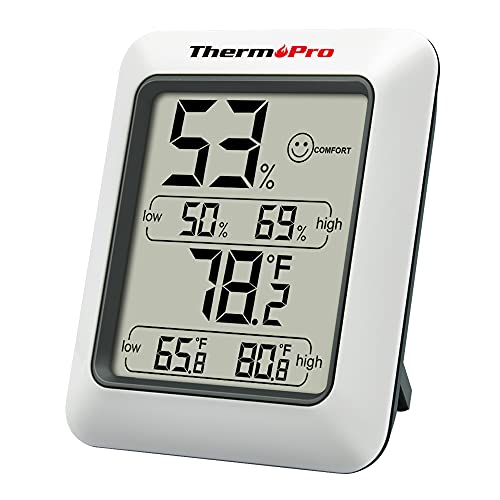
Relative humidity is the percentage of water vapor in the air. Check it with a hygrometer at canopy level, not on a shelf across the room, because a plant’s leaves feel the air right around them.
Many indoor bonsai do well around 40% to 60% relative humidity. Stable conditions matter more than chasing a perfect number for an hour. A steady 45% is usually better than a swing from 30% to 70% every day.
Which indoor bonsai need the most humidity?
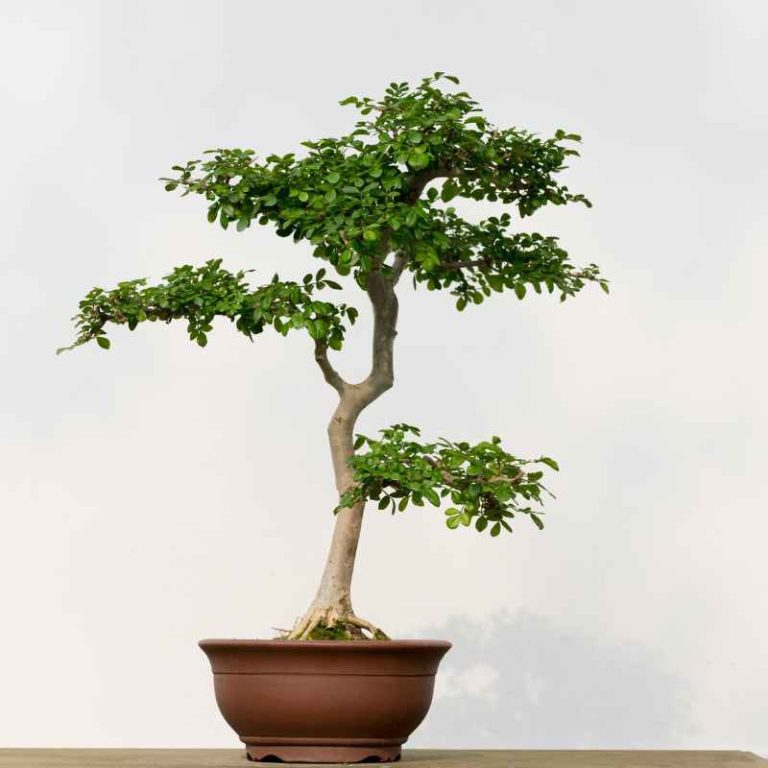
Tropical indoor bonsai usually need the most humidity. Ficus and serissa generally tolerate indoor conditions better than many temperate species, while indoor juniper is generally unsuitable long term. Fine-leaved trees often show stress sooner because their foliage loses moisture faster.
Temperate species often need cooler conditions and more outdoor time than people expect. If a tree normally grows outside through winter, low indoor humidity is only one part of the problem; light, temperature, and dormancy matter too.
What you’ll need
- Digital or analog hygrometer
- Shallow pebble tray or plant saucer
- Room humidifier, preferably cool-mist or ultrasonic
- Clean water for trays and humidifier
- Small fan for gentle room airflow
- Tray or shelf space for grouping pots
- Optional: bathroom or kitchen counter space with bright light
Best humidity fix by room type
Start with the least complex fix that fits the room. A small, closed bedroom may only need a pebble tray and plant grouping, while a dry family room with forced-air heat usually needs a humidifier.
| Room size | Winter RH range | Bonsai species type | Budget | Recommended method | Upkeep level | Main risk |
|---|---|---|---|---|---|---|
| Small room, doors often closed | 35% to 45% | Ficus, serissa, other tropicals | Low | Pebble tray plus plant grouping | Low | Too little lift if air is very dry |
| Medium room, mild winter dryness | 30% to 40% | Tropicals and mixed indoor bonsai | Medium | Cool-mist humidifier with hygrometer | Medium | Mineral dust, over-humidifying nearby surfaces |
| Large open room | 25% to 35% | Finer-leaved tropical species | Medium to high | Humidifier plus grouping near plants | Medium | Humidity loss from HVAC airflow |
| Bathroom or kitchen with windows | 40% to 60% | Tropical indoor bonsai only | Low | Short-term placement with airflow | Low | Heat spikes, poor light, steam swings |
| Very dry, heated room | 20% to 30% | High-sensitivity tropicals | Medium to high | Humidifier as primary fix | Medium to high | Neglecting cleaning and placement distance |
How to raise humidity without a greenhouse
-
Measure the room first.
Place a hygrometer at canopy level and check it over several days, morning and evening. A reading taken near the floor or near a window can miss the conditions your bonsai actually feels. -
Start with the simplest fix.
If the room already stays near 40% to 50% RH, use grouping and a pebble tray before buying equipment. If the room falls below about 35% most days, go straight to a humidifier. -
Set up a humidifier correctly.
Use a cool-mist or ultrasonic unit, place it several feet from the bonsai, and keep mist out of direct contact with foliage. Clean the tank and output parts often so mineral dust does not settle on leaves. -
Build a pebble tray.
Fill a shallow tray with pebbles and water, then set the pot above the waterline. The tray raises local humidity slightly, especially when several plants sit nearby, but roots must never sit in water. -
Group compatible pots.
Cluster bonsai with similar water needs so they hold moisture longer around the canopy. Leave enough space for air to move between branches, because still, damp air increases fungal risk. -
Use misting sparingly.
Mist only as a short-lived aid, such as during a very dry afternoon. It does not replace ambient humidity, and frequent misting can leave foliage wet long enough to raise disease risk.
Say your ficus sits in a 12-by-14-foot office that drops to 28% RH in winter. A humidifier running near 45% RH, placed a few feet away from the canopy, will do more than a pebble tray alone. The tray may help a little, but the room air still stays dry.
Is a pebble tray enough for bonsai humidity?
Usually no. A pebble tray raises humidity only slightly and works best as a support method, especially when plants are grouped together. It is useful in a small room with moderate dryness, but it rarely solves a very dry home by itself.
Keep the water level below the pot base. If roots contact standing water, the setup stops being a humidity aid and becomes a root-stress problem. That is the failure mode to avoid.
Can you group bonsai together to increase humidity?
Yes. Grouping creates a small microclimate that slows moisture loss around the leaves and substrate. It works best when the trees have similar water needs and when you still leave space for airflow, because crowded foliage traps moisture and can invite fungus.
A common first-timer mistake is packing every pot onto one tray with no gaps. Keep the group close enough to share humidity, but open enough that the leaves dry normally after watering.
Should you mist bonsai leaves every day?
No. Daily misting is not a substitute for stable indoor humidity, and it can add disease risk if the leaves stay wet too often. Use it only as an optional, short-lived boost when room humidity dips briefly and the species can tolerate it.
If the air is consistently dry, move to a humidifier or a better room setup. Misting is the least reliable of the common fixes.
Will a bathroom or kitchen help with bonsai humidity?
Sometimes. Bathrooms and kitchens can have higher humidity for part of the day, which helps tropical indoor bonsai more than dry bedrooms or living rooms. They are useful only if the room also has bright light, steady temperatures, and enough airflow.
The problem is swing. Steam from showers or cooking can spike humidity, then a vent or open window can dry the room fast. That is rough on sensitive foliage.
When naturally humid rooms help
Use them for short-term placement or for species that already tolerate indoor conditions well, such as ficus and serissa. A bathroom with a bright window and regular airflow can work better than a dusty room with heat registers.
When they create new problems
A bathroom without light, or a kitchen with direct heat and grease, can stress bonsai faster than dry air alone. Avoid placing a tree directly beside a stove, radiator, or shower stream. Humidity does not cancel heat stress or poor light.
How do you keep humidity stable in winter?
Keep bonsai away from vents, radiators, and forced-air returns, then verify the canopy-level reading with a hygrometer. Winter indoor air often dries out because heating systems warm the air without adding water vapor, and moving air strips moisture from foliage fast.
Distance matters. Even a good humidifier loses effect if the tree sits in a direct HVAC draft or next to a heater. Gentle circulation is useful; dry blast air is not.
-
Move the tree away.
Place the bonsai several feet from radiators, supply vents, and space heaters. If a fan is needed, aim it across the room rather than straight at the foliage. -
Check the canopy reading.
Read the hygrometer where the leaves are, not on the floor or beside the humidifier. Recheck after a few hours so you know whether the setup holds through the day. -
Increase moisture in stages.
If the reading stays under about 35% RH, add one more humidity source before changing everything at once. If that didn’t work, add a humidifier or move the tree to a less drafty room and recheck the next day.
Suppose a serissa sits on a shelf above a heating vent and shows crisp leaf edges after a week. Moving it three to four feet away from the vent and adding a humidifier often helps more than doubling misting frequency. The air path is the problem.
Common mistakes
The biggest errors are simple. They are also easy to avoid.
- Letting roots sit in water: a pebble tray should keep the pot above the waterline.
- Using misting as the main fix: it is brief, not a replacement for ambient humidity.
- Placing trees in direct HVAC airflow: dry moving air can undo every other fix.
- Skipping airflow entirely: stagnant moisture raises fungal risk around crowded foliage.
- Assuming every species wants the same target: tropicals and temperate bonsai have different needs.
- Ignoring humidifier cleaning: mineral dust can settle on leaves and nearby surfaces.
Humidity traps for bonsai
| What not to do | Why it fails | Better move |
|---|---|---|
| Use a covered dome on an established bonsai | It traps moisture and raises rot and disease risk | Use it only for temporary propagation, with ventilation |
| Set the pot in standing water | Roots can stay wet too long and stress the tree | Keep the pot above the waterline on pebbles |
| Run a humidifier beside the canopy | Leaves can get wet and surfaces can build residue | Place it several feet away and clean it often |
| Rely on misting alone | The effect fades within minutes | Use misting only as a short-term aid |
Humidity domes or tents belong in propagation, not in a long-term setup for established bonsai. They can help cuttings or fresh material for a short period, but they are a poor match for a tree that needs regular airflow.
Keep the hygrometer in place year-round and adjust before winter dryness shows on the leaves.
Frequently asked questions
How can I raise humidity for bonsai without a greenhouse?
Use the least complex method that fits your room: a humidifier for dry rooms, a pebble tray for mild dryness, and plant grouping as a low-cost support. Measure with a hygrometer at canopy level and aim for 40% to 60% RH for most indoor bonsai.
What humidity level is best for indoor bonsai?
Most indoor bonsai do well around 40% to 60% relative humidity. Tropical species can benefit from the higher end of that range, while temperate species often need other conditions beyond humidity, including seasonal temperature changes and better light.
How do I keep humidity up in winter for bonsai?
Move the tree away from vents and heaters, then confirm the canopy-level RH with a hygrometer. If the room stays below about 35% RH, add a humidifier rather than relying on misting or a tray alone.