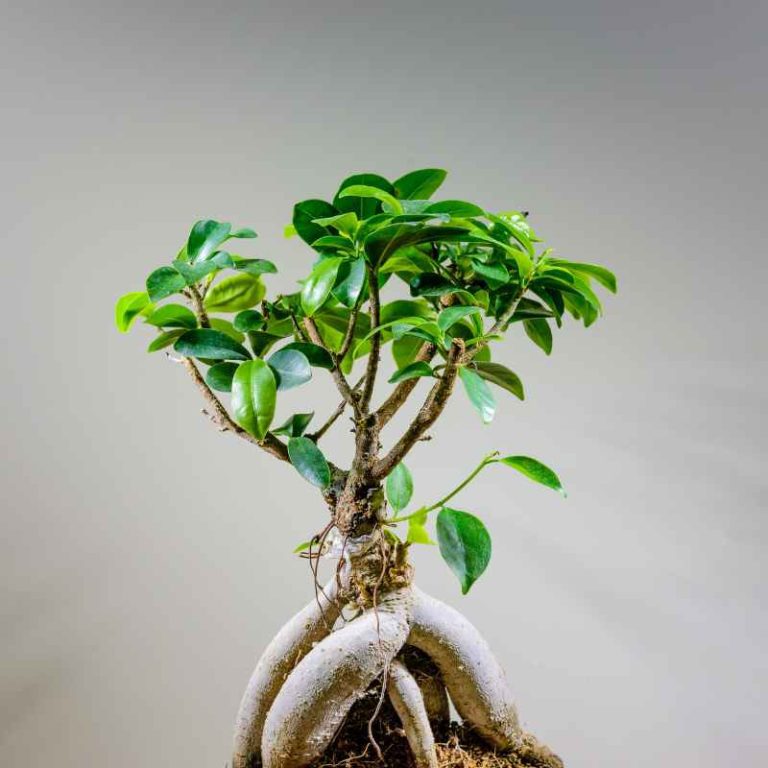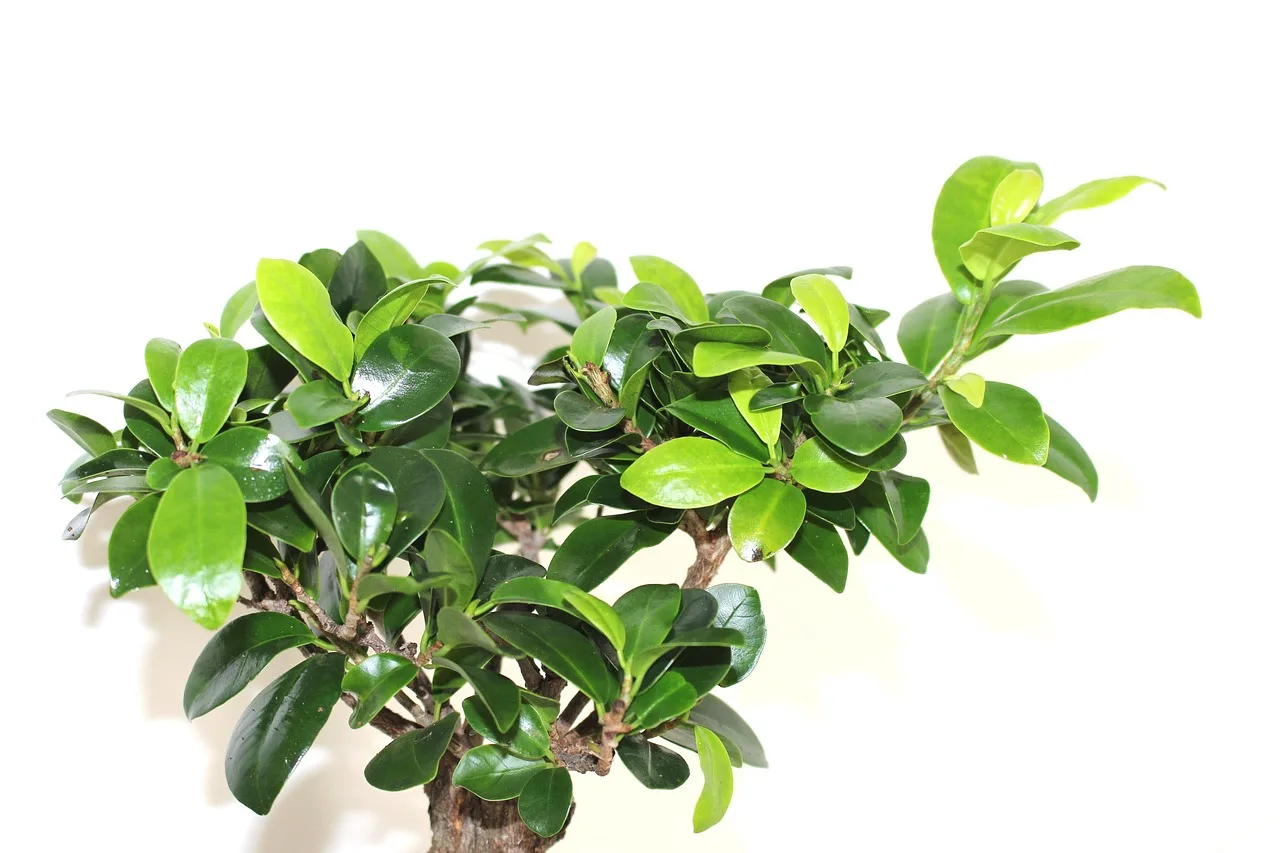
How to Care for Tropical Bonsai Trees in Winter Indoors
Keep tropical bonsai warm, in bright light, and lightly moist indoors during winter; water when the top layer of soil has mostly dried. Give 12–14 hours of strong light, then water only when the top 1–2 cm of soil dries. If you treat them like ordinary houseplants, they can drop leaves, stall, or die back from low light and dry air. This guide explains light, humidity, watering, temperature, and what to change for common tropical species.
What you’ll need


- A south-facing window, or the brightest window you have
- A grow light that can run on a daily timer
- A humidity tray or a humidifier
- Bonsai substrate with clear drainage
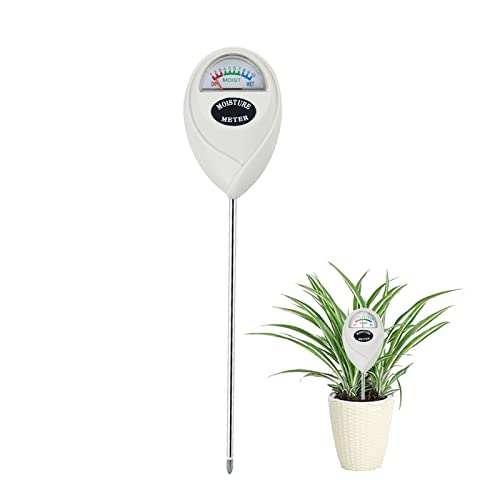
- A finger, chopstick, or moisture meter for soil checks
- A room thermometer, and ideally one near the window
How should you set up light and placement?
Start with the brightest indoor spot, usually a south-facing window, then add artificial light if the tree still stretches, yellows, or sheds leaves. Keep the pot away from drafts, heater blasts, air conditioners, and cold glass leaks. Stable conditions matter more than a warm corner that swings all day.
- Move the bonsai to the brightest available window.
- Use a grow light for about 10 hours a day if winter daylight is weak.
- Place the tree close enough to the light that growth stays compact, but far enough to avoid heat stress from the bulb.
- Keep the pot out of direct airflow from vents, radiators, or AC units.
Say your ficus sits on a bright windowsill in a heated apartment and starts dropping older leaves in January. The first fix is usually more light, not more water. Add a timer-controlled grow light, then watch for firmer new growth over the next 1 to 2 weeks.
How often should you water a tropical bonsai indoors in winter?
Water by soil moisture, not by the calendar. Check the top 1–2 cm of substrate, and water only when that layer is dry and the pot feels noticeably lighter. Bonsai pots hold little water, so a fixed weekly routine can swing between too dry and too wet.
- Check the soil with a finger or chopstick before every watering.
- Water thoroughly until it runs from the drainage holes.
- Let excess water drain completely; never leave the pot standing in runoff.
- If the top layer is still damp, wait and check again the next day.
In a dry heated home, a shallow bonsai pot can go from damp to dry fast, but the root ball can also stay wet in the center longer than the surface suggests. That is why the top layer alone is not the whole signal.
How do you manage humidity and temperature?
Tropical bonsai do best around 20°C, and many should not be kept below 15°C. Use a pebble tray, room placement, and, if needed, a humidifier to keep the air from drying out. Misting gives only short relief. In heated homes, it fades too fast to solve the problem on its own.
Use a humidity tray the right way
A tray helps raise humidity around the canopy, but the pot should sit above the water, not in it. Fill the tray with pebbles and water, and keep the water level below the top of the pebbles so the roots are not sitting in runoff.
When a humidifier helps more than misting
If the tree is beside a heating system and the room air feels dry all day, a humidifier is the stronger fix. Misting can briefly wet the leaves, but it does little for the root zone and little for the air once the room is actively heated.
Keep tropical species near the right temperature range
Ficus, schefflera, and carmona usually tolerate indoor winter conditions better when the room stays steady. Subtropical types can handle cooler air, but a stable room is still better than a room that swings from warm daytime sun to a cold night draft.
- Set the tree in a naturally humid room if possible, such as a kitchen or bathroom with good light.
- Use a humidity tray under the pot when the air feels dry.
- Raise humidity with a humidifier if leaf tips crisp or buds stall.
- Keep the room near 20°C for tropical species, and do not let them drift much below 15°C.
Winter care decision table
This table separates the most common indoor species by their winter light, humidity, watering, and warning signs. Use it to adjust care instead of applying one routine to every tropical bonsai.
| Species | Minimum light setup | Humidity target method | Watering trigger | Red-flag symptoms |
|---|---|---|---|---|
| Ficus | Brightest window; add a grow light for about 10 hours if winter light is weak | Humidity tray plus room humidity; humidifier if the room is heated and dry | Water when the top 1–2 cm dries | Leaf yellowing, sudden drop of older leaves, soft new growth |
| Jade | Very bright window; strong supplemental light helps prevent stretching | Light humidity support only; avoid keeping the air overly damp | Wait longer between waterings; water only after the soil dries well | Wrinkled leaves from dryness, mushy stems from excess water |
| Schefflera | Bright window; grow light if leaves thin out or internodes stretch | Humidity tray or humidifier in heated rooms | Water after the top layer dries, then recheck drainage | Leaf drop, pale growth, limp leaf stalks |
| Carmona | Brightest window available; supplemental light is often useful in winter | More consistent humidity than misting alone can provide | Keep evenly moist, but never soggy; check soil more often than for jade | Bud drop, leaf drop, dry leaf edges, stalled growth |
What are the most common winter mistakes?
Most indoor winter failures come from a mismatch between light, water, and air movement. The fix is usually to simplify the routine and make each variable more deliberate: brighter light, less guesswork, and less water trapped in cold, slow-drying soil.
- Stop watering on a fixed schedule.
- Switch from multi-purpose compost to a fast-draining bonsai substrate if the soil stays wet too long.
- Move the tree farther from heaters, AC vents, and drafty windows.
- Reduce fertilizer when growth slows; feed lightly only if the tree is still growing.
Suppose a carmona sits two feet from a heating vent, gets misted every morning, and keeps losing leaves. The likely issue is not lack of mist; it is dry air, unstable heat, and water use that does not match the soil’s actual condition.
7-day troubleshooting checklist for dry heated homes
- Day 1: Move the tree to the brightest room position available, ideally near a south-facing window.
- Day 2: Check the soil at 2 cm depth before watering, and confirm the pot drains freely.
- Day 3: Set up a humidity tray with the water level below the top of the pebbles.
- Day 4: Measure the room temperature near the tree and keep it steady.
- Day 5: Add a humidifier if leaves still curl, crisp, or drop in dry heated air.
- Day 6: Check for root-rot clues: sour soil smell, blackened roots, or a pot that stays wet for days.
- Day 7: Adjust watering intervals based on drying speed, not the calendar.
Frequently asked questions
Which tropical bonsai species handle indoor winter conditions best?
Ficus is the most common beginner choice because it adapts well to indoor conditions. Dwarf jade, schefflera, carmona, and sweet plum are also common indoor options, but they do not all want the same watering pace or light level. Match the species to the room before winter starts.
Do tropical bonsai need a humidity tray in winter?
A humidity tray helps, especially in heated homes, but it is not a cure-all. Use one with pebbles and water kept below the top of the stones. If the room is very dry, a humidifier usually does more than misting because it changes the air around the whole tree.
Can I keep my bonsai next to a heater or air conditioner?
No. Heaters and air conditioners create hot, dry blasts and sudden swings that tropical bonsai dislike. Keep the tree in a stable spot with bright light and no direct airflow. If the nearest bright window is also drafty, move the tree a little farther back and add a grow light.
Should I use grow lights for indoor bonsai in winter?
Yes, if the window light is weak or the tree starts stretching, yellowing, or shedding leaves. A common target is about 10 hours a day of supplemental light. Put the light close enough to be useful, then keep the tree on a timer so the day length stays consistent.
What temperature is too cold for tropical bonsai indoors?
Tropical species do best around 20°C, and many should not go below 15°C. Subtropical bonsai can tolerate cooler conditions, down to around 7°C, but that does not make them good candidates for cold drafts. Keep the room steady first, then fine-tune light and water.
How do I stop leaf drop on an indoor bonsai in winter?
Start with light, then check water and temperature. Leaf drop often follows dim windows, dry heated air, or overwatering in slow winter conditions. Move the tree brighter, water only when the soil dries, and keep it away from vents and cold glass. New growth usually tells you the fix is working.
Should I fertilize an indoor bonsai in winter?
Reduce feeding when growth slows. If the tree is still actively growing under strong light, a light winter feed can be used, but heavy feeding is a bad trade in low light because roots cannot use it well. When growth stops, pause fertilizer and restart in the stronger light season.