Can You Bonsai an Almond Tree And Harvest Almonds
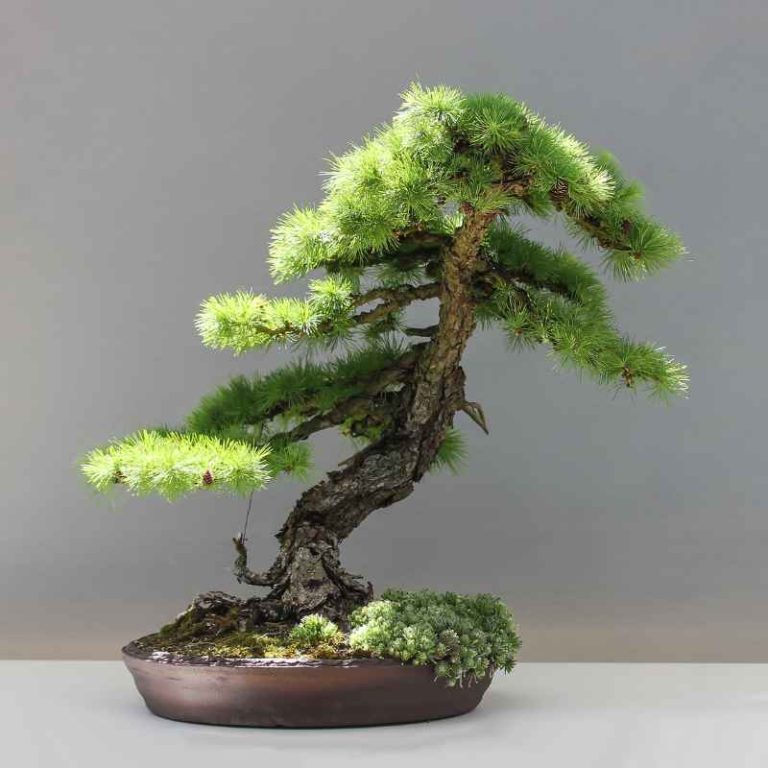
Bonsai is widely celebrated as the art of transforming ordinary trees into living sculptures, blending horticulture and artistic vision. For enthusiasts who cherish both the beauty of bonsai and the delight of homegrown fruit, a natural question emerges: can you bonsai an almond tree and actually harvest almonds? While the allure of a miniature almond orchard on your windowsill is strong, the reality involves a unique intersection of botany, patience, and technique.
This article explores the feasibility, techniques, and challenges of cultivating an almond tree as a true bonsai while producing edible nuts. We’ll dive into what makes almond trees unique, how bonsai practices affect fruiting, and the horticultural innovations that make this goal attainable.
Whether you’re a bonsai aficionado, a backyard grower, or a curious gardener, you’ll find expert insights, actionable guidance, and realistic expectations for this fascinating endeavor.
Key Takeaways
- Almond trees can be bonsaied and may produce nuts, but success depends on careful species selection, pollination, and advanced bonsai techniques.
- Miniaturizing an almond tree impacts nut size and yield, but harvesting is possible with proper care.
- Dwarf and semi-dwarf almond cultivars offer the best results for bonsai fruiting.
- Pollination, root management, and optimal growing conditions are critical for nut production in bonsai almond trees.
- Bonsai almonds require specialized fertilization, watering, and pest management compared to ornamental bonsai.
- Expect smaller harvests and unique aesthetic rewards—bonsai almond trees are both a horticultural challenge and a living conversation piece.

The Almond Tree: Biology, Varieties, And Nut Production
Understanding the biology of almond trees (Prunus dulcis) is essential to successfully bonsai and harvest almonds. Almonds are deciduous, flowering trees native to the Middle East and South Asia, but widely cultivated in Mediterranean climates worldwide.
Botanical Overview
- Family: Rosaceae (rose family)
- Type: Deciduous, broadleaf
- Typical size: 15-30 feet tall in the ground
- Lifespan: 20-50 years
- Flowering: Early spring (white/pale pink blooms)
- Fruiting: Late summer to early fall
Almond trees are closely related to peaches, cherries, and plums. The “almond” is technically the seed inside a hard fruit shell.
Almonds grow best in warm, temperate climates with hot, dry summers and mild, wet winters. The trees are moderately drought tolerant once established but require regular watering during critical periods such as flowering and fruit set. Their deciduous nature means they shed leaves in autumn and enter dormancy during winter, a period critical for their future blooming.
Main Almond Varieties
There are two main types:
- Sweet almonds (Prunus dulcis var. Dulcis): Edible, used in food
- Bitter almonds (Prunus dulcis var. Amara): Contains amygdalin; toxic if not processed
Within sweet almonds, popular cultivars include:
- Nonpareil: Most common commercial variety, soft shell, high yield
- Carmel: Compact, self-compatible, good for small spaces
- Tuono: Italian variety, self-fertile, late-flowering
- Texas Mission: Hard shell, disease-resistant
When choosing a variety for bonsai, dwarf or semi-dwarf cultivars like ‘Garden Prince’ or ‘Tuono’ are ideal due to their natural compactness. These cultivars have been bred for container growing and small-scale orchards, making them far more manageable for the constraints of bonsai culture.
Varietal selection is crucial, as some varieties are more prone to diseases or require more chilling hours than others. For example, ‘Garden Prince’ is particularly suited to areas with mild winters and is renowned among container growers for its reliable flowering and fruit set.
Pollination And Nut Production
- Most almond varieties are self-incompatible—they need a different variety nearby for pollination.
- Self-fertile cultivars like ‘Tuono’ or ‘Garden Prince’ are more practical for bonsai.
- Bees are primary pollinators; hand pollination may be required indoors or in isolated bonsai setups.
Pollination is a key limiting factor for nut production in almond bonsai. In traditional orchards, beehives are often placed among the trees during bloom. For bonsai, especially if grown indoors or as a single specimen, you’ll likely need to transfer pollen manually using a soft paintbrush, mimicking the work of pollinating insects.
Nut Production Timeline
Almond trees typically:
- Begin flowering in 2-4 years (in ground; longer in bonsai).
- Produce harvestable nuts in 3-6 years.
- Reach peak production at 7-10 years.
Bonsai culture often extends these timelines due to growth restrictions.
In bonsai, the reduced root mass and limited canopy slow development. Patience is vital, as the tree must first establish a strong root system and trunk before diverting energy to flowering and fruiting. Even then, the first nuts may be sparse, with yields increasing slowly as the tree matures.
Unique Challenges For Bonsai Almonds
- Almonds need chilling hours (250–500 hours at 32–45°F/0–7°C) to set fruit.
- They are susceptible to diseases (shot hole, rust, anthracnose) and pests (mites, aphids).
For bonsai growers in subtropical or tropical zones, insufficient chilling can prevent flowering altogether. Urban growers often use innovative techniques—such as placing the dormant tree in a cold cellar or refrigerator—to simulate winter conditions.
Almonds can also be sensitive to overwatering, especially in bonsai containers. Root rot is a common issue if the soil does not drain well. Regular monitoring for pests is essential, as infestations can quickly damage a small tree.
For more botanical detail, see Wikipedia: Almond.
Bonsai Principles Applied To Almond Trees
Bonsai is not a species, but a set of horticultural and aesthetic techniques applied to woody plants. Applying these principles to almond trees requires adapting to their unique growth habits and fruiting requirements.
Key Bonsai Techniques
- Pruning: Both root and branch pruning to maintain size and shape.
- Wiring: Directing branch growth for artistic structure.
- Defoliation: Occasionally used to reduce leaf size.
- Repotting: Regular root pruning and soil replacement.
- Leaf Reduction: Achieved through selective pruning and fertilization.
Root pruning is particularly important for almonds, as they can quickly outgrow containers. The process encourages the development of fine roots essential for nutrient uptake and overall health. Branch pruning helps create the classic bonsai silhouette but must be balanced against the need for fruit-bearing wood.
Wiring is used to sculpt the tree’s branches into elegant, naturalistic forms. With almonds, wiring should be done carefully, as their branches can be brittle, especially in older wood. Young shoots are more flexible and respond well to shaping.
Almond Trees As Bonsai Subjects
- Almonds have vigorous growth—they need more frequent pruning than many bonsai species.
- Their leaves are relatively large; leaf reduction is more challenging.
- They flower profusely, offering visual interest even before nut set.
Almond leaves, while beautiful, are larger than those of traditional bonsai species like maple or elm. Leaf reduction is achieved through careful pruning and controlled fertilization, but expect leaves to remain larger than those on, say, a Japanese maple bonsai.
The trade-off is spectacular spring blooms, often covering the tree in delicate white or pink flowers.
Compatibility Of Fruit Production And Bonsai
Bonsai techniques can reduce a tree’s energy for fruiting. The smaller the tree, the less energy it has for producing nuts. However, with:
- Careful fertilization
- Strategic pruning (allowing more foliage during fruit set)
- Proper watering
…it is possible to achieve modest nut harvests, particularly with dwarf cultivars.
It’s important to time pruning and fertilization carefully. Excessive pruning just before or during flowering can remove fruiting wood and reduce the chance of nut set. During spring and early summer, allow the tree to retain more foliage to support the energy demands of fruit production.
Real-world Example
In 2017, the Brooklyn Botanic Garden successfully fruited a potted almond tree trained in informal upright style. The tree, only 18 inches tall, produced three mature almonds after eight years of specialized care.
This example highlights the patience and persistence required. The tree was hand-pollinated, carefully fed, and given optimal light and temperature conditions. Each year, branch and root pruning were adjusted to support both aesthetic form and the tree’s physiological needs.
Artistic Vs. Fruiting Goals
Some bonsai artists focus solely on aesthetics, removing flowers and fruit to avoid stressing the tree. For edible bonsai, compromises are necessary—sacrificing some refinement for the joy of harvest.
If your goal is to harvest nuts, you may need to tolerate slightly coarser growth and a less “refined” silhouette during the fruiting period. This trade-off is common among all fruiting bonsai and is a matter of personal preference.
For a comprehensive overview of bonsai principles, see Bonsai Empire: The Basics.

Cultivation Techniques For Bonsai Almond Trees
Growing a productive almond bonsai demands both traditional bonsai skills and fruit tree expertise. Here’s how to maximize your chances of a healthy, nut-producing miniature almond.
Selecting The Right Almond Variety
Success begins with variety selection:
- Choose dwarf/semi-dwarf cultivars (e.g., ‘Garden Prince’, ‘Tuono’)
- Prefer self-fertile varieties for single-tree bonsai
- Select disease-resistant strains when possible
Look for varieties that are already proven in container culture. Local nurseries or specialty fruit tree suppliers may carry suitable cultivars, and many will offer guidance on chilling requirements and disease resistance suited to your climate.
Soil And Container Requirements
Almonds need:
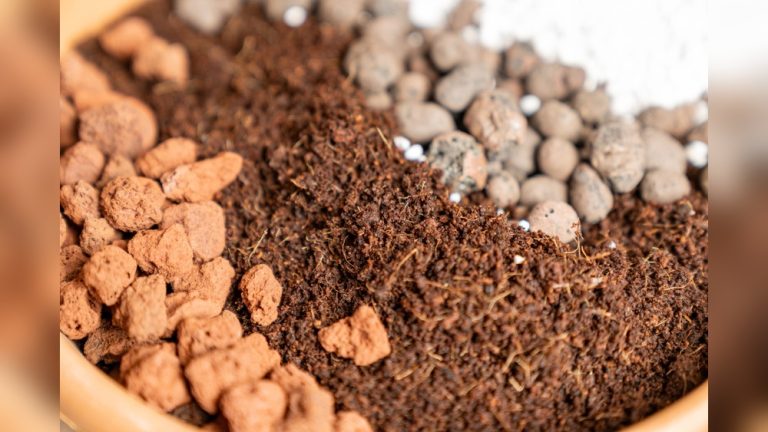
- Well-draining bonsai soil (mix of akadama, pumice, and lava rock or sand)
- Shallow containers to restrict root growth, but not so small as to cause drought stress
- Annual or biennial repotting, best in late winter before bud break
Good drainage is vital, as almonds are especially susceptible to root rot. Consider using a layer of coarse gravel at the bottom of the pot to further improve drainage. Container size should balance root restriction (for bonsai form) with the need to support flowering and fruiting.
Watering And Fertilization
- Keep soil evenly moist but not soggy
- Use balanced, slow-release fertilizer during the growing season
- Increase potassium and phosphorus before flowering/fruiting
Almonds, like all fruiting trees, require more nutrients when setting and filling nuts. Too much nitrogen can promote excessive leafy growth at the expense of flowers and fruit, so switch to a bloom fertilizer (higher in phosphorus and potassium) as buds swell in spring.
Regular deep watering encourages deep root growth, but ensure excess water drains freely. Monitor soil moisture closely during hot weather, as small pots can dry out rapidly.
Sunlight And Temperature
- Full sun (6+ hours daily) is essential for flowering and nut maturation
- Protect from late frosts, which can damage buds
- Almonds in pots are less cold-hardy; shelter in winter if needed
Almond bonsai thrive best in locations with maximum sunlight exposure. South-facing windowsills, patios, or balconies are ideal. In colder climates, move the tree to a protected but cool area in winter to satisfy chilling requirements while avoiding root freezing.
Pruning And Training
- Prune after harvest to shape and control size
- Avoid removing all new growth during the fruiting period
- Use wiring in late winter/early spring to direct branch structure
Regular pinching back of vigorous shoots maintains compactness, but allow enough new growth during spring and summer to support fruit development. Remove crossing, weak, or inward-growing branches to open up the canopy and reduce disease risk.
Wiring is best done when branches are still flexible; monitor wires regularly to avoid scarring.
Pollination Strategies
- For single bonsai, hand pollination may be necessary:
- Use a soft brush to transfer pollen between flowers
- Repeat over several days during bloom
- Outdoors, encourage bee visits by planting other nectar-rich flowers nearby
When hand-pollinating, ensure you transfer pollen from the anthers (male parts) to the stigma (female part) of each flower. Repeat the process daily during the bloom period for best results.
Pest And Disease Control
- Monitor for spider mites, aphids, and scale insects
- Treat fungal diseases with organic sprays (e.g., copper fungicide)
- Avoid overwatering to prevent root rot
Inspect the tree at least weekly during the growing season. Remove any infested leaves or branches promptly and consider using horticultural oil or insecticidal soap for minor outbreaks. For fungal issues, good air circulation around the tree is as important as timely fungicide application.
For specific almond pest management strategies, see UC IPM: Almond.

Nut Production: Yield, Quality, And Limitations
Achieving a harvestable almond crop from a bonsai tree is a unique challenge. Let’s examine what to expect in terms of yield, nut quality, and the main limitations.
Expected Yield
- A mature, ground-grown almond tree can yield 30–65 lbs (13–30 kg) of nuts annually.
- A bonsai almond typically produces 1–10 nuts per year—sometimes fewer, depending on tree size, age, and vigor.
- The first harvest often arrives 6–10 years after starting the bonsai, due to slow development.
Yields depend on the tree’s health, the growing conditions, and how much energy is allowed to go toward fruit set versus vegetative growth. Some years, especially following heavy pruning or repotting, there may be no nuts at all.
Nut Size And Quality
- Bonsai almonds are usually smaller than standard, but fully edible
- Quality depends on:
- Adequate pollination
- Proper nutrient supply
- Sufficient sunlight
Flavor is typically excellent, sometimes even superior to commercial almonds, as home growers can allow nuts to ripen fully and avoid chemical treatments. Shell hardness and thickness will also be slightly greater in some cases due to the tree’s limited resources.
Harvesting Process
- Almonds are ready to pick when the hull splits open, revealing the shell
- Allow hulls to dry on the tree, then remove and cure nuts for 1–2 weeks in a dry, ventilated area
Harvesting is a delicate process on a small tree—gently twist the nut free to avoid snapping branches. Allowing the hulls to dry thoroughly reduces the risk of mold during storage.
Factors Limiting Yield
- Root restriction: Limits water and nutrient uptake, reducing nut set
- Pruning: Excessive removal of new growth limits fruiting wood
- Energy balance: Fruiting requires significant tree resources
It’s often recommended not to allow every flower to set fruit. Thinning developing nuts can help the tree focus its energy on fewer, higher-quality almonds and prevent excessive stress.
Table: Yield Comparison
| Tree Type | Annual Nut Yield (avg.) | Nut Size | Time to First Harvest |
|---|---|---|---|
| Standard Almond Tree | 30–65 lbs (13–30 kg) | Normal | 3–6 years |
| Dwarf Almond Tree (container) | 2–10 lbs (0.9–4.5 kg) | Slightly smaller | 4–8 years |
| Bonsai Almond Tree | 1–10 nuts | Smallest | 6–10 years |
Real-world Case Study
A bonsai enthusiast in California reported a 12-year-old ‘Garden Prince’ almond bonsai (16 inches tall) producing four mature nuts in 2026, following hand pollination and increased potassium feeding. The nuts were smaller than store-bought almonds but had excellent flavor.
This case highlights the importance of consistent care and targeted fertilization, as well as the potential for rewarding harvests even from a miniature tree. The grower noted that allowing the tree to rest every other year (not setting nuts) improved both vigor and future yields.
For more on nut harvesting and home processing, see Gardening Know How: Harvesting Almonds.
Step-by-step Guide: Creating And Fruiting An Almond Bonsai
Here’s a practical guide to starting and fruiting your own almond bonsai, from seed or nursery stock.
Step 1: Sourcing And Germination
- Purchase a dwarf almond sapling or germinate seeds from a reputable source
- Ensure the variety is self-fertile if only growing one tree
- If starting from seed:
- Stratify seeds for 6–8 weeks at 34–41°F (1–5°C) in moist sand
- Plant in small pots, covering with 1 inch of soil
- Keep moist and warm (65–75°F)
Germinating from seed allows for greater control over the tree’s early development but adds several years to the timeline. Buying a young grafted sapling is recommended for those who wish to see flowers and nuts sooner.
Step 2: Initial Training
- Allow seedling or sapling to grow 2–3 years to establish a strong trunk
- Begin root pruning and initial shaping after 2 years
During this period, focus on building trunk thickness, which gives the bonsai an impression of age and strength. Avoid heavy pruning that might stunt early development.
Step 3: Potting And Shaping
- Transfer to a bonsai pot with well-draining soil
- Prune roots by 1/3 to encourage fine feeder roots
- Wire main branches for structure during late winter
When moving to a bonsai pot, take care not to remove more than one-third of the roots in a single session. Gradual root reduction over several repottings helps avoid shock.
Step 4: Maintenance And Care
- Water consistently, never allowing soil to fully dry out
- Fertilize with a balanced, slow-release product from spring to late summer
- Prune branches after harvest; avoid heavy pruning during flowering/fruiting
Monitor for pests and diseases, especially during the warm, humid months. Keep foliage clean and free from dust to maximize photosynthesis.
Step 5: Encouraging Flowering And Fruiting
- Provide full sun and appropriate chilling hours in winter
- Hand-pollinate flowers if pollinators are scarce
- Increase phosphorus and potassium fertilizer before bloom
If growing indoors, move the tree to a cool (but not freezing) spot for at least 8 weeks in winter. This simulates the natural dormancy required to trigger spring blooming.
Step 6: Harvest And Aftercare
- Harvest nuts when hulls split and dry
- Allow the tree to recover with additional feeding post-harvest
- Repot every 2 years, root pruning as needed
After harvest, provide a period of rest with reduced watering and no fertilization, allowing the tree to prepare for the next cycle.
Table: Timeline Of Almond Bonsai Development
| Year | Key Activities | Expected Progress |
|---|---|---|
| 1–2 | Seedling growth, minimal pruning | Establish trunk and roots |
| 3–5 | Initial shaping, root pruning, first wiring | Basic bonsai form |
| 6–8 | Enhanced structure, first flowering | Potential for first nuts |
| 9–12 | Maintenance, selective fruiting | Regular, small nut harvests |
Example: Urban Apartment Bonsai
A Tokyo-based grower kept a ‘Tuono’ almond bonsai on a south-facing balcony, using winter refrigeration (dormant chilling in a wine fridge) to trigger flowering. Hand-pollination resulted in three nuts in the 9th year, proving that even urban growers can succeed with ingenuity.
This example also highlights the importance of adapting techniques to your environment. Urban growers can use creative solutions—like portable grow lights or humidity trays—to simulate optimal outdoor conditions.
Challenges And Solutions In Fruiting Bonsai Almonds
While the concept is appealing, growing almond bonsai for nuts presents unique hurdles. Here’s how to overcome the most common obstacles.
Challenge 1: Insufficient Pollination
- Solution: Choose self-fertile varieties and use hand pollination if needed. Outdoors, attract bees with companion plants.
Hand pollination is often the difference between success and failure, especially in indoor or isolated bonsai. Even outdoors, inclement weather during bloom can reduce natural pollinator activity, so having a backup plan ensures a greater chance of fruit set.
Challenge 2: Poor Nut Set Or Drop
- Solution: Avoid over-pruning during the flowering/fruiting period. Ensure adequate nutrients, especially potassium and phosphorus.
Nut drop can also be caused by water stress or sudden temperature fluctuations. Maintaining even soil moisture and protecting the tree from strong winds or extreme temperatures during flowering will improve retention.
Challenge 3: Pest And Disease Pressure
- Solution: Monitor closely due to the small tree size; treat with organic sprays and remove affected leaves promptly.
Use sticky traps, neem oil, and physical removal of pests as part of your integrated pest management strategy. Early intervention is key to preventing outbreaks from overwhelming a miniature tree.
Challenge 4: Environmental Stress
- Solution: Protect from frost; ensure regular watering without waterlogging. Bonsai pots dry out faster than garden beds.
Windbreaks, frost cloths, or temporarily moving the tree indoors can help protect delicate buds and flowers. Mulching the soil surface can help maintain even moisture and temperature levels.
Challenge 5: Limited Energy For Fruit
- Solution: Allow more foliage during bloom and early fruit set; reduce stress by not fruiting the tree every year.
Consider alternating fruiting and resting years for your tree, which mimics professional orchard practices and helps maintain long-term vigor.
Table: Common Problems And Solutions
| Problem | Likely Cause | Recommended Solution |
|---|---|---|
| Few or no flowers | Insufficient chilling, lack of sunlight | Ensure winter dormancy and 6+ hours sun daily |
| Flowers but no nuts | Poor pollination, over-pruning | Hand pollinate, reduce pruning during bloom |
| Leaf drop or yellowing | Overwatering, root rot | Improve drainage, reduce watering |
| Pest outbreaks | Dry conditions, lack of monitoring | Increase humidity, inspect regularly, use organic sprays |
Real-world Example: Overcoming Setbacks
A European grower lost an entire nut crop due to late spring frost. The solution: moving the bonsai indoors on cold nights, then back outside during the day—showing the importance of microclimate management for bonsai fruiting.
This adaptability is what sets successful growers apart. Whether it’s protecting against frost, supplementing light, or hand-pollinating, responsive care is critical.
For further reading, see Royal Horticultural Society: Almonds.
Comparing Bonsai Almonds With Other Fruiting Bonsai Trees
How does the almond compare with other common fruiting bonsai species in terms of suitability, care, and yield?
Almond Vs. Other Fruiting Bonsai
- Apple Bonsai: Apples are more tolerant of root restriction, and many dwarf apple varieties fruit reliably in small pots.
- Cherry Bonsai: Cherries are valued for their blooms; fruiting is possible but challenging due to pollination needs.
- Fig Bonsai: Figs are highly adaptable, self-fertile, and fruit readily even as small bonsai.
- Citrus Bonsai: Dwarf citrus trees (e.g., calamondin) fruit well in containers and bonsai form.
Almonds are more demanding than figs or citrus, both in chilling requirements and in their sensitivity to root pruning. While they reward careful growers with beautiful spring flowers and the occasional nut, other species may be more forgiving for beginners or those with less time to devote to bonsai care.
Table: Fruiting Bonsai Comparison
| Tree | Ease of Bonsai Training | Fruit Set in Bonsai | Special Challenges |
|---|---|---|---|
| Almond | Moderate | 1–10 nuts/yr (rare) | Pollination, chilling, leaf size |
| Apple | Easy | 3–20 apples/yr | Root rot, biennial bearing |
| Cherry | Moderate | Few fruits/yr | Pollination, fruit drop |
| Fig | Easy | 10–30 figs/yr | Cold sensitivity |
| Citrus | Easy | 5–20 fruits/yr | Scale insects, root aphids |
Summary
Almonds are among the more challenging fruiting bonsai, but their spring blossoms and the novelty of edible nuts make the effort worthwhile for patient growers.
For more on fruiting bonsai, see Bonsai Tree Gardener: Fruiting Bonsai.
Frequently Asked Questions
Can You Really Harvest Edible Almonds From A Bonsai Almond Tree?
Yes, it is possible to harvest edible almonds from a bonsai almond tree. However, yields will be very small—typically 1 to 10 nuts per year—and the nuts may be smaller than those from standard trees. Success depends on proper variety selection, pollination, and attentive bonsai care.
The process is rewarding but requires commitment to the tree’s long-term health and careful management of its environment and nutrition.
What Is The Best Almond Variety For Bonsai And Nut Production?
The best varieties for bonsai are dwarf or semi-dwarf, self-fertile cultivars such as ‘Garden Prince’ and ‘Tuono.’ These naturally compact trees are more likely to flower and set nuts in small containers and do not require a separate pollinator.
Self-fertile varieties remove the need for a second tree, making them much more practical for limited spaces and solitary bonsai projects.
How Long Does It Take For A Bonsai Almond Tree To Produce Nuts?
Expect to wait 6 to 10 years for your bonsai almond to produce its first nuts. This timeline is longer than for ground-grown trees due to the slower growth and frequent pruning required for bonsai.
After the first harvest, yields should slowly increase as the tree matures and the grower refines their care techniques.
Can Indoor Bonsai Almond Trees Fruit Without Bees?
Yes, but hand pollination is required if your bonsai is grown indoors or in isolation. Use a soft brush to transfer pollen between flowers during bloom. Alternatively, move the tree outdoors temporarily during flowering to facilitate natural pollination.
A small oscillating fan can also help distribute pollen indoors, though manual transfer is typically more effective for almonds.
Are There Special Risks Or Common Mistakes With Bonsai Almonds?
Common risks include over-pruning, insufficient chilling hours, poor pollination, and pest infestations. To avoid these mistakes, allow enough foliage for energy during fruiting, ensure winter dormancy, hand-pollinate if needed, and regularly inspect for pests and diseases.
Another frequent error is neglecting root pruning and soil renewal, which can lead to root-bound trees and declining health.
Resources For Further Learning
- The Old Farmer’s Almanac: Growing Almonds
- Bonsai Empire: Watering Bonsai
- Gardening Know How: Fruit Tree Bonsai
The journey of bonsai almond cultivation is a testament to the fusion of art, science, and patient stewardship. While the challenges are greater than with many other fruiting bonsai, the rewards—delicate spring blooms, the satisfaction of nurturing a living sculpture, and even the occasional harvest of homegrown almonds—are uniquely satisfying.
With the right variety, diligent care, and a willingness to embrace both setbacks and small victories, it is entirely possible to bonsai an almond tree and enjoy both its beauty and bounty. Whether you are drawn by the prospect of edible nuts, the artistry of miniaturized trees, or simply the meditative act of tending living things, the almond bonsai offers a rich and rewarding horticultural adventure.