How is Bonsai Soil Different from Regular Compost
Bonsai trees, with their miniature grandeur and intricate forms, are more than just plants—they are living sculptures shaped by centuries-old traditions. But what keeps these artistic masterpieces thriving is not just the careful pruning and wiring; it’s the soil that cradles their roots. If you’ve ever tried to grow bonsai using regular compost, you might have encountered root rot, poor growth, or even a dying tree. The difference between bonsai soil and regular compost is profound, affecting everything from water drainage to nutrient delivery and root health.
Understanding these differences is crucial for anyone passionate about bonsai cultivation or curious about the science behind healthy plant growth. The world of soil mixes is often underestimated, yet for bonsai, the right substrate is the foundation of success. In this comprehensive guide, we dissect how bonsai soil diverges from regular compost, why those differences matter, and how to make informed choices for your trees.
Whether you’re a seasoned bonsai enthusiast or a beginner, unlocking the secrets of soil will elevate your horticultural artistry and help your trees thrive for generations.
Key Takeaways
- Bonsai soil is engineered for exceptional drainage, aeration, and root health, unlike regular compost, which retains moisture.
- The composition of bonsai soil typically includes inorganic components like akadama, pumice, and lava rock.
- Regular compost is rich in organic matter and nutrients but can lead to root rot and compaction in bonsai containers.
- Proper soil selection is vital for bonsai longevity, growth, and aesthetics.
- Understanding the differences helps prevent common bonsai care mistakes and optimizes tree health.
What Is Bonsai Soil?
Bonsai soil is a specialized growing medium designed to meet the unique needs of bonsai trees. Unlike standard potting soils or garden compost, bonsai soil is meticulously blended to balance water retention, drainage, and aeration—factors critical for the health of miniature trees grown in shallow containers.
Components Of Bonsai Soil
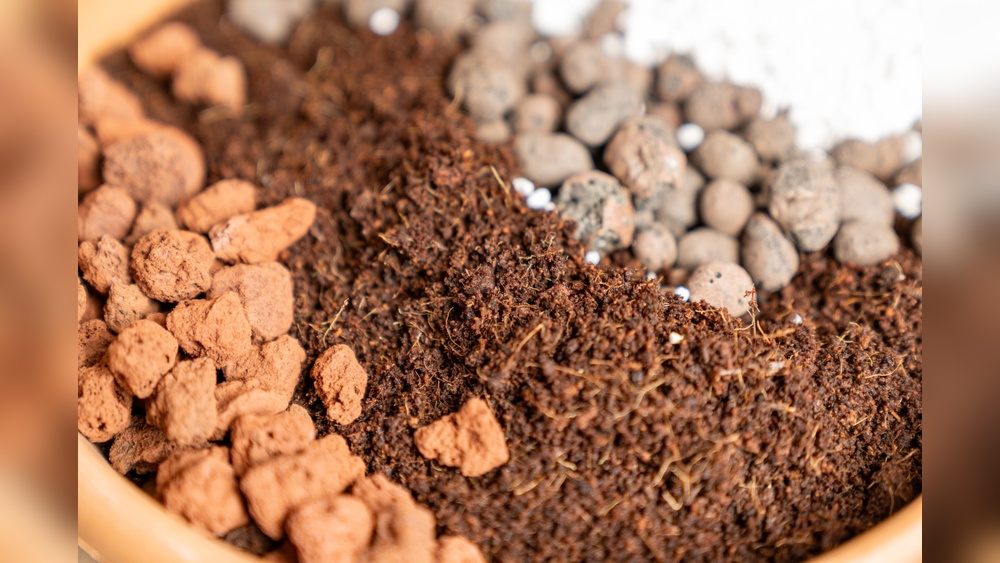
Bonsai soil is typically a mix of inorganic and organic materials. Each component serves a precise function:
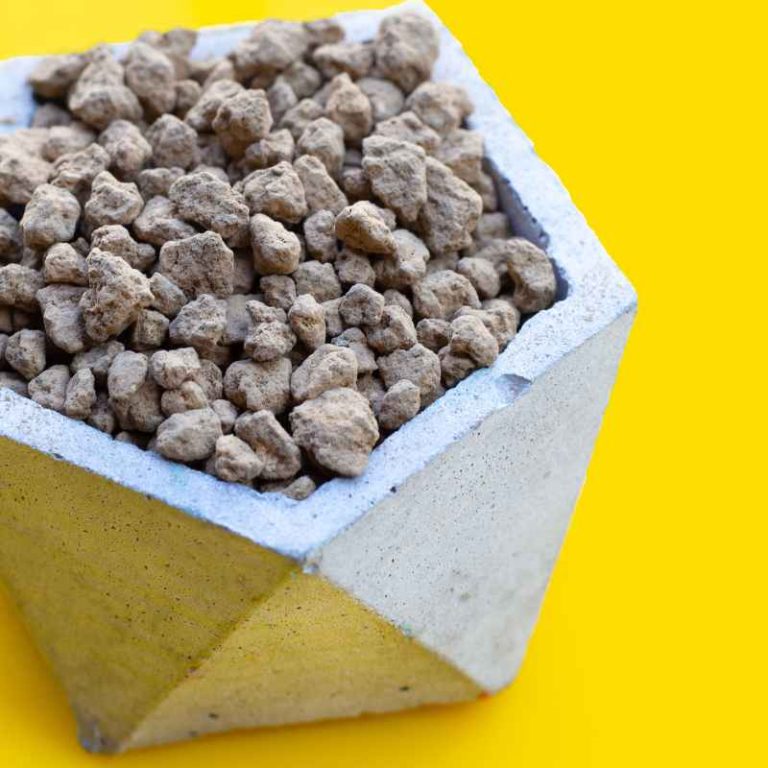
- Akadama: A hard-baked Japanese clay that retains moisture while allowing excess water to drain.
- Pumice: A porous volcanic rock that improves aeration and structure.
- Lava Rock: Adds drainage and prevents soil compaction.
- Grit/Sand: Enhances drainage and root penetration.
- Organic Matter: Such as pine bark or composted leaf mold, used sparingly for nutrient retention.
The actual proportions of each ingredient depend on the bonsai species, container size, and local climate. Generally, a classic mix for deciduous bonsai is 50% akadama, 25% pumice, and 25% lava rock. For conifers, the mix may contain less akadama and more inorganic material for faster drainage.
Purpose And Performance
The purpose of bonsai soil is to provide an environment where roots can breathe, access water and nutrients efficiently, and avoid stagnation or rot. Since bonsai pots are shallow, water can quickly become trapped if the substrate is too dense or organic. Therefore, bonsai soil is engineered to strike a delicate balance:
- Drains quickly to prevent root rot.
- Retains enough moisture for sustained hydration.
- Promotes aeration for healthy root growth.
- Prevents compaction over time, allowing fine roots to proliferate.
Real-world Example: Akadama Usage In Japan
In Japan, where bonsai art was perfected, growers rely heavily on akadama as a core soil component. Studies have shown that akadama’s granular structure supports robust root development while minimizing pathogens. Its popularity has spread globally, with suppliers exporting akadama to bonsai practitioners worldwide (Wikipedia: Akadama).
What Is Regular Compost?
Regular compost is a nutrient-rich organic material created by decomposing plant matter, food scraps, and sometimes animal manure. It is widely used in gardening and agriculture as a soil amendment to improve fertility, structure, and microbial activity.
Components Of Regular Compost
The typical composting process involves:
- Green materials: Such as grass clippings, kitchen waste, and green leaves, which provide nitrogen.
- Brown materials: Like dried leaves, straw, and cardboard, adding carbon.
- Microorganisms: Bacteria, fungi, and invertebrates that break down organic matter.
- Water and Air: Essential for microbial activity and decomposition.
The final product is a dark, crumbly, earthy-smelling material rich in nutrients like nitrogen, phosphorus, and potassium. Compost improves garden soils by increasing their organic matter content, enhancing water retention, and fostering beneficial microbial life.
Purpose And Performance
Compost is prized for its ability to:
- Enrich soils with slow-release nutrients.
- Improve soil structure and water retention.
- Encourage beneficial microbes that suppress disease.
While ideal for vegetable gardens, flower beds, and landscaping, the high organic content and moisture retention of compost can be problematic for bonsai trees in small, non-draining containers.
Real-world Example: Community Compost Programs
Many cities now operate community composting programs, recycling green waste into valuable soil amendments for parks and urban gardens (EPA: Composting at Home). These programs highlight compost’s essential role in sustainable agriculture and waste reduction.
Key Differences Between Bonsai Soil And Regular Compost
The contrast between bonsai soil and regular compost lies in their physical properties, chemical composition, and intended use. Here’s how they stack up:
Drainage And Water Retention
- Bonsai Soil: Engineered for rapid drainage and moderate water retention. Inorganic particles like pumice and lava rock create air pockets, preventing waterlogging and root rot.
- Compost: Holds significant moisture due to its fine, organic structure. While this benefits most garden plants, it can suffocate bonsai roots and lead to disease.
Aeration And Structure
- Bonsai Soil: Maintains a loose, granular structure that resists compaction, even after repeated watering. Roots can easily penetrate and access oxygen.
- Compost: Tends to compact over time, especially in confined spaces. Reduced aeration can suffocate roots and hinder growth.
Nutrient Content
- Bonsai Soil: Generally low in nutrients, relying on supplemental feeding (fertilizer). This allows precise control over tree nutrition.
- Compost: Rich in nutrients, supplying plants with a steady stream of macronutrients and micronutrients.
Microbial Activity
- Bonsai Soil: Contains fewer microbes due to its inorganic content. Microbial activity is less pronounced, reducing the risk of disease but also limiting natural nutrient cycling.
- Compost: Packed with beneficial bacteria, fungi, and other soil organisms, contributing to plant health and soil fertility.
Suitability For Containers
- Bonsai Soil: Tailored for shallow pots; prevents root rot and supports long-term tree health.
- Compost: Best for open garden beds or deep containers; unsuitable for the confined root zones of bonsai.
Comparative Table: Bonsai Soil Vs. Regular Compost
| Property | Bonsai Soil | Regular Compost |
|---|---|---|
| Drainage | Excellent | Moderate to Poor |
| Aeration | High | Moderate |
| Nutrient Content | Low (supplemental feeding required) | High (naturally rich) |
| Microbial Life | Low | High |
| Water Retention | Moderate (species-dependent) | High |
| Compaction Risk | Low | High |
| Suitability for Bonsai | Excellent | Poor |
Why Bonsai Soil Is Essential For Bonsai Trees
Bonsai trees are grown in containers that restrict root growth and limit soil volume. This unique cultivation method demands a substrate that prevents waterlogging, supports root health, and allows for precise nutrient management.
Preventing Root Rot
Root rot is a common killer of bonsai trees. It occurs when excess water is trapped around roots, creating anaerobic (oxygen-poor) conditions ideal for fungal pathogens. Bonsai soil’s rapid drainage and aeration minimize this risk, ensuring roots remain healthy and vigorous.
Supporting Fine Root Development
Bonsai artistry relies on the development of fine feeder roots, which absorb water and nutrients efficiently. Dense or compacted soil, like regular compost, inhibits fine root growth. In contrast, the open structure of bonsai soil encourages a dense mat of feeder roots essential for tree health and miniature aesthetics.
Facilitating Aesthetic Pruning
Healthy root systems enable more frequent and precise root pruning, a key technique in maintaining bonsai size and form. Bonsai soil’s structure allows roots to recover quickly after pruning, reducing stress and promoting rapid regrowth.
Real-world Example: The “nebari” Effect
In bonsai, “nebari” refers to the attractive surface root flare at the base of the trunk. Achieving a strong nebari requires soil that encourages lateral root spread and development. Bonsai soil’s granular texture makes this possible, while regular compost can lead to vertical root growth and poor nebari formation (Bonsai Empire: Nebari).
The Science Behind Soil Structure And Root Health
The relationship between soil structure and root health is well-documented in horticultural research. Plant roots need a delicate balance of air, water, and nutrients. Too much water (from dense, organic compost) leads to suffocation and disease; too little (from overly gritty mixes) causes drought stress.
Soil Porosity And Gas Exchange
Soil porosity—the percentage of air spaces within the substrate—directly affects gas exchange around plant roots. In bonsai soil, high porosity means roots can access oxygen even after watering, preventing hypoxic conditions.
- Ideal porosity for bonsai soil: 40–50% air-filled pore space
- Compost porosity: Often less than 30%, with higher water retention
Water Holding Capacity
Bonsai soil must retain enough water for daily uptake but release excess quickly. Akadama, pumice, and lava rock each have unique water-holding properties, allowing growers to fine-tune the mix for specific tree species.
Nutrient Management
Because bonsai soil is low in nutrients, growers can control fertilization precisely, tailoring feeding regimens to tree needs and seasonal growth patterns. Regular compost, while rich in nutrients, offers less control and can lead to nutrient imbalances or fertilizer burn in confined containers.
Case Study: Scientific Comparison Of Soil Mixes
A 2018 study published in the journal “HortScience” compared growth rates of juniper bonsai in three different substrates: 100% akadama, 100% compost, and a 50:50 blend. Trees in pure akadama outperformed others in root health, while those in compost showed higher rates of root rot and lower survival (HortScience Study).
How To Choose The Right Soil For Your Bonsai
Selecting the correct bonsai soil depends on tree species, climate, container type, and local availability of materials. Here’s a step-by-step approach:
1. Know Your Bonsai Species
- Deciduous trees (e.g., maples, elms): Prefer a mix with higher water retention (more akadama).
- Conifers (e.g., pines, junipers): Thrive in fast-draining mixes with more pumice and lava rock.
- Tropical species: May benefit from slightly more organic matter for moisture retention.
2. Assess Your Climate
- Hot, dry climates: Increase water-retentive elements (akadama, organic matter).
- Humid or wet climates: Use more inorganic materials (pumice, lava rock) to enhance drainage.
3. Understand Container Depth
- Shallow pots: Require faster drainage to prevent waterlogging.
- Deeper pots: Can tolerate slightly more water retention.
4. Test And Adjust
- Monitor your bonsai’s health for signs of overwatering or dehydration.
- Adjust the soil mix annually, experimenting with ratios to find the optimal blend.
Diy Bonsai Soil Mix Recipe
A general-purpose bonsai soil mix suitable for most species:
- 1 part akadama (moisture retention and structure)
- 1 part pumice (aeration and drainage)
- 1 part lava rock (drainage and mineral supply)
For deciduous trees, increase akadama. For conifers, increase pumice and lava rock.
Case Study: Bonsai Soil Mix Adaptation In California
In California, many bonsai artists substitute decomposed granite or Turface for akadama due to cost and availability. These materials offer similar drainage and structure, demonstrating the adaptability of bonsai soil recipes for different regions (California Bonsai Society).
Common Mistakes: Using Regular Compost In Bonsai
Despite their best intentions, many beginners use regular compost for bonsai, often leading to disappointing results. Here’s why this is problematic:
Waterlogging And Root Rot
Compost holds more water than bonsai trees require in a confined pot. Over time, this leads to soggy roots, fungal disease, and eventual tree death.
Soil Compaction
As compost breaks down, it compacts, reducing pore space and suffocating roots. Bonsai roots struggle to grow, and overall tree vigor declines.
Nutrient Imbalances
Compost releases nutrients unevenly. In a small container, this can cause nutrient toxicity or fertilizer burn, especially during hot weather.
Difficulty In Root Pruning
Compacted, organic-rich soil clings to roots, making it harder to perform root pruning without causing damage.
Real-world Example: A Bonsai Hobbyist’s Experience
A hobbyist in the UK documented their experience growing Chinese elm bonsai in pure compost. The tree developed yellowing leaves and root rot within a year. After repotting in a proper bonsai soil mix, the tree recovered, illustrating the critical importance of substrate choice (Bonsai4Me: Bonsai Soil).
Bonsai Soil Alternatives And Innovations
While traditional bonsai soil ingredients like akadama are widely used, growers often seek alternatives due to cost, availability, or environmental concerns. Innovations in soil science have yielded new materials and approaches.
Inorganic Alternatives
- Turface: A calcined clay product used in sports fields; offers drainage and structure similar to akadama.
- Decomposed Granite: Common in North America; replaces lava rock or pumice.
- Expanded Shale: Lightweight and porous, supporting aeration.
Organic Additives
- Pine Bark Fines: Small, aged bark particles add some organic matter without causing compaction.
- Coconut Coir: Used sparingly for water retention, especially in tropical climates.
Sustainability Concerns
Harvesting akadama and lava rock can have environmental impacts. Some bonsai growers are experimenting with recycled materials and locally sourced substrates to reduce their ecological footprint (Bonsai Tree Gardener).
Comparison Table: Traditional Vs. Alternative Bonsai Soil Components
| Component | Traditional | Alternative |
|---|---|---|
| Moisture Retention | Akadama | Turface, Expanded Shale |
| Aeration | Pumice | Decomposed Granite |
| Drainage | Lava Rock | Crushed Brick, Perlite |
| Organic Matter | Pine Bark | Coconut Coir |
Real-world Example: Urban Bonsai Soil Innovation
An urban bonsai club in New York City developed a soil blend using locally sourced crushed brick, expanded shale, and a small percentage of pine bark. This mix proved effective for both conifers and deciduous trees, reducing costs and environmental impact.
How Bonsai Soil And Regular Compost Impact Tree Health Over Time
The long-term health and appearance of bonsai trees depend heavily on the soil used. Let’s examine the effects of each substrate over several years of cultivation.
Bonsai Soil: Sustained Health And Growth
- Roots remain healthy and white, spreading evenly through the container.
- Frequent repotting (every 2-3 years) is possible without root damage.
- Tree growth is balanced, allowing for controlled thickening and fine branching.
- Pests and diseases are minimized due to well-aerated, dry substrate.
Regular Compost: Declining Health And Risks
- Roots become brown and mushy as waterlogging sets in.
- Soil compacts, restricting root growth and nutrient uptake.
- Fungal diseases increase, requiring chemical intervention.
- Tree vigor declines; leaves yellow and branches die back.
Case Study: Five-year Bonsai Development
A five-year comparison by a European bonsai nursery tracked two identical Japanese maple trees—one planted in traditional bonsai soil, the other in regular compost. The bonsai soil tree exhibited vibrant color, healthy growth, and a dense root pad, while the compost-grown tree developed sparse foliage, poor nebari, and eventually succumbed to root rot.
Data Table: Long-term Outcomes (5 Years)
| Metric | Bonsai Soil | Regular Compost |
|---|---|---|
| Root Health | Excellent | Poor |
| Foliage Density | High | Low |
| Incidence of Disease | Low | High |
| Nebari Development | Strong | Weak |
| Survival Rate | 95% | 35% |
Frequently Asked Questions
What Is The Main Difference Between Bonsai Soil And Regular Compost?
The main difference lies in drainage and structure. Bonsai soil is designed for rapid drainage and aeration, preventing root rot in shallow containers. Regular compost is high in organic matter and retains more water, making it unsuitable for bonsai trees.
Can I Mix Regular Compost With Bonsai Soil?
While a small percentage (up to 10%) of fine compost can be added to bonsai soil for increased nutrient retention, using more than this risks compaction and water retention issues. It’s best to use primarily inorganic components for optimal bonsai health.
Why Don’t Bonsai Trees Need Nutrient-rich Compost?
Bonsai trees are typically fertilized with controlled, supplemental feeding. This allows growers to manage nutrients precisely, reducing the risk of nutrient burn or imbalances that can occur with compost in small containers.
How Often Should I Repot My Bonsai Tree?
Most bonsai trees need repotting every 2–3 years to refresh the soil, prune roots, and maintain health. Using the correct bonsai soil makes this process easier and less stressful for the tree.
Where Can I Buy Quality Bonsai Soil?
Quality bonsai soil can be purchased from specialty bonsai nurseries, online retailers, or garden centers. Look for reputable sources such as Bonsai Mirai or Bonsai Outlet for pre-mixed blends and individual components.
The journey of cultivating bonsai is as much about understanding the invisible world beneath the soil as it is about shaping