How Often to Water Bonsai Ponytail Palm in Winter
The bonsai ponytail palm, with its sculptural trunk and cascading foliage, is a favorite among indoor plant enthusiasts seeking a low-maintenance yet visually striking specimen. Yet, the apparent simplicity of this plant hides a critical care detail: the correct watering schedule, especially during the winter months. Overwatering is the most common cause of death for ponytail palms, and winter conditions can make this risk even greater. Understanding the nuanced watering needs of your bonsai ponytail palm during the colder season is essential to maintaining its health and beauty.
Winter brings shorter days, cooler temperatures, and lower light, all of which slow the growth of your ponytail palm and reduce its water requirements. Many owners unintentionally harm their plants by sticking to a summer watering routine, not realizing that what worked during the growing season can lead to root rot and other problems in winter.
This guide provides actionable, evidence-based advice to help you optimize watering and related care for your bonsai ponytail palm in winter, ensuring a thriving plant year after year.
Key Takeaways
- Reduce winter watering: Ponytail palms need significantly less water in winter; let the soil dry out between waterings.
- Monitor environmental factors: Room temperature, humidity, and light levels directly affect watering frequency.
- Check soil moisture: Always test soil before watering; never water on a schedule alone.
- Avoid overwatering: Root rot is a common winter risk; ensure pots have excellent drainage.
- Adjust with plant size and location: Smaller pots and warmer rooms may require slightly more frequent checks.
- Real-world examples: Case studies show that adapting to your specific environment yields the healthiest plants.
Understanding The Ponytail Palm: Origins And Adaptations
Natural Habitat And Drought Resistance
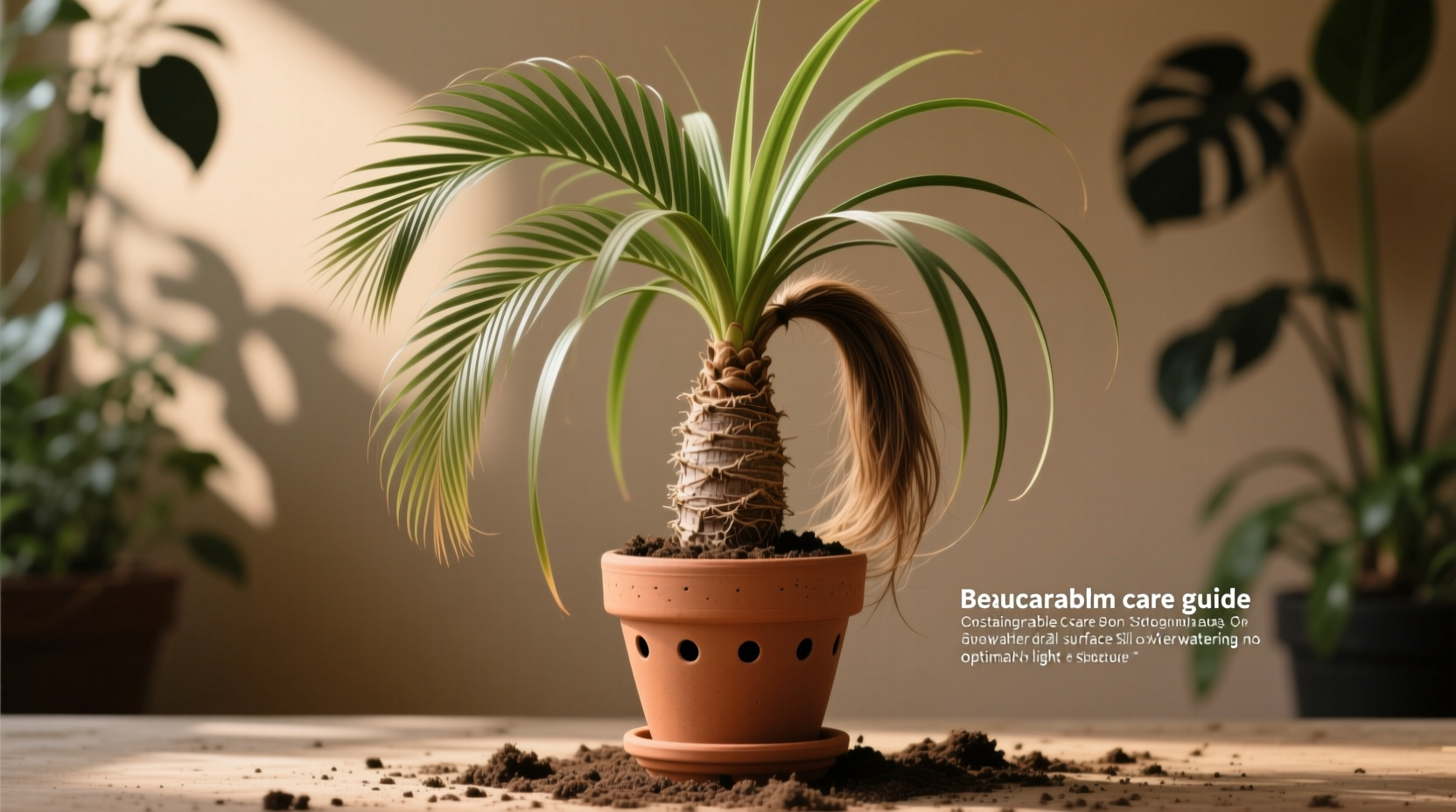
The ponytail palm (Beaucarnea recurvata) is native to the arid regions of eastern Mexico, where it has adapted to survive long periods of drought. The plant’s bulbous trunk base, known as a caudex, acts as a water reservoir, storing moisture for times of scarcity. This adaptation makes ponytail palms particularly resilient and able to withstand infrequent watering.
In its native habitat, the ponytail palm often experiences months without significant rainfall. During these dry periods, it relies heavily on the stored water within its caudex to survive. The harsh conditions of semi-desert regions, with poor soils and high temperatures, have shaped the ponytail palm’s physiology to maximize water retention and minimize water loss.
This evolutionary history explains why the plant is so tolerant of neglect but so susceptible to excessive moisture.
Key Physical Features
- Swollen caudex: Stores water, allowing the plant to survive dry spells. The size of the caudex directly correlates with the plant’s age and its drought resilience—older, larger plants can survive even longer between waterings.
- Long, narrow leaves: Reduce water loss by minimizing surface area. The leaves are coated with a waxy cuticle, further reducing evaporation.
- Fibrous roots: Absorb water quickly when it’s available, but vulnerable to rot if kept wet. The root system is shallow in containers, emphasizing the importance of avoiding waterlogged soil.
Why Bonsai Ponytail Palms Differ From Standard Houseplants
Unlike other houseplants, bonsai ponytail palms are typically grown in smaller containers with specialized bonsai soil mixes. These conditions make them even more susceptible to issues from overwatering, as the limited soil volume dries out and rewets more quickly than larger pots.
Bonsai cultivation also means the roots are often pruned and the soil is intentionally free-draining to mimic the rocky, well-aerated conditions of their natural setting. This increased exposure to air and reduced soil volume means that even a small amount of excess water can quickly create anaerobic conditions, leading to root rot.
Additionally, the aesthetic goals of bonsai—maintaining a compact, visually balanced plant—require precise control of growth, which is best achieved by carefully modulating water and nutrients.
Seasonal Growth Patterns
During spring and summer, ponytail palms are in their active growth phase, using more water to fuel new leaf production. As temperatures drop and daylight hours wane in winter, the plant’s metabolism slows considerably, reducing its water needs. Adapting your care routine to this natural cycle is critical for bonsai health.
This cyclical growth pattern is common to many succulents and desert-adapted plants, but the ponytail palm’s dramatic slowdown in winter makes it especially important not to overcompensate with water or fertilizer. Instead, focus on supporting dormancy by maintaining stable conditions and avoiding stressors like sudden temperature swings or drafts.
The Science Of Watering: How And Why Ponytail Palms Need Less Water In Winter
Plant Physiology And Dormancy
In winter, ponytail palms enter a period of semi-dormancy. The reduced sunlight and cooler indoor temperatures signal the plant to slow its growth. During this time, the caudex is less likely to deplete its water reserves, so less frequent watering is necessary. Overwatering during dormancy can lead to root rot, as the roots are less active and unable to process excess moisture.
Dormancy is a survival mechanism that protects the plant from environmental stress. During this period, metabolic activities such as photosynthesis, respiration, and nutrient uptake are all reduced. The plant focuses on conserving resources, making it particularly vulnerable to excess moisture, which it cannot use efficiently.
In contrast, overwatering in summer is less likely to cause problems because the plant is actively growing and transpiring.
How Water Evaporation Slows In Winter
- Lower light levels reduce the plant’s transpiration (water loss through leaves). Without intense sunlight, the plant closes its stomata more frequently, further conserving water.
- Cooler indoor temperatures slow evaporation from the soil. Even a few degrees’ difference can extend the drying time by several days to weeks.
- Reduced airflow in closed winter homes can further decrease evaporation. Homes are often sealed to retain heat, resulting in stagnant air and higher humidity near the soil surface, which slows drying even more.
Common Mistakes In Winter Watering
Many growers mistakenly water on a strict schedule, ignoring the slower drying rate in winter. This rigid approach often results in soggy soil and root rot. Instead, watering should be based on soil moisture content, not the calendar.
A frequent error is using the same volume of water as in summer, reasoning that the plant “needs a drink. ” In reality, excess water will just accumulate in the pot, suffocating roots and promoting pathogens. Another mistake is mistaking normal winter leaf drop or browning for dryness, when in fact the plant is naturally shedding older leaves or responding to lower light.
Watering Needs: Summer Vs. Winter Comparison
| Season | Typical Watering Frequency | Soil Drying Time | Risks |
|---|---|---|---|
| Summer | Every 1-2 weeks | Fast (3-7 days) | Underwatering if missed |
| Winter | Every 3-4 weeks | Slow (up to 3 weeks) | Overwatering/root rot |
Scientific Insights
A study published by the Royal Horticultural Society found that most desert-adapted houseplants require 50-75% less water during winter months compared to summer. Ponytail palms, with their highly efficient water storage, are at the extreme end of this spectrum.
Other horticultural research has shown that root oxygenation is crucial for preventing root diseases, especially in winter. Waterlogged soils become anaerobic, promoting harmful microbes that attack succulent roots. This further underscores the need for excellent drainage and cautious watering during dormancy.
How To Assess When Your Bonsai Ponytail Palm Needs Water In Winter
Soil Moisture Checks
Always check the soil before watering. The top two inches of soil should be completely dry before you add more water. Use a moisture meter, a wooden chopstick, or simply your finger to test soil dryness.
- Insert the meter or stick into the soil halfway to the roots.
- If it comes out dry and clean, it’s time to water.
- If any dampness or soil clings, wait several more days.
Checking at multiple points around the pot can prevent “wet pockets,” especially in unevenly mixed soil or in bonsai containers with irregular shapes. For deep or narrow pots, longer moisture probes are available, ensuring accurate readings at the root zone.
Visual Clues From The Plant
- Wrinkling caudex: If the trunk appears slightly wrinkled, the plant may need water. This is a sign that the internal water reserves are being used up.
- Leaf tips browning: While this can indicate dryness, it’s often the result of underwatering or low humidity—check soil first. However, excessive browning during winter may also be a sign of too much fertilizer residue or salt buildup.
- Firm, glossy leaves: Indicate the plant is well-hydrated. Loss of sheen or limpness can signal water stress.
Observing the caudex is especially useful in bonsai, where the plant’s miniature size makes changes more visible. If the caudex softens or shows deep wrinkles, it’s a clear call for watering.
Using Technology For Accurate Measurement
For precision, invest in a digital moisture meter. These devices provide an instant reading, reducing guesswork and preventing both under- and overwatering. Brands like XLUX or Sonkir are highly rated for bonsai care.
Some advanced moisture meters even offer multi-point sensors or Bluetooth connectivity for tracking trends over time. This is particularly valuable for collectors managing several bonsai or those who travel and need to delegate care.
Case Study: Moisture Meter Vs. Manual Checks
A grower in Chicago compared watering based solely on a calendar with watering triggered by moisture meter readings over one winter. The moisture meter method resulted in 30% fewer waterings, and the palm exhibited stronger growth and no root rot, compared to the scheduled group, which suffered yellowing leaves and root issues.
This experiment highlights the superiority of responsive care over routine-based watering. The moisture meter user reported healthier root systems and a more robust spring growth flush, demonstrating the cumulative benefits of correct winter care.
The “lift Test” Method
Pick up your bonsai pot to gauge its weight. When the soil is dry, the pot will feel noticeably lighter. This quick test can be especially useful for small bonsai containers.
For those with multiple plants, keeping a reference “dry weight” by weighing the pot after the soil dries can be helpful. Compare this to the post-watering weight to gauge water usage and drying rate.
Factors Affecting Watering Frequency In Winter
Indoor Temperature And Humidity
- Cool rooms (60–65°F): Soil dries much more slowly; water less often.
- Warm rooms (70–75°F): May require slightly more frequent checks.
- Low humidity (<40%):May cause quicker leaf drying, but not necessarily faster soil drying.
High humidity may slow leaf water loss but doesn’t significantly affect soil drying in dense bonsai mixes. However, extremely low humidity can stress the leaves and cause tip browning, even if the roots are well-hydrated.
Light Levels
Bonsai placed in south-facing windows with ample winter sun will use more water than those in shaded corners. Consider supplementing with grow lights if natural light is insufficient.
Monitor the angle and duration of sunlight—late fall and early winter sun is weaker and more diffuse. Rotating the plant periodically ensures even light exposure, preventing lopsided growth and helping maintain even water use.
Pot And Soil Type
- Unglazed clay pots: Wick away moisture, leading to faster drying. These are ideal for beginners prone to overwatering.
- Plastic or glazed pots: Retain water longer. When using these, be extra cautious about watering intervals.
- Bonsai soil mix: Typically drains faster than standard potting soil but still requires caution in winter.
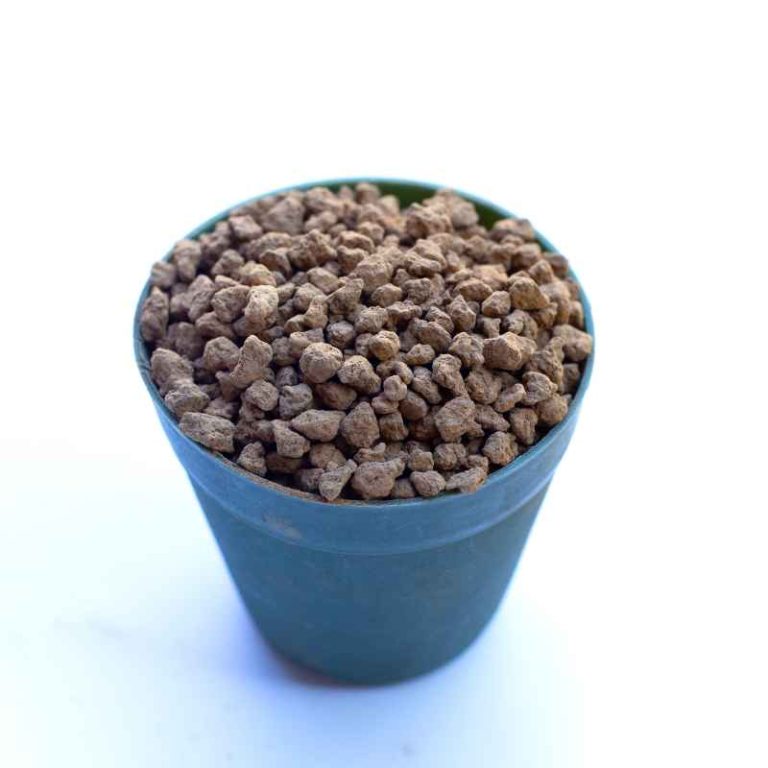
A proper bonsai mix for ponytail palms contains at least 50% inorganic matter (like pumice, perlite, or akadama) to maximize drainage. Organic mixes hold moisture longer and should be avoided for this species.
Plant Size And Age
- Smaller, younger plants: May need water a bit more frequently due to less water stored in their smaller caudex.
- Mature bonsai: Can go longer between waterings.
Younger plants are also more sensitive to rapid drying because their root system is still developing. Adjust checks accordingly, but don’t increase watering volume unless dryness is confirmed.
Real-world Example: Two Bonsai, One Room
A plant collector in Seattle kept two ponytail palm bonsai in the same room—one in a small clay pot, the other in a large glazed ceramic pot. The clay-potted palm needed water every 18-21 days, while the ceramic-potted palm went 28-35 days between waterings.
This highlights the importance of container material and size.
The collector noted that the clay pot’s increased breathability also helped prevent mold on the soil surface, a common winter problem in less ventilated pots.
Table: Factors Influencing Winter Watering
| Factor | Increases Watering Frequency | Decreases Watering Frequency |
|---|---|---|
| Room Temperature | Warm (70–75°F) | Cool (60–65°F) |
| Light Level | Bright, sunny window | Dim, shaded area |
| Pot Material | Clay/terra cotta | Plastic/glazed ceramic |
| Plant Size | Small caudex | Large caudex |
Step-by-step Guide: Watering Your Bonsai Ponytail Palm In Winter
1. Check Soil Moisture Before Watering
- Insert a moisture meter or stick halfway into the soil.
- Confirm that the top 2 inches are completely dry.
This step is foundational—skipping it is the number one cause of overwatering. For larger bonsai, check in several spots to ensure consistent dryness throughout the root ball.
2. Prepare The Right Water
Use water that is room temperature and, if possible, filtered or left out overnight to allow chlorine to dissipate. Ponytail palms are sensitive to both cold water and fluoride in tap water.
If your tap water is especially hard (high in minerals), consider using rainwater or distilled water. Excess minerals can accumulate over time, potentially causing leaf tip burn or stunted growth.
3. Water Thoroughly, But Infrequently
When you do water, add enough so that it drains from the pot’s bottom holes. This ensures the entire root mass is moistened, but do not leave the pot sitting in standing water.
- For a small 4-inch bonsai pot, typically 1/4 to 1/2 cup is enough.
- For larger pots, scale up accordingly.
Water slowly and evenly, allowing the soil to absorb moisture rather than running off the surface. Repeat in small increments if needed, but always avoid water pooling at the bottom.
4. Remove Excess Water
After watering, empty any saucers or trays to prevent soggy roots.
Standing water in saucers is a hidden danger, especially in winter when evaporation is slow. Always check a few minutes after watering and dispose of any excess.
5. Wait And Observe
Do not water again until the soil has fully dried out. This can take 3 to 4 weeks in typical winter conditions.
Between waterings, observe the leaves and caudex. If you notice sudden changes, reassess your routine or environmental conditions.
6. Adjust For Special Circumstances
- If your bonsai is near a heater or fireplace, check soil more often.
- If your plant was recently repotted, it may need even less water due to reduced root mass.
Repotted plants are especially vulnerable as their roots may be stressed or pruned, reducing water uptake. In these cases, err even more on the side of caution.
Step-by-step Checklist
- Test soil moisture.
- Prepare appropriate water.
- Water thoroughly.
- Drain and remove excess.
- Monitor soil and plant condition.
- Repeat only as needed.
Example: Monthly Watering Routine
A hobbyist in New York City waters her ponytail palm bonsai every 3 weeks in winter. Each time, she checks the soil, waters until runoff appears, and skips watering if the soil is still moist. Her plant has thrived for over five winters, with no signs of root rot.
She also notes that by keeping a simple care journal, she can track trends and quickly spot any deviations from her plant’s normal appearance, allowing for early intervention.
Signs Of Overwatering And Underwatering In Winter
Recognizing Overwatering Symptoms
- Yellowing leaves: Particularly lower leaves turning soft and yellow.
- Mushy caudex: The trunk feels soft or spongy.
- Mold or fungus: Growth on soil surface.
- Foul odor: Indicates decaying roots.
Over time, overwatered plants may lose leaves rapidly, and the caudex can collapse if the rot spreads. In severe cases, the roots will appear dark, mushy, and may break apart easily when handled.
Underwatering Symptoms
- Wrinkled caudex: The base starts to shrivel or wrinkle.
- Crispy leaf tips: Tips of leaves turn brown and dry.
- Wilting: Leaves lose their turgor and droop.
Mild underwatering is easily reversed, but chronic dryness can slow growth for months or cause permanent leaf loss. Always confirm dryness before responding to these symptoms.
How To Correct Overwatering
- Immediately stop watering and allow soil to dry completely.
- Consider repotting into dry, fresh bonsai soil if root rot is suspected.
- Prune away rotten roots and treat with a fungicide if necessary.
After intervention, reduce watering intervals and monitor closely for new growth or continued decline.
Responding To Underwatering
- Water thoroughly, allowing excess to drain.
- Do not “drown” the plant with repeated waterings—resume normal schedule.
A deep watering, followed by patience, will usually restore the caudex’s turgor within a week or two.
Case Study: Recovery From Overwatering
A ponytail palm bonsai in Boston developed yellow, mushy leaves after being watered weekly in December. After repotting into drier soil, removing rotten roots, and resuming a 4-week watering interval, the plant recovered over two months and produced healthy new growth.
The grower also adjusted the placement, moving the plant to a brighter window and switching to a more porous pot, further reducing the risk of future issues.
Optimizing The Winter Environment For Healthy Bonsai Ponytail Palms
Light Requirements
- Place your bonsai in the brightest spot available—preferably a south or west-facing window.
- If natural light is inadequate, supplement with a full-spectrum grow light for 10-12 hours daily.
Insufficient light not only slows growth but also increases the risk of overwatering since the plant will use even less water. Regularly clean windows and rotate your plant for even exposure.
Temperature And Humidity Guidelines
- Ideal temperature range: 60–75°F (15–24°C).
- Avoid placing near cold drafts or directly above heat sources.
- Maintain moderate humidity (40–50%)—use a pebble tray if the air is very dry.
Temperature fluctuations can stress the plant. If your home drops below 55°F at night, consider moving the plant away from windows. Conversely, high, dry heat from radiators or vents can desiccate leaves—shield your plant or use a humidifier to moderate conditions.
Potting And Soil Considerations
- Use a well-draining bonsai soil mix with coarse sand, perlite, or pumice.
- Ensure your pot has at least one large drainage hole.
Repotting should be reserved for spring or early summer, never during winter dormancy. Avoid decorative pots without proper drainage; these are a root rot hazard.
Fertilization Schedule
Do not fertilize your ponytail palm during winter dormancy. Resume light feeding in spring as new growth appears.
Fertilizing in winter can cause salt buildup in the soil and potentially burn roots, especially when water use is minimal.
Table: Optimal Winter Conditions For Bonsai Ponytail Palm
| Factor | Optimal Range | Action if Outside Range |
|---|---|---|
| Light | Bright indirect/full sun | Add grow light |
| Temperature | 60–75°F | Relocate plant |
| Humidity | 40–50% | Use pebble tray/humidifier |
| Soil Moisture | Dry between waterings | Check more/less frequently |
Common Environmental Mistakes
- Keeping plant in a drafty window (risk of cold damage).
- Placing too close to radiators (drying out leaves).
- Using dense, moisture-retentive soil (risk of root rot).
Other mistakes include neglecting to clean dust from leaves, which can reduce light absorption, and failing to rotate the plant, resulting in uneven growth.
Real-world Example: Environmental Optimization
A collector in Denver, with dry winter air and low light, placed his bonsai palm under a grow light and used a pebble tray. By watering every 4 weeks and maintaining a stable environment, the plant flourished despite harsh winter conditions.
He also covered the window at night to reduce drafts and misted the air around the plant (not the plant itself), maintaining optimal humidity without encouraging fungal growth.
Common Questions And Myths About Winter Watering
Myth 1: “water Every Week, No Matter The Season.”
Fact: Winter watering should be much less frequent due to slower soil drying and plant dormancy. Overwatering is the main winter danger.
Myth 2: “if Leaves Brown, Water More.”
Fact: Browning can also result from overwatering, cold drafts, or low humidity. Always check soil moisture before adding water.
Myth 3: “all Houseplants Have The Same Winter Care.”
Fact: Ponytail palms’ unique adaptations make them much less thirsty than tropical houseplants like ferns or pothos.
Myth 4: “bigger Pots Need More Water.”
Fact: Larger pots dry more slowly, especially in winter. They often need less frequent watering.
Credible Resources For Further Reading
- Wikipedia: Beaucarnea recurvata
- Royal Horticultural Society
- Gardenia.net
- Bonsai Empire
- Houseplant411
- Penn State Extension
Frequently Asked Questions
How Often Should I Water My Bonsai Ponytail Palm In Winter?
In winter, water your ponytail palm only when the top 2 inches of soil are completely dry—typically every 3 to 4 weeks. The exact frequency varies based on room temperature, pot size, and soil type. Always check soil dryness before watering.
Can I Use Tap Water For My Ponytail Palm Bonsai?
Tap water is usually safe, but if your tap water contains high levels of fluoride or chlorine, it’s best to use filtered or distilled water. Letting tap water sit out overnight can help dissipate chlorine, which can sometimes harm sensitive plants.
What Are The Signs Of Overwatering In Winter?
Common symptoms include yellowing or mushy leaves, a soft or spongy caudex, and a musty smell from the soil. If you notice these signs, allow the soil to dry completely and consider repotting if the problem persists.
Should I Mist My Ponytail Palm In Winter?
Misting isn’t necessary and can actually promote fungal issues in the cooler, less ventilated winter environment. Instead, maintain proper humidity using a pebble tray or humidifier if your air is very dry.
Is It Normal For My Ponytail Palm To Stop Growing In Winter?
Yes, it’s entirely normal for ponytail palms to enter a semi-dormant state in winter, with little to no new growth. This is a natural adaptation to lower light and cooler temperatures. Resume regular care in spring as growth picks up.
Caring for a bonsai ponytail palm in winter is all about restraint and observation. By understanding the plant’s natural adaptations and adjusting your watering routine to seasonal changes, you can prevent common pitfalls like root rot and keep your bonsai thriving. Remember: less is more when it comes to watering in winter. Regular soil checks, proper environmental conditions, and attention to plant signals will ensure your ponytail palm remains healthy and beautiful through the colder months and beyond.