How Often Do You Have to Water Bonsai Ficus Treea
Bonsai trees captivate with their miniature beauty, and among them, the ficus bonsai stands out as a resilient favorite for enthusiasts and beginners alike. But with its delicate structure and unique growing requirements, one question consistently challenges even the most attentive caregivers: How often do you have to water a bonsai ficus tree? Understanding the watering needs of a ficus bonsai is crucial—not just for its survival, but for achieving the lush, vibrant growth and intricate shapes that define this ancient horticultural art.
Unlike typical houseplants, bonsai ficus trees are grown in small pots with limited soil, which makes their water needs more nuanced. Overwatering can be just as harmful as underwatering, leading to root rot or dehydration, respectively. Environmental factors such as light, humidity, temperature, and soil composition all play a significant role in determining the ideal watering frequency.
This comprehensive guide will unravel the science and art behind watering a bonsai ficus, providing actionable strategies, real-world examples, and data-driven insights to help you keep your miniature masterpiece thriving.
Key Takeaways
- Bonsai ficus trees require a tailored watering schedule that considers environmental conditions, pot size, and soil type.
- Watering frequency typically ranges from every day to once a week, depending on season and indoor versus outdoor placement.
- Signs of overwatering and underwatering are distinct and preventable with close observation and proper care.
- Using the right watering methods—such as the chopstick test and bottom watering—ensures even moisture distribution.
- Real-world case studies show that attention to microclimate and routine adjustment leads to healthier, longer-lived bonsai ficus trees.
- Modern tools and tracking can help automate and optimize watering routines for both novices and experts.

Understanding The Bonsai Ficus: Species, Growth, And Water Needs
The Ficus Bonsai Profile
The ficus genus is vast, but the most common species used for bonsai are Ficus retusa, Ficus microcarpa, and Ficus benjamina. These trees are favored for their adaptability, aerial roots, and glossy leaves, which make them visually striking in miniature form. They can thrive indoors and outdoors, though their needs shift with changing environments.
Ficus species have long been associated with ancient traditions and are revered for their symbolism, representing longevity, resilience, and harmony. Their ability to adapt to various climates and their forgiving nature make them a staple in both Eastern and Western bonsai collections.
Notably, Ficus microcarpa, sometimes called the “Ginseng Ficus,” is particularly prized for its bulbous roots and thick trunk, which lend an air of age and strength even to younger trees.
Growth Patterns And Water Consumption
Ficus bonsai trees exhibit vigorous growth during spring and summer, demanding more frequent watering. During this time, the plant’s metabolism is at its peak, utilizing water for leaf production, root expansion, and the energy-intensive process of photosynthesis. Conversely, growth slows in fall and winter, requiring less moisture as the tree enters a semi-dormant phase. Their shallow root systems and small containers mean that water evaporates quickly, making regular monitoring essential.
It’s important to note that ficus bonsai, unlike many temperate species, do not require a true winter dormancy. This trait allows them to remain evergreen and grow—albeit more slowly—throughout the year, especially in indoor environments with adequate light and warmth.
However, this also means that even in the colder months, periodic watering is necessary, though at a reduced frequency.
The Role Of Soil And Pot Size
- Soil type: Well-draining bonsai soil mixes are essential for ficus health. They often combine akadama, pumice, lava rock, and organic matter such as pine bark or composted bark. The ideal mix promotes rapid drainage while retaining enough moisture for the roots, preventing both drought stress and waterlogging.
- Pot size: Smaller pots dry out faster; larger pots retain moisture longer but may risk waterlogging if not well-drained. The shallow nature of bonsai pots intensifies this effect, making the choice of soil and frequency of watering even more critical.
A well-structured soil mix also supports root aeration, which is vital for the health of ficus bonsai. Roots deprived of oxygen due to compacted or soggy soil can quickly succumb to rot, while those in a properly balanced medium will thrive and support robust top growth.
| Species | Typical Water Needs | Growth Season | Common Pot Size |
|---|---|---|---|
| Ficus retusa | Moderate to High | Spring/Summer | 6-10 inches |
| Ficus microcarpa | High | Spring/Summer | 8-12 inches |
| Ficus benjamina | Moderate | Year-round (indoors) | 6-10 inches |
Environmental Factors Influencing Water Needs
- Light: More sunlight increases evaporation and water demand. Ficus bonsai placed on a south-facing windowsill or outdoors in full sun will need more frequent watering than those in shaded or lower-light conditions.
- Humidity: Higher humidity reduces watering frequency, as moisture loss from leaves and soil is slower. In contrast, dry, heated indoor air can desiccate soil rapidly.
- Temperature: Warmer environments accelerate drying. Heatwaves and hot indoor environments require extra vigilance to prevent dehydration.
Other environmental variables, such as wind (outdoors) or the proximity to air conditioning vents (indoors), can further influence water requirements. Regular observation and adaptation are key to long-term success.
For more information about ficus species and their characteristics, visit the Wikipedia Ficus Page.

The Science Of Watering: How Often Should You Water A Bonsai Ficus?
General Watering Guidelines
There is no universal answer, as watering frequency depends on multiple variables. However, a basic rule of thumb is:
- During active growth (spring/summer): Water once a day or every other day.
- During dormancy or slow growth (fall/winter): Water every 3–7 days, depending on indoor climate and pot size.
These guidelines should be adapted to your specific conditions. For instance, a ficus bonsai growing on a bright balcony in summer may require water both morning and evening, especially if winds are drying. Conversely, a tree kept in a cool, shaded room during winter may only need watering once a week.
The Chopstick Test: A Practical Method
Insert a wooden chopstick into the soil near the edge of the pot. Leave it for 10 minutes, then remove and examine:
- Moist soil: Chopstick appears damp—wait before watering.
- Dry soil: Chopstick is dry—time to water.
This method is widely recommended by bonsai experts, including the Bonsai Empire Ficus Care Guide.
The chopstick test is especially helpful for beginners, as it takes the guesswork out of assessing soil moisture. Over time, as you become more familiar with your tree’s needs and your local environment, you may find that simply feeling the soil with your finger suffices.
However, the chopstick test remains invaluable for deeply potted bonsai or when you are unsure.
Seasonal Adjustments
Spring And Summer
- Water daily or as soon as the soil surface feels dry.
- Consider misting leaves to boost humidity and support aerial root development, which is a hallmark of healthy ficus specimens.
- Monitor for rapid changes in weather, as sudden heatwaves or dry spells can dramatically increase water needs.
Fall And Winter
- Check soil moisture every 2–3 days.
- Reduce watering frequency to prevent root rot.
- Be aware that indoor heating systems can dry air and soil, sometimes necessitating more frequent checks even in winter.
During these cooler months, ficus bonsai may drop a few leaves, which is normal. However, excessive leaf drop could indicate overwatering or a sudden change in environment.
Outdoor Vs. Indoor Placement
- Outdoor bonsai: Exposed to wind and sun, may require watering twice daily in extreme heat. Rainfall can supplement watering, but it is still important to check soil moisture, as rain may not always penetrate deeply into the soil.
- Indoor bonsai: Lower evaporation, but artificial heating can dry out soil—monitor closely. Indoor trees may also suffer from stagnant air, so occasional misting and ensuring good airflow can help.
Real-world Example: Home Vs. Office Placement
Case Study: Two identical ficus bonsai trees, one placed in a sunny home window and another in a fluorescent-lit office, required different schedules. The home bonsai needed water every 1–2 days, while the office bonsai was fine with watering every 3–4 days. This highlights the importance of microclimate awareness.
Moreover, the office bonsai, despite less frequent watering, exhibited slower growth and paler leaves, suggesting that light intensity, not just watering, impacts overall health. This reinforces the importance of a holistic approach to care.
Watering Techniques: Tools, Timing, And Best Practices
Best Tools For Watering Bonsai Ficus
- Fine-nozzle watering can: Delivers gentle, even moisture without disturbing soil. This helps prevent soil erosion and ensures water reaches all areas of the root system.
- Spray bottle: Ideal for misting leaves and aerial roots, which helps maintain humidity and supports the ficus’s epiphytic tendencies.
- Moisture meter: Offers a more precise reading than the chopstick test and can be especially helpful for larger collections or trees in deeper pots.
Other useful tools include watering wands for larger collections and self-watering spikes for caretakers who travel frequently.
Proper Watering Technique
- Water until excess drains from the bottom of the pot. This ensures the entire root mass receives moisture and helps flush out accumulated salts.
- Allow pot to drain thoroughly—never let it sit in standing water. Stagnant water at the base of the pot can quickly lead to root rot.
- Repeat if necessary—for very dry soil, water once, wait 10 minutes, then water again. This double-watering method ensures that dry, compacted soil is fully rehydrated and the roots are not left parched.
A gentle, even flow is preferable to a strong stream that could wash away soil or expose roots. Always water the entire soil surface, not just one spot.
Timing Matters: When To Water
- Morning is best: Reduces risk of fungal disease and allows the tree to absorb moisture during the day. Early watering also prepares the bonsai for the photosynthetic activity that peaks with daylight.
- Avoid late evening watering: Soil may remain damp overnight, increasing risk of root rot, especially in cool or humid conditions.
In hot climates, watering in the late afternoon can help the plant recover from the day’s stress, but only if there is sufficient airflow to allow the soil to dry before nightfall.
Bottom Watering Vs. Top Watering
| Method | Advantages | Drawbacks |
|---|---|---|
| Top Watering | Flushes salts, easy to see runoff | May disturb soil, uneven moisture |
| Bottom Watering | Even moisture, encourages root growth | Doesn’t flush salts, slower process |
Experts suggest alternating both methods for optimal health (Royal Horticultural Society Ficus Guide).
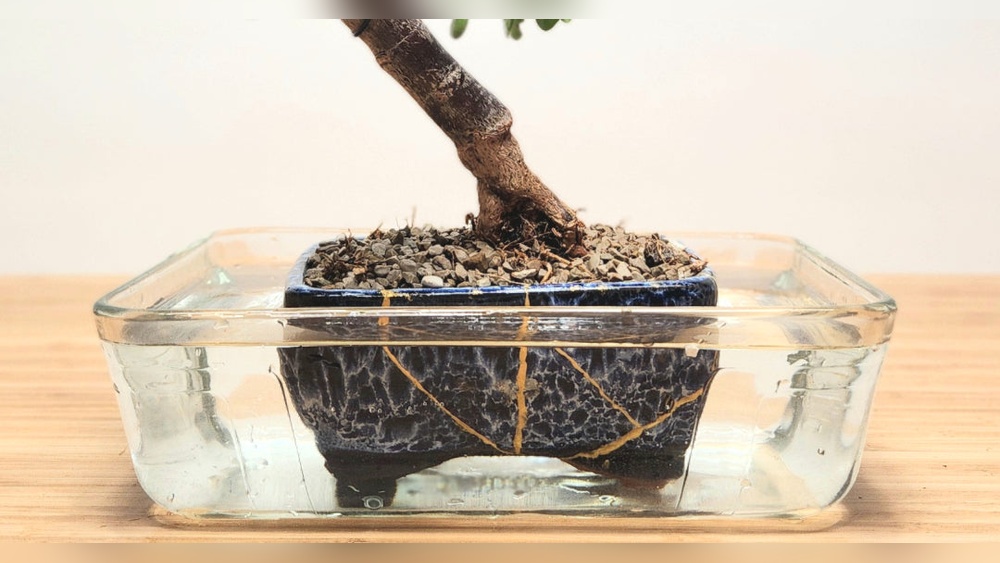
For bottom watering, place the pot in a shallow tray of water and allow the soil to wick up moisture for 15–30 minutes, then remove and let it drain. This technique is particularly useful when soil has become hydrophobic (repels water when dry).
Automation: Self-watering Systems
For frequent travelers or forgetful caretakers, self-watering trays or capillary mats can help maintain consistent moisture. However, these should be used with caution and regular monitoring, as they can sometimes create persistently damp conditions that promote root rot if not carefully managed.
Smart, automated watering systems that use soil moisture sensors and timed drip irrigation are now available, offering peace of mind and precision for advanced growers.
Recognizing Overwatering And Underwatering: Symptoms And Solutions
Signs Of Overwatering
- Yellowing leaves: Especially lower leaves, which may drop prematurely.
- Wilting despite wet soil: Paradoxically, the plant appears thirsty, but the issue is oxygen starvation at the roots.
- Mushy, brown roots: Healthy roots are white and firm; brown, soft roots indicate rot.
- Fungal growth on soil surface: White mold or mushroom-like growth signals excessive moisture.
Overwatering is a leading cause of bonsai ficus decline. Root rot sets in quickly in compact pots, so always allow soil to dry slightly between waterings.
Signs Of Underwatering
- Dry, crispy leaves: Often starting at the tips and edges.
- Leaf drop: Ficus are notorious for shedding leaves in response to drought stress.
- Soil pulling away from pot edges: Indicates severe dryness.
- Stunted growth: Lack of water limits nutrient uptake and energy production.
If underwatering is suspected, soak the entire pot in water for 15–20 minutes to rehydrate the root ball, then resume a regular schedule. It is important to avoid a cycle of drought and flood, as this can weaken the tree over time.
Troubleshooting Common Issues
- Compacted soil: Prevents water penetration. Repot annually using a fresh, airy mix. A root rake can be used to gently loosen soil during repotting.
- Salt buildup: White crust on soil—flush thoroughly with water every few months. Excess salts from fertilizer or hard water can accumulate and harm roots.
Example: Correcting Watering Mistakes
A novice bonsai owner noticed yellowing leaves and assumed more water was needed, which worsened the issue. After consulting with a local bonsai club, they reduced watering frequency and repotted the tree in a better-draining mix, saving it from decline. This underscores the importance of seeking expert advice and considering all environmental factors before adjusting care routines.
Environmental Variables: How Light, Humidity, And Temperature Affect Watering
Light Exposure
More light equals more photosynthesis, which increases transpiration and water use. Place your bonsai ficus in bright, indirect sunlight for best results. Direct sunlight can be tolerated, especially by Ficus retusa and Ficus microcarpa, but may require increased watering and vigilance for leaf scorch.
If natural light is insufficient, full-spectrum grow lights can supplement and provide consistent results year-round.
Humidity Levels
Bonsai ficus thrives in 50–70% humidity. In dry indoor air, use a humidity tray or room humidifier. Misting can help but isn’t a substitute for root watering.
Low humidity can cause leaf edges to brown and aerial roots to shrivel. Grouping plants together or placing them in a bathroom or kitchen (where humidity is naturally higher) can also support healthy growth.
Temperature Fluctuations
Warmer temperatures speed evaporation, while cooler temperatures slow it down. Keep ficus trees above 60°F (16°C) to avoid stress. Sudden temperature drops can cause leaf drop, while consistent warmth promotes steady growth.
Air Circulation
Good airflow reduces fungal risks and helps maintain even moisture. Avoid placing bonsai near heat vents, air conditioners, or drafty windows.
Example: Seasonal Shifts In Watering
An enthusiast in Florida found their outdoor ficus required daily watering during the humid, hot summer, but only twice a week during the mild winter. Conversely, an indoor grower in Colorado increased watering frequency in winter due to dry, heated air.
These experiences illustrate the importance of adapting your watering routine to both your local climate and indoor environment.
Creating A Watering Schedule: Tools, Tracking, And Adjustment
Establishing A Baseline Schedule
Start by checking soil moisture daily for 2 weeks. Record observations and adjust based on actual drying time. Keep a log of watering dates, soil moisture, and environmental notes such as temperature and humidity.
This routine will help you identify patterns and anticipate your tree’s needs as seasons and conditions change.
Using Technology
- Smart moisture sensors: Send alerts to your phone when soil dries out (Gardening Know How).
- Watering reminder apps: Help maintain consistency, especially for multiple bonsai.
- Spreadsheets or journals: Track growth, leaf condition, and watering intervals for future reference.
Digital tools not only help avoid missed waterings but also make it easier to spot trends and diagnose issues before they become critical.
Adjusting For Seasonal Changes
- Increase frequency in spring/summer as growth accelerates.
- Decrease in fall/winter when metabolism slows.
Remember to make gradual adjustments rather than abrupt changes, as bonsai ficus can be sensitive to shifts in care.
Case Study: Digital Tracking Success
A bonsai collector with 15 ficus trees used a spreadsheet to log watering dates, light exposure, and observed issues. Over a year, they reduced leaf drop by 25% and increased new growth rates by optimizing their routine. This data-driven approach allowed them to fine-tune care and respond proactively to emerging problems.
Comparing Bonsai Ficus Watering Needs To Other Bonsai Species
Ficus Vs. Juniper And Pine
Ficus bonsai differs from other popular types such as juniper and pine in several ways:
| Bonsai Species | Watering Frequency | Preferred Soil Moisture | Common Issues |
|---|---|---|---|
| Ficus | Every 1-3 days | Consistently moist, not soggy | Root rot (overwatering) |
| Juniper | Every 2-4 days | Allow to dry slightly between waterings | Needle browning (underwatering) |
| Pine | Every 3-7 days | Prefers drier soil | Fungal diseases (overwatering) |
Juniper and pine bonsai require a different approach, emphasizing periods of dryness between waterings to mimic their natural environments. In contrast, ficus species are more tolerant of consistent moisture, making them less prone to accidental dehydration, but more vulnerable to root rot if overwatered.
Why Ficus Is Ideal For Beginners
- Tolerates occasional neglect: Ficus species can withstand missed waterings better than many others.
- Recovers quickly from minor mistakes: Their resilience allows for learning and experimentation.
- Responds well to pruning and wiring: Vigorous growth means rapid recovery from styling interventions.
For more on comparing bonsai care across species, see the Bonsai Outlet Tree Care Guide.
Special Considerations For Advanced Growers
Advanced enthusiasts often experiment with humidity tents, LED grow lights, and custom soil blends to fine-tune watering and growth. By manipulating microclimate and soil chemistry, they achieve more intricate designs and healthier, more vigorous trees.
Some advanced growers even employ hydroponic principles or automated irrigation systems to maintain perfect moisture levels, demonstrating the adaptability and potential of the ficus genus.
Expert Tips And Case Studies: Mastering Bonsai Ficus Watering
Pro Tips For Consistent Success
- Rotate your bonsai: Ensures even exposure and moisture absorption.
- Group bonsai trees together: Increases local humidity, reducing watering needs.
- Mulch with sphagnum moss: Retains soil moisture without waterlogging roots.
- Observe daily: Look for subtle changes in leaf color, turgor, and soil appearance.
- Adapt quickly: If you notice changes in weather, light, or humidity, adjust your watering schedule immediately.
Case Study: Conservatory Collection
At the United States Botanic Garden, curators manage a collection of over 50 ficus bonsai. They use an integrated irrigation system during high-traffic periods and hand-water during off-hours, adjusting schedules weekly based on weather and visitor-induced microclimate changes (US Botanic Garden).
Their approach includes using sensors to monitor soil moisture at different depths, as well as rotating trees between display and recovery zones. This combination of technology and attentive care ensures optimal health and display quality year-round.
Mistakes To Avoid
- Ignoring environmental changes: Always adjust watering after moving bonsai to a new location.
- Using hard water: Can lead to salt buildup—use rainwater or distilled water when possible.
- Letting soil stay soggy: Even moisture is key, but never let roots sit in water.
- Neglecting to repot: Old, compacted soil impedes drainage and increases risk of root rot.
Example: Recovering A Neglected Bonsai
A ficus bonsai left unwatered for a week during a heatwave lost nearly half its leaves. The owner soaked the pot, pruned dead branches, and moved it to partial shade. After 6 weeks of careful watering and monitoring, new shoots emerged, demonstrating the ficus’ resilience.
This example highlights that while ficus are forgiving, they require prompt corrective action after periods of neglect. Regular checks and a willingness to adjust care routines are vital for long-term success.
Frequently Asked Questions
How Do I Know When My Ficus Bonsai Needs Water?
Check the top half-inch of soil; if it feels dry, it’s time to water. The chopstick test or a moisture meter can provide additional assurance. Regular inspection is crucial, especially in changing weather.
Can I Overwater My Bonsai Ficus?
Yes, overwatering is a common problem and leads to root rot, yellow leaves, and fungal growth. Allow the soil to dry slightly between waterings and use well-draining soil to mitigate risks.
How Does Pot Size Affect How Often I Water?
Smaller pots dry out faster, requiring more frequent watering. Always match your watering frequency to the size of the pot, adjusting as the bonsai grows or when repotted.
Should I Mist The Leaves Of My Ficus Bonsai?
Misting can increase humidity and benefit aerial roots, but it doesn’t replace root watering. Use misting as a supplement, especially in dry indoor environments.
What Type Of Water Should I Use For My Bonsai Ficus?
Rainwater or distilled water is best, as tap water may contain salts and chemicals that accumulate in the soil. If using tap water, let it sit overnight to dissipate chlorine.
Resources And Further Reading
- Bonsai Empire: Ficus Bonsai Care
- Royal Horticultural Society: Ficus Growing Guide
- Wikipedia: Ficus
- Gardening Know How: Ficus Bonsai Trees
- US Botanic Garden
- Bonsai Outlet: Tree Care Guide
A thriving bonsai ficus is a testament to attentive care and a deep understanding of its unique needs. By observing your tree, tracking environmental variables, and adapting your approach, you can confidently answer the question of how often to water and enjoy the living art of bonsai for years to come.