Where to Buy Large Quantities of Nana Juniper Bonsai Trees
When you need large quantities of Nana Juniper Bonsai trees for a landscaping project, retail resale, or event installation, finding a dependable bulk supplier becomes the difference between profit and loss. This guide breaks down the best wholesale sources, realistic pricing, and the exact shipping factors that affect large orders.
Simply put, the best places to buy Nana Juniper Bonsai in bulk are specialized bonsai nurseries, wholesale plant growers, and online wholesale brokers. Expect to pay $8 to $35 per tree depending on size, age, and container type. Order directly from USDA-licensed nurseries to get the best pricing and shipping protection.
Key Takeaways
- Bulk Nana Juniper Bonsai trees are cheapest when sourced directly from wholesale nurseries rather than retail bonsai shops.
- Minimum order quantities typically start at 10 to 50 trees, with steeper discounts at 100 or more.
- Shipping live plants requires specialized packaging and a reputable carrier that handles perishable inventory.
- Large quantities of Nana Juniper Bonsai are available year-round, but late winter and early spring offer the best selection.
- Always verify phytosanitary certificates and USDA shipping restrictions before placing a bulk order.
What Is a Nana Juniper Bonsai Tree?
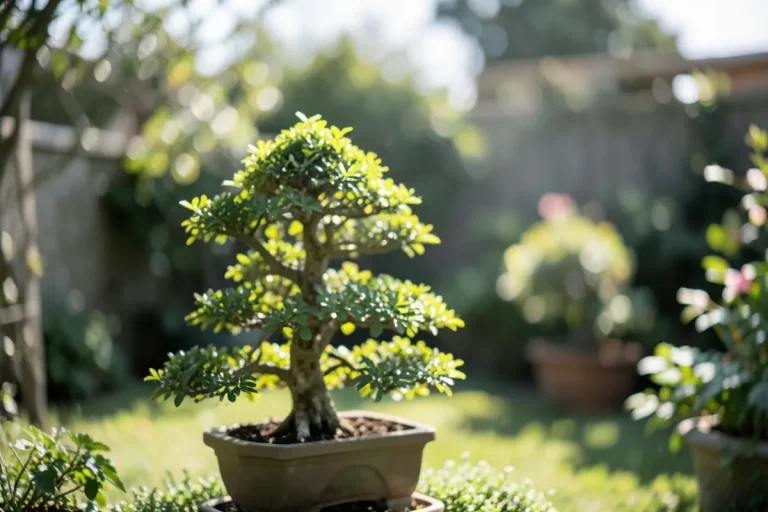
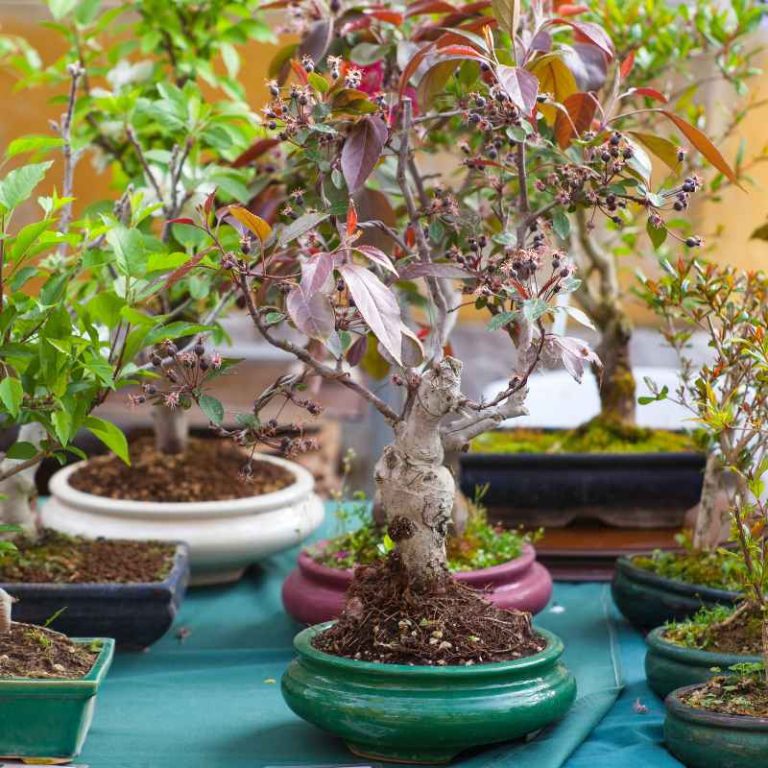
bonsai trees in ceramic pots on a greenhouse bench |alt: Nana juniper bonsai trees in bulk at a nursery |title: Bulk Nana Juniper Bonsai at a Wholesale Nursery–>
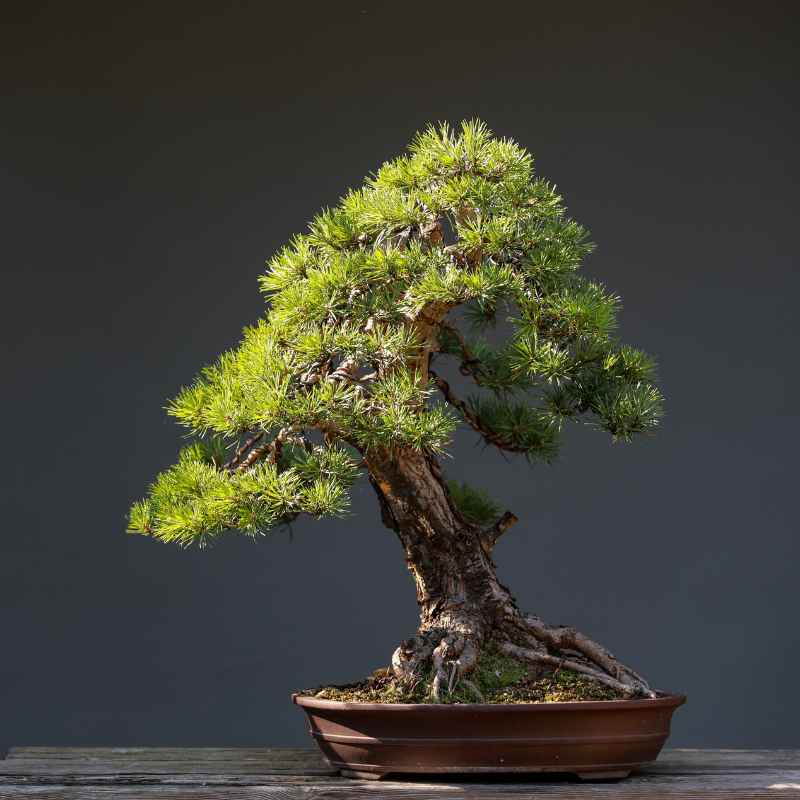
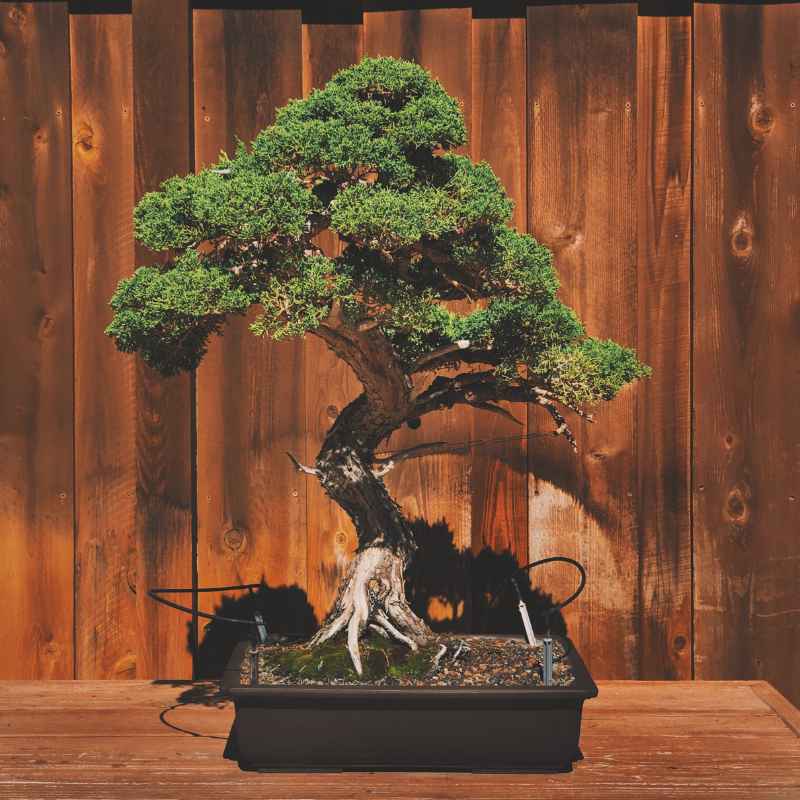
The Nana Juniper, scientifically known as Juniperus procumbens ‘Nana’, is a low-growing evergreen conifer native to Japan. In bonsai form, it features dense, scale-like foliage, a flexible trunk that responds well to wiring, and a naturally cascading growth habit. Bonsai growers prize it for its hardiness, forgiving nature, and classic windswept aesthetic.
For commercial buyers, this species stands out because it tolerates a wide range of climates. According to the USDA Plant Hardiness Zone Map, Nana junipers thrive in zones 4 through 9, making them a safe investment for re-sellers in most of the United States. They also adapt quickly to container life, which is why wholesalers stock them in massive numbers.
Common Sizes and Forms in Bulk Orders
- Seedling plugs (2-3 inches tall) – cheapest, require 1-2 years of growing time
- Starter bonsai (4-6 inches tall) – popular for beginner kits
- Finished bonsai (8-12 inches tall) – ready for immediate display or resale
- Specimen bonsai (14+ inches tall) – premium pricing, limited availability
- Pre-bonsai nursery stock – ideal for hobbyists who want to train their own trees
When you buy in bulk, most suppliers classify trees by pot size (2-inch, 4-inch, 6-inch, or 1-gallon). These classifications directly affect the per-unit cost and the shipping weight. A standard 4-inch pot weighs around 1.5 pounds, so a 100-tree order will easily exceed 150 pounds before packaging.
How to Find Wholesale Nana Juniper Bonsai Suppliers
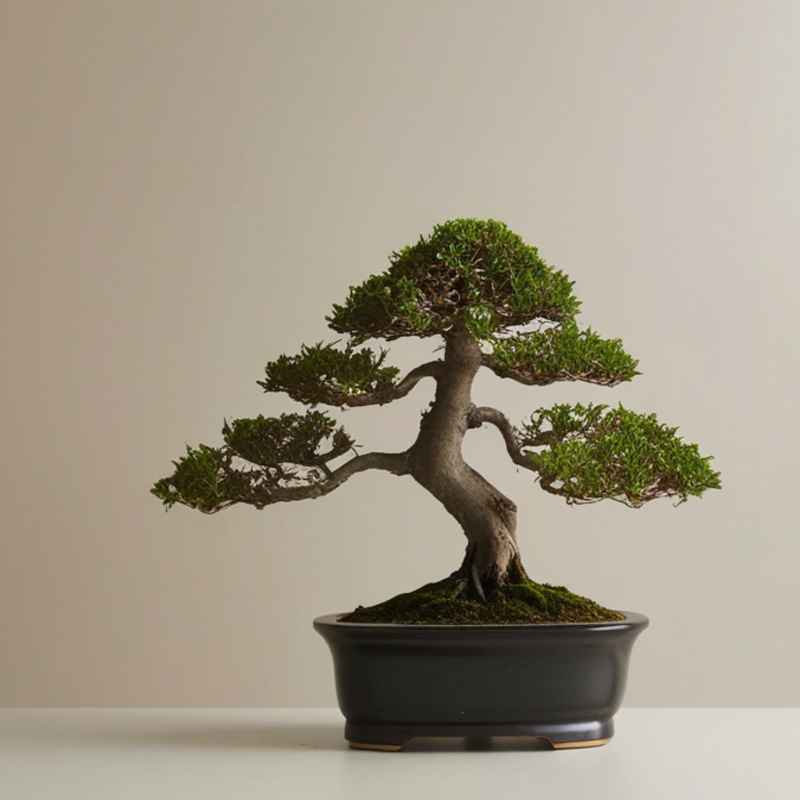
juniper bonsai trees under shade cloth |alt: Wholesale bonsai nursery greenhouse full of Nana junipers |title: Inside a Wholesale Nana Juniper Bonsai Greenhouse–>
Finding a legitimate wholesale supplier for Nana Juniper Bonsai trees in large quantities requires more than a quick Google search. Many retail bonsai websites claim to offer wholesale pricing, but their minimum order requirements are low and their per-unit costs remain high. You want to target growers and brokers who sell exclusively to businesses, landscapers, and garden centers.
Start by searching for nurseries that specialize in “ornamental container stock” or “bonsai nursery” and check if they have a wholesale trade program. Established names like Brussel’s Bonsai, Eastern Leaf, and Bonsai Boy are often mentioned in bonsai communities. For larger quantities, you may also contact regional wholesale growers listed with the American Nursery & Landscape Association.
Steps to Vetting a Bulk Supplier
- Request a wholesale catalog and price list. Legitimate suppliers will send one without excessive paperwork.
- Ask for photos of actual stock, not just catalog images. This confirms the trees are healthy and accurately represented.
- Verify the nursery’s USDA license and any state phytosanitary certifications.
- Check reviews on platforms like Google Business, the Better Business Bureau, and bonsai forums.
- Request a sample shipment of 5-10 trees before committing to a large order.
- Compare shipping quotes from at least three different suppliers for the same order size.
- Ask about their guarantee policy for dead or damaged trees during transit.
Online-only wholesalers like Greenhouse Megastore and Growers Outlet also sell Nana Juniper in bulk quantities, though their focus is broader landscaping stock rather than trained bonsai specimens.
Warning: Avoid suppliers who require payment via wire transfer or cryptocurrency. Reputable nurseries accept credit cards, business checks, or invoicing through established payment platforms. If the deal sounds too good to be true, it usually is.
Best Places to Buy Nana Juniper Bonsai Trees in Bulk
Depending on your location, budget, and volume needs, you have several reliable channels for buying Nana Juniper Bonsai in bulk. Each option has trade-offs in cost, selection, and shipping speed. Below is a comparison of the four most common sourcing routes.
| Source | Best For | MOQ | Price Range |
|---|---|---|---|
| Specialized Bonsai Nurseries | Trained bonsai, rare forms | 25-50 trees | $15-$40 each |
| Wholesale Landscape Growers | Ground cover, pre-bonsai | 50-100 plants | $6-$15 each |
| Online Wholesale Brokers | Drop-shipping, convenience | 1-10 cases | $12-$25 each |
| Local Garden Centers + Auctions | Local pickup, small bulk | 10-20 trees | $10-$30 each |
Specialized bonsai nurseries like Brussel’s Bonsai in Olive Branch, Mississippi, and Eastern Leaf in California produce high-quality trained specimens. If your goal is reselling finished bonsai to consumers, these are your best bets. But if you need a large quantity of young plants for growing on, wholesale landscape growers will offer far better unit prices.
Top Recommended Wholesale Nurseries
- Brussel’s Bonsai – One of the largest bonsai nurseries in the U.S.; offers wholesale pricing for orders over $500.
- Eastern Leaf – Based in California; provides bulk discounts and nationwide shipping for juniper bonsai.
- Mendocino Coast Bonsai – Known for pre-bonsai and semi-trained stock; excellent for commercial growers.
- Plant Delights Nursery – Sells Nana junipers as landscape ground cover in large flats.
- Wigert’s Bonsai – Family-owned nursery in Florida that ships specimen-grade juniper bonsai.
Tip: Ask each nursery for their “commercial grower” price list, not their retail wholesale page. A quick email explaining your projected annual volume can unlock 20-30% deeper discounts than standard published rates.
How Much Do Large Quantities of Nana Juniper Bonsai Trees Cost?
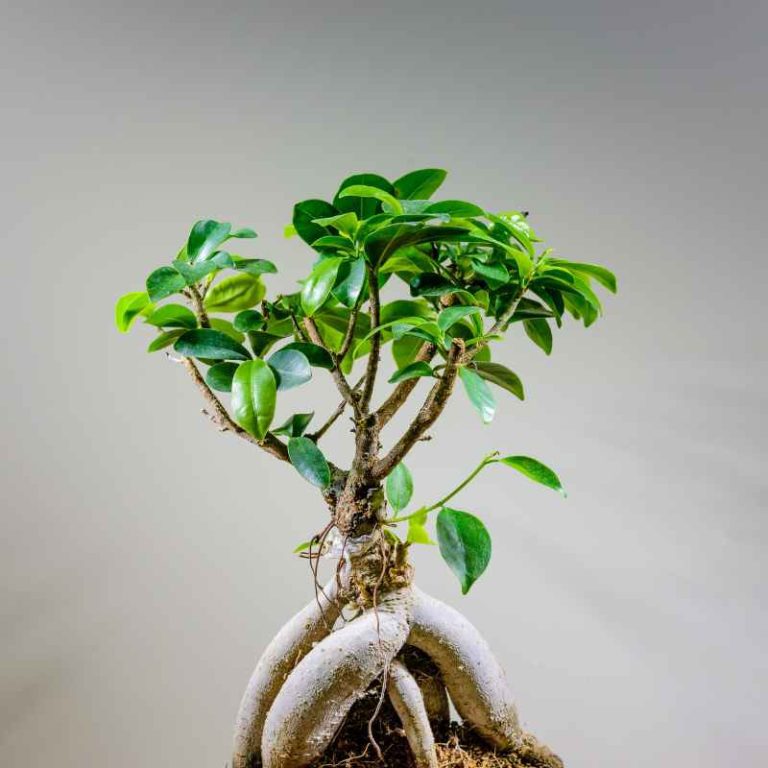
bonsai roots and trunk in a 4 inch nursery pot |alt: Nana juniper bonsai tree in a four inch pot |title: Single Nana Juniper Bonsai Ready for Wholesale Shipment–>
Pricing for Nana Juniper Bonsai trees in bulk varies significantly based on age, pot size, and the source’s location. In general, the more you order, the lower the per-unit price. The biggest price drop usually occurs at the 100-tree threshold, where many suppliers switch from “small wholesale” to “commercial volume” pricing.
Typical cost benchmarks for wholesale orders:
- 2-inch plugs – $3 to $6 each
- 4-inch pots – $8 to $14 each
- 6-inch pots – $15 to $25 each
- 1-gallon containers – $20 to $35 each
- Trained bonsai (8+ years old) – $50 to $150 each
Freight costs add anywhere from $150 to $600 for a pallet shipment depending on distance, weight, and delivery speed. LTL (less-than-truckload) shipping is common for orders of 100 or more trees. For orders under 50 trees, most nurseries ship via UPS or FedEx Ground with live plant packaging.
| Order Size | Avg. Price Per 4″ Tree | Estimated Shipping | Total Cost |
|---|---|---|---|
| 25 trees | $12 | $45-$70 | $345-$370 |
| 50 trees | $10 | $90-$140 | $590-$640 |
| 100 trees | $8 | $180-$280 | $980-$1,080 |
| 500 trees | $6 | $500-$800 | $3,500-$3,800 |
Keep in mind that these prices reflect healthy, field-grown or container-grown Nana Junipers without bonsai training. If you buy pre-trained bonsai with wire shaping and aged trunks, the cost jumps by 3 to 5 times. Your business model will determine which tier makes sense.
What to Look for When Buying Nana Juniper Bonsai Wholesale
Not every “Nana Juniper” sold in bulk is the same. Quality varies wildly between nurseries, and a cheap per-unit price means nothing if half the trees arrive with root rot or die within a week. When evaluating a large order, inspect both the visible foliage and the root system.
Quality Checklist for Bulk Bonsai Orders
- Foliage should be rich green, not yellow or brown. Tip burn indicates stress or poor watering.
- The trunk should be at least pencil-thick for 4-inch pots, with visible taper.
- Check the soil surface for moss, algae, or fungus. Soggy soil with a sour smell is a red flag.
- Look for webbing on needles, which signals spider mites. Small black dots could be scale insects.
- Branches should feel flexible, not brittle. Brittle branches indicate dehydration or winter damage.
- The roots should be white or light tan when gently exposed. Dark, mushy roots mean root rot.
Ask the supplier for their growing practices. Trees grown outdoors in full sun will be hardier than trees forced in a greenhouse. According to the American Bonsai Society, junipers need a winter dormancy period, so seedlings from warmer regions may struggle in colder climates.
Important: Request a health certificate or phytosanitary inspection report for any interstate shipment. The USDA Animal and Plant Health Inspection Service (APHIS) has specific regulations for shipping live plant material, and a compliant nursery will provide documentation without hesitation.
Also, verify that the supplier labels the trees as Juniperus procumbens ‘Nana’ specifically. Some wholesalers sell common junipers (Juniperus chinensis) as “Nana” because they look similar at a young age. The procumbens variety grows lower and spreads more aggressively, which is the trait you want for bonsai.
Shipping and Handling Considerations for Bulk Bonsai Orders
Once you select a supplier and agree on pricing, shipping becomes the most fragile part of the transaction. Live plants suffer stress from heat, cold, and rough handling. A poorly packed box can turn a perfect batch of Nana Juniper Bonsai trees into a pile of broken branches and crushed pots.
Professional nurseries use custom-fitting boxes with foam inserts or shredded packing paper. They also schedule shipments to avoid weekend layovers in cold warehouses. If your supplier uses standard cardboard boxes without interior bracing, request upgraded packaging even if it costs $20 extra.
- Choose 2-day shipping during mild weather (40-80°F). Ground shipping beyond 4 days increases mortality risk.
- Schedule delivery for a Tuesday or Wednesday so you can unpack the trees immediately.
- Open every box within 2 hours of arrival and inspect each tree for damage.
- Water the trees within 12 hours of unboxing. Most suppliers ship with slightly moist soil to avoid root rot.
- Keep the trees outdoors in partial shade for the first week to acclimate them.
Warning: Never order bulk bonsai during a winter freeze warning. Even with heat packs, the roots of young Nana junipers can suffer irreversible damage in transit when temperatures drop below 20°F. Wait for a warmer window or pay for expedited climate-controlled shipping.
If you are importing from outside the U.S., you must hire a customs broker and comply with APHIS import permits. Most domestic re-sellers avoid international sourcing because the added costs and inspection delays erase the savings.
Common Mistakes to Avoid When Buying Bonsai in Bulk
Buying large quantities of Nana Juniper Bonsai trees is a different game from purchasing a single tree. Enthusiasts apply retail logic to wholesale ordering, which leads to avoidable losses. Here are the most common pitfalls we see from first-time bulk buyers.
Mistake #1: Focusing Only on Per-Unit Price
The cheapest trees are often juvenile plugs that require years of growth before they look like bonsai. Factor in your grow-out time and mortality rate. A $4 plug that only 70% survive might cost more than a $12 tree with a 98% survival rate.
Mistake #2: Ignoring Quarantine Needs
New trees can introduce pests to your existing collection. Keep bulk orders isolated for at least 30 days. This is especially important if you operate a nursery or greenhouse with other plants.
Mistake #3: Overlooking the Fine Print on Minimum Orders
Some “wholesale” nurseries require a mix of species, not just Nana Juniper. Read the terms carefully before committing. You may end up paying for trees you don’t want.
Mistake #4: Ordering Without a Written Contract
For orders above $1,000, always get a signed purchase agreement. It should include tree size, quantity, delivery date, replacement policy, and a clear description of what “healthy” means. Verbal promises disappear when trees arrive damaged.
Mistake #5: Skipping the Sample Order
You would not buy a car without a test drive. Yet many buyers place 500-tree orders from unknown online nurseries. Always request a small sample shipment first.
The $50 you spend on samples is the cheapest insurance you will ever buy.
Tip: Keep a batch log that records your order date, supplier, lot number, and survival rate. Over time, this data tells you which suppliers deliver the most consistent quality for the price.
Frequently Asked Questions
What is a Nana Juniper bonsai tree?
Nana Juniper is a dwarf variety of Juniperus procumbens, a low-growing evergreen shrub. In bonsai cultivation, it is trained to mimic mature, windswept trees. It is one of the most popular bonsai species for beginners because it grows slowly and responds well to wiring.
How many Nana Juniper bonsai trees can fit on a pallet?
A standard 48×40-inch pallet can hold 120 to 200 trees in 4-inch pots, or 60 to 80 trees in 6-inch pots. The exact count depends on the pot shape, spacing, and whether the supplier stacks the plants in tiers. Freight carriers limit pallet height to about 72 inches.
Can I buy Nana Juniper bonsai trees in bulk from Amazon or Etsy?
You can, but you will rarely get true wholesale pricing. Most Amazon and Etsy sellers are third-party retailers who add a 40-60% markup. For large quantities, direct nursery orders or recognized wholesale brokers are consistently cheaper and offer better replacement guarantees.
Do Nana Juniper bonsai trees need special permits to ship?
Within the contiguous U.S., no permit is required for shipping Juniperus procumbens in most states. However, states like California, Texas, and Florida have agricultural inspection requirements. International shipments require a phytosanitary certificate from the USDA.
Always check with the supplier before placing your order.
What is the best time of year to order bulk Nana Juniper bonsai?
Late winter to early spring is ideal because the trees are still dormant, which reduces transplant shock. Fall is also acceptable in mild climates. Avoid mid-summer heat waves and deep winter freezes, as these conditions increase mortality risk during shipping.
Final Thoughts
Buying large quantities of Nana Juniper Bonsai trees does not have to be complicated if you vet suppliers, understand pricing tiers, and plan your shipping window. Always start with a small test order, inspect every plant upon arrival, and document the quality for future negotiations. With a reliable wholesale partner, you can secure healthy, affordable bonsai stock that supports your business or landscape project for years to come.