Is It Lucky to Have Bonsai Trees Inside the House
Bonsai trees are captivating miniature representations of nature, meticulously sculpted and nurtured to thrive in containers. Their presence in homes has grown increasingly popular worldwide, not just for their aesthetic appeal, but for the beliefs and traditions that surround them.
Are bonsai trees considered lucky when placed indoors, or can they bring unintended consequences? This article dives deep into cultural symbolism, scientific perspectives, and practical benefits, providing a holistic view of whether bonsai trees truly invite luck into your home.
The allure of bonsai trees extends beyond their artistry. For many, they symbolize patience, harmony, and prosperity. But myths and superstitions abound — some cultures herald them as good fortune, while others caution about potential drawbacks. As homeowners seek ways to improve their living spaces and spiritual energy, understanding the true impact of bonsai trees inside the house becomes essential.
With expert insights, real-world examples, and actionable advice, this guide will help you decide whether bonsai trees are a lucky charm, a wise investment, or simply a beautiful addition to your home.
Key Takeaways
- Bonsai trees are seen as symbols of luck, prosperity, and harmony in many cultures, especially in East Asia.
- Scientific studies show that indoor plants, including bonsai, improve air quality and mental well-being.
- The placement and species of bonsai can affect perceived luck and the plant’s health in your home.
- Common myths around bonsai trees include both positive and negative superstitions, but expert advice dispels many misconceptions.
- Bonsai trees require careful care; neglecting them may affect their symbolism and health.
- Real-world examples demonstrate both the benefits and challenges of keeping bonsai indoors.
The Cultural Significance Of Bonsai Trees
Bonsai In Eastern Traditions
The origins of bonsai trace back over a thousand years to China, where the art of penjing influenced Japanese bonsai. In these cultures, bonsai trees are much more than decorative plants; they embody balance, patience, and harmony. In Japan, bonsai is considered a reflection of the grower’s character, and a well-cared bonsai tree is often interpreted as a sign of good fortune.
The Japanese word “bonsai” literally means “planted in a container,” but the artistry goes beyond horticulture. Practitioners spend decades shaping, pruning, and guiding the tree’s growth, often passing treasured specimens down through generations. This enduring commitment has made bonsai a powerful symbol of perseverance and generational continuity.
The meticulous process of shaping a bonsai is also seen as a meditative practice that cultivates inner peace and focus, qualities highly valued in Japanese and Chinese philosophies.
Chinese feng shui, the ancient practice of harmonizing energy in living spaces, frequently recommends bonsai trees for attracting positive chi. According to feng shui principles, placing a healthy bonsai in the east or southeast corner of your home is believed to promote wealth and family harmony. In traditional Chinese households, penjing (the precursor to bonsai) is often positioned near entryways or central gathering spaces to maximize the flow of positive energy, inviting prosperity and tranquility.
In both cultures, bonsai trees are often featured in festivals, religious ceremonies, and homes as living embodiments of the natural world’s enduring cycles. The miniature landscapes created by skilled bonsai artists are not just admired for their beauty but revered for their deeper meaning.
Western Adaptations And Symbolism
In Western societies, bonsai trees have been adopted as symbols of growth, renewal, and mindfulness. Their presence in homes and offices is linked to modern wellness trends, emphasizing the importance of nature for mental health. The perception of luck varies, but bonsai trees are often seen as conversation starters, artistic expressions, and even as living investments.
The Western fascination with bonsai trees often centers on their aesthetic value and the calming presence they bring to indoor spaces. For many enthusiasts, bonsai cultivation provides an escape from the fast pace of modern life, offering a slow and deliberate hobby that fosters patience and creativity.
Bonsai displays are common in corporate offices, hospitals, and educational institutions, where they serve as symbols of resilience and adaptability.
Moreover, Western interpretations have contributed to expanding the palette of suitable bonsai species, incorporating native plants and experimenting with innovative styles. This blending of tradition and innovation has led to a broader appreciation of bonsai beyond its original cultural boundaries.
Bonsai As Gifts And Their Meaning
Bonsai trees are popular gifts for birthdays, weddings, or housewarmings. Traditionally, gifting a bonsai is seen as wishing longevity, prosperity, and success to the recipient. However, some superstitions warn against gifting bonsai trees to people who are not prepared to care for them, as neglect may symbolize declining luck.
In many Asian cultures, gifting a bonsai is a gesture of deep respect and goodwill. It is common for mentors to present bonsai trees to students, or for elders to gift them to younger family members, as a symbol of wisdom and continuity.
In the West, bonsai trees are increasingly chosen as unique gifts for significant milestones, such as graduations or new business ventures, to symbolize new beginnings and the importance of nurturing growth.
However, recipients should be aware of the responsibility that comes with receiving a bonsai. Since the tree’s health reflects the attention and care it receives, a neglected bonsai might be seen as a negative omen, potentially symbolizing waning fortune or missed opportunities.
Regional Variations In Luck Beliefs
The belief in the luck associated with bonsai trees varies widely:
- In Japan: Bonsai represents good fortune, patience, and harmony.
- In China: Bonsai (penjing) encourages prosperity and positive energy.
- In India: Some believe bonsai trees inhibit growth, as their roots are confined.
- In Western countries: Bonsai is generally seen as neutral or positive.
In India, the symbolism can be more complex. Some traditional beliefs hold that restricting a plant’s growth may symbolically restrict the growth or prosperity of a household. This has led to a cautious approach toward bonsai in some regions, despite their beauty and popularity.
In contrast, in North America and Europe, the luck associated with bonsai trees is often interpreted through the lens of personal achievement and well-being. Bonsai owners may see the plant as a symbol of their ability to cultivate patience, mindfulness, and beauty—qualities that can contribute to a positive atmosphere at home or work.
| Region | Symbolism | Luck Association |
|---|---|---|
| Japan | Harmony, Patience | Positive |
| China | Prosperity, Balance | Positive |
| India | Restricted Growth | Negative/Neutral |
| USA/Europe | Art, Mindfulness | Neutral/Positive |

Scientific Perspectives: Health, Wellness, And Indoor Air Quality
Air Purification Benefits
Numerous scientific studies demonstrate that indoor plants, including bonsai, contribute to improved air quality. NASA’s Clean Air Study famously showed that houseplants filter toxins like benzene, formaldehyde, and trichloroethylene from indoor environments. While bonsai trees are not the most efficient purifiers, their presence can contribute to a healthier living space.
Recent research has built on NASA’s findings, showing that even small plants can have a measurable impact on air quality in confined spaces such as apartments and offices. Although the leaf surface area of a typical bonsai is smaller than that of larger houseplants, their contribution to reducing pollutants can be significant, especially when grouped with other plants. Bonsai varieties such as Ficus and Jade are particularly effective due to their hardy foliage and robust metabolic activity.
A 2020 meta-analysis published in the Journal of Environmental Management found that indoor plants reduced volatile organic compounds by up to 30% in homes and offices. The study highlighted the importance of plant diversity, suggesting that a mix of species—including bonsai—maximizes air purification benefits. Bonsai trees also contribute to the reduction of dust and the stabilization of humidity, further enhancing indoor air quality.
Psychological And Emotional Benefits
The act of caring for a bonsai tree promotes mindfulness and reduces stress. Studies from the University of Exeter have shown that people who interact with indoor plants experience a 15% increase in well-being and productivity. The intricate process of pruning, watering, and shaping bonsai encourages patience and focus, qualities often associated with good luck and personal growth.
Research into horticultural therapy has demonstrated that the sensory engagement and routine associated with bonsai care can help reduce anxiety and symptoms of depression. In environments such as hospitals, rehabilitation centers, and care homes, the presence of bonsai trees has been linked to improved mood and social interaction.
Bonsai cultivation also provides a creative outlet, as growers experiment with different styles and training techniques to achieve their artistic vision. This process can be deeply fulfilling, fostering a sense of accomplishment and self-expression. The meditative nature of bonsai care makes it an effective tool for stress management and emotional resilience.
Impact On Indoor Humidity And Microclimate
Bonsai trees, like other houseplants, help regulate indoor humidity. A study by the American Society for Horticultural Science found that indoor plants can increase relative humidity by 5-10%, reducing respiratory discomfort and improving overall comfort.
This microclimate regulation is especially valuable in heated or air-conditioned environments, which can become excessively dry and uncomfortable. By slowly releasing moisture through transpiration, bonsai trees help maintain a balanced indoor environment, benefiting the health of both people and other plants.
Risk Factors And Allergies
It is important to note that some bonsai species may trigger allergies in sensitive individuals. The pollen from flowering bonsai or mold from overwatered soil can cause respiratory issues. Always choose species compatible with your household’s health requirements.
Those with mold allergies should be especially vigilant about watering practices, as stagnant water and poor drainage can lead to fungal growth. Similarly, households with pets should research the toxicity of specific bonsai species, as some (such as jade) can be harmful if ingested by cats or dogs.

The Role Of Bonsai Placement In Attracting Luck
Feng Shui Guidelines For Bonsai Placement
According to feng shui, the placement of a bonsai tree influences its impact on luck and energy flow. Ideal locations include:
- East or Southeast corners: Associated with health and wealth.
- Near windows with natural light: Promotes vitality and growth.
- Entryways: Welcomes positive energy.
Feng shui practitioners often emphasize the importance of intention when placing a bonsai tree. For example, placing a bonsai in the family area of a home is said to enhance harmony and relationships, while positioning it in the wealth corner can boost prosperity.
The choice of species and the style of the bonsai (upright, cascading, forest, etc. ) Can also influence the type of energy it attracts.
Avoid placing bonsai trees in:
- Bathrooms: Considered unlucky due to draining energy.
- Dark, cramped spaces: Hinders healthy growth and luck.
Rooms associated with rest, such as bedrooms, are sometimes discouraged as bonsai placement zones in feng shui, based on the belief that active plant energy could disrupt relaxation and sleep.
Practical Placement Tips
When deciding where to place your bonsai, consider:
- Light requirements: Most bonsai need 4-6 hours of sunlight.
- Humidity levels: Avoid overly dry or humid rooms.
- Traffic areas: Place away from high-traffic zones to prevent damage.
You should also take into account the airflow and temperature fluctuations in your home, as sudden changes can stress the tree. Rotating the pot occasionally ensures even growth and exposure to sunlight. Using humidity trays or grouping bonsai with other plants can help maintain optimal moisture levels.
Case Study: Office Bonsai Placement
A 2026 survey by the American Bonsai Society found that 62% of office workers reported increased job satisfaction after placing bonsai trees on their desks. The trees helped reduce stress and improved the perceived luck and atmosphere at work.
One notable example comes from a San Francisco tech company, where employees were encouraged to personalize their workspaces with plants, including bonsai. After six months, managers observed not only a measurable uptick in morale but also enhanced collaboration and creativity, which many attributed to the calming presence of the trees.
Placement And Species Comparison
| Species | Best Placement | Luck Association | Care Difficulty |
|---|---|---|---|
| Ficus Bonsai | Bright windowsill | Prosperity | Easy |
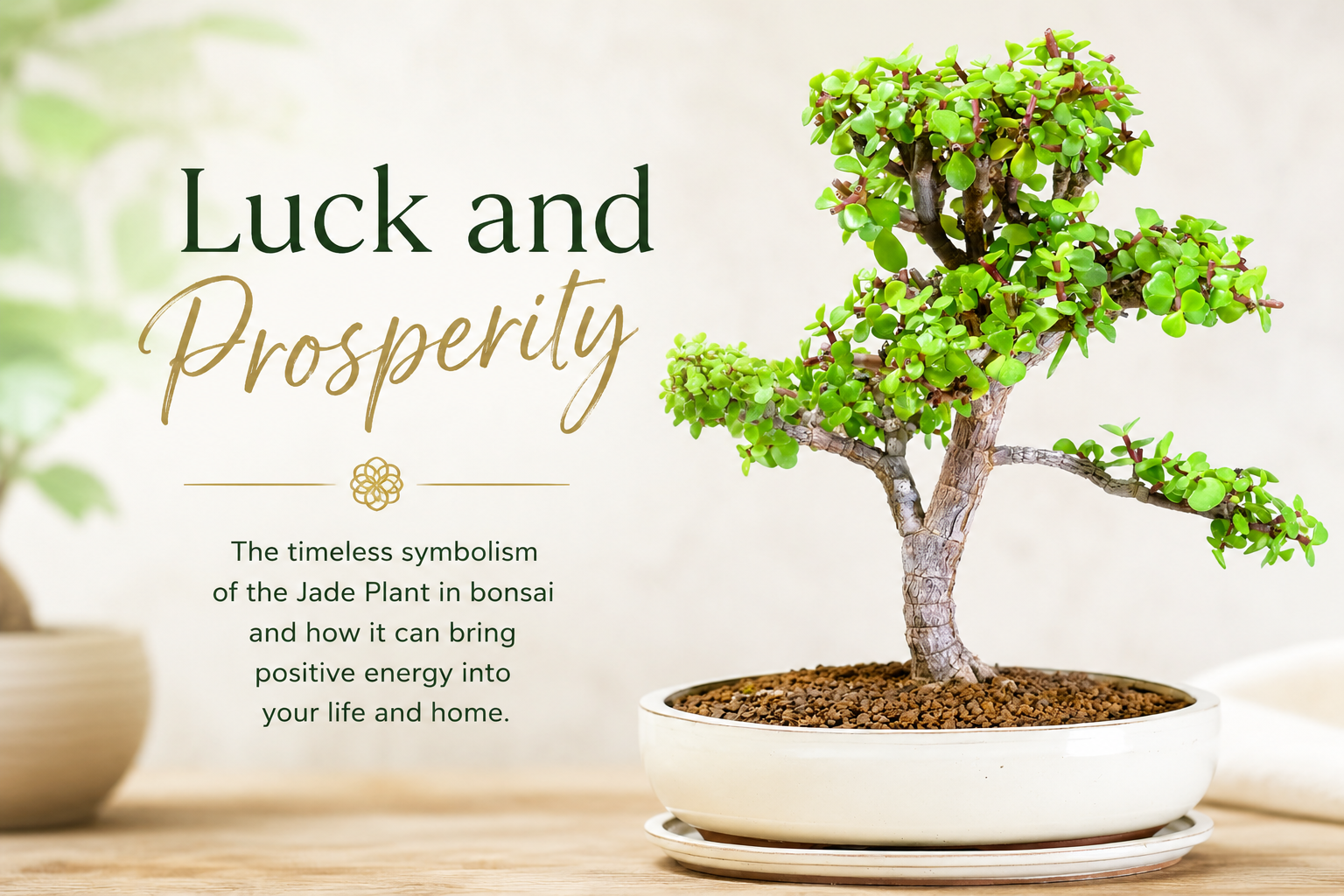
| Jade Bonsai | South-facing room | Wealth | Medium |
| Pine Bonsai | East corner | Longevity | Difficult |
| Maple Bonsai | Near entryway | Renewal | Medium |
Common Myths And Superstitions About Bonsai Trees
Positive Superstitions
Many cultures believe that bonsai trees attract good luck, prosperity, and harmony. Common beliefs include:
- Bonsai trees represent a miniature universe, inviting balance and fortune.
- A thriving bonsai indicates positive chi and good health.
- Placing bonsai in the wealth corner (southeast) multiplies financial luck.
In Chinese culture, the presence of a healthy bonsai is sometimes linked to academic and career success for children and young adults. Some business owners display bonsai trees in their shops or offices to attract customers and financial opportunities, viewing the plant as a living talisman.
Negative Superstitions
Some myths warn of potential drawbacks:
- Bonsai trees symbolize restricted growth, potentially stunting opportunities.
- Gifted bonsai may transfer luck from giver to recipient — positive if cared for, negative if neglected.
- Bonsai trees in bedrooms are believed to disrupt sleep due to excessive energy.
In certain cultures, it is believed that receiving a bonsai as a gift can “cut off” one’s luck or energy if the plant is not properly maintained. This superstition underscores the importance placed on the ongoing relationship between the owner and the bonsai.
Debunking Bonsai Myths
Experts agree that most superstitions lack scientific backing. According to the Wikipedia Bonsai page, bonsai trees are primarily artistic creations, and their symbolism depends on care and context.
Horticultural experts emphasize that the perceived impact of bonsai trees on luck or fortune is largely psychological. A thriving bonsai can foster a sense of accomplishment, pride, and optimism, while a neglected one may serve as a reminder of missed opportunities or lack of discipline.
Real-world Example: Bonsai And Family Harmony
A family in San Francisco reported improved communication and harmony after introducing a bonsai tree to their living room, following feng shui guidelines. The tree became a shared project, symbolizing unity and patience.
Over time, the family found that caring for the bonsai offered valuable lessons about teamwork, compromise, and the importance of nurturing both plants and relationships. This experience highlights how the true “luck” of a bonsai tree often lies in the positive habits and interactions it inspires.
Practical Benefits Of Having Bonsai Trees Indoors
Aesthetic Enhancement
Bonsai trees offer unique visual appeal, transforming interiors with their natural elegance. Their intricate shapes and lush foliage serve as focal points, complementing modern, minimalist, or traditional décor styles.
Designers often use bonsai as natural sculptures, integrating them into living rooms, offices, and public spaces. The presence of a bonsai can soften harsh architectural lines, introduce organic texture, and create a serene ambiance. With their diverse shapes and seasonal changes, bonsai trees provide year-round visual interest.
Educational Value
Growing bonsai teaches botanical knowledge, responsibility, and patience. Children and adults alike learn about plant biology, horticulture, and the art of shaping living trees.
In educational settings, bonsai are used to illustrate lessons in ecology, biology, and environmental stewardship. Schools and botanical gardens frequently organize bonsai workshops, where participants gain hands-on experience with pruning, wiring, and soil management. The process of nurturing a bonsai from a seedling into a mature tree can instill a lifelong appreciation for nature and sustainability.
Indoor Climate Control
As living plants, bonsai trees contribute to oxygen production and humidity regulation, improving indoor comfort.
Although a single bonsai will not dramatically alter a room’s air quality, multiple plants can collectively enhance the microclimate. This can be particularly beneficial in urban apartments, where outdoor access to greenery is limited. Bonsai trees also filter dust particles and can help reduce static electricity caused by dry indoor air.
Productivity And Creativity Boost
Several studies, including research from NCBI, indicate that indoor plants enhance creativity and productivity. Bonsai trees, with their meditative care process, help reduce mental fatigue.
The presence of bonsai in workspaces has been linked to better concentration, reduced stress, and increased satisfaction. Employees who keep bonsai on their desks often report feeling more connected to nature and more motivated to maintain tidy, organized work areas.
Case Study: Bonsai In Small Apartments
A New York apartment dweller reported that maintaining a bonsai tree provided a sense of calm and focus. The tree fit perfectly on a small windowsill, adding beauty without occupying much space.
This minimalist approach to indoor gardening has become increasingly popular among city residents seeking to maximize their connection to nature despite space constraints. The daily ritual of tending to the bonsai became a form of self-care, offering a welcome respite from urban stress.
Challenges And Considerations When Growing Bonsai Indoors
Maintenance Requirements
Bonsai trees demand regular care:
- Pruning and shaping
- Watering (without overwatering)
- Monitoring pests and diseases
- Adjusting light and humidity
Consistent attention is essential to prevent problems such as leaf drop, pest infestations, or root rot. Unlike many houseplants, bonsai are especially sensitive to changes in their environment. Regular inspection of leaves, soil, and roots helps catch potential issues early.
Neglect can cause bonsai to wilt or die, diminishing its symbolism and aesthetic value.
Common Mistakes
- Overwatering: Leads to root rot.
- Insufficient light: Causes weak growth.
- Improper pruning: Damages the tree’s structure.
Some beginners may also use the wrong type of soil or pot, which can lead to poor drainage and unhealthy roots. It’s important to research the specific requirements of your chosen species and adjust your care routine accordingly.
Environmental Limitations
Indoor environments may lack suitable light or humidity. Not all bonsai species thrive indoors; research species before purchasing.
Artificial lighting, such as grow lights, can supplement natural sunlight for species that require higher light levels. Misting or using humidity trays can help maintain adequate moisture, especially during winter months when indoor heating dries the air.
Cost Considerations
Bonsai trees range from $30 to $500 depending on age, species, and artistry. Investing in proper tools, soil, and pots adds to the cost.
In addition to the initial purchase, ongoing expenses may include fertilizers, specialized pruning tools, replacement pots, and educational resources. Advanced enthusiasts may also attend workshops or seek guidance from professional bonsai artists, which can further increase the investment.
Real-world Example: Bonsai Care Failure
A London homeowner neglected their bonsai tree, resulting in stunted growth and leaf drop. The perceived luck turned negative as the tree’s decline became a source of stress.
In this case, the owner’s busy schedule led to inconsistent watering and poor light conditions. The once-beautiful bonsai became a visual reminder of neglect, prompting the homeowner to reassess their commitment to plant care and personal wellness.
Comparing Bonsai Trees To Other Indoor Plants
Bonsai Vs. Common Houseplants
| Plant Type | Symbolism | Air Purification | Care Level | Luck Association |
|---|---|---|---|---|
| Bonsai | Harmony, Patience | Moderate | Medium-High | Positive/Neutral |
| Snake Plant | Protection | High | Low | Positive |
| Jade Plant | Wealth | Moderate | Medium | Positive |
| Peace Lily | Purity | High | Low | Positive |
| Spider Plant | Growth | High | Low | Positive |
Bonsai And Luck: Unique Aspects
Unlike common houseplants, bonsai trees carry deeper symbolism tied to artistry, patience, and mindfulness. Their luck association depends on cultural context, care, and placement, making them unique among indoor plants.
While other plants may be chosen primarily for their air purification abilities or ease of care, bonsai are often selected for their ability to inspire reflection and personal growth. Their presence can serve as a daily reminder to slow down, appreciate beauty, and invest time in nurturing both plants and relationships.
Expert Recommendations
Experts from the Royal Horticultural Society recommend bonsai trees for experienced plant enthusiasts, noting their complexity and rewarding nature.
For those new to bonsai, starting with a hardy species and seeking advice from local bonsai clubs or online communities can help ensure a positive experience.
How To Choose The Right Bonsai Tree For Your Home
Popular Indoor Bonsai Species
- Ficus Bonsai: Tolerant of indoor conditions, symbolizing prosperity.
- Jade Bonsai: Known for attracting wealth.
- Chinese Elm: Represents resilience and adaptability.
- Pine Bonsai: Symbolizes longevity, but requires advanced care.
Each species offers unique visual characteristics and care requirements. For example, Ficus bonsai are known for their glossy leaves and aerial roots, while Chinese Elm is prized for its fine, delicate foliage and rapid growth.
Factors To Consider
- Light Availability: Match species with available light.
- Humidity: Ensure adequate indoor humidity.
- Skill Level: Beginners should opt for hardy species.
- Symbolism: Choose based on desired luck or meaning.
Assess your lifestyle and daily routine to determine whether you can commit to the care routine required. Also, consider your personal connection to the symbolism of different species. For example, if you are seeking longevity, a pine bonsai may be appropriate; for prosperity, a jade or ficus might be the best choice.
Buying Tips
- Purchase from reputable nurseries or online retailers.
- Check for healthy foliage and roots.
- Avoid trees with visible pests or damage.
When possible, inspect the tree in person before buying. Healthy bonsai should have vibrant leaves, firm stems, and no signs of wilting or disease. Newcomers may benefit from purchasing a pre-trained or beginner-friendly bonsai, which is easier to maintain.
Case Study: Selecting A Bonsai For Luck
A couple in Chicago chose a Jade bonsai for their southeast living room corner, following feng shui guidelines. Within months, they reported increased household harmony and financial gains, attributing their “luck” to the bonsai’s presence.
The couple described how the daily routine of caring for their bonsai became a bonding activity, and they noticed improvements in communication and problem-solving within their household. While the changes may be attributed to increased mindfulness and shared responsibility, the bonsai served as a catalyst for positive change.
External Resources For Bonsai Selection
For in-depth care guides and species recommendations, visit the Bonsai Empire website.
Frequently Asked Questions
Is It Unlucky To Keep Bonsai Trees Inside The House?
Most experts agree that bonsai trees are not inherently unlucky. In fact, their symbolism in many cultures is positive. The key is proper care and thoughtful placement. Neglect or poor placement may reduce their benefits, but there is no scientific evidence supporting bad luck.
Which Bonsai Species Are Best For Indoor Luck?
Popular species for indoor luck include Ficus, Jade, and Chinese Elm. These are hardy, easy to care for, and associated with prosperity and resilience. Choose a species that matches your indoor environment and desired symbolism.
How Should I Place A Bonsai Tree For Maximum Luck?
Following feng shui principles, place bonsai trees in the east or southeast corner of your home, near a window with ample sunlight. Avoid bathrooms and dark corners. Placement can influence both the plant’s health and its perceived luck.
Are There Any Health Risks Associated With Indoor Bonsai Trees?
Bonsai trees generally pose minimal health risks. However, some species may trigger allergies, and overwatered soil can lead to mold. Choose species compatible with your household and maintain proper care to minimize risks.
Can Bonsai Trees Really Improve Well-being And Luck?
Studies confirm that indoor plants, including bonsai, improve air quality and psychological well-being. While luck is subjective, many people report increased harmony, focus, and prosperity after introducing bonsai trees to their homes.
External Resources And Further Reading
For additional information and expert guidance, consult these authoritative resources:
- Wikipedia Bonsai page – Historical and cultural background.
- NCBI Indoor Plant Research – Scientific studies on indoor plants.
- Royal Horticultural Society Bonsai Guide – Care tips and plant selection.
- Bonsai Empire – Comprehensive bonsai care and tutorials.
- NASA Clean Air Study – Air purification data.
- American Bonsai Society – Community and expert advice.
Bonsai trees bring a unique blend of beauty, symbolism, and potential luck to indoor spaces. While their benefits are supported by both cultural traditions and scientific research, the true impact depends on proper care, thoughtful placement, and the intentions of the grower.
Whether seeking prosperity, harmony, or simply a living work of art, bonsai trees can be a rewarding addition to any home, offering a daily reminder of patience and growth. By understanding their needs and embracing the traditions behind them, you can cultivate not only a beautiful plant but also a sense of mindfulness, balance, and—perhaps—a little extra luck in your home.