What are the Best Indoor Plants to Use for Bonsai
The timeless art of bonsai has fascinated plant enthusiasts for centuries, blending horticultural skills with artistic vision. But while traditional bonsai conjures images of ancient outdoor trees shaped over decades, a new wave of enthusiasts is bringing this miniature landscape indoors.
Selecting the right plant is pivotal for successful indoor bonsai—one that thrives in lower light, adapts to container life, and responds well to pruning. The result can be a striking living sculpture that transforms any interior space.
Indoor bonsai isn’t just about aesthetics; it’s also about understanding the unique environmental constraints of indoor growing. Many classic bonsai species struggle indoors due to insufficient light, dry air, and temperature fluctuations. However, a curated list of resilient species—ranging from lush tropicals to hardy succulents—can flourish inside your home or office.
This comprehensive guide explores the best indoor plants for bonsai, compares their care requirements, and provides actionable tips for cultivating healthy, beautiful trees year-round.
Key Takeaways
- Not all bonsai species thrive indoors; choosing resilient plants is crucial for success.
- Ficus, Jade, Chinese Elm, and Schefflera are among the top choices for indoor bonsai.
- Lighting, humidity, and watering are the primary challenges for indoor bonsai care.
- Proper plant selection reduces maintenance and increases bonsai longevity indoors.
- Case studies and real-world examples demonstrate the adaptability of these species.
- Comparison tables in this article highlight differences in care, growth, and aesthetics.

Understanding Indoor Bonsai: What Makes A Good Candidate?
The Unique Challenges Of Indoor Bonsai
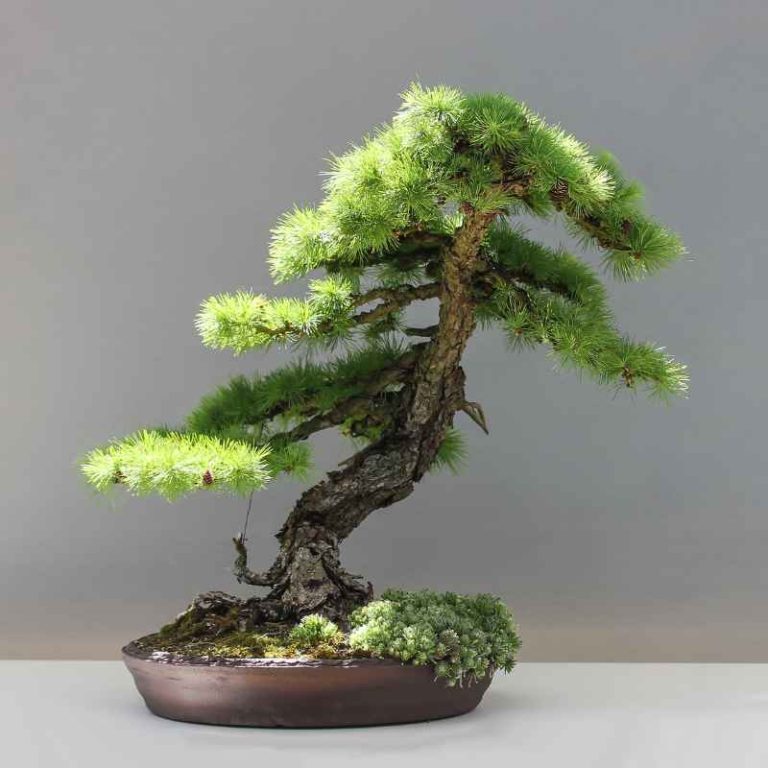
Growing bonsai indoors introduces specific hurdles not faced by outdoor cultivators. Low natural light, inconsistent humidity, and limited airflow can stress many traditional bonsai species. For example, Japanese Maple and Pine, while popular outdoors, typically struggle inside due to their dormancy requirements and preference for direct sunlight. Selecting the right species is the first step to overcoming these obstacles.
Indoor environments are often subject to artificial lighting, heating, and cooling systems, which can cause abrupt fluctuations in temperature and humidity. Unlike outdoor bonsai, which benefit from fresh air and natural seasonal changes, indoor bonsai must adapt to a relatively static climate.
These conditions can stunt growth, cause leaf drop, or make plants more susceptible to pests and diseases. Recognizing these challenges early allows growers to mitigate issues through proper plant selection and environmental management.
Essential Traits For Indoor Bonsai Plants
The best indoor bonsai candidates share several characteristics:
- Tolerance to low or moderate light: Species that naturally grow in understory conditions adapt better indoors. For example, Ficus species are native to forested areas where sunlight is filtered through the canopy, allowing them to thrive in lower light levels.
- Humidity flexibility: Plants that can handle drier air are less likely to drop leaves or develop pests. Jade Plant, for instance, is naturally tolerant of arid conditions due to its succulent leaves.
- Compact growth habit: Species with small leaves and slow growth respond best to pruning and shaping. Chinese Elm’s petite foliage makes it ideal for creating intricate bonsai designs.
- Resilience to pruning and root disturbance: This ensures the plant can survive frequent styling. Schefflera and Ficus are particularly forgiving when it comes to aggressive pruning and root trimming.
Additionally, species that display a robust root system and adaptability to container growing are preferred. Plants that can tolerate being root-bound without suffering from nutritional deficiencies or stunted growth are ideal for bonsai cultivation.
Key Environmental Factors
- Light: Most indoor bonsai do best with bright, indirect sunlight. Supplemental grow lights may be necessary, especially in winter. Light intensity and duration directly influence photosynthetic activity, which is vital for healthy growth.
- Water: Indoor air dries soil quickly; regular monitoring is crucial. Unlike outdoor bonsai, where rainfall can supplement watering, indoor plants rely solely on the grower’s diligence.
- Humidity: Misting or using a humidity tray can benefit tropical species. Tropical bonsai often require humidity levels above 50%, which can be hard to maintain indoors without intervention.
- Temperature: Consistent indoor temperatures (60–75°F) are ideal for most indoor bonsai. Sudden drops or spikes can stress plants, so placing bonsai away from heaters or cold drafts is recommended.
Why Species Selection Matters
Choosing the right plant species can mean the difference between a thriving, lush bonsai and a struggling, sparse specimen. Houseplants that naturally tolerate indoor conditions are the best candidates. According to the Royal Horticultural Society, matching the plant’s needs to your environment is the foundation of successful indoor bonsai cultivation.
The consequences of poor selection include leaf drop, pest infestations, and even plant death. For example, attempting to grow a juniper bonsai indoors is likely to fail due to its high light requirements and need for seasonal dormancy. Conversely, a Ficus bonsai can adapt to fluctuating indoor conditions, making it a much safer investment for indoor growers.
Top Indoor Bonsai Species: Best Choices For Beginners And Experts
Ficus (ficus Retusa, Ficus Benjamina)
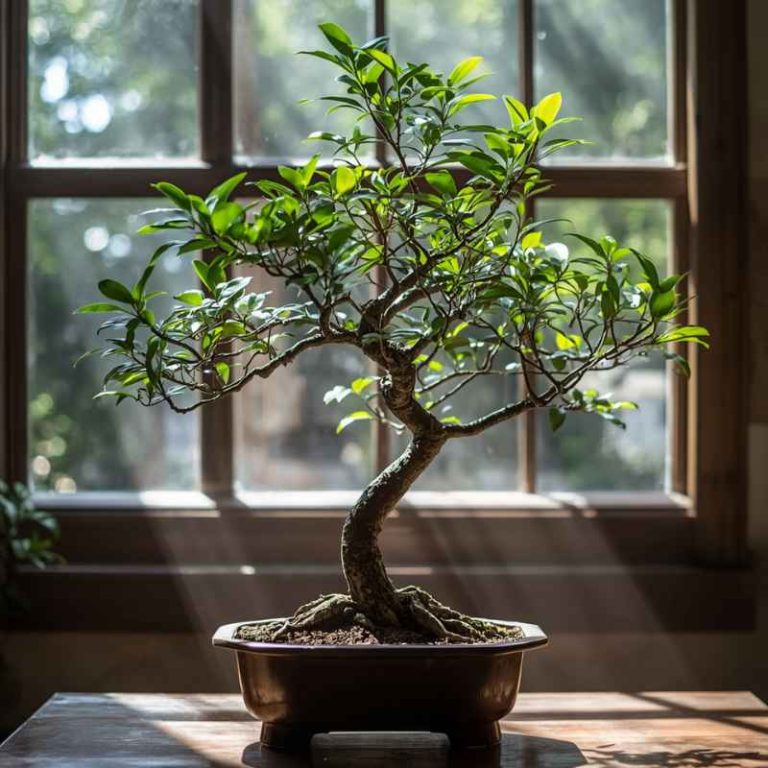
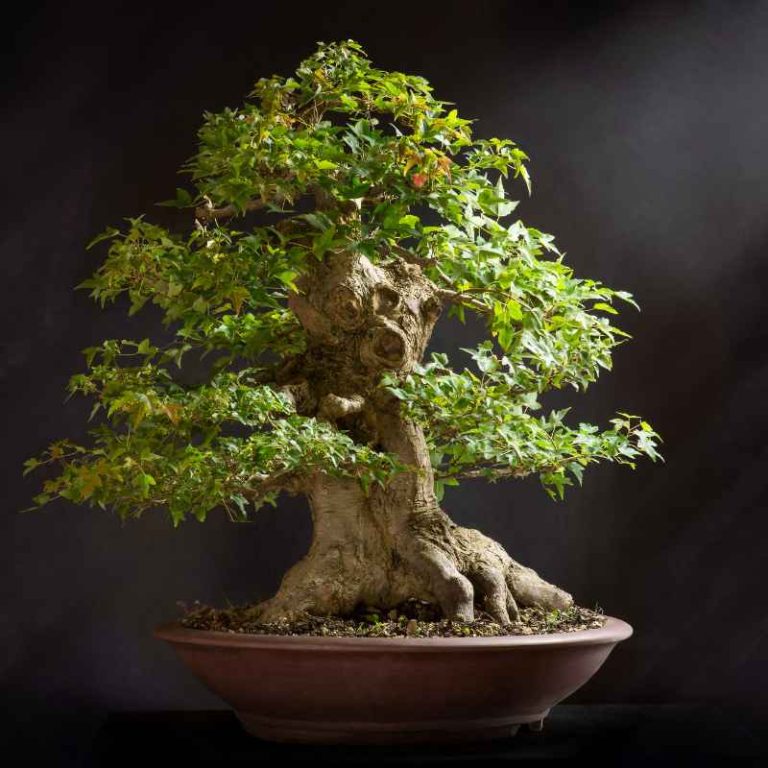
Ficus is widely regarded as the king of indoor bonsai. With its glossy green leaves, gnarled trunk, and robust root system, Ficus adapts exceptionally well to indoor environments. Popular varieties include Ficus retusa and Ficus benjamina. These species are tolerant of low humidity and can survive periods of neglect, making them ideal for beginners. Ficus responds well to wiring and pruning, enabling intricate designs.
Ficus bonsai can produce aerial roots, which add to their visual appeal and can be encouraged with high humidity. They can also be styled into a variety of forms, from classic upright to root-over-rock. Their resilience to environmental changes makes them suitable for apartments, offices, and homes with inconsistent light and humidity.
Jade Plant (crassula Ovata)
Also known as the Money Tree, the Jade Plant is a succulent native to South Africa. Its thick, fleshy leaves store water, making it highly drought-tolerant. Jade is ideal for minimalist bonsai styles and thrives in bright, indirect sunlight. Its resilience and ease of care make it a favorite among new bonsai enthusiasts.
Jade bonsai are especially useful for those who travel frequently or have busy schedules, as they require infrequent watering and minimal maintenance. Their slow growth rate means they retain their shape longer, and their sturdy stems can be pruned to create interesting forms.
Jade’s natural tolerance to dry conditions allows it to withstand the low humidity typical of many indoor environments.
Chinese Elm (ulmus Parvifolia)
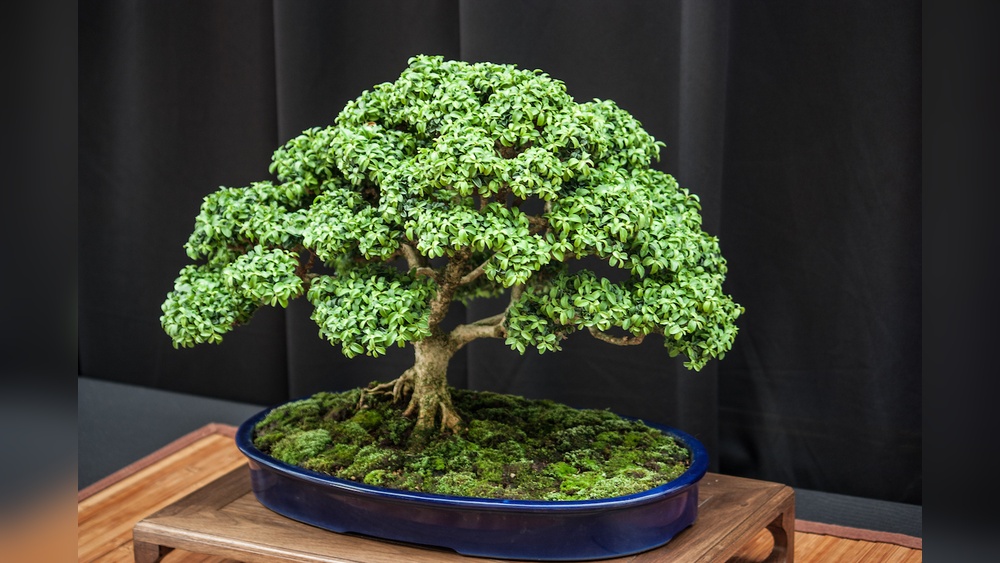
The Chinese Elm offers classic bonsai aesthetics with small, serrated leaves and a distinctive, textured bark. It adapts well to indoor conditions and can be trained into various bonsai styles. While it prefers bright light, it can handle moderate indoor lighting with occasional outdoor exposure during warm months.
Chinese Elm is prized for its ability to develop a mature-looking trunk and fine branching structure in relatively short timeframes. Its versatility allows it to be styled in upright, informal, or cascade forms. With proper care, it can remain evergreen indoors and tolerate occasional lapses in watering.
Schefflera Arboricola (dwarf Umbrella Tree)
Schefflera arboricola boasts umbrella-like leaf clusters and a forgiving temperament. It tolerates lower light and humidity, making it perfect for offices or rooms with less sunlight. Its aerial roots and flexible branches allow for creative styling, including root-over-rock designs.
Schefflera is often recommended for beginners due to its high adaptability and fast growth. It can be trained into unique shapes and survives well in a variety of indoor settings, including humid bathrooms and dry living rooms. Its foliage is attractive, and the plant is generally resistant to pests.
Serissa Foetida (snow Rose)
Known as the Snow Rose, Serissa foetida is prized for its delicate white or pink blooms. It has small leaves and a fine branching habit, lending itself well to miniature bonsai forms. While sensitive to overwatering and drafts, Serissa can thrive indoors with attentive care.
Serissa’s flowers add a splash of color to indoor bonsai collections, making it popular among those seeking visual diversity. However, it requires careful monitoring of watering and humidity, as it is susceptible to root rot and leaf drop if conditions fluctuate too quickly.
Fukien Tea (carmona Microphylla)
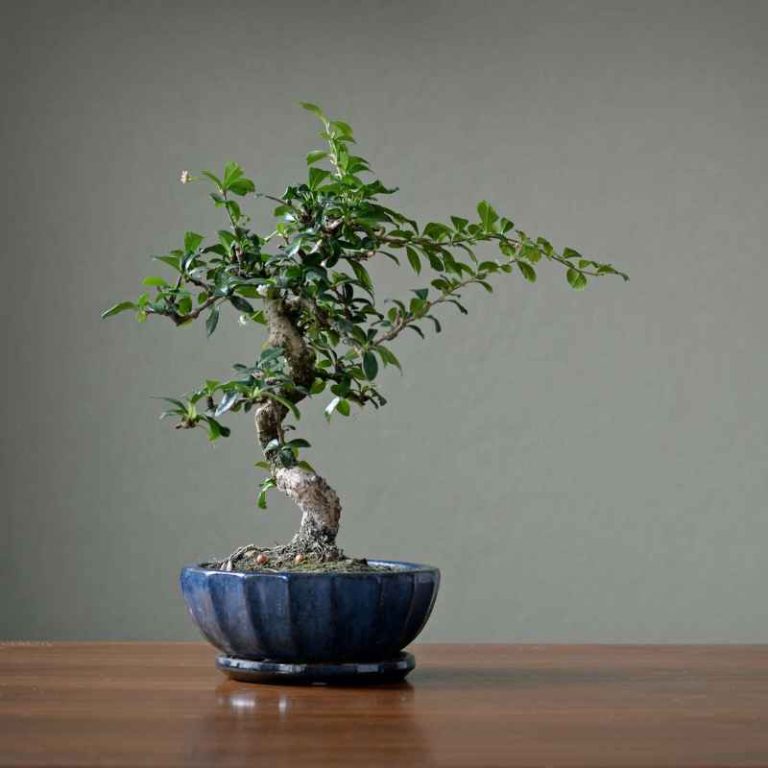
The Fukien Tea tree is popular for its tiny, dark green leaves, white flowers, and red berries. It favors warm, humid indoor conditions and requires consistent watering. Fukien Tea can be challenging for beginners but rewards experienced growers with year-round interest.
Fukien Tea is ideal for advanced bonsai enthusiasts who are able to maintain stable indoor environments. Its ability to flower and fruit indoors makes it a unique focal point in any collection. The tree is sensitive to cold drafts and sudden changes, so it is best placed in consistently warm areas.
Brazilian Rain Tree (pithecellobium Tortum)
This tropical legume features fine, feathery foliage and a striking, contorted trunk. The Brazilian Rain Tree prefers warm, bright environments and benefits from regular misting. Its rapid growth and unique appearance attract advanced bonsai artists.
Brazilian Rain Tree is best suited for growers who can provide high humidity and ample light, often requiring supplemental grow lights. Its distinctive trunk and foliage make it one of the more visually dynamic bonsai species, but it needs careful maintenance to prevent pest infestations.
Table: Quick Comparison Of Popular Indoor Bonsai Species
| Species | Light Requirement | Humidity | Ease of Care | Growth Rate | Ideal for Beginners? |
|---|---|---|---|---|---|
| Ficus | Bright, indirect | Moderate | Easy | Medium | Yes |
| Jade Plant | Bright, indirect | Low | Very easy | Slow | Yes |
| Chinese Elm | Bright, indirect | Moderate | Moderate | Medium | Yes |
| Schefflera | Moderate | Low to moderate | Easy | Fast | Yes |
| Serissa | Bright, indirect | High | Challenging | Medium | No |
| Fukien Tea | Bright, indirect | High | Challenging | Medium | No |
| Brazilian Rain Tree | Bright, direct | High | Moderate | Fast | No |
Other Notable Indoor Bonsai Species
- Sweet Plum (Sageretia theezans)
- Bougainvillea
- Olive (Olea europaea)
- Hawaiian Umbrella Tree (Schefflera actinophylla)
These species offer additional variety for adventurous growers and can flourish indoors with dedicated care. Sweet Plum is notable for its small leaves and colorful bark, while Bougainvillea brings vibrant blooms and Olive offers silver-green foliage and a Mediterranean flair.
Hawaiian Umbrella Tree is similar to Schefflera arboricola but with larger leaves.
Essential Care Guidelines For Indoor Bonsai
Light: Finding The Right Balance
Most indoor bonsai require bright, indirect light for optimal growth. South- or east-facing windows are ideal, but in lower-light settings, LED grow lights can supplement natural sunlight. Research by the National Institutes of Health demonstrates that artificial lighting can significantly improve photosynthesis and vigor in indoor plants.
Light is a crucial factor in bonsai health. Insufficient light leads to elongated stems, sparse foliage, and weak growth, while too much direct sunlight can scorch leaves. Using timers to ensure consistent light exposure and rotating the bonsai periodically helps maintain balanced growth.
For species like Ficus and Jade, a minimum of 6–8 hours of light per day is recommended.
Watering: Avoiding Common Pitfalls
Indoor bonsai are prone to both under- and overwatering. The key is to maintain consistent soil moisture without letting roots sit in water. Many experts recommend:
- Checking soil moisture daily with your finger.
- Watering thoroughly until excess drains from the pot.
- Allowing the top inch of soil to dry slightly before watering again.
Overwatering is the most common cause of root rot in indoor bonsai. Using pots with drainage holes and a well-draining soil mix is essential. For succulents like Jade, less frequent watering is needed, while tropical species like Ficus require more regular moisture.
Adjust watering frequency based on the season—reduce in winter when growth slows.
Humidity: Creating A Miniature Ecosystem
Most indoor environments are far less humid than the natural habitats of tropical bonsai species. Misting, using a humidity tray, or grouping plants can raise ambient moisture levels. A study by NASA found that indoor plants also help regulate humidity and improve air quality.
Humidity trays are simple to set up: fill a shallow tray with pebbles and water, then place the bonsai pot on top (without letting the roots touch the water). This increases humidity around the plant without causing root rot. For species like Fukien Tea and Serissa, maintaining humidity above 50% can prevent leaf drop and promote flowering.
Pruning, Wiring, And Styling
Indoor bonsai require regular pruning to maintain their miniature form. Use sharp, clean scissors to remove unwanted growth. Wiring can help shape branches, but care should be taken to avoid damaging the bark. Repotting is necessary every 2–3 years to refresh soil and prune roots.
Pruning encourages back-budding and denser foliage, essential for maintaining the bonsai’s shape. Wiring allows for creative styling, but should be checked frequently to avoid scarring. Repotting ensures roots remain healthy and prevents the plant from becoming pot-bound. It’s also an opportunity to adjust soil composition based on the species’ needs.
Common Indoor Bonsai Problems
- Leaf drop: Usually caused by sudden environmental changes, such as moving the plant or altering watering routines. Gradual adjustments help minimize stress.
- Pests (spider mites, scale insects): Address with insecticidal soap or neem oil. Regular inspection helps catch infestations early.
- Root rot: Prevent by ensuring excellent drainage and avoiding overwatering. Remove affected roots during repotting and adjust watering habits.
Other problems include yellowing leaves (often due to nutrient deficiencies) and fungal growth (resulting from excess moisture). Maintaining cleanliness and proper air circulation is key to prevention.
Seasonal Adjustments
- Winter: Reduce watering and avoid cold drafts. Many indoor species slow their growth during winter and require less frequent feeding.
- Summer: Increase humidity and monitor for rapid growth. Fertilize regularly and check for pests, as warmer temperatures accelerate both plant and pest activity.
Adjusting care routines seasonally ensures the bonsai remains healthy year-round and responds appropriately to environmental changes.

Advanced Tips: Maximizing Indoor Bonsai Health And Beauty
Using Grow Lights Effectively
For homes with limited natural light, LED or fluorescent grow lights can make a dramatic difference. Position lights 6–12 inches above the canopy for 12–16 hours per day. Choose full-spectrum bulbs that mimic sunlight for best results.
Grow lights should be selected based on the plant’s light requirements and the size of the bonsai. Full-spectrum LEDs are energy-efficient and produce minimal heat, reducing the risk of leaf burn. Mounting lights on adjustable arms or stands allows for flexible positioning as the plant grows.
Soil And Fertilizer Choices
Bonsai soil should be well-draining yet retain some moisture. A blend of akadama, pumice, and lava rock is widely used. Indoor bonsai benefit from a balanced, slow-release fertilizer applied monthly during the growing season.
Organic fertilizers are gentle and provide long-term nutrients, while liquid feeds offer rapid results but require frequent application. For succulents like Jade, avoid high-nitrogen fertilizers, which can promote excessive foliage at the expense of trunk and branch development.
Creating Microclimates
Placing bonsai on humidity trays or near water features can help mimic their natural habitat. For tropical species, consider using a small humidifier in winter.
Microclimates can be created by clustering plants together, which increases ambient humidity and reduces temperature fluctuations. For advanced setups, terrariums or glass domes provide controlled environments for sensitive species.
Pest And Disease Management
- Regularly inspect leaves and stems for signs of pests, such as webbing or sticky residue.
- Treat infestations promptly with horticultural oils or soaps, following label instructions.
- Remove fallen leaves and debris to prevent fungal issues and maintain overall plant hygiene.
Preventive measures include quarantining new plants before introducing them to your bonsai collection and maintaining a clean growing area.
Table: Indoor Bonsai Care Comparison
| Care Factor | Tropical Bonsai | Subtropical Bonsai | Succulent Bonsai |
|---|---|---|---|
| Watering Frequency | 2–3 times/week | 1–2 times/week | Every 10–14 days |
| Ideal Humidity | 50–60% | 40–50% | 30–40% |
| Temperature Range | 65–80°F | 60–75°F | 60–85°F |
| Fertilizer Needs | Monthly | Every 6 weeks | Every 2–3 months |
| Light Requirement | Bright, indirect | Bright, indirect | Direct to bright, indirect |
Real-world Examples: Indoor Bonsai In Action
Case Study 1: Ficus Bonsai In A Modern Apartment
Jessica, a New York City resident, transformed a sunny corner of her apartment with a Ficus retusa bonsai. Despite limited space and fluctuating temperatures, the Ficus thrived under an LED grow light and regular misting. After two years, the bonsai developed a thick trunk, aerial roots, and lush canopy, becoming a conversation piece for visitors.
Jessica’s approach included using a humidity tray and rotating the bonsai weekly to ensure even light exposure. She kept a journal of watering and feeding schedules, helping her adjust routines based on the plant’s responses. Her experience demonstrates how urban dwellers can successfully cultivate bonsai even in challenging environments.
Case Study 2: Jade Bonsai In A Corporate Office
At a San Francisco tech startup, a Jade Plant bonsai was selected for its low maintenance and ability to withstand office conditions. The plant received filtered sunlight and was watered every two weeks. Employees reported improved air quality and reduced stress, consistent with findings from peer-reviewed studies on indoor plants and workplace wellness.
The Jade bonsai became a fixture in the office break room, with employees taking turns tending to the plant. Its slow growth and minimal care requirements allowed it to flourish with little intervention, demonstrating the suitability of succulents for busy environments.
Case Study 3: Schefflera Bonsai In A Humid Bathroom
A homeowner in Miami used a Schefflera arboricola bonsai to decorate a master bathroom with high humidity and filtered light. The plant flourished, producing new leaves regularly and requiring minimal intervention. The Schefflera’s resilience in this environment highlighted the importance of matching plant species to microclimates within the home.
By placing the bonsai near a window and misting it regularly, the homeowner maintained optimal conditions. The Schefflera responded with vigorous growth and vibrant foliage, proving that even unconventional spaces can be ideal for indoor bonsai.
Selecting The Right Indoor Bonsai For Your Space
Assessing Your Environment
Before choosing an indoor bonsai, evaluate:
- Light availability: South-facing windows or supplemental grow lights are best. Measure light intensity with a lux meter if possible.
- Humidity levels: Bathrooms and kitchens are naturally more humid; living rooms may be drier. Use a hygrometer to track humidity and consider adding a humidifier if levels are consistently low.
- Space constraints: Some bonsai species require more room for roots and canopy expansion. Plan for future growth and ensure the bonsai won’t be crowded by other objects.
Assessing these factors ensures you select a species that will thrive, minimizing the need for frequent adjustments or interventions.
Matching Species To Lifestyle
- Busy individuals: Jade, Schefflera, and Ficus are forgiving of occasional neglect. These species require less frequent watering and can withstand inconsistent care.
- Enthusiastic hobbyists: Chinese Elm, Serissa, and Fukien Tea offer more styling opportunities but need attentive care. They reward diligence with intricate designs and vibrant blooms.
- Aesthetic preferences: Choose between flowering species (Serissa, Fukien Tea) or classic foliage (Ficus, Elm). Consider the visual impact and maintenance requirements of each species.
Selecting a bonsai that aligns with your lifestyle increases the likelihood of long-term success and enjoyment.
Table: Best Indoor Bonsai By Room Type
| Room Type | Recommended Bonsai Species | Key Considerations |
|---|---|---|
| Living Room | Ficus, Chinese Elm | Bright light, moderate humidity |
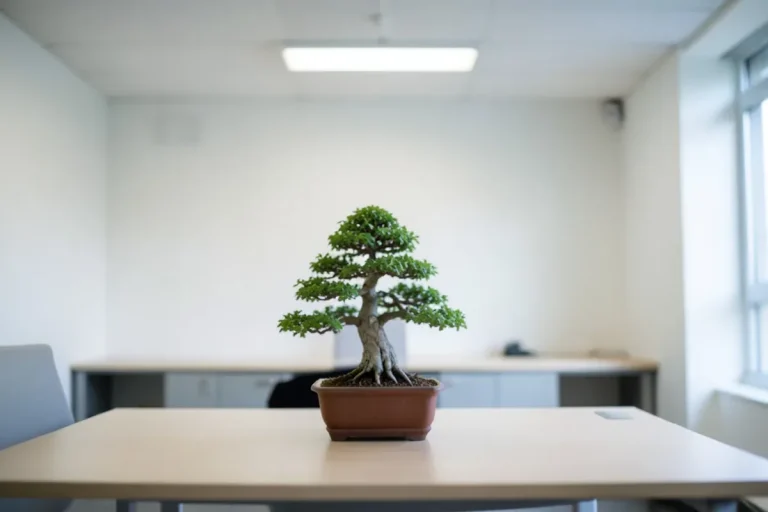
| Office | Jade Plant, Schefflera | Low maintenance, tolerates fluorescent lighting |
| Bathroom | Schefflera, Serissa | High humidity, filtered light |
| Bedroom | Fukien Tea, Olive | Bright indirect light, air quality benefits |
Where To Purchase Indoor Bonsai
For best results, source your bonsai from reputable nurseries or specialized online retailers. Look for healthy plants with no visible pests or diseases. Some trusted sources include Bonsai Empire and local botanical gardens.
When shopping, inspect the plant’s root system and foliage. Avoid specimens with wilted leaves, discolored stems, or signs of infestation. Many online retailers offer detailed care guides and support, which can be invaluable for beginners.
Indoor Bonsai Styles And Aesthetic Possibilities
Traditional Bonsai Styles Adapted Indoors
- Formal Upright (Chokkan): Ideal for Ficus and Chinese Elm, this style emphasizes symmetry and balance, with a straight trunk and evenly spaced branches.
- Informal Upright (Moyogi): Works well with Jade and Schefflera, featuring gentle curves and a more natural, relaxed form.
- Cascade (Kengai): Suited to trailing species and creative arrangements, this style mimics trees growing on cliffs, with branches cascading downward.
- Root-Over-Rock: Particularly striking with Schefflera and Fukien Tea, this style highlights exposed roots wrapping around stones, creating a dramatic landscape effect.
Adapting these styles indoors requires consideration of pot size, plant growth rate, and available space. Bonsai artists often use smaller pots and creative placement to achieve traditional aesthetics in modern settings.
Modern And Minimalist Approaches
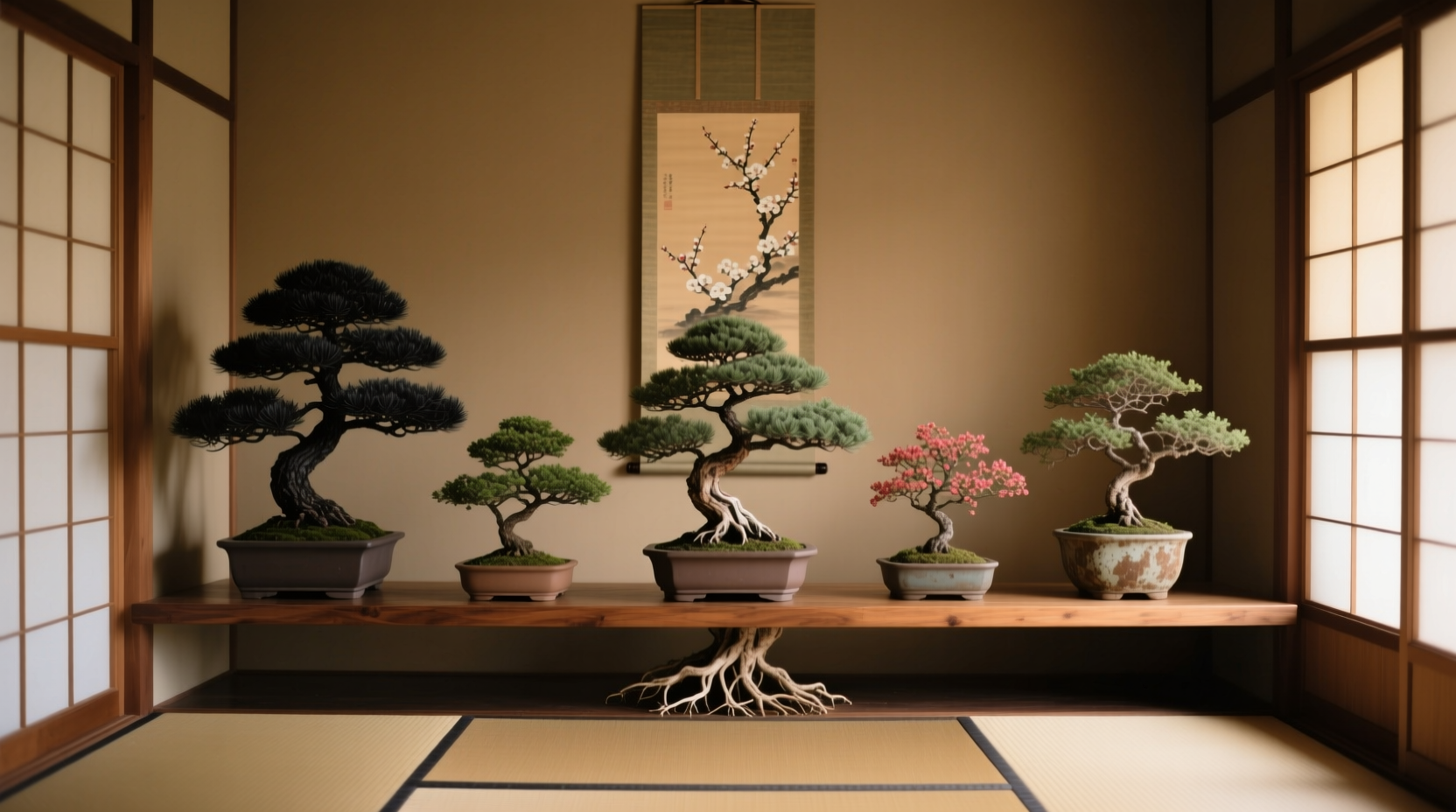
Indoor bonsai can also serve as living sculptures for contemporary interiors. Minimalist pots, monochrome palettes, and geometric arrangements are increasingly popular. According to the Wikipedia entry on Bonsai, the art form continues to evolve, reflecting cultural trends in design and architecture.
Minimalist bonsai designs emphasize clean lines and understated elegance. Using white or black ceramic pots and focusing on a single species can create a striking visual impact. This approach is especially suited to modern homes and offices, where simplicity and sophistication are valued.
Incorporating Bonsai Into Home Decor
- Tabletop displays: Small bonsai add life to desks, shelves, and coffee tables. Use decorative trays or stands to elevate the presentation.
- Groupings: Multiple species can create a dynamic indoor landscape. Mixing foliage types and pot styles adds depth and interest.
- Accent stones and moss: Enhance the naturalistic appearance and provide contrast. Moss can also help retain soil moisture and prevent erosion.
Bonsai can be used to complement interior color schemes, highlight architectural features, or create calming focal points. Integrating bonsai into everyday living spaces brings nature indoors and fosters a sense of tranquility.
Bonsai As Gifts
Indoor bonsai make meaningful, lasting gifts for housewarmings, birthdays, or corporate events. They symbolize harmony, patience, and a connection to nature—qualities appreciated across cultures.
Gifting bonsai is often accompanied by care guides and decorative containers, making it a thoughtful and practical present. Bonsai gifts encourage recipients to engage with nature and enjoy the long-term rewards of cultivation.
Frequently Asked Questions
What Are The Easiest Indoor Bonsai Species For Beginners?
Ficus, Jade Plant, and Schefflera are widely considered the best starter bonsai for indoor growers. They are resilient, require minimal specialized care, and are forgiving of occasional mistakes. These species adapt well to typical indoor conditions, including fluctuating humidity and indirect light.
How Much Light Do Indoor Bonsai Need To Thrive?
Most indoor bonsai require bright, indirect light for at least 6 hours per day. South- or east-facing windows are ideal. If natural light is insufficient, use a full-spectrum LED grow light for 12–16 hours daily. Avoid placing bonsai in direct afternoon sun, which can scorch leaves.
How Often Should I Water My Indoor Bonsai?
Watering frequency depends on the species, soil type, and indoor climate. Generally, check the soil daily and water when the top inch feels dry. For tropical species, this may be every 2–3 days; for succulents like Jade, every 10–14 days may suffice.
Consistent, moderate watering is key to preventing root rot or drought stress.
Can I Use Outdoor Bonsai Trees Indoors?
Most traditional outdoor bonsai, such as Pine, Juniper, and Maple, do not thrive indoors due to their need for seasonal dormancy and high light levels. Instead, choose species specifically suited for indoor environments, such as Ficus, Chinese Elm, or Schefflera, for best results.
Do Indoor Bonsai Help Purify The Air?
Yes, several studies, including NASA’s Clean Air Study, show that indoor plants like Ficus and Schefflera can remove toxins such as formaldehyde and benzene from the air. While a single bonsai may not dramatically improve air quality, multiple plants can contribute to a healthier indoor environment.
Bringing bonsai into your home is more than just a hobby—it’s a celebration of patience, artistry, and the enduring beauty of nature. By choosing the right indoor species and providing attentive care, you can cultivate a thriving miniature forest that enhances your living space for years to come.
Whether you’re a seasoned bonsai artist or a curious beginner, the world of indoor bonsai offers endless opportunities for creativity and connection with the natural world.